

Loose teeth and gum disease develop when bacterial infection damages the gums, periodontal ligament, and alveolar bone that hold teeth in place. This process reduces tooth’s stability, increases tooth mobility, and may lead to tooth loss if untreated. Gum disease treatment can reduce inflammation, stop bone loss, and help stabilize loose teeth. Early care improves oral health, supports saving your natural teeth, and lowers the risk of advanced periodontal disease. Loose teeth and gum disease involve four main components: plaque and tartar buildup, bacterial infection, inflammatory pocket deepening, and connective tissue destruction. Treatment focuses on deep cleaning, root planing, antibiotic therapy, and in severe cases bone grafting or soft tissue grafting. Prevention depends on oral hygiene, routine cleanings, and dental checkups. Understanding Gum Disease and Its Impact on Teeth Gum disease, also called Periodontal Disease (PD), is a bacterial infection that affects gums, bone, and connective tissue. PD starts with Gingivitis and can progress to Periodontitis. When untreated gingivitis progression continues, periodontal ligament breakdown and alveolar bone resorption reduce tooth support. There are 2 major stages: As bone loss increases, tooth mobility causes chewing discomfort, tooth migration consequences, and masticatory dysfunction onset. What is Gum Disease? Gum disease is a chronic bacterial infection of the gums and supporting bone. It begins with plaque accumulation along the gumline. Plaque contains bacteria that trigger inflammation. If plaque hardens into tartar, only a dentist can remove it. The American Academy of Periodontology (AAP) states that untreated periodontal disease is the leading cause of tooth loss in adults. Severe gum disease increases compromised osseointegration risk for Dental Implants. Symptoms of Gum Disease There are 7 primary gum disease symptoms: Symptoms of Loose Teeth from Gum Disease There are 5 common signs of gum disease loose teeth: Tooth mobility treatment becomes urgent when early furcation involvement or advanced attachment loss is present. Causes of Gum Disease There are 6 major causes of periodontal disease: Bacterial biofilm proliferation under the gumline leads to inflammatory pocket deepening and connective tissue destruction. Causes of Loose Teeth from Gum Disease There are 4 direct loose teeth causes: Bone supports teeth. When alveolar bone resorption reaches 30–50% of root length, tooth mobility increases significantly. The Connection Between Loose Teeth and Gum Disease Yes, gum disease can make you lose teeth. Periodontitis destroys the bone and tissue that anchor teeth. As periodontal pockets deepen beyond 4–6 mm (0.16–0.24 inches), bacteria multiply and accelerate bone loss. Periodontal disease loose teeth occur when infection spreads beneath the gum line. Advanced gum disease may cause: Stopping infection early can fix loose teeth and prevent tooth extraction. Treatment Options for Gum Disease Gum disease treatment depends on severity. Dentists such as Spearmint Dental & Orthodontics and Madison Dentistry often follow structured periodontal therapy protocols. Scaling and Root Planing Scaling and Root Planing (SRP) is a professional deep cleaning that removes plaque and tartar below the gum line. Root planing smooths the tooth root to reduce bacterial attachment. Deep cleaning reduces pocket depth and improves gum reattachment. It is the first-line gum disease treatment. Antibacterial Mouthwashes and Toothpastes Antibacterial mouthwash reduces bacteria levels in the mouth. Therapeutic toothpaste supports plaque control. These products help control gingivitis loose teeth in early stages. Oral Antibiotics Oral antibiotics and localized antibiotic therapy reduce bacterial infection. Antibiotic Therapy supports healing when infection is active. Surgery Surgical intervention may include: These procedures rebuild support and increase tooth’s stability. Effective Treatments to Stabilize Loose Teeth To stabilize loose teeth, dentists may combine infection control with structural reinforcement. Treatment aims to stop loose teeth and preserve natural teeth. Common approaches include: Splinting Loose Teeth bonds a mobile tooth etiology to adjacent teeth, reducing movement during healing. Treatment Options for Loose Teeth Loose tooth treatment depends on bone support level. Options include: Dentures may replace multiple lost teeth in severe cases. At-Home Tips to Support Loose Teeth Recovery Support healing with 6 daily habits: Consistent oral hygiene reduces plaque and tartar accumulation. How to Prevent Gum Disease? Prevent loose teeth by controlling plaque. Follow 5 prevention methods: Routine cleanings remove tartar before it triggers inflammation gums and bone loss. FAQs Why Preventive Dental Care Matters More at Certain Life Stages? Preventive dental care matters most during adolescence, pregnancy, and older adulthood. Hormonal changes increase gum inflammation risk. Adults over 35 show higher rates of periodontal disease teeth. How to Take Care of Your Teeth During Christmas to Avoid Stains? Limit sugary and acidic drinks. Rinse mouth with water after wine or soda. Brush 30 minutes after meals. Schedule a dental checkup if stains persist. Periodontal Disease Treatment: The Safe and Effective Way to Save Your Teeth Periodontal Disease treatment combines deep cleaning, antibiotics, and surgery when needed. Early intervention helps saving your natural teeth and prevents tooth extraction. Warning Signs And Symptoms Of Periodontal Disease There are 6 warning signs: See a dentist immediately if these appear. Why Do My Gums Bleed? Causes and Prevention Gums bleed due to plaque-induced inflammation. Improve oral hygiene and schedule scaling root procedures, if bleeding continues. Conclusion Loose teeth and gum disease result from bacterial infection, bone loss, gum recession, and connective tissue destruction. Periodontal disease reduces tooth’s stability and increases tooth mobility. Early gum disease treatment such as Scaling and Root Planing, Antibiotic Therapy, bone grafting, soft tissue grafting, and tooth splinting can stabilize loose teeth and support saving your natural teeth. Control plaque, attend routine cleanings, and maintain strong oral hygiene to prevent bone loss and stop loose teeth. Early care protects oral health and lowers the risk of advanced periodontal disease.
Gum Graft Healing and Failure: Timeline, Signs, and Prevention
Gum graft healing and failure describe how transplanted gum tissue attaches, survives, and protects exposed tooth roots after gum grafting surgery, or how the graft breaks down when blood supply, stability, or aftercare fails. Gum grafts restore healthy gum tissue, reduce tooth sensitivity, protect tooth roots, and stop gum tissue from receding further. Healing depends on graft type, surgical technique, blood supply, and patient compliance, while failure occurs when revascularization, epithelialization, or stabilization is disrupted. Gum Grafts Gum grafts are periodontal plastic surgery procedures used to treat gum recession and exposed tooth roots. A periodontist places healthy gum tissue over areas where the gum line has receded to restore protection and improve oral health. Gum grafting treats gum recession caused by aggressive brushing, periodontal disease, teeth grinding, smoking, and genetic thin gum tissue. What Is a Gum Graft? According to the American Academy of Periodontology (AAP) A gum graft is a surgical procedure where a periodontist harvests tissue from the roof of your mouth or connective tissue underneath and attaches it to a recession site. The goal is root coverage and reinforcement of the gum line. Common gum graft types include: Why You Need a Gum Graft You need a gum graft when gum tissue recedes and exposes tooth roots. Exposed roots increase tooth sensitivity, decay risk, and bone loss. There are 4 main reasons for gum grafting: Untreated gum recession leads to irreversible periodontal damage. Gum recession and exposed tooth roots are commonly linked to periodontal disease, as explained by Mayo Clinic’s oral health guidelines. Gum Graft Surgery and Procedure – Step by Step Gum grafting surgery follows a defined clinical sequence. Step-by-step gum grafting procedure: The procedure lasts 60–120 minutes, depending on graft type and number of teeth. Gum Graft Recovery Initial gum graft recovery takes 7–14 days, while full tissue maturation takes 4–12 weeks. During recovery: Avoid brushing the surgical site until cleared by a periodontist. Gum Graft Healing Stages and Recovery Gum graft healing follows predictable biological phases driven by angiogenesis and fibroblast activity. Gum graft healing timeline: Delayed revascularization increases gum graft failure risk. Gum Graft Before and After Before gum grafting, tooth roots are exposed and gum tissue is thin. After successful healing, the gum line thickens, root coverage improves, and tooth sensitivity decreases. Long-term success depends on oral hygiene, brushing technique, and lifestyle habits. Gum Graft Cost Gum graft cost depends on graft type and complexity. Average gum graft cost: Insurance coverage varies and often requires medical necessity documentation. How Often Do Gum Grafts Fail and Succeed? Gum graft success rates range from 85% to 95%, while gum graft failure occurs in a small percentage of cases when biological or mechanical factors interfere with healing. Can Gum Grafts Fail? Yes, gum grafts can fail. Failure occurs when the graft loses blood supply, becomes infected, or detaches before integration. Gum graft failure is uncommon when performed by an experienced periodontist and followed by proper aftercare. Why Do Gum Grafts Fail? Loss of blood supply and delayed healing are recognized causes of surgical graft failure, according to MedlinePlus, a service of the U.S. National Library of Medicine. There are 5 main reasons gum grafts fail. Degree of Gum Recession Advanced recession with loss of tissue between teeth reduces complete root coverage potential. Severe defects limit vascular support and increase graft necrosis risk. Oral Hygiene and Lifestyle Poor oral hygiene, aggressive brushing, and dietary habits disrupt healing. Plaque accumulation triggers localized inflammation cascades that compromise graft survival. Teeth Grinding Bruxism creates micro-movement at the graft site. Night guard use reduces mechanical stress and protects graft stabilization. Smoking Smoking restricts blood flow and delays angiogenesis. Smoker’s graft prognosis is significantly lower due to compromised vascular supply. Quality of the Gum Grafting Procedure Inadequate flap design, poor suture stabilization, and improper graft thickness lead to connective tissue necrosis and premature graft exfoliation. Signs of Gum Graft Failure There are 6 clear signs of gum graft failure: Immediate periodontal evaluation is required. Treat and Avoid Gum Graft Failure with Periodontal Associates Periodontal Associates use advanced periodontal plastic surgery techniques to reduce gum graft failure risk. Precision flap design, graft stabilization, and postoperative infection control improve clinical outcomes. Book Your Consultation If you are concerned about gum recession or gum graft healing, schedule a consultation with a board-certified periodontist. They can evaluate your specific case, discuss your risk factors, and create a personalized treatment plan to ensure the best possible outcome for your oral health. Early assessment improves success rates and prevents progressive gum recession. Taking Care of Your Gums to Avoid Gum Grafts There are 6 ways to protect gum health: Preventive care reduces the need for gum grafting surgery. FAQs How long does gum graft healing take?Initial healing takes 2 weeks, full healing takes up to 12 weeks. What does a failed gum graft look like?A failed gum graft often appears as a large, non-pink patch of white or gray tissue that may eventually detach from the tooth. Is gum graft failure painful?Yes, failure often causes persistent pain and inflammation. Can a failed gum graft be redone?Yes, revision grafting is possible after tissue stabilization. End Note Gum graft healing and failure depend on how well the graft is placed, how quickly it establishes blood supply, and how carefully post-surgical instructions are followed. While most gum grafts heal successfully and provide long-term protection against further gum recession, failure can occur when factors like smoking, poor oral hygiene, teeth grinding, or delayed healing interfere with recovery. Understanding the healing timeline, recognizing early warning signs of failure, and committing to proper aftercare significantly improve success rates. With timely professional guidance and preventive gum care, patients can protect their results, maintain healthy gum tissue, and reduce the likelihood of needing additional periodontal treatment in the future.
Complete Oral Health & Cosmetic Dentistry Guide: Your Smile Makeover
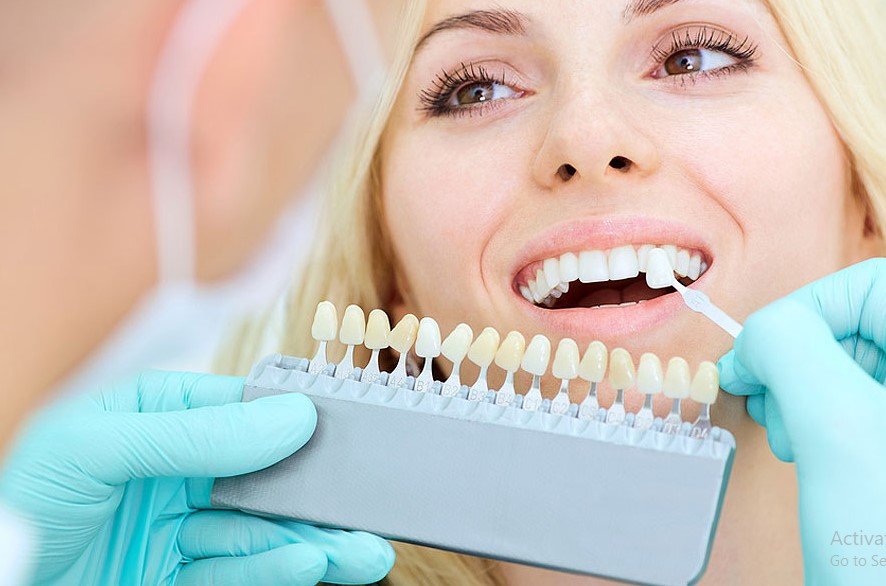
The Complete Oral Health & Cosmetic Dentistry Guide explains how cosmetic dentistry supports oral health and improves appearance through planned dental care. This guide shows how cosmetic dentistry treatments correct damaged teeth, manage gum health, replace missing teeth, and improve smile balance while protecting dental health. The main benefits include better oral health, improved confidence, and long-term function. The main uses include treating tooth imperfections, discoloration, gum issues, and bite problems. The main components include cosmetic dentistry treatments, cost considerations, and choosing a cosmetic dentist. What is Cosmetic Dentistry? Cosmetic dentistry is dental care focused on improving the appearance of teeth, gums, and bite while supporting oral health. Cosmetic dentistry treatments correct visual and functional dental concerns using restorative and aesthetic procedures. A cosmetic dentist treats yellow teeth, discolored teeth, chipped teeth, cracked teeth, broken teeth, worn-down teeth, missing teeth, gummy smile concerns, receding gums, and gum issues. Modern cosmetic dentistry includes tooth whitening, dental veneers, crowns, dental implants, gum reshaping procedures, grafting, and enamel shaping. Cosmetic dental care often improves dental health by restoring structure, protecting enamel, and stabilizing gum tissue. What is a Perfect Smile? A perfect smile is a balanced smile that fits facial structure, tooth shape, gum position, and bite alignment. A perfect smile depends on Smile Architecture Principles, Gingival Margin Harmony, Occlusal Vertical Dimension, and Temporomandibular Joint Synergy (TMJ). A perfect smile includes: Cosmetic dentistry uses Digital Smile Design to plan tooth shape, porcelain shade, and gum contour. Modern cosmetic dentistry avoids over-whitening and focuses on natural results using biocompatible restorative materials such as porcelain and resin. Roadblocks to a Perfect Smile There are 9 common roadblocks that prevent a healthy beautiful smile: Staining from coffee, tea, red wine, and berries causes enamel discoloration. Gum disease and poor oral hygiene routine affect gum health. Bruxism leads to worn-down teeth and bite changes. Cosmetic dentistry procedures address these issues using targeted cosmetic treatments. Cosmetic Dentistry Trends Modern cosmetic dentistry focuses on minimally invasive treatment, digital planning, and long-lasting materials. Current cosmetic dentistry trends include: Cosmetic dentists now integrate oral health guide principles into cosmetic care to improve oral health and long-term stability. Cosmetic dentistry treatments There are 8 core cosmetic dentistry treatments used to improve your smile and dental health. Teeth Whitening Teeth whitening brightens teeth by removing deep stains from enamel. Professional teeth whitening treats discoloration caused by coffee, tea, red wine, and berries. In-office teeth whitening produces visible results in one visit. Dental Veneers Dental veneers are thin porcelain or resin shells bonded to the front of teeth. Veneers correct gaps, chipped teeth, discolored teeth, and tooth shape issues. Porcelain dental veneers resist stains and maintain color stability. Crowns Crowns are prosthetic teeth placed over damaged teeth. Crowns restore cracked teeth, broken teeth, and teeth weakened by decay or root canal treatment. Porcelain crowns match natural enamel color. Dental Implants Dental implants replace missing teeth using a titanium post and prosthetic tooth. Dental implants preserve jawbone, protect peri-implant soft tissues, and restore chewing function. Dental implants improve oral health and smile balance. Enamel Shaping and Contouring Enamel shaping reshapes minor tooth imperfections. Contouring smooths chipped teeth and uneven edges without removing excessive enamel. Gum Reshaping and Grafting Gum reshaping procedures correct gummy smile and uneven gum lines. Grafting treats receding gums and protects exposed tooth roots. TMJ and Bite Therapy TMJ therapy improves Temporomandibular Joint Synergy and bite balance. Bruxism Appliance Therapy reduces tooth wear and jaw pain. Cosmetic Dentures Cosmetic dentures replace multiple missing teeth. Modern dentures improve comfort, stability, and appearance compared to older designs. Cosmetic Dentistry Cost The cost of cosmetic dentistry varies significantly based on the procedure, materials used, and the dentist’s expertise, ranging from a few hundred to several thousand dollars per tooth. Most cosmetic procedures are considered elective and may not be fully covered by dental insurance. However, many practices offer payment plans or work with third-party financiers like Care Credit to make treatment affordable. It is important to consider the long-term value and durability of quality cosmetic work when evaluating cost. Choosing a cosmetic dentist Selecting the right cosmetic dentist is critical to achieving your desired results. Because cosmetic dentistry is not a recognized specialty, you must vet providers carefully. Follow this 5-step process: Final Thought The Complete Oral Health & Cosmetic Dentistry Guide provides clear dental health information for patients seeking cosmetic dental work. This complete dental guide explains cosmetic dentistry treatments, costs, and selection criteria so patients can improve oral health and achieve a healthy beautiful smile through informed care. Referral Linkshttps://www.ada.org/resources/ada-library/oral-health-topics/cosmetic-dentistryhttps://www.mayoclinic.org/healthy-lifestyle/adult-health/in-depth/dental/art-20047475https://www.nidcr.nih.gov/health-infohttps://my.clevelandclinic.org/health/treatments/10911-teeth-whiteninghttps://www.perio.org/for-patients/gum-disease-information/
How Often Do I Change My Toothbrush? 5 Signs You Need a New One
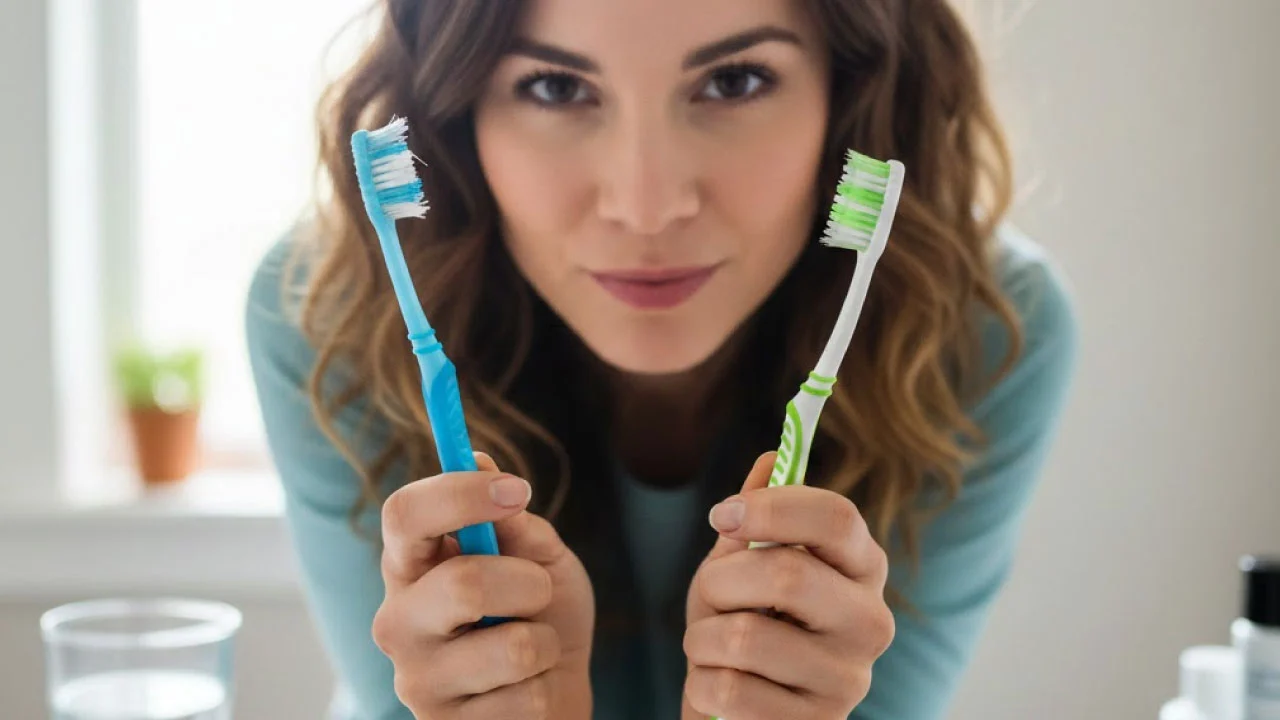
Change your toothbrush every 3 to 4 months (or sooner if the bristles are frayed). The American Dental Association (ADA) gives the same timeline for manual toothbrushes and reminds people to swap earlier when wear shows up. (ADA) A new toothbrush matters because worn toothbrush bristles remove less plaque. Less plaque removal raises gum disease risk and makes it easier for tooth decay to start. Signs That You Need to Change Your Toothbrush Your Teeth Do Not Feel as Clean After Brushing Replace the toothbrush when teeth still feel “fuzzy” after brushing for 2 minutes, twice a day. That fuzzy feel often means plaque is not being disrupted well, so bacteria present stay stuck to enamel and along the gumline. This is common when toothbrush bristles soften, splay, and lose the shape needed for daily brushing. The Bristles Are Frayed Frayed toothbrush bristles are the clearest sign. Bristle splay dictates cleaning quality. A worn brush misses the gumline and leaves plaque behind, which can trigger gum inflammation and periodontal disease. Replace the brush head sooner when: It Has a Smell A smell is a sign bacteria are present. A toothbrush can collect saliva, plaque, and oral debris. That mix can form a biofilm accumulation rate that makes the brush smell stale or sour. Get a new toothbrush if the odor returns even after rinsing and air-drying. You Were Recently Sick A post-illness toothbrush swap is common advice, but the reason depends on the illness. A toothbrush can hold bacteria and viruses, yet reinfection from the brush is not always likely. (Verywell Health) Do this instead: You Do Not Remember When You Last Replaced It If the date is unknown, replace it now and set a simple schedule. Replacement schedule adherence is easier when the swap lines up with the start of a season or a recurring calendar reminder. How Long Do Toothbrushes Usually Last? Most manual toothbrushes last 3 to 4 months with normal use. Electric toothbrush heads usually last about 3 months with twice-daily brushing, and many brands use indicator bristles or a reminder light. Philips Sonicare recommends replacing brush heads every three months of normal use. Oral-B also points to a three-month change cycle for brush heads. (Oral-B) Replace sooner when: What’s the Best Kind of Toothbrush to Use? A manual toothbrush can work well when technique is solid and brushing time hits 2 minutes. An electric toothbrush often makes plaque removal easier, especially for adults with gum disease risk, sensitive teeth, or trouble brushing evenly. Many people like Philips Sonicare (Sonicare) for gentle vibration and Oral-B for oscillating heads. Colgate also makes powered brushes with replaceable heads. Quick picks: Maintain Good Oral Health With Regular Professional Dental Cleanings and Examinations Daily brushing helps, but routine dental cleaning and checkup visits catch tooth decay, gum disease, and oral structures problems early. Many healthy adults do well with two cleanings per year, while periodontal disease patients may need more frequent dental appointments. Dentistry of West Bend Dentistry of West Bend in West Bend shares practical oral hygiene tips, including watching for frayed bristles and swapping brushes more often than “only at the dentist.” Dr. Harding’s Apr 11, 2022 guidance focuses on toothbrush wear, smell, and post-illness habits tied to Dental Health. Our Hours Call the office to confirm appointment times and availability for preventive dental treatments, general dentistry treatments, and fluoride treatments. We’re Social Follow the office for reminders on daily brushing, toothbrush replacement, and updates on dental sealants, fluoride treatments, and other preventive dental treatments. Oral Health Diagnosis, Treatment & Prevention Oral health diagnosis, treatment, prevention includes: What is Dentistry? Dentistry is the field that diagnoses, prevents, and treats conditions affecting teeth, gums, and oral structures. Dentistry includes general dentistry treatments, preventive dental treatments, and care planning that supports long-term oral health. Dental Spa: Oral Hygiene Tips Some clinics frame oral hygiene as a Dental Spa routine. The point is gentle, consistent care that keeps plaque down and gums calm, especially when stress and bruxism show up. The “Home Spa” Routine A simple home routine can keep oral hygiene steady: Stress Reduction for Jaw Health Stress can feed bruxism and jaw tightness. That can overload the oral muscles, including the masseter muscles. Try: Anti-Inflammatory Oral Care Anti-inflammatory oral care targets gum inflammation before it turns into gum disease. Focus points: Desensitizing Protocols Use desensitizing toothpaste when sensitive teeth flare up. Many dentists suggest leaving a thin layer on teeth after spitting, instead of rinsing right away, so the ingredients stay in contact longer. If sensitivity is sharp or one tooth hurts, book a checkup to rule out tooth decay, cracks, or gum recession. Nutrition for Oral Wellness Nutrition supports Dental Health and gum strength. Helpful habits: Maintaining the Esthetic Result Keep the esthetic result (whitening, bonding, veneers) stable with: FREQUENTLY ASKED QUESTIONS How often do I change my toothbrush? Change your toothbrush every 3 to 4 months, or sooner when toothbrush bristles are frayed. How often do I change my electric toothbrush head? Change electric toothbrush heads about every 3 months, or sooner if indicator bristles fade or wear shows up. How often should kids change a toothbrush? Use the same 3 to 4 month rule, and replace sooner because kids often chew bristles and wear brushes faster. Should I change my toothbrush after being sick? Many people do, but reinfection from a toothbrush is not always likely. Replace it if the brush was stored close to others, if it smells, or if bristles are worn. RELATED VIDEOS RELATED NEWS