
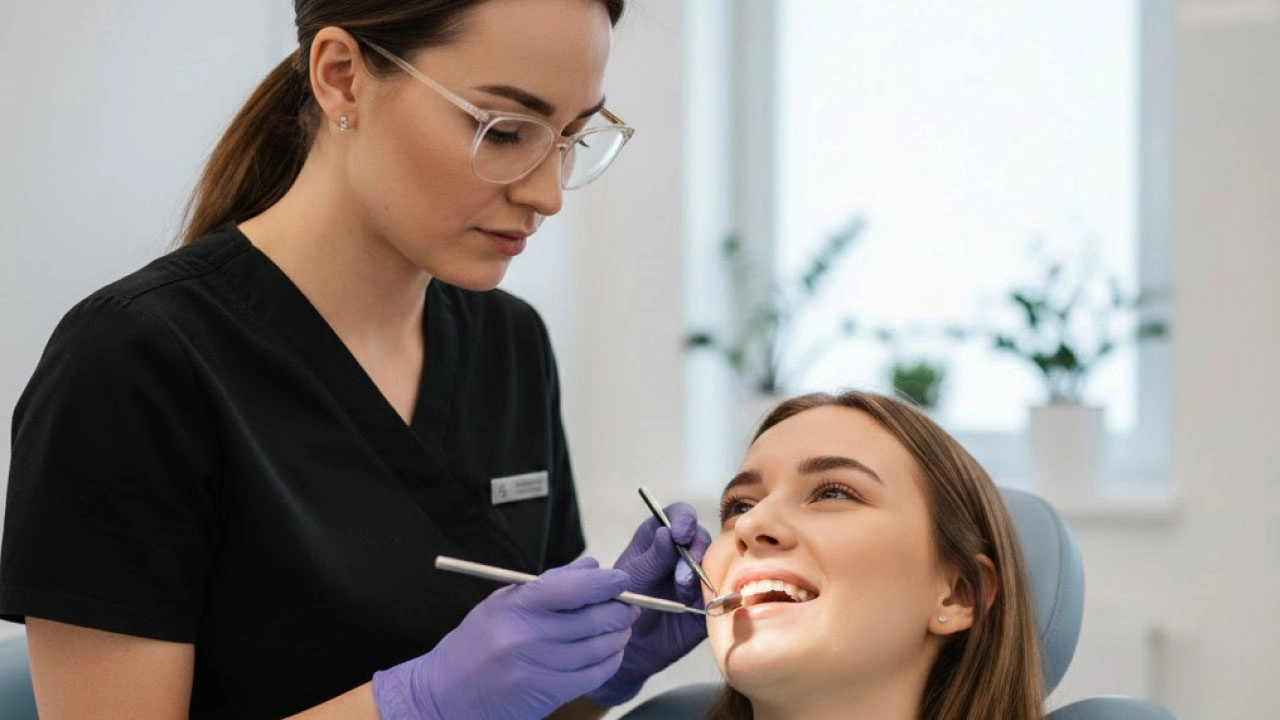
After undergoing gum graft surgery, the first week is crucial in your healing process. The gums need time to integrate the graft tissue properly, and how well you care for your gums during this time can make a significant difference in the outcome. In this article, we will guide you through what to expect one week after gum graft surgery, offer tips on managing discomfort, and provide essential information on how to care for your gums during this critical phase of healing. Understanding The Gum Graft Surgery Gum graft surgery is a common dental procedure performed to address gum recession, which can expose tooth roots and lead to increased sensitivity. During this surgery, a periodontist or gum specialist takes tissue from your mouth or a donor source and grafts it onto the area where the gum has receded. This procedure helps restore gum tissue and prevent further damage to the exposed roots of your teeth. After the surgery, the healing process begins immediately. However, the first week after gum graft is especially important for stabilizing the graft and ensuring a successful recovery. It is essential to follow post-surgical instructions carefully to minimize complications. Cleveland Clinic Gum Graft Procedure One Week Later: What to Expect The first week following your gum graft surgery is a time for your body to heal. During this time, you may experience a variety of sensations and changes in your gums. Here’s a breakdown of what you can expect: Day 1-3 After Gum Graft Procedure In the first few days following surgery, you may feel increased sensitivity and discomfort around the grafted area. This is normal as the tissue begins to settle. Swelling and bruising are also common and should start to subside by the third day. These initial symptoms are part of your body’s natural healing response, and you should rest to allow your gums to heal properly. Day 4-5 After Gum Graft Procedure As you move into days four and five, you may notice significant changes in the recovery process. Swelling and discomfort should begin to decrease, and you may start to feel a bit better. However, it is still important to stay vigilant for any unusual symptoms such as increased pain, excessive bleeding, or signs of infection like fever or pus. If any of these occur, contact your dentist immediately. Day 6-7 After Gum Graft Procedure By the time you reach day six or seven, many patients begin to feel more optimistic about their recovery. The swelling should be noticeably reduced, and the discomfort should be manageable, often with the help of over-the-counter painkillers. At this point, the grafted tissue may start to blend with your natural gums, signaling that the healing process is progressing well. One Week After Gum Graft Procedure One week after the gum graft, the tissue should be starting to integrate with your gums. You may notice some changes in the color and texture of the grafted tissue, and while some sensitivity will remain, it should be significantly less than it was in the first few days. This is a positive sign that the healing process is moving forward. Understanding the Healing Process After a Gum Graft The healing process after gum graft surgery follows a predictable pattern. Initially, a blood clot forms at the surgical site, protecting the area and allowing tissue to start regenerating. Over the following weeks, the grafted tissue begins to integrate with your natural gum tissue, and the site gradually becomes stable. During the first week after gum graft surgery, it is essential to follow care instructions closely to avoid disrupting the healing process. PMC +1 Possibility with Gum Graft Bleeding One Week Later Bleeding one week after gum graft surgery can occur, but it is usually minor and can often be managed at home. If you experience bleeding, rinse your mouth gently with salt water, avoid vigorous spitting, and consider using a moist tea bag as a compress. If excessive bleeding continues, contact your dentist immediately, as it could be a sign of a complication. Cleveland Clinic Managing Pain and Discomfort: What to Expect Pain and discomfort are common after gum graft surgery, but they should subside as the graft begins to heal. Here are some tips for managing the discomfort: Additional Tips For Pain Relief Include: Medications and Their Role in Recovery Painkillers, such as ibuprofen, are often recommended to manage discomfort and reduce swelling. Be sure to follow your dentist’s instructions regarding the dosage and frequency. Antibiotics may also be prescribed to prevent infection during the healing process. Cleveland Clinic Identifying Normal Healing Signs vs. Complications It’s important to differentiate between normal healing and potential complications. Some mild swelling and slight discomfort are expected, but you should be aware of the following complications: Normal Signs vs. Complications Common Symptoms and Signs of Healing During the first week after gum graft surgery, you may experience some common symptoms, including: When to Contact Your Dentist: Identifying Complications It’s crucial to monitor your recovery closely. Here are a few situations when you should contact your dentist: Oral Hygiene and Care for Your Gum Graft Maintaining proper oral hygiene is crucial for the success of your gum graft. Follow these guidelines for cleaning your mouth after surgery: Dietary Recommendations for Post-Gum Graft Healing Stages What you eat can greatly impact your recovery. During the first week after your gum graft surgery, it’s important to stick to a soft diet to avoid irritating the graft site. Dietary Recommendations and Foods to Avoid How Long Before I Can Eat Normally After Gum Graft? It generally takes two weeks before most patients can begin eating softer solid foods. Be sure to chew gently and avoid placing pressure on the graft area. Long-Term Care and Maintenance After a Gum Graft Surgery Long-term care is key to maintaining the results of your gum graft surgery. Be sure to: In conclusion, one week after gum graft surgery is a crucial period for healing. By following your dentist’s instructions carefully, managing
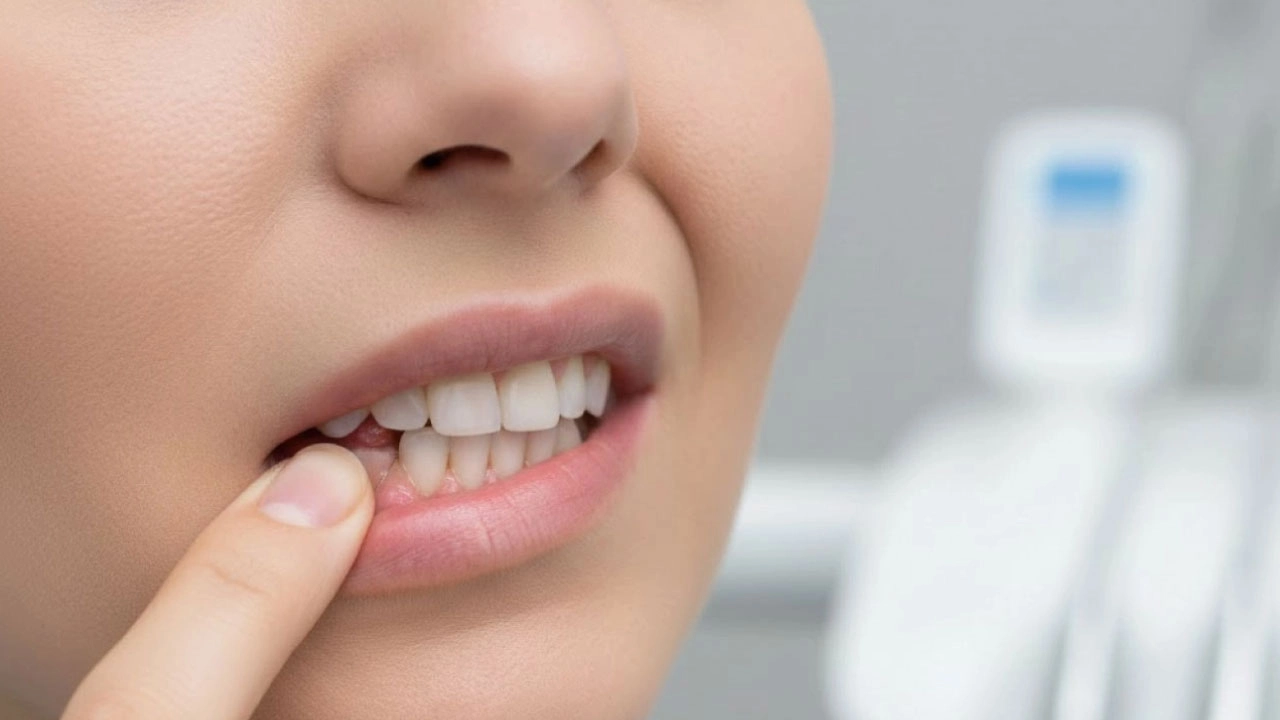
Gum Graft After 3 Weeks: What to Expect & Care Tipst
A gum graft is a common procedure to treat gum recession and protect tooth roots. After the surgery, the recovery process is critical for successful healing, and three weeks after gum graft surgery marks a pivotal stage in the healing process. By understanding what to expect and how to care for your graft, you can ensure a smooth recovery and promote long-term success. In this article, we’ll explore what you should expect three weeks after your gum graft, the common symptoms, and what to do if any complications arise. Introduction to Gum Grafting and Bone Grafting: What to Expect Post-Surgery Gum grafting and dental bone grafting are crucial dental procedures used to address gum recession or bone loss, respectively. Gum grafting typically involves taking soft tissue from the roof of your mouth or a donor and grafting it onto areas of the gums where tissue has receded. The healing process after the procedure requires careful attention to oral hygiene, diet, and activity restrictions to ensure the graft integrates successfully with the surrounding tissue. Three weeks after the procedure, your gums will have begun to heal, but the graft site is still in a delicate phase. Understanding what to expect during this time will help you manage your recovery and reduce the risk of complications. Is It Normal to Have Pain 3 Weeks After Dental Bone Graft? Some discomfort following a dental bone graft or gum graft surgery is common, but pain should decrease as the healing progresses. At the three-week mark, pain should be less intense compared to the initial days following the procedure. However, it’s important to recognize that mild discomfort may persist as the graft tissue matures and integrates with the natural gum tissue. What Causes Pain 3 Weeks Post-Dental Bone Graft? There are several factors that can contribute to pain or discomfort three weeks after dental bone graft surgery. These include: Why Does a Gum Graft Turn White? Understanding the Healing Process If you’ve noticed that your gum graft appears white after three weeks, this can be a normal part of the healing process. However, it may cause concern for some patients. Reasons for Whitening of Gum Grafts Several factors contribute to the white appearance of a gum graft during the recovery process: Normal Healing vs. Signs of Complication: What to Look For As you approach the three-week mark in your gum graft recovery, it’s important to know the difference between normal healing and potential complications. Normal Healing Indicators Signs of Complication to Watch For While some discomfort and color changes are normal, there are certain signs that may indicate complications: How to Care for Your Graft During the Recovery Period Proper care during the first three weeks after a gum graft is essential for promoting healing and preventing complications. Maintain Gentle Oral Hygiene Using a soft-bristled toothbrush, brush around the grafted area gently. Avoid brushing directly on the graft for the first few weeks to prevent disturbing the healing tissue. Your dentist may recommend antimicrobial mouthwash or saltwater rinses to reduce bacteria. Follow Dietary Guidelines During recovery, stick to a soft food diet that includes foods like smoothies, yogurt, soup, and applesauce. Avoid crunchy, hard, or spicy foods that could irritate the graft site. Stay hydrated, but avoid alcohol and sodas, which may hinder the healing process. Manage Pain and Swelling While over-the-counter pain relievers like ibuprofen can help manage pain, follow your dentist’s recommendations for dosage and frequency. Applying cold compresses to the area can also help reduce swelling in the first 48 hours. Avoid Certain Activities To support your recovery, avoid strenuous physical activity, smoking, and any other activities that could cause trauma to the graft site. These precautions will help minimize the risk of complications and ensure proper healing. Monitor Healing Keep an eye on the grafted area for any signs of infection or complications. If you notice persistent pain, unusual color changes, or swelling, reach out to your dentist for an evaluation. Rest and Recovery Adequate rest is essential during this recovery phase. Rest helps your body focus on healing and reduces the risk of complications. Avoid stress and take it easy to ensure optimal recovery. When to Consult Your Dentist: Symptoms That Shouldn’t Be Ignored If you experience any of the following symptoms three weeks after a gum graft, contact your dentist immediately: Manage Pain 3 Weeks After Dental Bone Graft Managing pain at three weeks after your dental bone graft should be less intense than during the first week. However, if pain persists or worsens, it’s important to consult your dentist to rule out any complications. Following the prescribed pain management plan, maintaining good oral hygiene, and monitoring the healing process will help minimize discomfort during recovery. FAQs How long does it take for a gum graft to heal fully? Typically, a gum graft takes around 3-6 months to fully integrate with the surrounding tissue. However, significant improvement should be noticeable after the first 3 weeks. What if my gum graft still looks white after 3 weeks? It is often normal for a gum graft to appear white as it heals. The color should gradually return to normal as blood flow to the graft improves. Can I eat solid food 3 weeks after a gum graft? By three weeks, you can usually begin reintroducing soft solid foods into your diet. Avoid hard, crunchy, or spicy foods that could irritate the grafted area. Conclusion Three weeks after your gum graft surgery, the healing process should be well underway. While mild discomfort and swelling are common, paying attention to signs of complications such as persistent pain or infection is crucial for a smooth recovery. Follow your dentist’s aftercare instructions, including maintaining gentle oral hygiene, eating soft foods, and monitoring your graft site. With proper care and regular follow-ups, your gum graft should heal successfully, restoring the health and appearance of your gums.
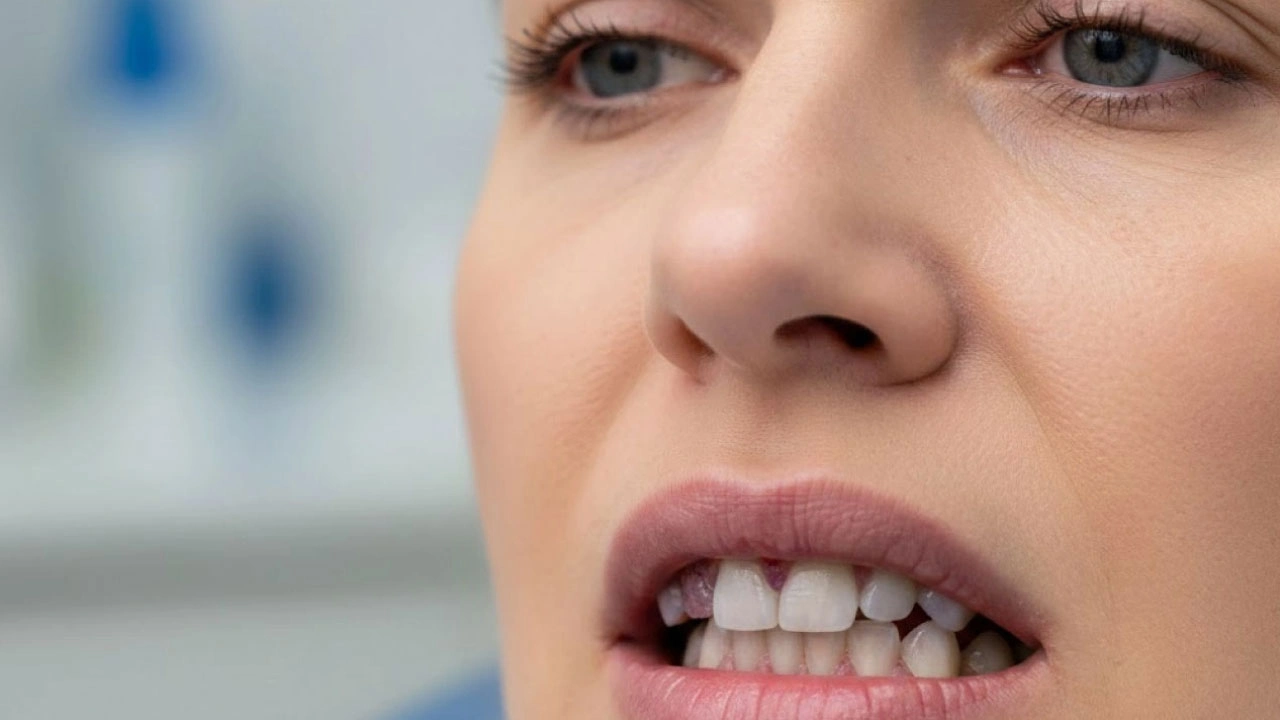
Gum Graft Failure: Signs, Causes & Prevention
If you’re asking yourself, “Is my Gum Graft Failure?”, it’s important to know that while gum grafts are generally successful, failure can still occur. Gum grafts are often performed to treat gum recession and protect exposed tooth roots. However, sometimes the graft doesn’t integrate properly, causing discomfort, pain, or other signs of failure. Recognizing these signs early on can help prevent further complications and ensure timely treatment. In this article, we’ll cover how to spot the signs of a failed gum graft, understand the reasons behind the failure, and take steps to prevent or address it. Signs of a Failed Gum Graft If your gum graft fails, there are several symptoms you may experience. These signs may include visible changes to the gums or discomfort that persists beyond the expected healing period. Here are the most common signs: Persistent Discomfort or Pain Some discomfort is normal after the surgery, but if the pain becomes constant or worsens over time, it could signal that the graft is not healing properly. Persistent pain, especially when eating or speaking, is a common sign of failure. Swelling or Inflammation While some swelling is expected, persistent swelling that doesn’t subside could indicate a problem. According to the National Institute of Dental and Craniofacial Research, prolonged inflammation after dental procedures may indicate infection or complications in the healing process. Receding Gums If your gums continue to recede after the procedure, it’s a clear sign that the graft has not been successful. A well-performed gum graft should prevent further recession. Gum Sensitivity or Bleeding Increased sensitivity or spontaneous bleeding after the healing phase could indicate graft failure. While some sensitivity is expected, it should gradually decrease, not remain persistent. Exposed Tooth Roots The goal of a gum graft is to cover exposed tooth roots. If these roots remain exposed after the surgery, it could mean the graft has failed. Lack of Gum Tissue Integration A healthy gum graft should integrate with your existing gum tissue. If the grafted tissue appears isolated or stands out as a white patch, it might indicate that the graft didn’t take. Recommended read: Gum Graft One Week Later: Healing Tips & What to Expect Persistent Gum Infection Infections that cause redness, pain, or pus at the graft site can prevent the graft from healing. If these symptoms persist, it’s likely a sign of graft failure. Reasons Why Gum Grafts Fail: Factors Hindering Healing Gum graft failure can be caused by several factors that hinder the healing process. Understanding these factors can help you take the necessary steps to prevent complications. Poor Oral Hygiene Failure to maintain proper oral hygiene after the procedure can lead to infections and prevent the graft from healing properly. Gum Disease/Infection If you have untreated gum disease, the graft may not integrate properly. The American Academy of Periodontology explains that periodontal infections can damage gum tissue and make it difficult for gum grafts to successfully attach and heal. Inadequate Blood Supply A healthy blood supply is crucial for the success of a gum graft. If the graft site doesn’t receive adequate blood flow, it may lead to necrosis (death of tissue) and graft failure. Smoking Nicotine and other chemicals in cigarettes can constrict blood vessels, reducing blood flow to the graft site. Smoking is one of the leading causes of gum graft failure. Improper/Poor Surgical Technique The success of the gum graft depends on the skill of the dental professional performing the procedure. Improper technique, such as incorrect placement or inadequate fixation of the graft, can lead to failure. Mechanical Trauma Accidental trauma or pressure on the grafted site can disrupt the healing process and cause the graft to fail. More from our blog: Gum Graft After 3 Weeks: What to Expect & Care Tipst Patient Non-Compliance Failure to follow post-surgical care instructions can contribute to graft failure. This includes not taking prescribed medications, not avoiding certain foods, or neglecting proper oral care. Systemic Health Issues Underlying health conditions, such as diabetes or autoimmune disorders, can interfere with the healing process and increase the risk of graft failure. Medication Interference Certain medications, such as immunosuppressants or anticoagulants, can impact the healing process and increase the likelihood of graft failure. Suboptimal Host Tissue Quality The quality of the gum tissue at the graft site plays a significant role in the success of the procedure. Poor tissue quality, often caused by periodontal disease or thinning gums, can increase the risk of graft failure. What To Do After Gum Graft Failure? If you suspect that your gum graft has failed, it’s essential to seek prompt treatment. Here’s what you should do: Latest articles: Why Do Gum Grafts Fail? Causes, Warning Signs & Fixes How to Minimize the Risk of Gum Graft Failure? While it’s impossible to eliminate all risks, there are steps you can take to minimize the chance of gum graft failure: What Can be Done to Prevent or Treat Gum Graft Failures? Preventing gum graft failure requires careful planning, proper execution of the procedure, and diligent post-surgical care. Here are some steps that can help: Can Nature’s Smile Help Support Gum Health? For people dealing with gum recession or recovering from gum procedures, maintaining healthy gum tissue is extremely important. Along with proper oral hygiene and regular dental visits, some people choose to support their gum care routine with natural oral health products like Natures Smile for Receding Gums. Nature’s Smile is a herbal gum balm formulated with natural plant extracts that are traditionally used to support gum health and reduce irritation. Many users report that it helps soothe sensitive gums and supports healthier gum tissue when used consistently as part of a daily oral care routine. Some potential benefits people look for when using Nature’s Smile include: While products like Nature’s Smile should not replace professional dental treatment, they may serve as a supportive addition to your oral care routine alongside brushing, flossing, and regular dental checkups. If you are experiencing gum problems or recovering from a
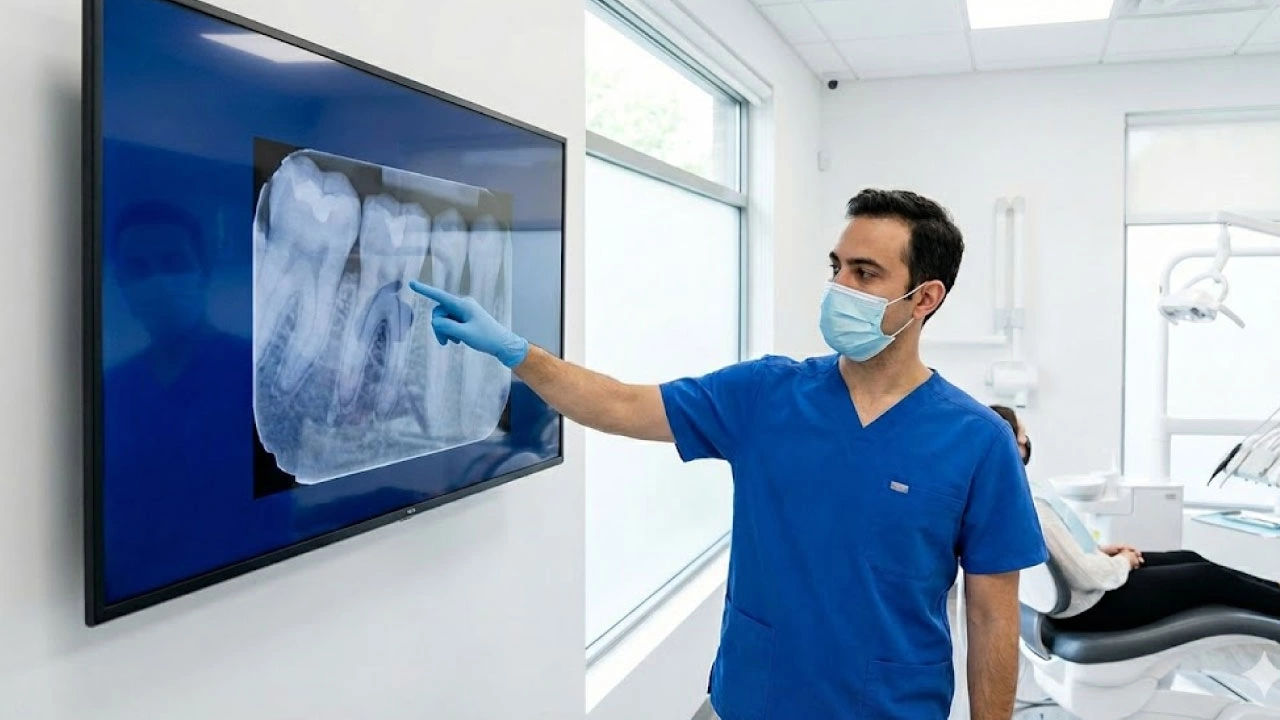
Why Do Gum Grafts Fail? Causes, Warning Signs & Fixes
Why do gum grafts fail? Gum grafts fail when grafted tissue does not establish stable blood flow, becomes infected, shifts during healing, or breaks down due to health issues or poor post-operative care. A failed gum graft often leads to continued gum recession, exposed tooth roots, pain, or infection instead of improved gum coverage. A gum graft is a surgical procedure used to treat gum recession by placing new gum tissue over exposed areas. When healing goes well, the graft blends with the existing gum line and protects the tooth roots. When healing fails, the grafted tissue may detach, shrink, or die, leading to gum graft failure (GGF). This article explains why gum grafts fail, how to recognize early warning signs, and what steps reduce long-term damage. Why Do Gum Grafts Fail? There are 9 main reasons gum grafts fail. Each reason affects blood flow, tissue stability, or infection control during the healing process. According to the National Institute of Dental and Craniofacial Research, gum disease and tissue damage can significantly affect the success of gum treatments and healing outcomes. 1. Compromised Blood Supply Grafted tissue survives only if it receives good blood flow. Reduced blood flow leads to graft necrosis and partial or complete failure. Smoking, nicotine exposure, diabetes, and surgical flap design errors reduce blood flow to the surgical site. 2. Infection at the Surgical Site Bacteria entering the wound disrupt healing and destroy grafted tissue. Signs of infection include swelling, pus, foul taste, and persistent pain infection. Poor oral hygiene and missed antibiotics increase infection risk. Related article: Gum Graft Failure: Signs, Causes & Prevention 3. Trauma or Disturbance During Healing Physical movement prevents graft attachment. Trauma includes brushing too soon, pulling lips or cheeks, chewing hard foods, or the graft feeling loose. Even small disturbances can cause graft failure. 4. Surgical Technique Errors Surgical complications such as improper graft placement, poor flap stabilization, graft thickness mismatch, or suture line disruption increase failure risk. Connective tissue grafts require precise technique to survive. The American Academy of Periodontology explains that surgical accuracy and stabilization are essential for successful gum graft integration. 5. Inadequate Post-Operative Care Skipping medications, ignoring diet restrictions, or failing follow-up visits delays healing. Soft foods such as yogurt, mashed potatoes, and smoothies reduce trauma during early healing. 6. Smoking and Nicotine Use Nicotine constricts blood vessels and reduces oxygen delivery. Smoking cessation failure remains one of the strongest predictors of failed gum graft outcomes. Related post: Gum Graft One Week Later: Healing Tips & What to Expect 7. Underlying Medical Conditions Health issues such as diabetes, vitamin D deficiency, autoimmune disorders, and delayed wound healing interfere with tissue regeneration and increase graft failure risk. Research from the American Diabetes Association shows that diabetes can negatively affect gum healing and increase infection risk. 8. Graft Material Selection Donor grafts (allografts) from a tissue bank, free gingival grafts, pedicle grafts, and connective tissue grafts heal differently. Incorrect donor source placed for the recession type raises failure rates. 9. Pre-Existing Periodontal Disease Active periodontal disease or inadequate keratinized tissue weakens graft integration and allows gum recession to continue after surgery. The World Health Organization oral health report states that untreated gum disease can compromise dental treatments and long-term oral health. How to Tell If a Gum Graft is Failing? There are 7 clear signs of a failed gum graft. Early detection allows intervention before complete graft loss. 1. Grafted Tissue Turns White or Gray Temporary whitening can be normal, but persistent white, gray, or sloughing tissue signals poor blood supply or necrosis. 2. Persistent Pain or Swelling Pain should decrease daily. Worsening pain, gum graft swelling, or throbbing indicates infection or graft rejection. 3. Gum Recession Continues If gum recession continues or worsens, the graft did not integrate. This is a common sign of graft needing revision. Read this next: Gum Graft After 3 Weeks: What to Expect & Care Tipst 4. Uneven or Irregular Gum Line A healed graft should blend smoothly. Uneven or irregular contours suggest partial graft failure. 5. Signs of Infection Pus, bad taste, odor, redness, or fever indicate bacterial infection requiring immediate care. 6. Graft Feels Loose A graft that shifts during speaking or eating has lost stabilization and blood contact. 7. Bleeding Beyond Early Healing Uncontrolled post-op bleeding after the first few days signals wound disruption. Gum Graft Failed: What Should Be Done? A failed gum graft should be evaluated immediately by a periodontist. Delayed care increases tissue loss and future surgery complexity. Step 1: Stop Mechanical Trauma Avoid touching the surgical site with the tongue, fingers, lips, or cheeks. Eat only soft foods and avoid chewing near the graft. Step 2: Control Infection Take prescribed antibiotics and anti-inflammatories exactly as directed. Rinse gently with salt water unless told otherwise by the dentist. Step 3: Schedule a Consultation A periodontist will assess blood flow, graft stability, and infection. At Commonwealth Periodontics and Implant Center in London and Somerset, KY, the periodontal team evaluates whether the graft can be salvaged or needs revision surgery. Step 4: Allow Healing or Plan Revision Surgery Some failed gum grafts recover with conservative care. Others require revision surgery using a different graft type or donor source. Step 5: Address Root Causes Smoking cessation, improved oral hygiene, diabetes control, and periodontal maintenance reduce repeat failures. Gum grafts fail when healing biology, surgical technique, and patient care fall out of alignment. Early signs such as persistent pain, infection, loose tissue, or ongoing gum recession should never be ignored. With timely evaluation, most gum graft complications can be corrected, protecting gum tissue, tooth roots, and long-term oral health.
Gum Graft Healing and Failure: Timeline, Signs, and Prevention
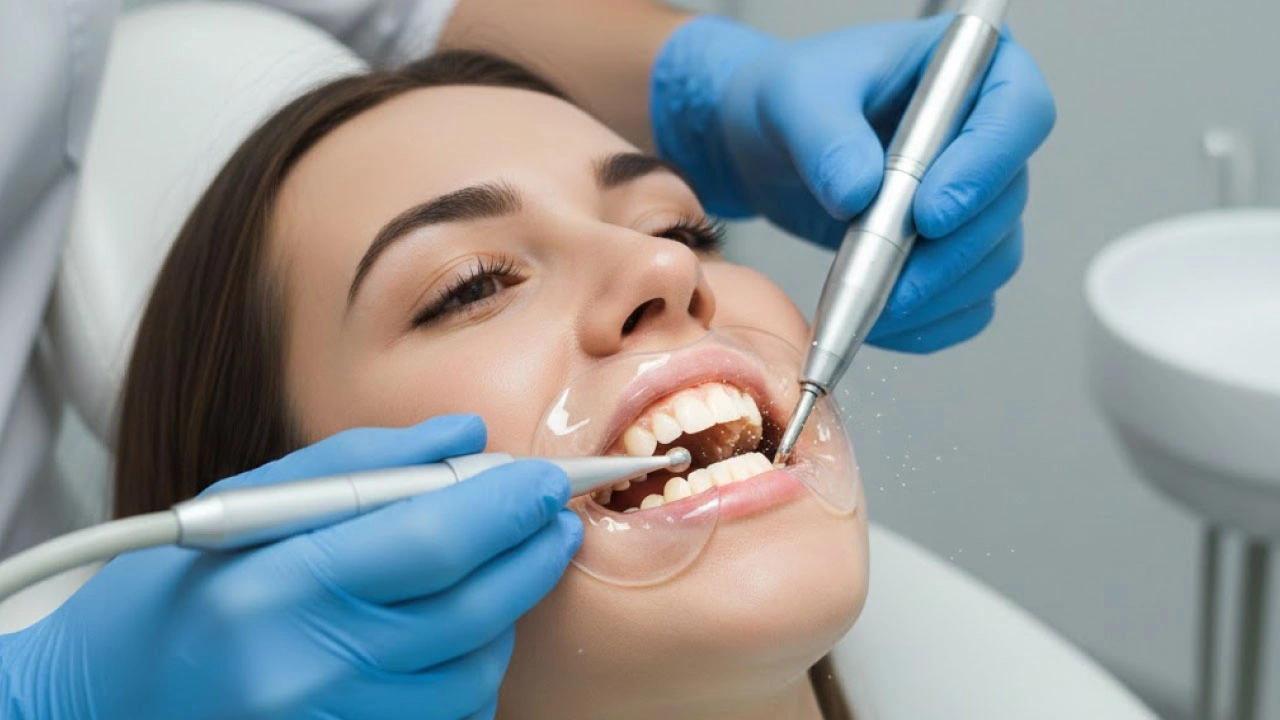
Gum graft healing and failure describe how transplanted gum tissue attaches, survives, and protects exposed tooth roots after gum grafting surgery, or how the graft breaks down when blood supply, stability, or aftercare fails. Gum grafts restore healthy gum tissue, reduce tooth sensitivity, protect tooth roots, and stop gum tissue from receding further. Healing depends on graft type, surgical technique, blood supply, and patient compliance, while failure occurs when revascularization, epithelialization, or stabilization is disrupted. Gum Grafts Gum grafts are periodontal plastic surgery procedures used to treat gum recession and exposed tooth roots. A periodontist places healthy gum tissue over areas where the gum line has receded to restore protection and improve oral health. Gum grafting treats gum recession caused by aggressive brushing, periodontal disease, teeth grinding, smoking, and genetic thin gum tissue. What Is a Gum Graft? According to the American Academy of Periodontology (AAP) A gum graft is a surgical procedure where a periodontist harvests tissue from the roof of your mouth or connective tissue underneath and attaches it to a recession site. The goal is root coverage and reinforcement of the gum line. Common gum graft types include: Why You Need a Gum Graft You need a gum graft when gum tissue recedes and exposes tooth roots. Exposed roots increase tooth sensitivity, decay risk, and bone loss. There are 4 main reasons for gum grafting: Untreated gum recession leads to irreversible periodontal damage. Gum recession and exposed tooth roots are commonly linked to periodontal disease, as explained by Mayo Clinic’s oral health guidelines. Gum Graft Surgery and Procedure – Step by Step Gum grafting surgery follows a defined clinical sequence. Step-by-step gum grafting procedure: The procedure lasts 60–120 minutes, depending on graft type and number of teeth. Gum Graft Recovery Initial gum graft recovery takes 7–14 days, while full tissue maturation takes 4–12 weeks. During recovery: Avoid brushing the surgical site until cleared by a periodontist. Gum Graft Healing Stages and Recovery Gum graft healing follows predictable biological phases driven by angiogenesis and fibroblast activity. Gum graft healing timeline: Delayed revascularization increases gum graft failure risk. Gum Graft Before and After Before gum grafting, tooth roots are exposed and gum tissue is thin. After successful healing, the gum line thickens, root coverage improves, and tooth sensitivity decreases. Long-term success depends on oral hygiene, brushing technique, and lifestyle habits. Gum Graft Cost Gum graft cost depends on graft type and complexity. Average gum graft cost: Insurance coverage varies and often requires medical necessity documentation. How Often Do Gum Grafts Fail and Succeed? Gum graft success rates range from 85% to 95%, while gum graft failure occurs in a small percentage of cases when biological or mechanical factors interfere with healing. Can Gum Grafts Fail? Yes, gum grafts can fail. Failure occurs when the graft loses blood supply, becomes infected, or detaches before integration. Gum graft failure is uncommon when performed by an experienced periodontist and followed by proper aftercare. Why Do Gum Grafts Fail? Loss of blood supply and delayed healing are recognized causes of surgical graft failure, according to MedlinePlus, a service of the U.S. National Library of Medicine. There are 5 main reasons gum grafts fail. Degree of Gum Recession Advanced recession with loss of tissue between teeth reduces complete root coverage potential. Severe defects limit vascular support and increase graft necrosis risk. Oral Hygiene and Lifestyle Poor oral hygiene, aggressive brushing, and dietary habits disrupt healing. Plaque accumulation triggers localized inflammation cascades that compromise graft survival. Teeth Grinding Bruxism creates micro-movement at the graft site. Night guard use reduces mechanical stress and protects graft stabilization. Smoking Smoking restricts blood flow and delays angiogenesis. Smoker’s graft prognosis is significantly lower due to compromised vascular supply. Quality of the Gum Grafting Procedure Inadequate flap design, poor suture stabilization, and improper graft thickness lead to connective tissue necrosis and premature graft exfoliation. Signs of Gum Graft Failure There are 6 clear signs of gum graft failure: Immediate periodontal evaluation is required. Treat and Avoid Gum Graft Failure with Periodontal Associates Periodontal Associates use advanced periodontal plastic surgery techniques to reduce gum graft failure risk. Precision flap design, graft stabilization, and postoperative infection control improve clinical outcomes. Book Your Consultation If you are concerned about gum recession or gum graft healing, schedule a consultation with a board-certified periodontist. They can evaluate your specific case, discuss your risk factors, and create a personalized treatment plan to ensure the best possible outcome for your oral health. Early assessment improves success rates and prevents progressive gum recession. Taking Care of Your Gums to Avoid Gum Grafts There are 6 ways to protect gum health: Preventive care reduces the need for gum grafting surgery. FAQs How long does gum graft healing take?Initial healing takes 2 weeks, full healing takes up to 12 weeks. What does a failed gum graft look like?A failed gum graft often appears as a large, non-pink patch of white or gray tissue that may eventually detach from the tooth. Is gum graft failure painful?Yes, failure often causes persistent pain and inflammation. Can a failed gum graft be redone?Yes, revision grafting is possible after tissue stabilization. End Note Gum graft healing and failure depend on how well the graft is placed, how quickly it establishes blood supply, and how carefully post-surgical instructions are followed. While most gum grafts heal successfully and provide long-term protection against further gum recession, failure can occur when factors like smoking, poor oral hygiene, teeth grinding, or delayed healing interfere with recovery. Understanding the healing timeline, recognizing early warning signs of failure, and committing to proper aftercare significantly improve success rates. With timely professional guidance and preventive gum care, patients can protect their results, maintain healthy gum tissue, and reduce the likelihood of needing additional periodontal treatment in the future.