

People search “which celebrity has bad breath” for the same reason they search any celebrity rumor: curiosity. But bad breath is a health symptom, not a personality trait, and online claims about real people are usually unverified. A better question is: what causes bad breath, how can it be treated fast, and when does it point to a medical issue? This guide answers that clearly. Why “celebrity bad breath” rumors spread so fast Bad-breath talk spreads easily because it’s: If you see a post claiming a specific celebrity has bad breath, treat it like any other unverified claim about a person’s health: it’s not reliable without real evidence, and real evidence usually isn’t public. What bad breath actually is? Bad breath (halitosis) is an unpleasant odor from the mouth. It can be temporary (morning breath) or persistent (ongoing for weeks). The smell often comes from bacteria breaking down proteins in the mouth, releasing volatile sulfur compounds (VSCs). Quick reality check The most common causes of bad breath Bad breath usually comes from one of these sources: 1) Tongue coating The tongue’s surface traps bacteria, food debris, and dead cells. A white or yellow coating can create strong odor. Clue: breath improves right after brushing, then returns quickly. 2) Gum disease (gingivitis/periodontitis) Inflamed gums and deep pockets hold bacteria and trapped debris. This can create a persistent, “foul” smell. Clue: bleeding gums, gum tenderness, loose teeth, or bad taste. 3) Dry mouth (xerostomia) Saliva cleans the mouth. Low saliva lets odor build up. Dry mouth can be caused by: Clue: breath worse after long talking, waking up, or stress. 4) Food and drink Onion, garlic, alcohol, and coffee can leave odor for hours. Some smells come from compounds absorbed into the bloodstream and released through the lungs. Clue: odor is strongest after certain meals and fades in a day. 5) Tonsil stones (tonsilloliths) Small, smelly plugs in tonsil crypts can cause intense odor. Clue: frequent sore throat, visible white lumps, or strong odor despite good brushing. 6) Smoking and tobacco products Tobacco dries the mouth, irritates gums, and leaves lingering smell. 7) Dental problems Cavities, infected teeth, old fillings, and food trapped in broken teeth can smell bad. Clue: one area of the mouth feels “off,” sensitive, or painful. 8) Medical causes (less common, but important) Sometimes bad breath is linked to: Clue: breath change plus other symptoms (fever, chronic cough, heartburn, weight loss). Can you tell if you have bad breath? Most people can’t accurately smell their own breath. Try these: If odor is persistent for 2–3 weeks, it’s time to look for a cause, not just cover it up. The fastest ways to fix bad breath today If you need a same-day improvement: Step 1: Clean the tongue Use a tongue scraper from back to front, 5–10 passes. Step 2: Brush and floss thoroughly Focus on the gum line and between teeth. Step 3: Hydrate and stimulate saliva Drink water. Chew sugar-free gum (xylitol is a good option). Step 4: Use the right mouthwash Pick based on the problem: Step 5: Check “hidden” sources Long-term solutions that actually work If you want lasting results, focus on the cause. Improve your daily routine (simple, effective) Fix gum disease early Professional cleaning and a dental exam can identify gum pockets and tartar that home care can’t remove. Manage dry mouth Adjust diet if odor is frequent When to see a dentist or doctor Get checked if: A dentist can rule out the most common causes quickly. So… which celebrity has bad breath? There’s no reliable, ethical way to answer that as a factual claim about real people. What you can take from the trend is this: bad breath is common, often caused by tongue coating, gum disease, or dry mouth, and it’s usually treatable with the right steps. If you’re worried about your own breath, you can solve it with a targeted routine and a checkup.
Is It Bad to Brush Your Teeth Too Much? Signs You’re Overbrushing
Brushing your teeth is essential for a healthy smile, but is it bad to brush your teeth too much? Overbrushing—whether using too much force, brushing too often, or using abrasive toothpaste—can harm your enamel, gums, and overall oral health. While brushing helps remove plaque and bacteria, excessive brushing can lead to enamel erosion, gum recession, tooth sensitivity, and even damage to tooth structure. Understanding the risks, recognizing the signs, and adopting proper brushing habits are key to protecting your teeth and maintaining a healthy smile. How to Keep Your Teeth Safe and Healthy? To keep your teeth safe and healthy, brush twice daily for 2 minutes each time using a soft-bristled toothbrush and Fluoride toothpaste. The American Dental Association (ADA), the World Health Organization (WHO), and the National Institute of Dental and Craniofacial Research (NIDCR) recommend brushing twice daily to remove plaque and reduce bacteria buildup. Brushing frequency matters. More brushing does not mean better oral hygiene. Gentle pressure protects enamel and gum tissue while still cleaning the Tooth surface effectively. What is Overbrushing? Overbrushing is brushing too often, too hard, or too long. Over brushing teeth can involve: This aggressive brushing style leads to tooth abrasion and gum recession brushing patterns. Damage from brushing too much develops slowly but becomes permanent. The Dangers of Overbrushing There are 5 main oral health problems linked to excessive brushing: When enamel is eroded, the protective outer layer becomes thinner. Once enamel erosion occurs, it does not grow back. Enamel Erosion Enamel erosion occurs when the outer layer of the Tooth wears away due to friction. Brushing too often with abrasive toothpaste increases Enamel Erosion Risk. When enamel is eroded: Tooth enamel erosion exposes dentinal tubules, leading to Dentinal Tubule Exposure and pain when eating red or yellow acidic foods. Gum Recession Gum Recession happens when gum tissue pulls away from the Tooth. Gum recession brushing damage exposes cementum, the softer root covering beneath enamel. When gums recede: Receding gums do not grow back naturally. Severe cases require gum grafting or gum grafting surgery performed by dental professionals. Damage to Tooth Structure Damage to Tooth Structure includes grooves near the gumline, cracks, and thinning enamel. Tooth wear acceleration weakens the structure and increases Restoration Damage Potential if fillings or crowns are present. Long brushing with high pressure can cause micro-fractures. These weaken the Tooth over time. Symptoms of Overbrushing There are 7 common over brushing symptoms: Tooth Sensitivity Increase often appears first. Pain may occur with cold foods, hot foods, or sweet drinks. Signs You May Be Overbrushing Signs over brushing include: If your toothbrush bristles flare outward within weeks, pressure is too strong. How to Avoid Overbrushing? To avoid over brushing, adjust pressure, tools, and routine. Use the Right Technique Hold the Toothbrush at a 45-degree angle toward the gumline. Use small circular motions. Brush gently for 2 minutes (120 seconds). Brushing technique matters more than force. Brush after meals, if needed, but wait 30 minutes after acidic foods or vomiting. Post-Acidic Food Brushing increases enamel thinning hazards. Choose the Right Tools Use a soft-bristled toothbrush. Electric toothbrushes with pressure sensors reduce aggressive brushing style. Brands such as Procter & Gamble (Crest & Oral-B), Colgate-Palmolive, and Unilever (Pepsodent) offer options with soft bristles. Use Fluoride toothpaste instead of abrasive paste overuse products. Avoid harsh whitening formulas. Stick to a Moderate Routine Brush twice daily. Do not brush 4 or 5 times a day unless directed by a dentist. Floss once daily. Use mouthwash to support microbial balance without mechanical damage. Brushing duration excessive beyond 2–3 minutes increases risk. When to Seek Professional Help Seek Dental Professional Guidance if you notice gum recession, tooth sensitivity, or visible grooves. Dentists may apply fluoride varnish to strengthen enamel. Severe Gum Recession may require gum grafting surgery. Clinics such as Northeast Dental Arts or oral care brands like PerforaCare often educate patients on healthy brushing routine techniques. Preventive Measures There are 6 preventive care steps: Preventive Care protects against Gingivitis and Periodontitis while avoiding tooth abrasion. The Role of Dental Professionals in Managing Overbrushed Teeth Dental professionals manage over brushing damage in 4 ways: Dentists and doctors trained in oral health diagnose brushing enamel damage early. Early intervention prevents tooth decay and long-term damage. Frequently Asked Questions about Overbrushing What happens if you brush too much? Brushing too much causes enamel erosion, gum recession, and tooth sensitivity. Excessive brushing damages gum tissue and weakens tooth structure. What damage can be caused by bad brushing? Bad brushing can cause tooth enamel damage, gum damage, bleeding gums, cavities, and dentinal tubule exposure. What if I brush my teeth 5 times a day? Brushing 5 times a day can harm your teeth. It increases enamel erosion risk and gum recession potential. Brush twice daily unless a dentist advises otherwise. How often should I visit my dentist? Visit your dentist every 6 months for Regular checkups. Some patients require visits every 3–4 months based on oral health condition. Conclusion Yes, it is bad to brush your teeth too much. The risks of overbrushing include enamel erosion, gum recession, tooth sensitivity, and long-term damage to tooth structure. Brushing habits must balance plaque removal and gum protection. Enamel is eroded permanently once lost, and gum tissue does not grow back easily. A healthy brushing routine protects oral health without causing harm your teeth.
Can You Brush Your Teeth Too Much? Warning Signs & Expert Advice
Yes, brushing your teeth too much can damage teeth and gums. Overbrushing usually means brushing too often, brushing too hard, brushing for too long, or using a hard-bristled brush or abrasive toothpaste. This combination can cause tooth enamel erosion, toothbrush abrasion near the gum line, gum recession, tooth sensitivity, and abrasion cavities (cervical lesions). When people ask, “does brushing your teeth too much damage them”, the safest answer is: brushing is essential for oral care and preventive dentistry, but brushing beyond what the enamel layer and gum tissue can tolerate can harm your teeth over time. Most people do best with two minutes, twice a day using a soft-bristled toothbrush and fluoride toothpaste, then supporting plaque removal with flossing and other oral hygiene habits. Understanding the Risks of Overbrushing Overbrushing (Overbrushing) is a mechanical problem: toothbrush bristles plus toothpaste friction can wear down the tooth enamel and irritate gum tissue when the pressure, duration, or frequency is too high. The American Dental Association (ADA) guidance many dentists use is straightforward: brush twice a day for two minutes with soft bristles, and replace the brush about every three to four months. The World Health Organization (WHO) also emphasizes prevention and oral health promotion at population level, which aligns with keeping daily oral hygiene effective but not aggressive. Warning Signs You’re Brushing Too Much There are 8 common warning signs of brushing too much: How Overbrushing Damages Your Teeth and Gums? Overbrushing can harm your teeth in 3 main ways: A post from Brush & Floss Office dated 8/1/2024 highlights the same core problems: enamel wear, gum recession, and worn toothbrush bristles when brushing is too long or too forceful. Tooth Enamel Erosion Tooth enamel erosion (Tooth Enamel Erosion) becomes a bigger risk when brushing happens under “high-wear” conditions: Enamel loss is irreversible enamel loss. The body cannot regrow the enamel layer once it is worn away. Gum Recession Gum recession (Gum recession / Gingival Recession) is the gum tissue pulling back from the tooth surface, exposing roots (roots). Exposed roots can trigger dentin hypersensitivity (Dentin hypersensitivity trigger) and increase the risk of root cavities and tooth loss if gum disease (periodontal disease) progresses. Gum recession also makes plaque removal harder at the gum line, because the contour changes and plaque and bacteria collect in new spots. Worn Toothbrush Bristles Worn toothbrush bristles (toothbrush bristles) are both a sign and a cause of overbrushing problems: Proper Brushing Technique for Optimal Oral Health Proper brushing technique protects oral health while still helping remove plaque bacteria. These 6 technique points reduce brushing induced erosion and marginal gingiva trauma: How to Brush Your Teeth Properly? To brush your teeth properly, follow this simple sequence: The Right Brushing Frequency For most people, the right brushing frequency is twice a day (twice a day), two minutes each time. This level is strongly tied to plaque removal and cavities prevention without pushing mechanical wear too far. If brushing more than twice daily is needed (for example, braces or high cavity risk), focus on gentle technique and avoid brushing right after acidic foods. Your dentist can set a safe schedule that fits individual risk factors. Choosing the Right Dental Products Dental products can reduce or increase toothbrush abrasion depending on bristles, toothpaste abrasiveness, and how the product is used. Brands vary in texture and abrasivity. People commonly rotate products from Procter & Gamble (Crest/Oral-B) and Colgate-Palmolive, so it helps to pick options that match sensitivity level and recession risk. When Overbrushing Requires Professional Treatment See a dentist (dentist / dentists) when overbrushing signs persist for more than 2 weeks or when pain is sharp and frequent. A dentist may recommend: Breaking the Overbrushing Habit Breaking over brushing teeth patterns is mostly behavior + tools. These 7 changes work well: The Role of Other Oral Hygiene Practices Oral hygiene (Oral Hygiene) works best as a set, not as extra brushing sessions. Diet and Its Impact on Brushing Safety Diet changes enamel vulnerability. Acidic items raise dental erosion (Dental Erosion) risk and make brushing induced erosion more likely when brushing happens too soon after eating or drinking. Common acidic triggers include citrus, sodas, sports drinks, tomatoes, vinegar-based foods, and coffee. After acidic intake, rinse with water and wait at least 30 minutes before brushing your teeth. Understanding Individual Risk Factors Individual risk factors decide how quickly damage shows up from brushing too much: The Psychological Aspect of Overbrushing Some people overbrush because of anxiety, fear of cavities, or compulsive oral care habits. The pattern can look like brushing repeatedly to feel “clean,” even when gums bleed or tooth sensitivity is increasing. When overzealous oral hygiene feels hard to stop, it helps to set a fixed routine (two minutes, twice a day), use a pressure-sensor brush, and ask a dentist to confirm that the routine is adequate. Professional reassurance reduces the urge to “keep brushing.” FAQ Section Can overbrushing cause cavities? Yes, overbrushing can cause cavities indirectly. Toothbrush abrasion and tooth enamel erosion can expose the dentin layer, and dentin is less resistant than enamel. Gum recession can also expose roots, which are more vulnerable to root cavities. How do I know if I’m brushing too hard? You are brushing too hard when toothbrush bristles splay quickly, gums bleed or stay irritated, tooth sensitivity increases, or notching at the gum line appears. A soft-bristled toothbrush and pressure-sensor electric brush can help retrain brushing pressure control. Will my gums grow back after overbrushing? No, gums usually do not grow back to the original level after gum recession caused by mechanical trauma. Stopping overbrushing can prevent more loss, and dentists can treat advanced recession with periodontal procedures such as grafting when needed. Is an electric toothbrush better for preventing overbrushing? Yes, an electric toothbrush can be better for preventing overbrushing when it has a pressure sensor and a built-in timer. Manual brushing can still be safe and effective when pressure is light and time is limited to two minutes. Can whitening toothpaste damage

Brushing Teeth with Baking Soda: Safe or Not?
Brushing your teeth with baking soda is a simple, low-cost method to help clean your teeth, reduce plaque, and whiten them naturally. Baking soda, also known as sodium bicarbonate, works by neutralizing acids in your mouth, disrupting biofilms, and gently polishing the surface of your teeth. While it can be effective for certain dental hygiene needs, it doesn’t provide fluoride, which is essential for cavity prevention. Understanding how baking soda works, its benefits, and the best way to use it can help you decide if it’s right for your oral care routine. Does baking soda work as a toothpaste? Yes, baking soda can work as a toothpaste. Its mildly abrasive properties help clean your teeth, remove surface stains, and reduce plaque and gingivitis. Sodium bicarbonate is effective at raising the pH in your mouth, creating a less acidic environment where cavity-causing bacteria struggle to thrive. While it doesn’t provide fluoride, toothpastes containing baking soda offer additional antibacterial properties that can help support oral health. Is It Safe to Brush Your Teeth With Baking Soda? Brushing with baking soda is generally safe when done occasionally and gently. Baking soda’s mild abrasive nature can polish teeth without causing significant enamel erosion if used correctly. However, excessive or aggressive brushing may damage tooth enamel and irritate your gums. For people with braces, permanent retainers, or dental restorations, using a baking soda paste directly can weaken adhesives and damage porcelain crowns. Baking Soda for Teeth Whitening Baking soda is known for its natural whitening properties. It can remove surface stains caused by coffee, tea, and tobacco through its gentle abrasive action. This makes it a popular ingredient in many commercial whitening toothpastes. Baking Soda for Plaque Removal Baking soda disrupts biofilms, which are colonies of bacteria that attach to your teeth as plaque. By brushing with a baking soda paste, you can remove plaque more effectively than brushing with non-baking soda toothpaste alone. Its ability to neutralize acids further helps prevent enamel erosion and cavity formation. The Best Way to Use Baking Soda for Dental Health The safest way to enjoy baking soda’s benefits is by using a toothpaste that contains it. These formulations balance its cleaning power with fluoride to protect tooth enamel and prevent cavities. When making a homemade baking soda paste, mix equal parts baking soda and water, brush gently in circular motions for one to two minutes, and rinse thoroughly. What are the pros and cons? Baking soda offers several advantages for oral health but also comes with limitations. Understanding both sides will help you use it safely and effectively. Advantages Reduces plaque and gingivitis Baking soda disrupts bacterial biofilms, lowering the bacteria count on your teeth. This helps reduce plaque accumulation and prevents gingivitis. May reduce bacteria By raising the pH in your mouth, baking soda creates a less acidic environment. A 2017 study found that this can make it harder for cavity-causing bacteria to thrive. Whitens teeth Its mild abrasive action removes surface stains, providing natural teeth whitening without harsh chemicals. Is a fluoride-free option Baking soda is an alternative for those who prefer to avoid fluoride, though it should not fully replace fluoride toothpaste for long-term cavity prevention. Is inexpensive Baking soda is widely available in grocery stores, drugstores, and big-box retailers at a fraction of the cost of commercial toothpastes. Disadvantages Unappealing taste and texture Straight baking soda has a salty taste and gritty texture that many find unpleasant. Less dramatic whitening While effective at surface stain removal, baking soda may not provide the same whitening results as products with hydrogen peroxide or microbead abrasives. Lack of fluoride Without fluoride, baking soda cannot provide the cavity protection that many fluoride toothpastes offer. How to use it to clean your teeth Instructions Avoid adding acidic ingredients like lemon juice or apple cider vinegar, which can erode tooth enamel and increase cavity risk. For better taste, you can add a drop of peppermint oil. What about toothpastes that contain baking soda? Baking soda toothpaste combines sodium bicarbonate and fluoride. Many formulas provide stain removal plus cavity protection. Studies show toothpastes containing baking soda are more effective at removing plaque than those without it. Choose a toothpaste with the ADA Seal of Acceptance from the American Dental Association (ADA). Dentists recommend this option for balanced dental hygiene. What else works for teeth whitening? There are 4 common whitening options: Avoid brushing with lemon peel, lemon juice, or apple cider vinegar. These acids weaken tooth enamel and increase dental erosion risk. The bottom line Baking soda is an affordable, accessible, and effective teeth cleanser. Its mildly abrasive properties and pH-neutralizing action make it useful for whitening teeth and removing plaque. However, it lacks fluoride, so it’s best used in moderation or alongside fluoride toothpaste. Brushing gently, monitoring enamel health, and consulting your dentist can help you maximize benefits while minimizing risks. Baking soda can work well as part of your dental hygiene routine, but it should complement, not fully replace, standard toothpaste for optimal dental health.
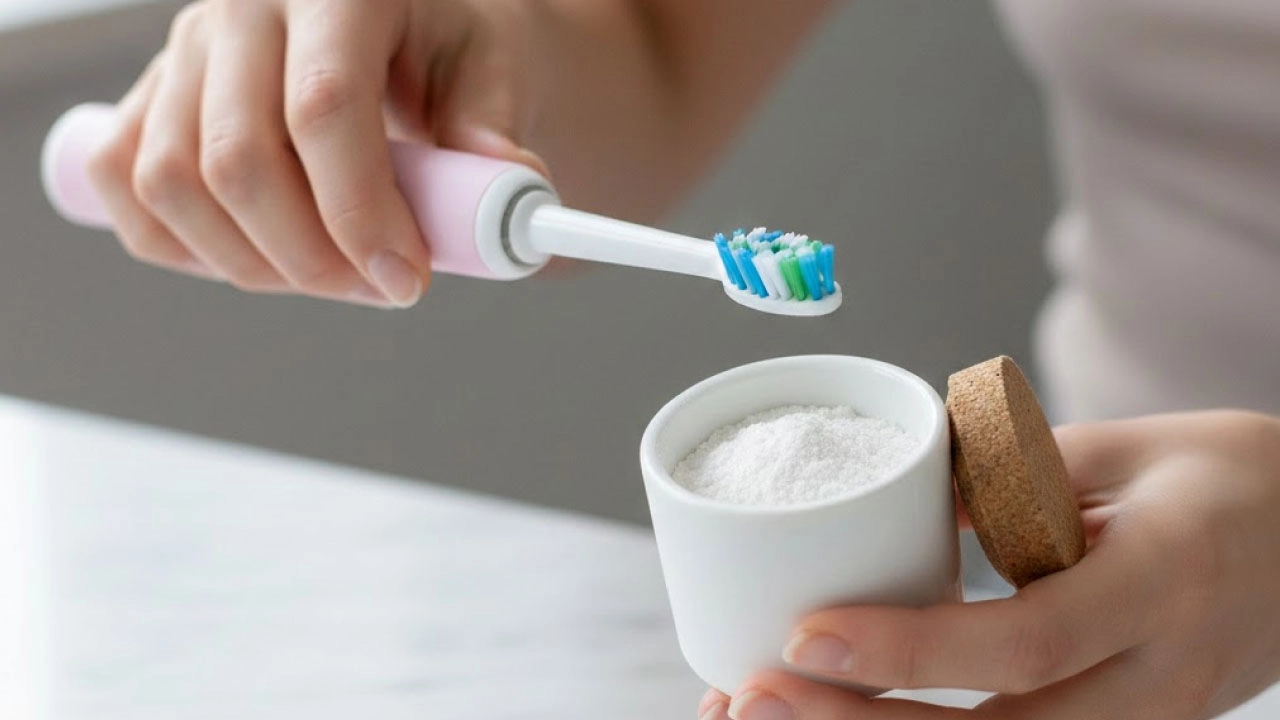
Does Baking Soda Remove Enamel from Teeth? Shocking Truth Revealed
Baking soda Remove, also known as sodium bicarbonate, is a popular home remedy many use for whitening teeth. Its mild abrasive properties can help remove surface stains caused by coffee, tea, or smoking, giving teeth a cleaner appearance. However, a common question arises: does baking soda remove enamel from teeth? While it can polish the tooth surface, excessive or improper use may wear down enamel, the protective outer layer of teeth, leading to sensitivity and higher risk of cavities. This guide explores the benefits, risks, and safe practices of using baking soda for dental care, helping you make informed choices for your oral health. What is Baking Soda Remove? Baking Soda is sodium bicarbonate, a white mineral powder with an alkaline nature. In the mouth, the alkaline pH level can help neutralize acids created after eating and drinking. Baking soda is also a mild abrasive compound, which means it can scrub away surface stains and plaque on the outer surface of teeth. Why Bother With Teeth Whitening? People whiten teeth for three common reasons: Teeth whitening is mostly about stain management. Some discoloration comes from the dentin under enamel, so surface cleaning cannot change every shade issue. Baking Soda for Teeth Whitening: Myth or Reality? Reality with limits. Baking soda can help with whitening teeth by removing light surface stains. Baking soda cannot change the natural color of dentin and cannot bleach deep discoloration the way hydrogen peroxide gels can. So the honest answer to “does baking soda remove enamel from teeth” is: baking soda can contribute to enamel wear if used too often or too aggressively, even though it can also remove stains from the surface. Does Brushing With Baking Soda Whiten Teeth? Yes, brushing with baking soda can whiten teeth slightly by polishing away surface stains. The whitening effect is usually subtle. The main change is that stains from coffee, tea, and smoking look lighter after repeated use. How Fast Does Baking Soda Whiten Teeth? Baking soda does not deliver instant whitening. Most people notice changes after several weeks of consistent, careful use. Results depend on: The Risks Associated with Brushing with Baking Soda Remove Baking soda benefits exist, but the potential drawbacks matter: Can Brushing with Baking Soda Damage the Teeth? Yes, brushing with baking soda can damage teeth if used too often, used with force, or used as a replacement for fluoride toothpaste. Damage usually comes from abrasion plus technique, not from baking soda being “acidic.” Baking soda is alkaline. Enamel Erosion Enamel is the protective outer layer. It does not grow back. Baking soda can contribute to enamel abrasion when: When enamel gets thinner, teeth can look more yellow because dentin shows through more clearly. Tooth Sensitivity Sensitivity can increase when enamel thins or when dentin becomes exposed. Common triggers include cold water, hot drinks, and air. Baking soda can worsen sensitivity if abrasion continues. Gum and Tissue Irritation Baking soda can irritate gum tissue if scrubbing is rough or if the powder is used straight without enough water. Some people also notice mild irritation from the gritty texture on cheeks and gums. False Sense of Cleanliness Baking soda can leave teeth feeling smooth. Smooth does not equal “protected.” If baking soda replaces fluoride toothpaste, the routine loses a key cavity-defense step. How Often Should I Use Baking Soda To Whiten My Teeth? A practical, safer approach is occasional use, not a daily baking soda routine. If a person wants baking soda regularly, using a commercial toothpaste that contains baking soda and fluoride is usually safer than brushing with straight powder, because the formula is designed for daily oral hygiene and is tested for abrasivity (often discussed using Relative Dentin Abrasivity (RDA) values). Is It Safe to Whiten Teeth With Baking Soda? It can be safe for many adults when used occasionally, with gentle pressure, and not used as a replacement for fluoride toothpaste. It is less suitable if there is: Best Practices for Using Baking Soda Remove Use a method that limits abrasion and protects oral health: Avoid mixing baking soda with highly acidic ingredients. Oral acids increase dental erosion risk. What Does Baking Soda Taste Like When Brushing Teeth? Baking soda usually tastes salty and alkaline, with a gritty texture. It does not have minty freshness like toothpaste unless mixed with flavored toothpaste. The taste is a common reason people stop using it consistently. Is It Better to Use Baking Soda Rather Than Toothpaste? No, baking soda is not better than toothpaste for daily dental care. Toothpaste is built for oral hygiene. Fluoride toothpaste supports enamel strength and helps reduce cavities. Baking soda alone does not provide fluoride. A better plan is: Safe Alternatives to Baking Soda for Teeth Whitening If whitening teeth is the goal, these options protect enamel better for many people. Professional Dental Cleanings A hygienist can remove plaque and surface stains safely. Professional polishing can often give a noticeable brightness lift without repeated home abrasion. Whitening Trays and Gels Dentist-supervised trays and gels (often using hydrogen peroxide or carbamide peroxide) can improve deeper discoloration more reliably than baking soda Remove. This approach is also more predictable for long-term whitening. Healthy Habits and Diet Daily habits matter for stain control: Consult Your Dentist Ask a dentist before starting baking soda whitening if there is sensitivity, gum recession, visible enamel thinning, or lots of crowns and fillings. A dentist can guide the safest plan and help match whitening goals to oral health. Key Takeaways Conclusion Baking soda can be effective at removing light surface stains and neutralizing oral acids, but it is not without risks. Overuse can cause enamel erosion, tooth sensitivity, and gum irritation, making teeth more vulnerable to damage. For safe teeth whitening, use baking soda sparingly, brush gently, and continue using fluoride toothpaste. Professional dental cleanings and whitening alternatives provide a safer, more reliable way to achieve a bright smile while protecting your enamel. Understanding the limits of baking soda ensures your teeth remain healthy, strong, and
Tooth Brushing Mistakes Toothpaste Myths: Common Errors and Truths Explained
Tooth brushing mistakes toothpaste myths usually start the same way: brushing harder, brushing faster, and buying “whitening” labels without checking what the toothpaste does to tooth enamel. The fix is simple. Use gentle pressure at the gum line, use soft bristles, brush for 2 minutes, and pick a toothpaste that protects enamel instead of scraping it. Myth 1: Tooth Brushing Harder Means Cleaner Teeth Brushing harder does not mean cleaner teeth. Brushing harder can push plaque around while damaging tooth enamel and the gum line. Over time, brushing too hard can lead to gum recession, exposed roots, and tooth erosion. What works: Myth 2: If My Teeth Don’t Hurt, They’re Healthy No pain does not mean no problem. Tooth decay and gum disease can build quietly. Plaque and bacteria can irritate gums, create pockets, and weaken enamel before any pain shows up. What works: Myth 3: Sugar Is the Only Cause of Cavities Sugar is not the only cause of cavities. Cavities happen when bacteria feed on carbohydrates and produce acids that damage tooth enamel. Sticky starches, frequent snacking, and sipping acidic drinks can add risk even without candy. What works: Myth 4: Baby Teeth Don’t Need Much Care—They’ll Fall Out Anyway Baby teeth need care. Cavities in baby teeth can hurt, cause infection, and affect spacing for adult teeth. Early decay can also create habits that raise tooth decay risk later. What works: Myth 5: Whitening Toothpaste Can Dramatically Whiten Teeth Whitening toothpaste cannot dramatically whiten teeth. Most whitening toothpaste focuses on surface stain removal, not deep bleaching. Many formulas rely on abrasive formulations that can scratch enamel and dull porcelain dental restorations. What works: Myth 6: Flossing Isn’t Required If You Brush Well Flossing is required even if brushing is good. A toothbrush cannot reliably clean between teeth where plaque collects. Skipping floss raises gum disease and tooth decay risk between teeth. What works: Myth 7: You Only Need to See the Dentist If You Have a Problem Waiting for a problem costs more and hurts more. Regular visits catch early gum disease, small cavities, and bite wear before pain starts. What works: Debunking Common Common Oral Care Misconceptions is the First Step Toward Healthier Teeth Debunking tooth brushing mistakes toothpaste myths helps protect tooth enamel, reduce gum recession, and lower the chance of exposed roots and tooth erosion. Toothbrushes and Toothpaste exist for one core job: remove plaque, reduce bacteria, and protect teeth and gums. Used correctly, toothbrushes and toothpaste help prevent gum disease and tooth decay. Used incorrectly, toothbrushes and toothpaste can cause recession and erosion. Choosing & Using Your Toothbrush Start with the brush. A powered brush can help many people brush more consistently. Manual and powered toothbrushes can both work when used correctly. Brand examples people recognize: The Timer is Your Friend! Brush for 2 minutes. The consensus recommendation is brushing twice daily for two minutes with a soft-bristled toothbrush. Rob’s reminder often highlights a simple reality: many people stop early when no timer is present. A 2-minute timer keeps morning brushing and nighttime brushing honest. Toothpaste: Toothpaste formulas vary. Some focus on cavity protection, some target sensitivity, and some target stain removal. What to look for: Ingredient reality: Beware: Whitening Toothpaste Whitening toothpaste is often more abrasive than standard toothpaste, and some charcoal toothpaste products raise extra concern. What really happens: A quick rule: If teeth look darker and staining keeps returning, ask a dentist about controlled bleaching, white strips, or professional options instead of escalating abrasiveness. Tips to a Healthier You These tips reduce tooth brushing mistakes and neutralize toothpaste myths. Final Thoughts: The Importance of Oral Care Facts Tooth brushing mistakes toothpaste myths cause enamel damage, gum recession, tooth erosion, and plaque buildup. Replace harmful brushing habits with correct brushing technique, fluoride toothpaste, soft bristles, and routine dental visits. Evidence-based oral care improves plaque removal, protects tooth enamel, and prevents gum disease at every age.
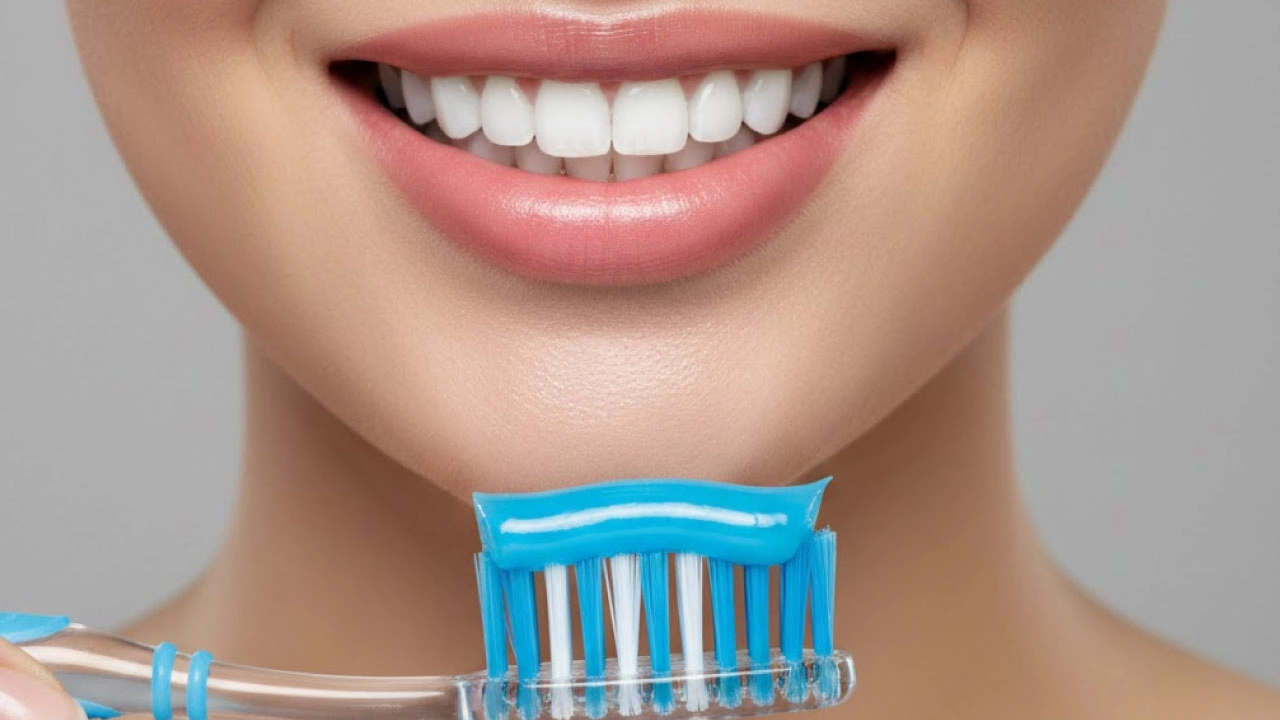
Too Much Toothpaste Damages Teeth: What Happens When You Overdo It?
Yes, too much toothpaste can be bad for you because it increases unnecessary fluoride exposure (especially in children), creates excess foam that reduces brushing accuracy, and can raise enamel wear and gum irritation when the formula is abrasive. Using more toothpaste does not make teeth cleaner. A full ribbon of toothpaste looks normal in ads, but dentists usually recommend a small dab. The goal is plaque removal with the toothbrush, not a mouth full of foam. How Much Toothpaste Should You Use? Adults and children over 3 years should use a pea sized amount, and young children under 3 years should use a rice grain sized smear. This guidance aligns with recommendations from the American Dental Association (ADA) and the US Centers for Disease Control and Prevention (CDC). A 2019 CDC report found that nearly 40% of children aged 3–6 used more toothpaste than recommended, increasing the risk of excessive fluoride ingestion. Using the correct amount keeps fluoride exposure safe while still delivering its cavity-protecting benefits. How Much Toothpaste Should You Use? A simple rule works for most households: rice-grain sized for toddlers, pea-sized for everyone else. The American Dental Association (ADA) recommends a smear the size of a grain of rice for children under 3, and a pea-sized amount for ages 3–6. What is the Right Amount of Toothpaste? Use the age-based amounts below: This matches public health messaging because young children often swallow toothpaste. The US Centers for Disease Control and Prevention (CDC) has reported a high share of children using more toothpaste than recommended, which increases dental fluorosis risk. Consequences of Overusing Toothpaste Too much toothpaste can backfire in several ways: Consequences of Kids Overusing Toothpaste Kids are the highest-risk group because they swallow toothpaste more often than adults. Excessive fluoride ingestion in young children can increase the risk of dental fluorosis, which affects developing permanent teeth. Yellow Teeth Mild fluorosis can show as white lines, chalky patches, or uneven discoloration on permanent teeth. In some cases the appearance can shift toward yellow or brown staining as the enamel surface becomes uneven. Cavities Fluorosis is not the same thing as cavities, but severe fluorosis can weaken enamel structure, which can make teeth more vulnerable. The safer approach is still the simplest: use the correct smear/pea sized amount and supervise brushing. Why Toothpaste Can Do More Harm Than Good Toothpaste supports oral hygiene, but toothpaste is not the main cleaning force. The toothbrush and technique remove plaque at the gum line. Toothpaste is a Cosmetic Toothpaste is primarily a cosmetic oral hygiene product. It freshens the mouth and delivers active agents. It does not mechanically remove plaque. Toothbrush friction performs cleaning. The following components explain how toothpaste can shift from helpful to excessive toothpaste harmful. Fluoride Fluoride is a fluoride additive regulated in the United States by the Food & Drug Administration (FDA). Fluoride toothpaste strengthens enamel and reduces cavities. However, excessive fluoride ingestion during childhood causes dental fluorosis. Fluoride benefits and risks depend on dose. Foam Sodium Lauryl Sulfate is a detergent. Foam creates a clean feeling but does not increase plaque removal. Foam can mask brushing errors and shorten brushing time below the recommended two minutes. Abrasive Particles Silica acts as a whitening ingredient. Whitening toothpaste increases surface polishing. Excessive abrasion harms enamel and causes enamel wear. Professional dental polishing by a hygienist removes stains in about 30 minutes with controlled tools, reducing enamel abrasion risk. Desensitizers Potassium nitrate and stannous fluoride reduce tooth sensitivity. They treat symptoms but do not repair damaged enamel. Tartar Control Tartar control agents prevent calculus buildup. Strong detergents may increase gum irritation in sensitive patients. Triclosan Triclosan reduces bacteria between tooth and gum. Its safety has been debated, but current data show approved levels are considered safe in regulated formulations. You’re Using Too Much Using a full ribbon wastes product and increases fluoride excess. A pea sized amount provides full benefit. More paste does not increase cleaning power. You’re Not Taking Enough Time Brush for two minutes, twice daily. Less than two minutes leaves plaque behind, even with more toothpaste. You’re Not Paying Attention Move the toothbrush across every surface: front, back, chewing surfaces, and gumline. Aggressive brushing dangers include long-term gum recession and enamel abrasion. Gentle pressure with a soft brush improves oral hygiene without causing enamel damage. The Solution There are 4 clear actions: Choose a toothpaste that fits your dental needs, such as fluoride toothpaste for cavity prevention or sensitive teeth formulas for discomfort. Consult a dentist, hygienist, periodontist, or physician if symptoms like gum irritation, tooth discoloration, or enamel wear appear. Technique protects teeth more than excess paste. FAQs on Right Amount of Toothpaste What is the right amount of toothpaste for adults? A pea sized amount is enough for adults for effective daily brushing. What is the right amount of toothpaste for toddlers? A rice grain sized smear is recommended from tooth eruption to age 3. What happens if kids swallow toothpaste every day? Swallowing toothpaste increases fluoride ingestion and can raise the risk of dental fluorosis in developing permanent teeth. Can whitening toothpaste damage enamel? Whitening toothpaste can increase abrasion, especially with hard brushing. Abrasion risk varies by formula and RDA level. Should adults avoid fluoride toothpaste if they use only a little? No. A small amount of fluoride toothpaste still supports enamel protection. Should you rinse after brushing? Many dentists recommend spitting out excess and avoiding heavy rinsing so fluoride can stay on teeth longer. Ask your dentist what fits your cavity risk. A Better Approach for Gum Care Than Using More Toothpaste While using the right amount of toothpaste and improving brushing technique can prevent enamel wear and gum irritation, many people also look for ways to support their gum health beyond traditional toothpaste. One option some people explore is Nature’s Smile, a plant-based oral care formula designed to help support gum health and maintain a balanced oral environment. Unlike many conventional oral products that rely heavily on strong detergents or
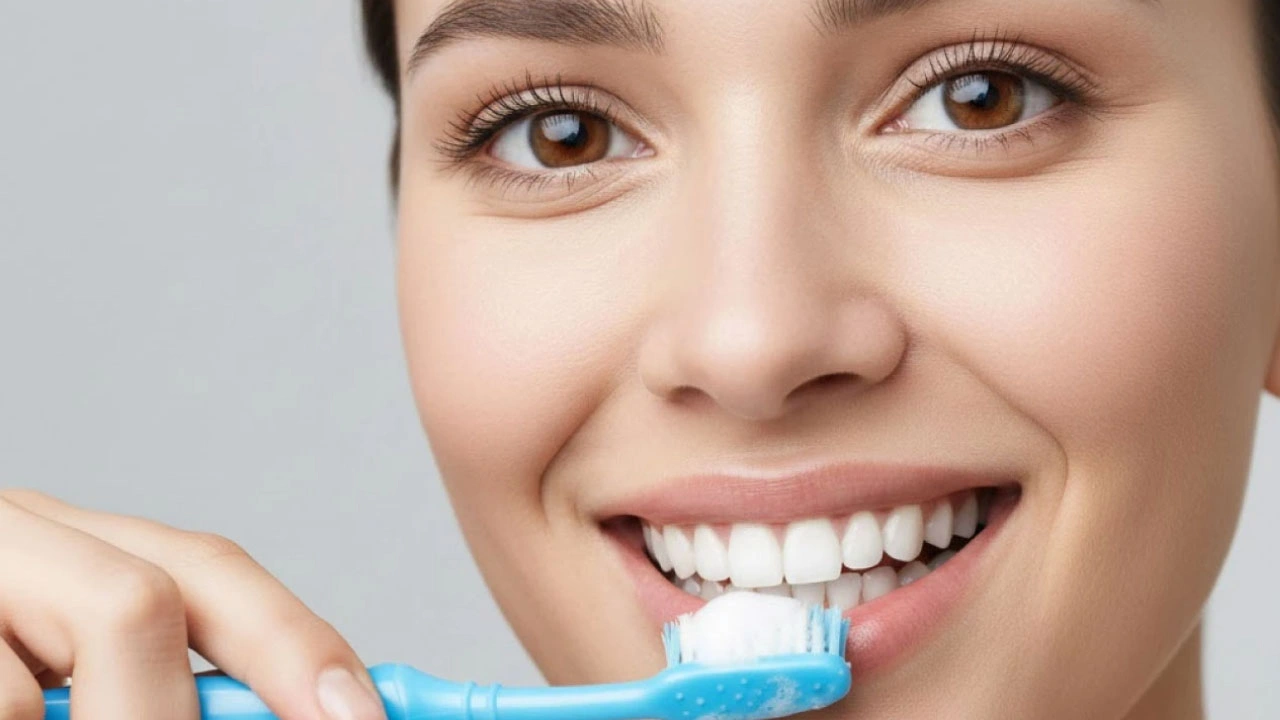
Common Mistakes When Brushing Teeth (And How to Fix Them)
Common mistakes when brushing teeth are daily brushing habits that reduce plaque removal, damage your enamel, and irritate your gums instead of protecting them. These common toothbrushing mistakes include using the wrong toothbrush, brushing too hard, not brushing long enough, missing certain places, brushing at the wrong times, and rinsing after brushing. Correcting these brushing teeth mistakes improves plaque removal, supports Gingivitis Prevention, lowers the risk of Periodontal Disease, and protects long-term oral health. Many dental practice teams report that patients often think they are brushing correctly when they are not. This guide explains: Each section shows what the mistake is and what to do instead. Using the Wrong Type of Toothbrush Using the wrong toothbrush is one of the most common brushing errors. A stiff bristle toothbrush can damage your enamel and irritate your gums. The American Dental Association (ADA) recommends using a soft-bristled toothbrush. Soft bristles remove plaque and food debris without causing gum recession or enamel wear. Hard bristles increase the risk of tooth enamel damage and gum disease. There are two main options: An electric toothbrush is helpful for patients with arthritis who struggle with manual brushing. Many dentists advise switching to a soft-bristled toothbrush, whether manual or electric. Choose: Using wrong toothbrush types is a leading cause of ineffective cleaning and gum irritation. Not Switching Toothbrushes (Using an Old or Worn-Out Toothbrush) Using frayed bristles reduces cleaning power. Bristles bend, split, and lose stiffness over time. Replace your toothbrush or electric brush head every 3 months. Replace sooner, if bristles look worn. Old toothbrushes: The American Dental Association states that worn bristles cannot clean effectively. Dental cleanings often reveal plaque buildup caused by old brushes. Improper toothbrush storage and sharing toothbrush germs also increase bacteria buildup. Store your toothbrush upright and allow it to air dry. Using the Wrong Brushing Technique (Brushing Too Hard) Brushing too hard is one of the most damaging common toothbrushing mistakes. Applying excessive pressure can damage your enamel and irritate your gums. Incorrect brushing technique often includes: The correct brushing technique: Brushing too hard causes: If bristles fray before 3 months, you are likely brushing too hard. Not Brushing Long Enough Not brushing long enough leaves plaque behind. The recommended brushing duration is two minutes. The American Dental Association advises brushing for a full two minutes, twice daily. Many people brush for 30–45 seconds. That short brushing duration does not remove plaque effectively. To brush long enough: Brushing long enough improves Plaque Removal and supports cavity prevention. Plaque tends to build near the gumline and behind the lower front teeth. Spending equal time on each quadrant prevents missing certain places. Missing Certain Places (Missing the Gumline and Inner Surfaces) Missing certain places is a major teeth cleaning mistake. Most people focus only on visible front surfaces in the mirror. Commonly missed areas: Plaque tends to build near the gumline where bacteria accumulate. Ignoring gum line cleaning increases gingivitis development. To correct this: Neglecting tongue bacteria contributes to halitosis prevention failure and bad breath causes. Brushing at the Wrong Times (Brushing Right After Eating Acidic Foods) Brushing immediately after acidic foods weakens enamel. Acidic foods include: Acid softens enamel temporarily. Brushing too soon can increase enamel erosion. Wait 20–30 minutes after consuming acidic foods before brushing teeth. Saliva neutralizes acids during this time. Rinse with water to reduce acid levels while waiting. Brushing immediately after vomiting also increases enamel damage risk. Correct timing protects enamel and improves long-term oral health. Rinsing after Brushing Rinsing mouth vigorously after brushing removes protective fluoride from Fluoride Toothpaste. Fluoride strengthens enamel and supports cavity prevention. Rinsing with water washes away concentrated fluoride. Spit out toothpaste, but do not rinse with water. This allows fluoride to remain on teeth longer. Many dentists emphasize this step during oral health education sessions. Companies such as Procter & Gamble (P&G), which manufactures Crest, and Colgate-Palmolive support fluoride-based formulations for Gingivitis Prevention. Bonus Tip: Don’t Forget to Floss Brushing teeth alone does not clean between teeth. Flossing removes plaque and food debris from interdental spaces. Overlooking interdental cleaning increases gum disease risk. Floss daily to: Skipping flossing is one of the most common brushing mistakes reported in dental practice blog post discussions. Final Thoughts Brushing teeth correctly does not require more time. Brushing teeth correctly requires better technique and consistency. If you are asking, “Am I brushing my teeth wrong?” review these common toothbrushing mistakes and adjust your routine. If questions remain, schedule dental cleanings and ask your dentists to review your brushing technique in person. Small changes prevent gum disease, protect enamel, and improve daily oral health.

Biting Teeth Hard in Sleep: Causes, Symptoms, and Treatment for Sleep Bruxism
Biting teeth hard in sleep is most often caused by sleep bruxism. Sleep bruxism is a sleep-related movement disorder where a person clenches or grinds the teeth unconsciously during sleep. The condition places extreme pressure on teeth and jaw muscles and can damage oral health over time. This guide explains what teeth grinding is, how to recognize it, why it happens, and what to do to protect your teeth and jaw. Definition: What is teeth grinding? Teeth grinding is the involuntary clenching, biting, or grinding of teeth. The medical term is bruxism (BRX). According to The Mayo Clinic, bruxism can occur during sleep or while awake and often happens without awareness. When a person grinds teeth, the jaw muscles generate forces much stronger than normal chewing. Repeated pressure leads to tooth wear, jaw pain, headaches, and TMJ problems. Teeth grinding during sleep and during the day There are two main forms of bruxism: Sleep bruxism causes more damage because the force lasts longer and remains unnoticed. Centric and eccentric bruxism Dentists also classify bruxism by movement: Both forms can occur together. Teeth grinding in children and babies Teeth grinding in babies and toddlers is common and usually harmless. It often starts when baby teeth erupt and helps shape the bite. In older children, ongoing teeth grinding may signal stress, anxiety, or sleep problems. Persistent grinding after permanent teeth appear should be evaluated by a dentist. Symptoms: How do I recognise teeth grinding? Teeth grinding is usually recognized by symptoms rather than awareness. Many people learn about sleep bruxism from a partner or dentist. Common signs include: Craniomandibular dysfunction (CMD) Craniomandibular dysfunction (CMD) refers to pain and dysfunction of the jaw joint and muscles. Around 20–30% of people with sleep bruxism develop CMD. CMD symptoms include: CMD often overlaps with temporomandibular joint disorders (TMJ). Excursus: Where can toothache radiate to? Tooth and jaw pain can radiate to other areas due to shared nerves: This is why teeth grinding is sometimes mistaken for ear or sinus problems. Consequences: What happens if I do not treat teeth grinding? Untreated bruxism leads to progressive dental and jaw damage. Common consequences include: In severe cases of bruxism, dental procedures such as dental bonding, fillings, crowns, or bridges become necessary. Causes: Why does teeth grinding occur? Teeth grinding has multiple causes. Most people experience more than one trigger. Stress and psyche Stress and anxiety are the leading causes of sleep bruxism. Grinding acts as an unconscious outlet for tension. Many Americans experience increased teeth grinding during prolonged stress periods, as reported by The New York Times. Clenched bite An uneven bite, poorly fitted crowns, or misaligned teeth can trigger grinding as the jaw tries to self-correct. Tension of the masticatory muscles Jaw muscles shorten and tighten when they are underused or constantly tense. Soft diets and limited jaw movement increase muscle tension. Unfavourable posture Poor posture strains the neck and jaw muscles. Long hours at a desk with forward head posture increase jaw clenching at night. Luxury food Alcohol, caffeine, and tobacco increase nervous system activity and worsen nighttime teeth grinding. Digression: Why do teeth grind after cola? Cola contains phosphoric acid, which temporarily softens enamel. This rough surface can increase the sensation of grinding until saliva restores minerals. Magnesium deficiency Low magnesium levels increase muscle tension and cramping. Magnesium deficiency is linked to headaches, jaw tightness, and bruxism. Medicines Certain medications increase the risk of bruxism, including: Diseases Secondary bruxism occurs alongside medical conditions, including: Diagnosis: Which doctor helps with teeth grinding? A dentist is the first doctor to diagnose teeth grinding. Dentists look for tooth wear, fractures, and jaw muscle tenderness. In complex cases, referrals may include: Treatment: What can I do about teeth grinding? Teeth grinding treatment focuses on protection and cause control. Splint against teeth grinding A custom night guard or mouthguard prevents direct tooth contact. Dentists often recommend a bite splint to protect enamel and fillings. Exercises against teeth grinding Jaw muscle exercises reduce tension and improve movement. Healthline.com recommends simple jaw-opening and tongue-position exercises. Physiotherapy Physiotherapy helps release muscle knots in the jaw, neck, and shoulders and improves posture. Magnesium Magnesium supplements relax muscles and may reduce nighttime jaw clenching when deficiency is present. Medicines Medication is reserved for severe cases of bruxism. Muscle relaxants or short-term medications may be prescribed under medical supervision. Stress management Stress-reduction techniques reduce grinding frequency. Proven methods include meditation, yoga, and breathing exercises. Biofeedback therapy Biofeedback trains awareness of jaw tension and teaches relaxation responses before grinding starts. Alternative methods Some patients explore acupuncture or behavioral therapy. Results vary and should complement dental care. Five tips to prevent teeth grinding 1. Integrate stress management into your everyday life Daily stress control lowers nighttime jaw activity. 2. Give your chewing muscles variety Eat firmer foods and stretch jaw muscles regularly. 3. Observe yourself Notice daytime clenching and relax the jaw consciously. 4. Eat foods containing magnesium Magnesium-rich foods include nuts, seeds, leafy greens, and whole grains. 5. Take good care of your teeth Gentle brushing and regular dental visits protect weakened enamel. Brands like Curaprox focus on gum-friendly oral care. Because sleep bruxism can put extra pressure on the teeth and gumline, daily oral care becomes even more important for protecting the mouth from added irritation. Along with using a custom mouthguard and keeping up with dental visits, some people add a gum-support product to their routine for extra care at home. Nature’s Smile is sometimes used as a herbal gum-care option by people who want added support for fresher breath and healthier-looking gums, especially when clenching or grinding leaves the mouth feeling sore or stressed. It works best as part of a broader oral care routine, not as a replacement for professional evaluation or bruxism treatment. Bruxism Causes – What We Know Bruxism results from a combination of stress, muscle tension, bite problems, and sleep disorders. No single cause explains all cases. Stress and Oral Health Stress directly affects oral health. Anxiety-driven clenching
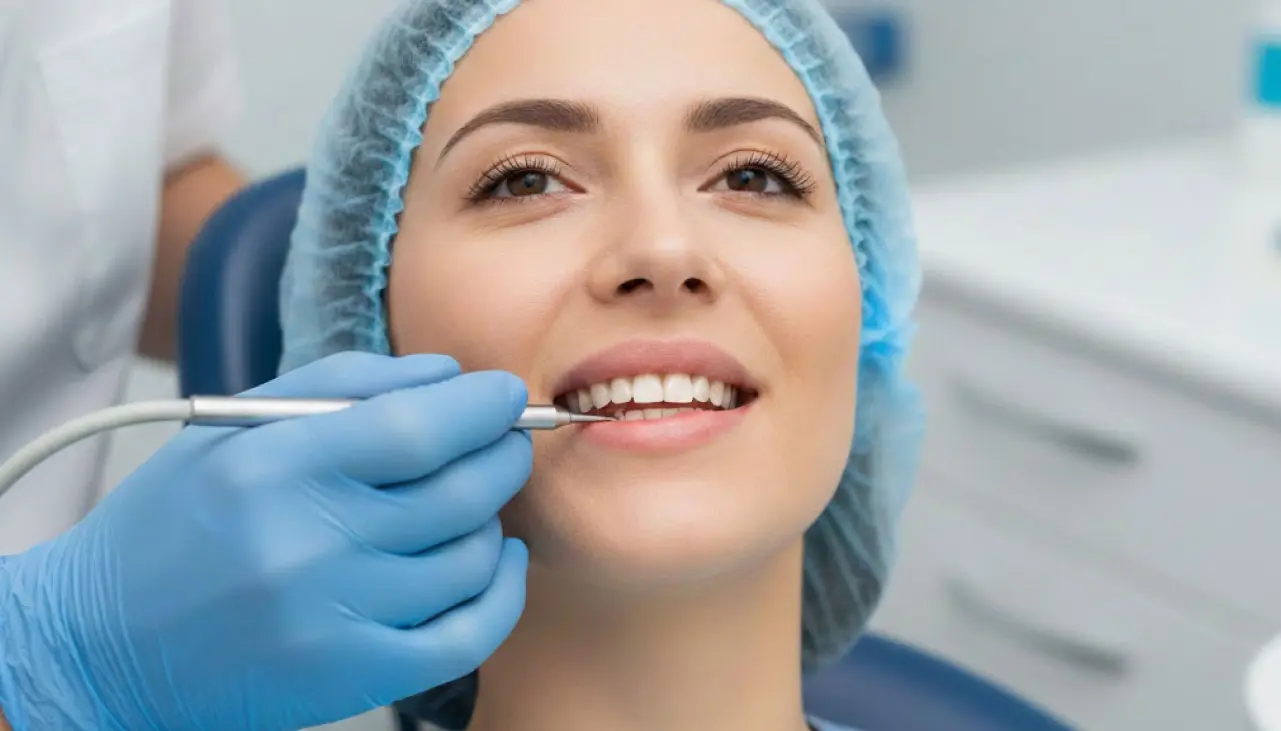
How to Fix a Loose Gum Flap: Treatments for Gum Recession?
To get rid of a loose gum flap, you must remove bacteria, stop gum recession, and reattach or reshape the gum tissue through professional dental care. Treatment depends on the cause, depth of periodontal pockets, and whether bone loss or periodontal disease is present. A loose gum flap is not cosmetic. A loose gum flap is a sign of gum recession, infection, or structural dental problems. Early treatment prevents bone loss, tooth mobility, and tooth loss. What Exactly is a “Loose Gum Flap”? A loose gum flap is gum tissue that no longer fits tightly around a tooth. The gingival fibers that attach gum tissue to the tooth root become damaged. This creates a gap called a periodontal pocket. The tooth root is covered by cementum, not enamel. Cementum is softer and sensitive. When gum tissue loosens, the tooth root becomes exposed, leading to pain, inflammation, and infection. A loose flap near wisdom teeth is often an operculum, a gum flap covering a partially erupted tooth. Operculum infections are called pericoronitis. Common Causes of Gum Recession and Loose Flaps There are 5 main causes of loose gum flaps. Plaque and Tartar Buildup Bacterial plaque hardens into tartar (calculus) within 24–72 hours. Tartar irritates gum tissue and destroys attachment fibers. Brushing cannot remove tartar. Only professional dental cleaning works. Gum Disease (Gingivitis and Periodontitis) Gingivitis causes swelling and bleeding.Periodontitis destroys gum tissue, jawbone, and connective fibers. According to Healthline, periodontal disease begins with bacterial plaque and progresses to bone loss when untreated. Food Impaction Between Teeth Repeated food trapping irritates gum tissue. Gaps, broken fillings, crowns, or misaligned teeth increase this risk. Chronic irritation forms gum tissue flaps. Wisdom Teeth and Tooth Misalignment Partially erupted wisdom teeth trap bacteria under the operculum. Crowded teeth prevent proper cleaning, increasing periodontal pockets. Poor Oral Hygiene or Aggressive Brushing There are 2 brushing-related risks: See also: How Do You Fix a Loose Tooth With Gum Disease? Are Gum Flaps a Serious Dental Problem? Yes, a loose gum flap is a serious dental problem if left untreated. Untreated gum flaps: Common Symptoms Linked to Gum Flaps There are 7 common symptoms: Professional Treatments: How to Fix a Loose Gum Flap Professional Dental Cleaning (Scaling and Root Planing) Scaling and Root Planing (SRP) is a deep cleaning procedure. SRP works best for early gum recession without bone loss. Periodontal Flap Surgery (Pocket Reduction) Flap surgery is used when pockets exceed 5 mm. Steps: This reduces periodontal pockets and prevents abscess formation. Gum Grafting Gum grafting replaces lost tissue. Types include: Grafting protects exposed tooth roots and prevents sensitivity. The Pinhole Surgical Technique (PST) Pinhole Surgical Technique (PST) is minimally invasive. Recovery is 24–48 hours. Dental Bonding and Veneers (Cosmetic & Protective) Dental bonding uses composite resin to cover exposed roots.Veneers or pink porcelain mask recession visually. These do not fix gum attachment but reduce pain and sensitivity. Treating Gum Disease Active periodontal disease requires: Minor Gum Surgery or Gum Contouring Procedures include: These reshape excess tissue and eliminate bacterial traps. Addressing Underlying Dental Issues Permanent success requires correcting: How to Prevent Gum Flaps From Coming Back There are 6 prevention steps: Can You Fix a Loose Gum Flap at Home? No, you cannot permanently fix a loose gum flap at home. Home care helps control symptoms: Lost gum tissue does not regenerate without dental treatment. Along with professional treatment and better brushing habits, some people also look for added gum-care support at home. Nature’s Smile is often used as a herbal gum-care product for people dealing with irritated, tender, or recession-prone gums. It should not replace deep cleaning, flap surgery, or a dentist’s diagnosis, but it may fit into a daily routine focused on keeping gums cleaner, fresher, and better supported between dental visits. Why You Shouldn’t Wait: The Risks of Neglect Delaying treatment leads to: Protect Your Smile: The Importance of Timely Gum Care A loose gum flap is a warning sign. Early periodontal treatment prevents surgery and tooth loss. Dentists and periodontists use modern dentistry to stabilize gum tissue and protect oral health. FAQ Does fixing a loose gum flap hurt? No. Procedures are done under local anesthesia. Post-treatment discomfort is manageable. Can I “glue” a loose gum flap back at home? No. Adhesives cause infection and tissue damage. How much does gum flap surgery cost? Costs vary by severity and location. Insurance often covers periodontal treatment. How long is the recovery after gum surgery? Deep cleaning heals immediately. Surgery heals in 2–3 weeks. What is the “flap” over my wisdom tooth? It is an operculum. Infected operculum causes pericoronitis. Can salt water fix a loose gum? No. Saltwater reduces inflammation but does not reattach tissue. Is a loose gum flap a dental emergency? It is an emergency if pain, pus, fever, or swelling occurs. Can vaping or smoking cause gum flaps to loosen? Yes. Nicotine restricts blood flow and damages gum attachment. What happens if I ignore a loose gum flap? Bone loss progresses and the tooth may fall out. Can gum flaps heal on their own? No. Gum tissue does not regenerate naturally. Are gum flaps a sign of gum disease? Yes. Most cases involve periodontal disease. Do gum flaps always require surgery? No. Early cases respond to deep cleaning. How soon should I see a dentist for gum flaps? See a dentist within 1–2 weeks of noticing symptoms. Take Control of Your Oral Health with Gum Flaps If you want to get rid of a loose gum flap, the most important step is acting early before the problem turns into deeper gum damage, bone loss, or tooth instability. Professional dental treatment is the only way to properly clean infected areas, reduce pockets, and protect the tooth structure, but your daily routine also matters. Using a soft toothbrush, cleaning carefully around the gumline, flossing daily, and adding supportive products like Nature’s Smile can help reinforce a healthier gum-care routine after treatment. The sooner you address loose gum tissue, the better your