
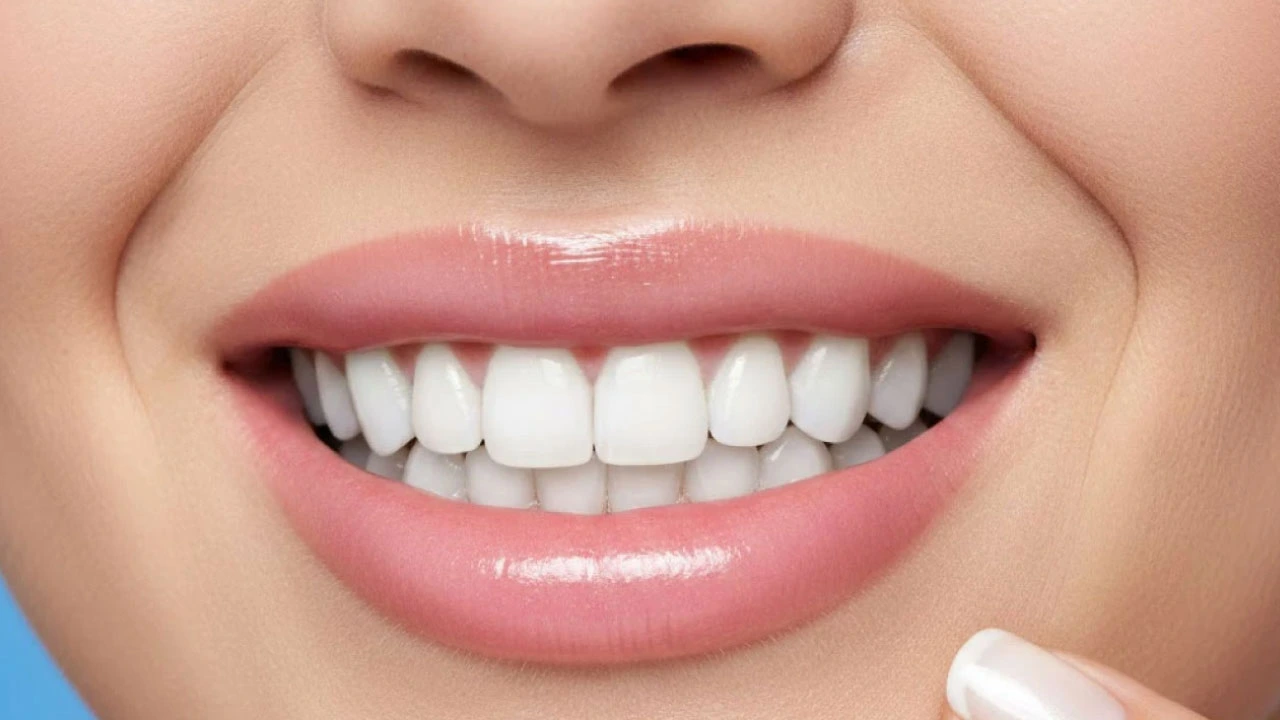
Hollywood smile teeth whitening is the fast part of a Hollywood smile: dentists use professional bleaching gels to lift stains and lighten the tooth shade, then match the rest of the smile makeover to that new color. A Hollywood smile usually combines teeth whitening, dental veneers (thin ceramic shells), and sometimes orthodontics (braces or clear aligners) plus gum contouring to create perfectly aligned teeth and a natural-looking white smile. The goal is one aesthetic transformation: shaping and whitening, balanced gum lines, and teeth that look camera-ready in daily life, professional settings, and personal relationships. The main benefits of Hollywood smile teeth whitening are a brighter smile, a more even tooth shade, and a boost in self-esteem that can support psychosocial well-being and mental health. The main uses include stain removal from aging, smoking, coffee/tea, and long-term discoloration, plus preparing teeth for porcelain shells or dental crowns in cosmetic dentistry procedures. The main components are a dental exam, enamel-safe bleaching away stains, shade matching, and a plan for alignment, veneers, and aftercare. Explanation of Hollywood Smile A Hollywood smile is a smile design that looks bright, symmetrical, and clean on camera and in real life. The Hollywood smile concept comes from movie stars and celebrities whose teeth look evenly shaped, straight, and consistently white. Cosmetic dentistry often builds that look by combining cosmetic treatments: teeth whitening, dental veneers (ceramic shells bonded to the front of teeth), orthodontics for teeth alignment, and gum contouring for a balanced gum line. A Hollywood smile is not only a color change. A Hollywood smile can include functional improvements when dentists correct misaligned teeth, bite issues, and worn edges that reduce chewing ability or trigger jaw pain and headaches. A well-planned Smile Makeover can improve oral health habits because people protect the investment with better oral hygiene practices. How Celebrities Achieve the Hollywood Smile Celebrities usually follow a clinic-based plan instead of random at-home products. Dentists start with a full exam, take scans and impressions, and choose the right cosmetic dentistry procedures based on enamel health, staining type, and teeth alignment. Common steps used for celebrities: Many public transformations are linked to Hollywood, including well-known names like Tom Cruise and Julia Roberts, plus younger stars who choose a mix of orthodontics, whitening, and veneers for a more uniform smile. Importance of a Beautiful Smile A beautiful smile affects self-image and first impressions. A bright smile can change how people feel in professional settings and personal relationships. A smile that looks healthy can reduce anxiety around photos, speaking, and social interaction. That is why Hollywood smile teeth whitening is often the first step: color is the quickest visible change. Benefits of a Hollywood Smile A Hollywood smile has 3 main benefit categories: appearance, confidence, and oral health. Enhanced Appearance A Hollywood smile can improve both color and shape. Teeth whitening targets stains in enamel and superficial discoloration, while veneers and crowns can correct chipped edges, uneven tooth lengths, and gaps. Gum contouring can fix a “gummy” look and create a more even frame around the teeth. The result is a radiant smile that looks natural instead of opaque or overly bright. Boost in Confidence A whiter smile can raise self-esteem and support psychosocial well-being. Many people smile less when teeth look stained or misaligned. A Smile Makeover can improve self-image, reduce social anxiety, and make daily communication feel easier at work and at home. Improved Oral Health Some cosmetic dentistry procedures create real functional improvements. Straightening misaligned teeth can lower plaque traps and make brushing easier. Fixing bite issues can reduce jaw pain and headaches linked to clenching and uneven wear. Repairing damaged teeth can improve chewing ability and protect the tooth structure. The Hollywood Smile Procedure A Hollywood smile procedure is usually built in steps. Some steps are skipped when teeth are healthy and already aligned. Whitening the Teeth Teeth whitening is often done early to set the target tooth shade. Dentists choose bleaching agents that penetrate enamel safely and lift stains. Whitening can be in-office (fast) or at-home (slower) with dentist guidance. Whitening is also used to match the shade before veneers, porcelain shells, or dental crowns. Placing Veneers on the Teeth Dental veneers are ceramic shells bonded to the front of teeth. Veneers can change size, shape, and color. Veneers are often used when teeth have deep discoloration, uneven edges, small gaps, or worn surfaces. Porcelain shells are popular because porcelain resists stains better than many composite materials. Polishing the Veneers Polishing smooths the veneer surface and edges. Polished veneers feel more natural against the tongue and cheeks. Polishing also reduces rough spots that can hold plaque, which supports oral hygiene practices. Consulting with a Team of Dentists A consultation checks oral health, gum health, enamel thickness, and bite function. Dentists also discuss the smile goal, tooth shade, and the balance between a bright smile and a natural-looking white smile. Cosmetic dental procedures work best when the plan is clear before any enamel reduction or bonding starts. Taking Scans and Making Dental Impressions Dentists may take digital scans or traditional dental impressions. Scans help dentists assess teeth alignment, crown shape, and bite issues. Impressions help labs create porcelain veneers and dental crowns that fit accurately. Repairing or Replacing Damaged Teeth A Smile Makeover needs a stable base. Dentists treat cavities, fractures, and gum disease first. Dentists may use fillings, bonding, crowns, or implants depending on the dental issues. This step can also reduce chewing problems and prevent pain after veneers. Repairing the Shape of the Crown Dental Crowns (DC) cover a tooth when a tooth is weak, heavily filled, or cracked. Crown reshaping can also correct uneven tooth height and improve contact points for a more balanced bite. Making Orthodontic Corrections Orthodontics is used when teeth are crowded, rotated, spaced, or the bite is off. Braces (BR) or clear aligners (CA) can correct misaligned teeth and bite issues. Proper teeth alignment reduces uneven forces that can chip veneers and trigger jaw pain or
Do You Have to Get Veneers on All Teeth? Full vs Partial Veneers Explained
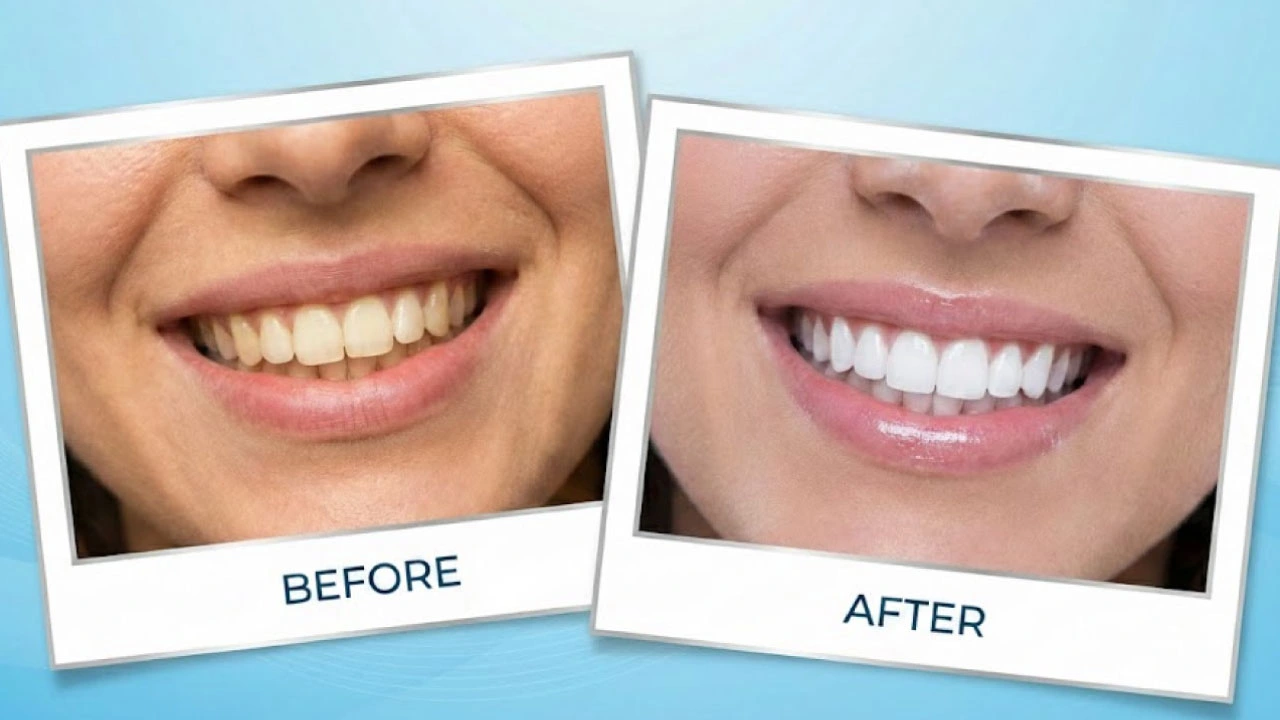
No, you do not have to get veneers on all teeth in most cases. Veneers on every tooth are rarely required because treatment usually focuses on the visible front teeth that shape your smile aesthetics. When patients ask, “do you have to get veneers on all teeth,” the real concern is whether a complete smile transformation requires covering the entire mouth or just selected teeth. Veneers are a cosmetic dental solution that uses ultra-thin, custom-made medical grade shells bonded to the front surface of teeth to improve colour, shape, and smile line. Treatment can involve Partial veneer treatment on the upper front six to ten teeth or, in limited cases, a Full-Mouth Veneer Treatment. The decision depends on smile line visibility, dental health, occlusion, and aesthetic goals. This guide explains how veneers work, when partial veneer treatment is enough, when full smile makeover cases require broader coverage, and how dentists customise veneer placement using digital smile design. It also outlines risks, alternatives, long-term care, and how veneers affect natural teeth. Key Takeaway Understanding Veneers on All Teeth Veneers are thin dental laminates placed on the front of teeth to improve smile aesthetics. They are a cosmetic dental solution for: There are 4 common types of veneers: Each type differs in durability, translucency, and cost. What Are Veneers on All Teeth And How Do They Work? Veneers work by bonding a thin shell to the enamel of the tooth. The dentist removes a small amount of enamel to create space, then bonds the veneer using dental cement. The procedure includes 5 steps: Veneers improve colour, shape, and alignment without replacing the entire tooth like crowns. Do You Need Veneers on Every Tooth? No, veneers on every tooth are not necessary for most patients. Dentists usually treat only the teeth visible when smiling to enhance the aesthetics and maintain function. Partial Veneer Treatment: The Most Common Approach Partial veneer treatment is the standard approach. It typically includes: Benefits of this limited veneer approach include: Selective veneer placement focuses on cosmetic zone veneers rather than veneers every tooth. Full-Mouth Veneer Treatment: When Is It Needed? Full-Mouth Veneer Treatment is recommended in 4 specific cases: Full mouth veneers involve placing veneers on all front and back teeth in one or both arches. This approach increases veneers on all teeth price and requires careful occlusion planning to maintain chewing efficiency. Customizing Your Veneers on All Teeth Treatment Every patient requires a tooth-by-tooth decision. Dentists assess: Digital smile design helps customise veneer placement to achieve a balanced and harmonious appearance. Factors Determining How Many Veneers You Need There are 4 main factors determining veneer numbers. Smile Line Visibility Smile line determines how many visible front teeth show during speech and smiling. Only teeth within the cosmetic zone typically receive veneers. Tooth Condition And Health Healthy teeth and gums are required before veneers. Dentists protect enamel and avoid unnecessary veneer uniformity when teeth are already healthy. Bite And Function Occlusion determines how upper and lower teeth meet. Poor planning can: Dentists evaluate function before recommending veneers whole mouth. Cosmetic Goals And Expectations Aesthetic goals influence veneer numbers: Veneers for complete smile must align with function, not just appearance. Common Scenarios And Veneer Numbers There are 3 common scenarios: Single veneer sufficient? Yes, if only one tooth requires cosmetic correction. Benefits Of Partial Veneer Placement Partial veneer options offer 5 advantages: This limited veneer approach supports conservative dentistry. Risks Of Applying Veneers To Every Tooth There are 4 risks of veneers on entire mouth without necessity: Mandatory full mouth? No, unless clinical need exists. Be Wary of Over-Treatment Patients should avoid dentists who recommend veneers on all teeth necessary without clear diagnosis. Veneers are irreversible once enamel is removed. Ask these 3 questions: Expert veneers dentists prioritise dental health over cosmetic excess. Alternatives To Having Veneers On Every Tooth There are 5 veneers alternative options: Veneers all teeth alternative plans reduce invasiveness and cost. Long-Term Care And Maintenance Follow 6 maintenance steps: Proper care supports veneer longevity and gum health. Understanding Veneer Longevity And Durability High-quality porcelain veneers and Emax veneers last 15–20 years. Composite veneers last 5–8 years. Durability depends on: Veneer longevity factors vary by material and patient habits. How Veneers Affect Natural Teeth Veneers require minimal enamel removal. Partial veneer placement preserves more tooth structure than full coverage crowns. Full mouth veneers increase enamel alteration across the entire mouth. Conservative veneer preparation protects long-term tooth stability. Consultation With A Cosmetic Dentist A veneers dentist consultation determines: Conclusion You do not have to get veneers on all teeth in most situations. Veneers on every tooth are only recommended when severe wear, discoloration, or a full smile makeover requires complete smile transformation. Most patients benefit from Partial veneer treatment on visible front teeth to improve colour, shape, and smile line while preserving enamel and function. Full-Mouth Veneer Treatment is reserved for extensive cosmetic correction and requires careful occlusion planning. A consultation with experienced dentists ensures a cosmetic dental solution that supports dental health, aesthetic goals, and a balanced and harmonious appearance without unnecessary treatment.
How Many Veneers Should I Get? Smile Design Guide?
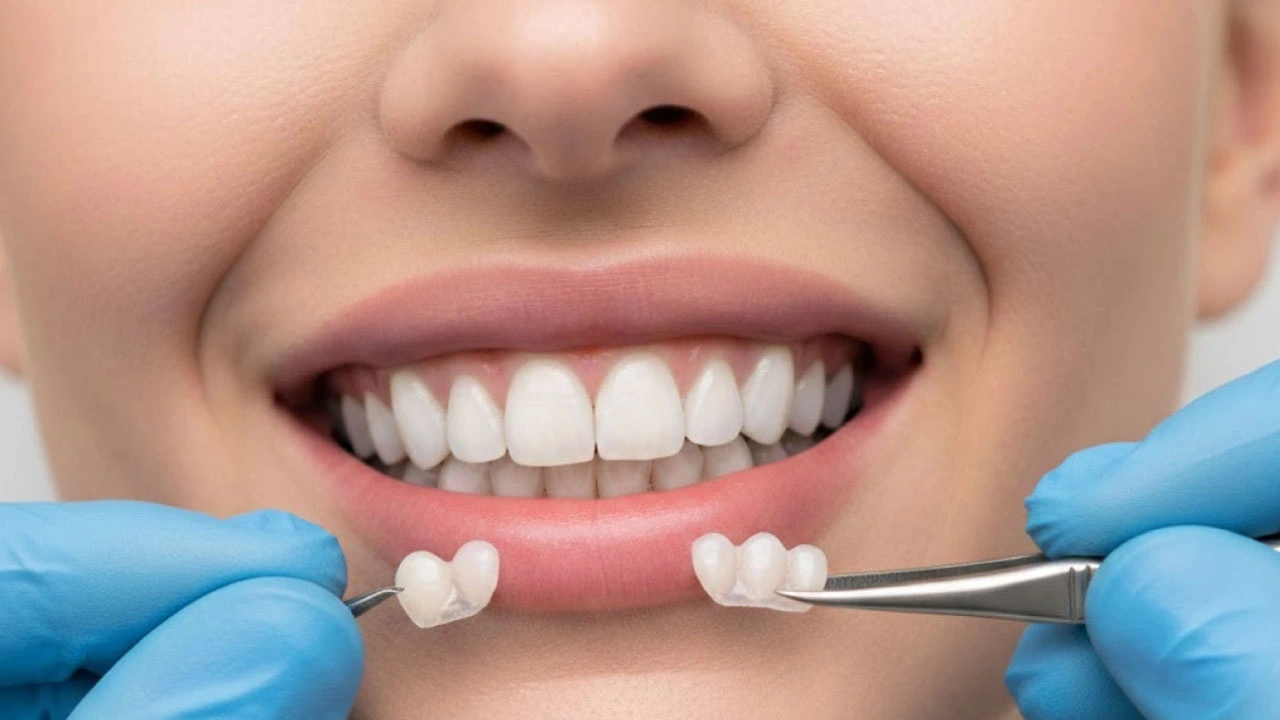
“How many veneers should I get?” means determining the correct number of veneers to create a natural balanced smile without treating teeth that do not need cosmetic improvement. The answer depends on your smile goals, visible teeth, face shape, tooth shape, oral health, and long-term treatment plan. This guide explains: Getting dental veneers can improve discolored teeth, chipped teeth, gaps, minor misalignment, and symmetry. The main benefit of choosing the right number of veneers is achieving a natural-looking smile while preserving healthy enamel. The main use of veneers is targeted cosmetic dentistry that improves the entire smile without unnecessary treatment. Veneers 101: What They Are and What They Can Improve Porcelain veneers (PV) are thin ceramic shells bonded to the front surface of teeth. They are a cosmetic dentistry solution designed to improve shape, color, length, and alignment. Porcelain veneers improve: Porcelain veneers are fabricated in a dental laboratory using shade matching and translucency control to blend with adjacent teeth. Composite Veneers (CV) and Lumineers (LM) are alternative material options. Veneers address discoloration and symmetry while preserving most natural tooth structure. Less is More: Perfecting your smile, without overhauling it. You do not need to veneer every tooth to improve your smile. If you have one chipped tooth, one veneer may be enough. If you have two discolored front teeth, two veneers may correct the issue. A conservative approach can: Cosmetic improvement should focus on visible teeth and targeted imperfections. How Many Veneers Do You Typically Need? Most people get between 4 and 10 veneers on the upper arch. Some need only 1 or 2. A full mouth aesthetic case may involve 16–20 veneers. If You Have One or Two Problem Teeth You need 1–2 veneers, if you have: A single porcelain veneer is possible. Matching adjacent teeth requires dental expertise, shade matching, and collaboration with a dental laboratory. If You Want to Improve the Front Teeth You need 4–6 veneers, if you want to improve the most visible front teeth. These usually include: This range improves symmetry without extending too far back. If You Want a Full Smile Makeover You need 8–10 veneers, if you show more teeth when smiling. These typically include: This range creates a full mouth aesthetic appearance for wide smiles. Typical Veneer Ranges There are 4 common veneer ranges: The ideal number veneers depends on visible teeth, face shape, tooth shape, and smile goals. Why You Usually Don’t Veneer Every Tooth Molars are not highly visible and are built for heavy chewing. Veneers are a cosmetic restoration, not a strength restoration. Back teeth with damage are better treated with dental crowns. Veneers are primarily placed on visible teeth to improve aesthetic outcomes. You usually do not veneer molars. There are 3 main reasons: Veneers focus on cosmetic zones. Veneering every tooth increases cost and maintenance without improving appearance. Which Teeth Typically Receive Veneers—and Why Dentists focus on teeth visible in the smile line. The “Social Six” The upper front six teeth are most visible when smiling or speaking. These teeth often receive veneers first because they define the smile line. These teeth determine: Veneers on these teeth create immediate cosmetic improvement. Extending Toward Canines and Premolars If you have a wide smile, visible teeth extend toward premolars. Adding veneers here prevents contrast between veneered and natural teeth. This extension supports a natural balanced smile. What About Bottom Teeth? Most patients do not need lower veneers. Lower teeth receive veneers if: Lower teeth also experience stronger bite contact. Consider bite alignment before adding lower veneers. When Fewer Veneers Are Enough Fewer veneers are enough when: Assess gum health and existing damage before deciding. What Influences How Many Veneers You May Need There are 10 main factors that determine the ideal number of veneers: Your Smile Goals: Define whether you want subtle refinement or full mouth aesthetic change. Your Timeline: Prioritize visible teeth first, if you have a limited schedule. Tooth Color and Whitening Plans: Whiten natural teeth first to reduce number of veneers needed. Tooth Alignment and Shape: Straighten teeth first with orthodontics, if alignment issues are significant. Budget and Long-Term Planning: Veneers cost per tooth. Many patients phase treatment. How Many Teeth Show When You Smile: Evaluate lip line and visible teeth during a digital scan. What You Want to Change: Target specific imperfections such as chipped teeth or discolored teeth. Symmetry and Balance: Place veneers in even numbers to achieve smile symmetry. Your Personal Goals: Match treatment plan to desired outcome. Cost: Porcelain veneers cost $1,500–$2,500 per tooth in the United States. Your Oral Health: Treat decay or gum disease first. Assess gum health and enamel thickness before treatment. Assessing Individual Needs and Tailoring Treatment Assessing individual needs begins with high quality photos, retracted images, and digital scan records. A smile simulation helps preview the natural smile outcome. What’s the Deal with the ‘4, 8, 10’ Rule? The “4, 8, 10” rule refers to common veneer groupings. It is not mandatory. The correct amount depends on face shape, tooth shape, and visible teeth. Dentists recommend 8 veneers often because 6 may stop too early, exposing untreated adjacent teeth. The rule is a guideline. The treatment plan should reflect your visible teeth and aesthetic goals. Can I Have Just One or Two Veneers? Is a Single Tooth Veneer Possible? Yes. A single veneer is possible. It requires advanced shade matching and dental expertise to match adjacent teeth. Single-tooth veneers are effective for correcting chips, shape issues, or isolated stains. Do You Need a Full Set of Veneers? No. Full mouth veneers (FMV) are only necessary in cases of extensive wear, discoloration, or major aesthetic issues. Full mouth veneers typically mean: Full sets are appropriate when multiple teeth have wear, severe discoloration, or structural issues. Most patients do not need veneers on every tooth. What to Expect When Choosing Fewer vs. More Veneers Choosing fewer veneers: Choosing more veneers: Both options can achieve a natural balanced smile. Alternatives and Complementary Treatments to Veneers Choosing The
Fix a Gummy Smile: Proven Ways to Get a Confident Grin
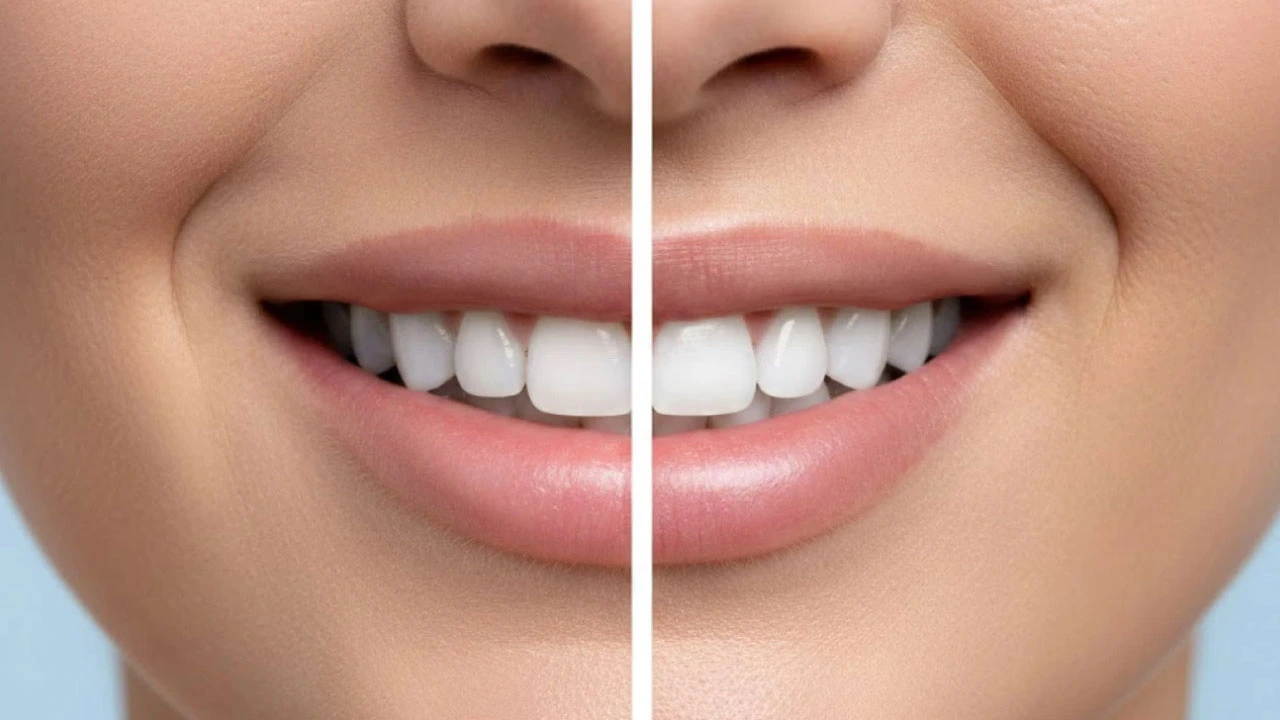
Fixing a gummy smile means reducing excessive gingival display (EGD) so less gum tissue shows above the top teeth when smiling. Gummy smile correction works by identifying the underlying cause—such as a hyperactive upper lip, jaw development problems, or tooth eruption issues—and applying a targeted treatment plan. The main goal is to correct a gummy smile, improve the aesthetics, and restore dental function. The main benefits of fixing a gummy smile are improved confidence, balanced facial aesthetic, and better tooth-to-gum proportion. The main uses include treating excessive gingival display in women and men, correcting jaw alignment, and reshaping gum tissue for smile design. The main components of gummy smile correction include orthodontic treatment, gingivectomy, lip repositioning surgery, Botox injections, crown lengthening, and jaw surgery (orthognathic surgery). What is a Gummy Smile? A gummy smile is a smile that shows more than 3–4 millimeters (mm) of gum tissue above the top teeth. Research shows that 0–2 mm of gingival display is often perceived as balanced, while 3–4 mm or more is considered excessive gingival display. Doctors estimate that about 14% of women and 7% of men show noticeable gum tissue when smiling. A gummy smile is not a disease. A gummy smile is a cosmetic and sometimes functional concern linked to gum tissue, upper lip movement, teeth size, or upper jaw position. Why Does a Gummy Smile Happen? / What Causes a Gummy Smile? There are 5 main causes of a gummy smile: Each cause requires a different gummy smile treatment. A dental specialist or orthodontist must evaluate teeth, gums, lips, and jaw alignment to determine the underlying cause. Options for Gummy Smile Correction / Proven Ways to Fix a Gummy Smile There are 6 effective treatments available to correct a gummy smile. The correct option depends on the diagnosis. 1. Orthodontic Treatment Orthodontic treatment corrects jaw alignment and tooth position. Braces or clear aligners such as Invisalign move teeth into proper alignment and reduce gum tissue showing. Orthodontics gummy smile treatment works best when: At Sturgill Orthodontics, Dr. Sturgill explained on October 25, 2018, that correcting bite issues with braces or Invisalign can reduce excessive gingival display. Treatment time ranges from 12–24 months. Orthodontic treatment improves both facial aesthetic and dental function. 2. Gingivectomy A gingivectomy removes excess gum tissue to expose more of the tooth surface. A gingivectomy in Marietta is often performed under local anesthesia or topical anesthetic. Laser treatment using a diode laser allows precise laser gum sculpting. The procedure: Recovery takes 3–7 days. Laser gummy smile procedures reduce bleeding and speed healing. Periodontists perform gingivectomy gummy smile correction with predictable results. 3. Lip-Lowering Surgery Lip-lowering surgery, also called lip repositioning surgery, restricts how high the upper lip lifts during smiling. Upper lip repositioning reduces gum tissue exposure permanently. Lip repositioning meticulously adjusts soft tissue inside the upper lip. The procedure limits excessive elevation caused by a hyperactive upper lip. Healing usually takes 1–2 weeks. This surgical intervention is effective when lip movement is the primary cause. 4. Botox Injections Yes, you can fix a gummy smile with Botox if a hyperactive upper lip causes excessive gingival display. Botulinum toxin injections relax muscles that elevate the upper lip. Gummy smile Botox treatment reduces gum tissue showing within 3–7 days. Results last 3–6 months. Botox injections: Botox for gummy smile works best for mild to moderate lip hyperactivity. It does not correct jaw development problems. 5. Crown Lengthening Crown lengthening reshapes gum tissue and sometimes bone to reveal more tooth structure. Crown lengthening subtly improves tooth proportion and corrects altered passive eruption. The procedure may include: Healing typically takes 2–4 weeks. Crown lengthening improves both aesthetics and dental function. 6. Jaw Surgery (Orthognathic Surgery) Jaw surgery, called orthognathic surgery, corrects severe maxillary excess. Orthognathic surgery repositions the upper jaw to reduce excessive gingival display permanently. Jaw surgery: Treatment time may span 12–24 months including braces. This orthognathic surgery option is reserved for severe skeletal cases. Selecting the Proper Treatment Select the proper treatment by identifying the underlying cause first. Visit a periodontist, orthodontist, or maxillofacial surgery specialist for a full smile assessment thoroughly. There are 4 evaluation steps: A personalized treatment approach ensures the aesthetic outcome optimized and dental function preserved. Surgical correction is necessary for skeletal causes. Non-surgical options like Botox injections suit muscle-related cases. Fix gummy smile cost varies: Costs vary by region and provider. Transform Your Smile with Expert Care Fixing a gummy smile is possible with modern cosmetic dentistry, orthodontics, and periodontics. Correct a gummy smile by targeting the underlying cause with orthodontic treatment, gingivectomy, lip repositioning surgery, Botox injections, crown lengthening, or jaw surgery. Patients seeking gummy smile correction should consult a dental specialist for a structured treatment plan. Reducing excessive gingival display reshapes your smile, balances the upper lip and gums, and improves the aesthetics with measurable confidence gains. A confident grin begins with accurate diagnosis and the right procedure.
Cosmetic Dentistry Smile Makeover: Transform Your Look
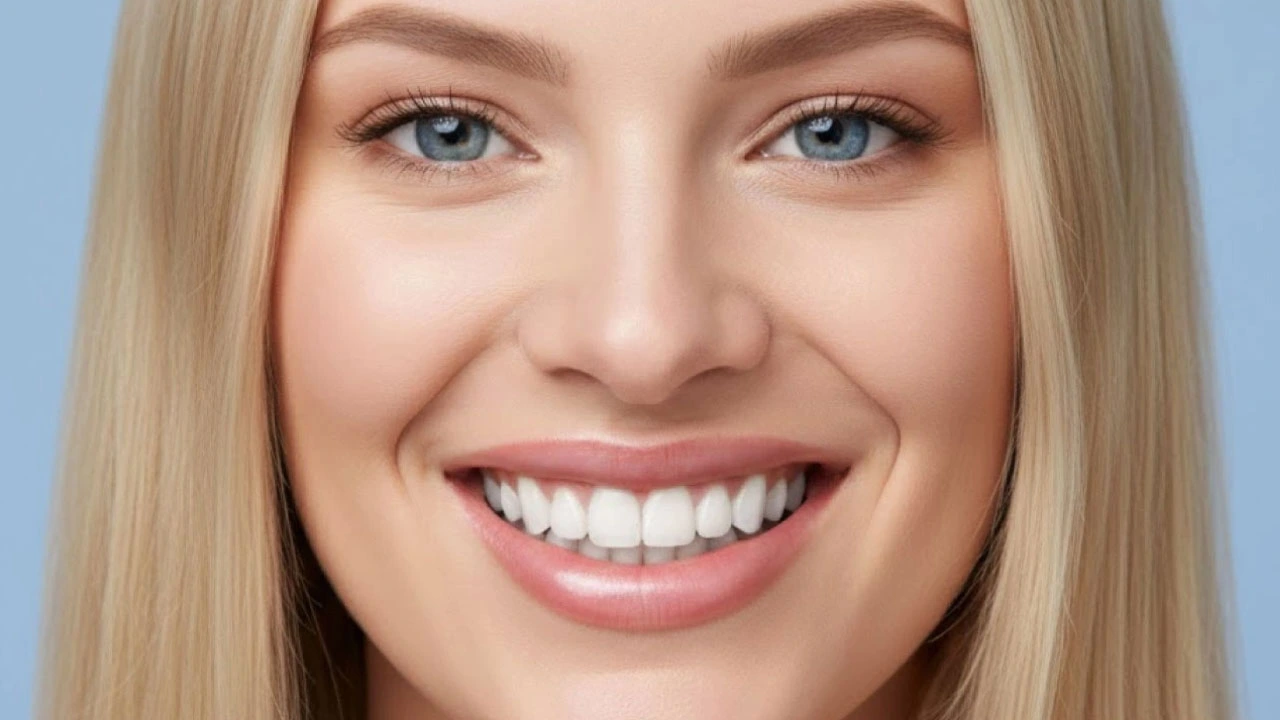
A cosmetic dentistry smile makeover is a personalized treatment plan that improves the appearance, function, and health of teeth and gums through coordinated cosmetic dental procedures. A cosmetic dentist evaluates teeth, gums, jaw alignment, and facial balance, then combines treatments such as teeth whitening, veneers, dental bonding, clear aligners, crowns, or dental implants into one structured plan. This approach focuses on correcting misalignments, restoring damaged teeth, enhancing your appearance, and improving oral health at the same time. The main benefits include boosting confidence, creating a bright white smile, supporting healthier gums, and correcting functional problems that affect chewing and speech. A dental smile makeover is used for discoloration, decay, misaligned teeth, worn enamel, gaps, and uneven gums. The core components include smile design planning, restorative care, aesthetic refinement, and long-term maintenance. The Benefits of a Beautiful Smile A beautiful smile creates a positive first impression. A radiant smile enhances social interactions and improves professional presence. Studies in social psychology show that people associate straight, clean teeth with health and reliability. There are 4 measurable benefits of a beautiful smile: A bright white smile achieved through teeth whitening or porcelain veneer artistry often signals consistent dental care. That signal influences how others respond in social and career settings. Boosting Confidence and Self-Esteem A cosmetic dentistry smile makeover increases Confidence and Self-Esteem by correcting visible flaws. Dental bonding, veneers, and clear aligners correct chips, gaps, and crooked teeth. When visible imperfections are removed, patients smile more often and speak more freely. Boosting confidence affects Personal Growth and Happiness. Many patients report: Confidence boosting dentistry changes daily behavior patterns. A confident smile improves posture, facial expression, and communication. Improving Oral Health and Functionality Improving oral health is not cosmetic alone. Cosmetic dental procedures often repair damage and strengthen teeth. Crowns protect weak enamel. Dental bonding seals minor fractures. Clear aligners correct bite alignment. There are 5 direct functional benefits: Correcting misalignments reduces uneven bite pressure. Bite harmony restoration decreases muscle strain and limits headaches linked to jaw imbalance. Correcting Dental Issues for Better Overall Health Correcting dental issues improves Overall Health. Misaligned teeth trap plaque, which increases the risk of periodontal disease. Periodontal disease links to heart disease and diabetes through chronic inflammation. There are 4 systemic health risks associated with untreated oral problems: A cosmetic dentistry makeover often removes decay, restores damaged enamel, and supports healthier gums. A holistic approach connects oral health to systemic health issues. Types of Cosmetic Dental Procedures There are 7 main cosmetic procedures used in a complete smile makeover: Teeth whitening removes discoloration. Veneers made of porcelain or composite resin reshape the front surface of teeth. Dental bonding uses tooth-colored resin to repair chips. Clear aligners provide invisible aligner refinement for correcting misaligned teeth. Crowns restore strength. Dental implants replace missing teeth permanently. Each procedure serves a defined role in a cosmetic smile makeover plan. What Are the Latest Smile Makeover Trends in Cosmetic Dentistry? Modern smile makeovers focus on natural-looking restorations, digital precision, and minimally invasive techniques. Transformative cosmetic dentistry now prioritizes smile architecture redesign while preserving natural enamel. Why Smile Makeovers Matter Smile makeovers matter because they combine aesthetics and Functionality in one plan. A complete smile makeover addresses stains, spacing, uneven gums, worn enamel, and bite correction in a single coordinated process. Patients value: A cosmetic dentist smile makeover creates harmony between teeth, gums, and lips. Latest Smile Makeover Trends There are 5 current trends in cosmetic dentistry smile design: Patients now prefer natural looking restorations instead of overly bright artificial shades. Top Smile Makeover Procedures Patients Love Refinement is preferred over dramatic change. Patients choose procedures that deliver instant aesthetic uplift with minimal discomfort. Porcelain Veneers Porcelain veneers provide diastema closure expertise and correct discoloration. Modern veneers require less enamel removal and last 10–15 years with proper care. Composite Veneers & Dental Bonding Composite bonding innovation allows same-day correction. Dental bonding makeover treatments cost less than porcelain and preserve natural tooth structure. Laser Whitening Laser whitening produces a bright white smile in one visit. Sensitivity is reduced with modern systems. Enameloplasty & Smile Contouring Enameloplasty reshapes edges and corrects minor asymmetry. Uneven gums corrected with contouring produce gumline contour perfection. Gum & Smile Balance Enhancements Gum balance influences smile aesthetics. Excess gum display reduces visible tooth length. Gingival sculpting corrects gum proportions and reveals more natural enamel. Gum Reshaping for Gummy Smiles Laser gum reshaping removes excess tissue with precise control. Recovery typically takes 3–7 days. Digital Dentistry & High-Tech Smile Design Digital Smile Design (DSD) uses 3D imaging and simulation software to preview results before treatment. Patients see their smile design makeover digitally before procedures begin. Digital planning improves accuracy and patient satisfaction. Full Smile Transformations & Advanced Options Some patients require advanced restorative care beyond cosmetic refinement. Full Mouth Rehabilitation Full mouth rehabilitation combines crowns, dental implants, orthodontic treatment, and bite correction. This treatment restores functionality and appearance simultaneously. Snap-On Smiles Snap-On Smiles are removable appliances placed over natural teeth. They provide an instant smile makeover without permanent alteration. Why Minimally Invasive Cosmetic Dentistry Is Leading Minimally invasive cosmetic dentistry preserves enamel and reduces recovery time. Patients prefer procedures that maintain long-term oral health. Conservative preparation reduces sensitivity and protects tooth integrity. Cost and Affordability of Cosmetic Dentistry Cosmetic dentistry cost varies by procedure. Teeth whitening may range from $300–$800. Porcelain veneers may range from $900–$2,500 per tooth. Dental implants may range from $3,000–$5,000 per implant. Many clinics offer Monthly payment plans. Insurance may partially cover procedures that improve Functionality. An affordable smile makeover plan often combines staged treatments over time. Discuss smile makeover cost during consultation. A cosmetic dentist provides a written estimate and payment options. Finding the Right Cosmetic Dentist for You Choose a cosmetic dentist with: Most often patients compare consultation experiences before selecting a provider. A dentist who explains cosmetic dentistry options clearly improves treatment satisfaction. FAQs Is cosmetic dentistry expensive? No, cosmetic dentistry can be affordable when staged over time and supported by monthly payment
Complete Oral Health & Cosmetic Dentistry Guide: Your Smile Makeover
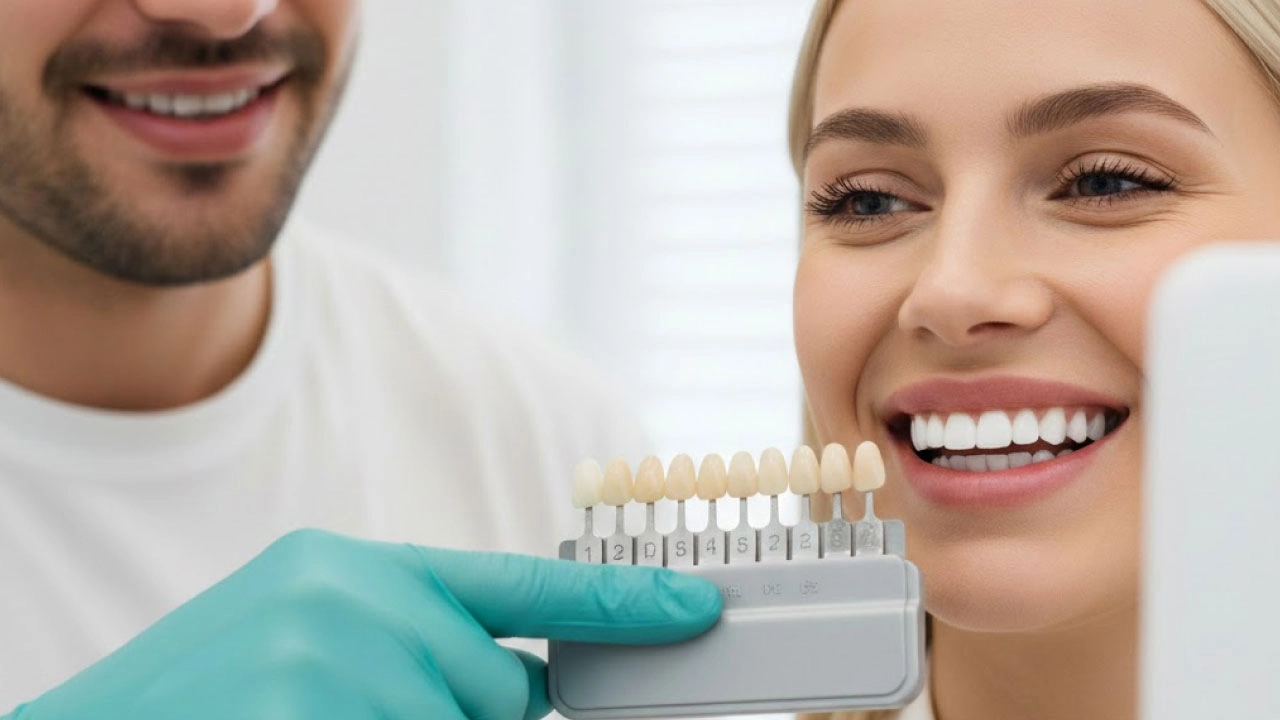
The Complete Oral Health & Cosmetic Dentistry Guide explains how cosmetic dentistry supports oral health and improves appearance through planned dental care. This guide shows how cosmetic dentistry treatments correct damaged teeth, manage gum health, replace missing teeth, and improve smile balance while protecting dental health. The main benefits include better oral health, improved confidence, and long-term function. The main uses include treating tooth imperfections, discoloration, gum issues, and bite problems. The main components include cosmetic dentistry treatments, cost considerations, and choosing a cosmetic dentist. What is Cosmetic Dentistry? Cosmetic dentistry is dental care focused on improving the appearance of teeth, gums, and bite while supporting oral health. Cosmetic dentistry treatments correct visual and functional dental concerns using restorative and aesthetic procedures. A cosmetic dentist treats yellow teeth, discolored teeth, chipped teeth, cracked teeth, broken teeth, worn-down teeth, missing teeth, gummy smile concerns, receding gums, and gum issues. Modern cosmetic dentistry includes tooth whitening, dental veneers, crowns, dental implants, gum reshaping procedures, grafting, and enamel shaping. Cosmetic dental care often improves dental health by restoring structure, protecting enamel, and stabilizing gum tissue. What is a Perfect Smile? A perfect smile is a balanced smile that fits facial structure, tooth shape, gum position, and bite alignment. A perfect smile depends on Smile Architecture Principles, Gingival Margin Harmony, Occlusal Vertical Dimension, and Temporomandibular Joint Synergy (TMJ). A perfect smile includes: Cosmetic dentistry uses Digital Smile Design to plan tooth shape, porcelain shade, and gum contour. Modern cosmetic dentistry avoids over-whitening and focuses on natural results using biocompatible restorative materials such as porcelain and resin. Roadblocks to a Perfect Smile There are 9 common roadblocks that prevent a healthy beautiful smile: Staining from coffee, tea, red wine, and berries causes enamel discoloration. Gum disease and poor oral hygiene routine affect gum health. Bruxism leads to worn-down teeth and bite changes. Cosmetic dentistry procedures address these issues using targeted cosmetic treatments. Cosmetic Dentistry Trends Modern cosmetic dentistry focuses on minimally invasive treatment, digital planning, and long-lasting materials. Current cosmetic dentistry trends include: Cosmetic dentists now integrate oral health guide principles into cosmetic care to improve oral health and long-term stability. Cosmetic dentistry treatments There are 8 core cosmetic dentistry treatments used to improve your smile and dental health. Teeth Whitening Teeth whitening brightens teeth by removing deep stains from enamel. Professional teeth whitening treats discoloration caused by coffee, tea, red wine, and berries. In-office teeth whitening produces visible results in one visit. Dental Veneers Dental veneers are thin porcelain or resin shells bonded to the front of teeth. Veneers correct gaps, chipped teeth, discolored teeth, and tooth shape issues. Porcelain dental veneers resist stains and maintain color stability. Crowns Crowns are prosthetic teeth placed over damaged teeth. Crowns restore cracked teeth, broken teeth, and teeth weakened by decay or root canal treatment. Porcelain crowns match natural enamel color. Dental Implants Dental implants replace missing teeth using a titanium post and prosthetic tooth. Dental implants preserve jawbone, protect peri-implant soft tissues, and restore chewing function. Dental implants improve oral health and smile balance. Enamel Shaping and Contouring Enamel shaping reshapes minor tooth imperfections. Contouring smooths chipped teeth and uneven edges without removing excessive enamel. Gum Reshaping and Grafting Gum reshaping procedures correct gummy smile and uneven gum lines. Grafting treats receding gums and protects exposed tooth roots. TMJ and Bite Therapy TMJ therapy improves Temporomandibular Joint Synergy and bite balance. Bruxism Appliance Therapy reduces tooth wear and jaw pain. Cosmetic Dentures Cosmetic dentures replace multiple missing teeth. Modern dentures improve comfort, stability, and appearance compared to older designs. Cosmetic Dentistry Cost The cost of cosmetic dentistry varies significantly based on the procedure, materials used, and the dentist’s expertise, ranging from a few hundred to several thousand dollars per tooth. Most cosmetic procedures are considered elective and may not be fully covered by dental insurance. However, many practices offer payment plans or work with third-party financiers like Care Credit to make treatment affordable. It is important to consider the long-term value and durability of quality cosmetic work when evaluating cost. Choosing a cosmetic dentist Selecting the right cosmetic dentist is critical to achieving your desired results. Because cosmetic dentistry is not a recognized specialty, you must vet providers carefully. Follow this 5-step process: Final Thought The Complete Oral Health & Cosmetic Dentistry Guide provides clear dental health information for patients seeking cosmetic dental work. This complete dental guide explains cosmetic dentistry treatments, costs, and selection criteria so patients can improve oral health and achieve a healthy beautiful smile through informed care. Referral Linkshttps://www.ada.org/resources/ada-library/oral-health-topics/cosmetic-dentistryhttps://www.mayoclinic.org/healthy-lifestyle/adult-health/in-depth/dental/art-20047475https://www.nidcr.nih.gov/health-infohttps://my.clevelandclinic.org/health/treatments/10911-teeth-whiteninghttps://www.perio.org/for-patients/gum-disease-information/