
People search “which celebrity has bad breath” for the same reason they search any celebrity rumor: curiosity. But bad breath is a health symptom, not a personality trait, and online claims about real people are usually unverified. A better question is: what causes bad breath, how can it be treated fast, and when does it point to a medical issue? This guide answers that clearly.
Why “celebrity bad breath” rumors spread so fast
Bad-breath talk spreads easily because it’s:
- Hard to prove: you can’t verify it from photos or videos.
- Easy to repeat: one comment becomes a “story.”
- Socially uncomfortable: people rarely correct it publicly, so rumors linger.
- Mixed with marketing: sometimes the “rumor” helps sell products or drive clicks.
If you see a post claiming a specific celebrity has bad breath, treat it like any other unverified claim about a person’s health: it’s not reliable without real evidence, and real evidence usually isn’t public.
What bad breath actually is?
Bad breath (halitosis) is an unpleasant odor from the mouth. It can be temporary (morning breath) or persistent (ongoing for weeks). The smell often comes from bacteria breaking down proteins in the mouth, releasing volatile sulfur compounds (VSCs).

Quick reality check
- Most bad breath starts in the mouth, not the stomach.
- It’s common. It’s also fixable in many cases.
The most common causes of bad breath
Bad breath usually comes from one of these sources:
1) Tongue coating
The tongue’s surface traps bacteria, food debris, and dead cells. A white or yellow coating can create strong odor.
Clue: breath improves right after brushing, then returns quickly.
2) Gum disease (gingivitis/periodontitis)
Inflamed gums and deep pockets hold bacteria and trapped debris. This can create a persistent, “foul” smell.
Clue: bleeding gums, gum tenderness, loose teeth, or bad taste.
3) Dry mouth (xerostomia)
Saliva cleans the mouth. Low saliva lets odor build up. Dry mouth can be caused by:
- mouth breathing
- dehydration
- smoking/vaping
- many medications (antihistamines, antidepressants, blood pressure meds)
Clue: breath worse after long talking, waking up, or stress.
4) Food and drink
Onion, garlic, alcohol, and coffee can leave odor for hours. Some smells come from compounds absorbed into the bloodstream and released through the lungs.

Clue: odor is strongest after certain meals and fades in a day.
5) Tonsil stones (tonsilloliths)
Small, smelly plugs in tonsil crypts can cause intense odor.
Clue: frequent sore throat, visible white lumps, or strong odor despite good brushing.
6) Smoking and tobacco products
Tobacco dries the mouth, irritates gums, and leaves lingering smell.
7) Dental problems
Cavities, infected teeth, old fillings, and food trapped in broken teeth can smell bad.
Clue: one area of the mouth feels “off,” sensitive, or painful.
8) Medical causes (less common, but important)
Sometimes bad breath is linked to:
- sinus infections and post-nasal drip
- acid reflux (GERD) (not the most common cause, but possible)
- uncontrolled diabetes (fruity breath)
- kidney or liver problems (rare, distinct odors)
Clue: breath change plus other symptoms (fever, chronic cough, heartburn, weight loss).
Can you tell if you have bad breath?
Most people can’t accurately smell their own breath. Try these:
- Wrist test: lick wrist, let dry 5–10 seconds, smell.
- Floss test: floss back teeth, smell the floss.
- Tongue scraper test: scrape tongue, smell the scraper.
- Ask someone you trust: most accurate.
If odor is persistent for 2–3 weeks, it’s time to look for a cause, not just cover it up.
The fastest ways to fix bad breath today
If you need a same-day improvement:
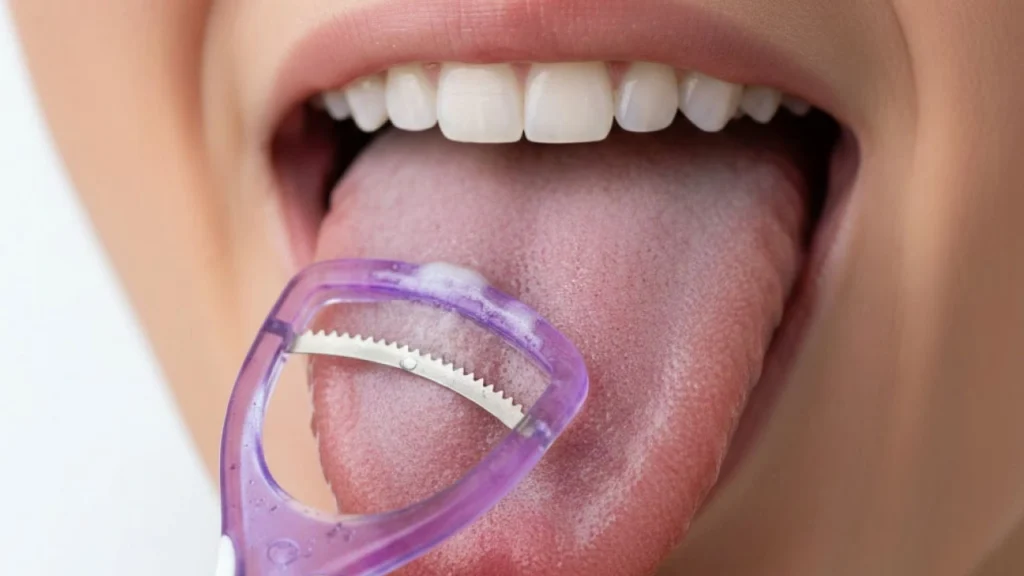
Step 1: Clean the tongue
Use a tongue scraper from back to front, 5–10 passes.
Step 2: Brush and floss thoroughly
Focus on the gum line and between teeth.
Step 3: Hydrate and stimulate saliva
Drink water. Chew sugar-free gum (xylitol is a good option).
Step 4: Use the right mouthwash
Pick based on the problem:
- Antibacterial rinse if gum issues are likely.
- Fluoride rinse for cavity risk (doesn’t target odor as strongly).
Avoid harsh alcohol-heavy rinses if they dry your mouth.
Step 5: Check “hidden” sources
- tonsil stones
- unclean retainers, aligners, night guards
- dentures that need proper cleaning
Long-term solutions that actually work
If you want lasting results, focus on the cause.
Improve your daily routine (simple, effective)
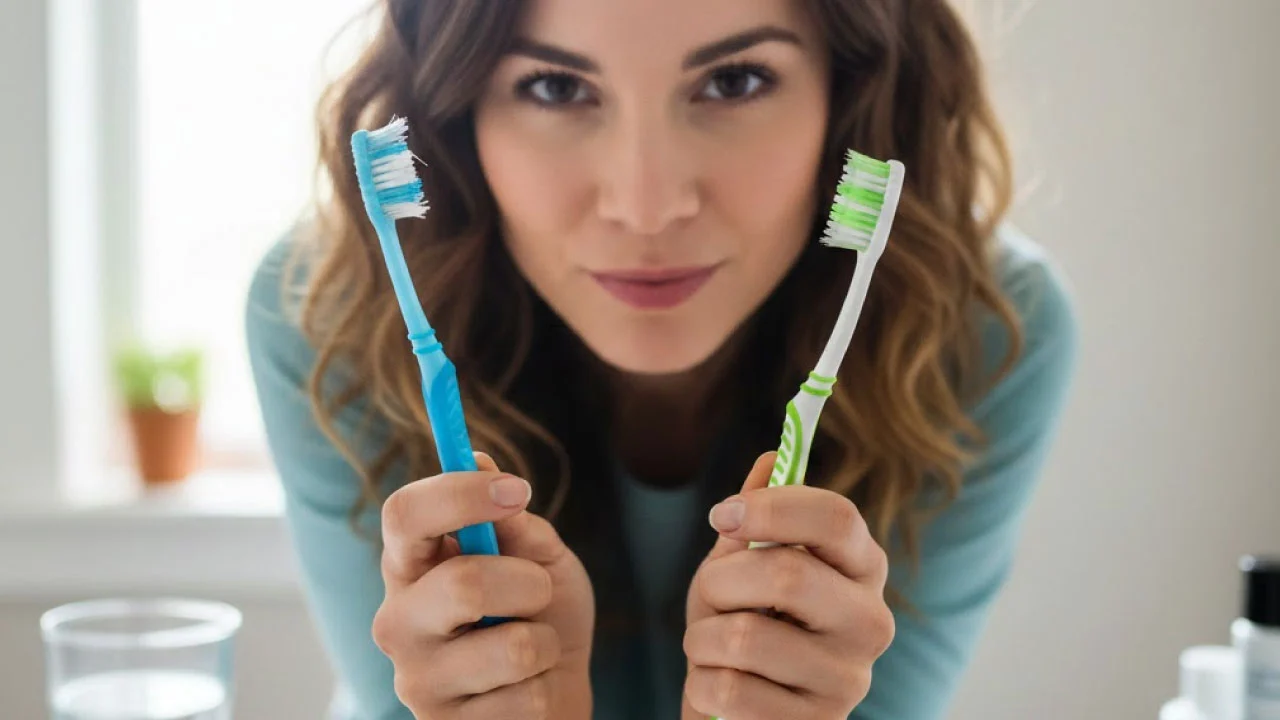
- Brush 2 minutes, twice daily
- Floss once daily
- Clean the tongue daily
- Replace toothbrush every 3 months
- Clean retainers/night guards daily
Fix gum disease early
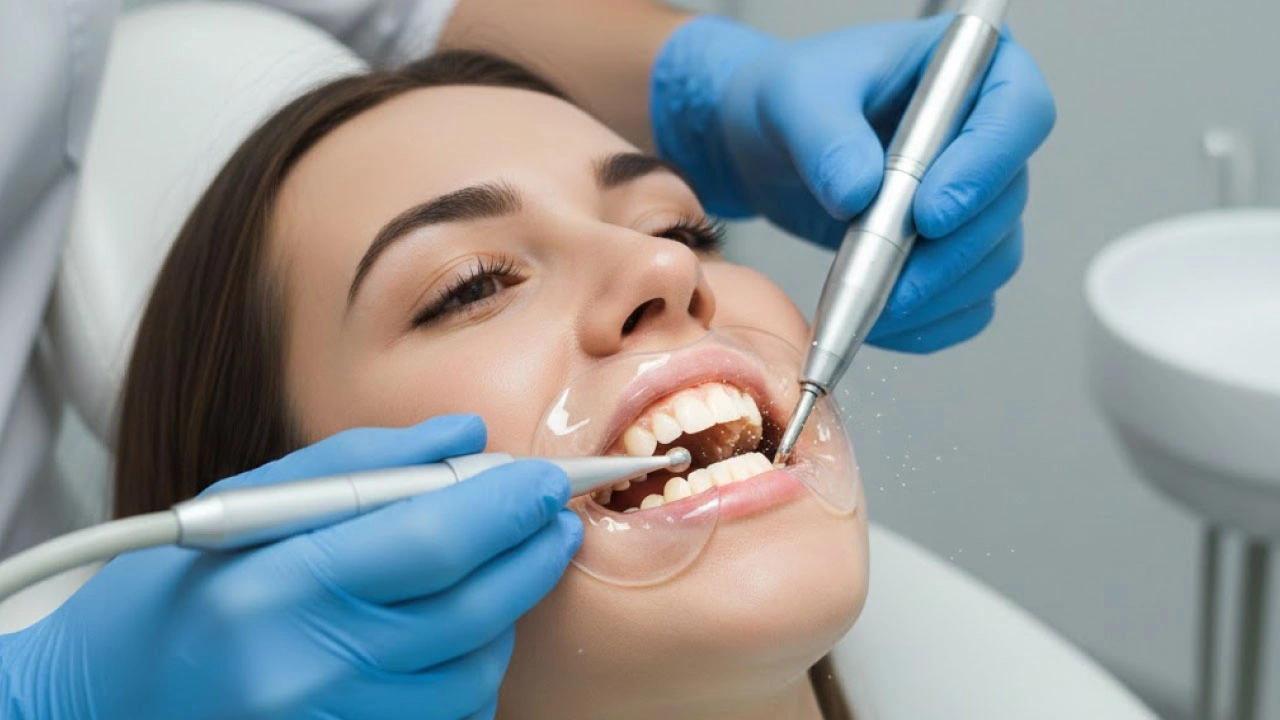
Professional cleaning and a dental exam can identify gum pockets and tartar that home care can’t remove.
Manage dry mouth
- sip water regularly
- limit alcohol and smoking/vaping
- ask a clinician if meds may contribute
- use saliva substitutes if needed
- nasal breathing (treat congestion)
Adjust diet if odor is frequent
- reduce frequent sugary snacks (feeds bacteria)
- add crunchy fruits/vegetables
- avoid skipping meals (fasting can worsen breath)
When to see a dentist or doctor
Get checked if:
- bad breath lasts more than 2–3 weeks
- you have bleeding gums, tooth pain, loose teeth, or swelling
- you suspect tonsil stones that keep returning
- you have reflux symptoms, chronic sinus issues, or unexplained weight loss
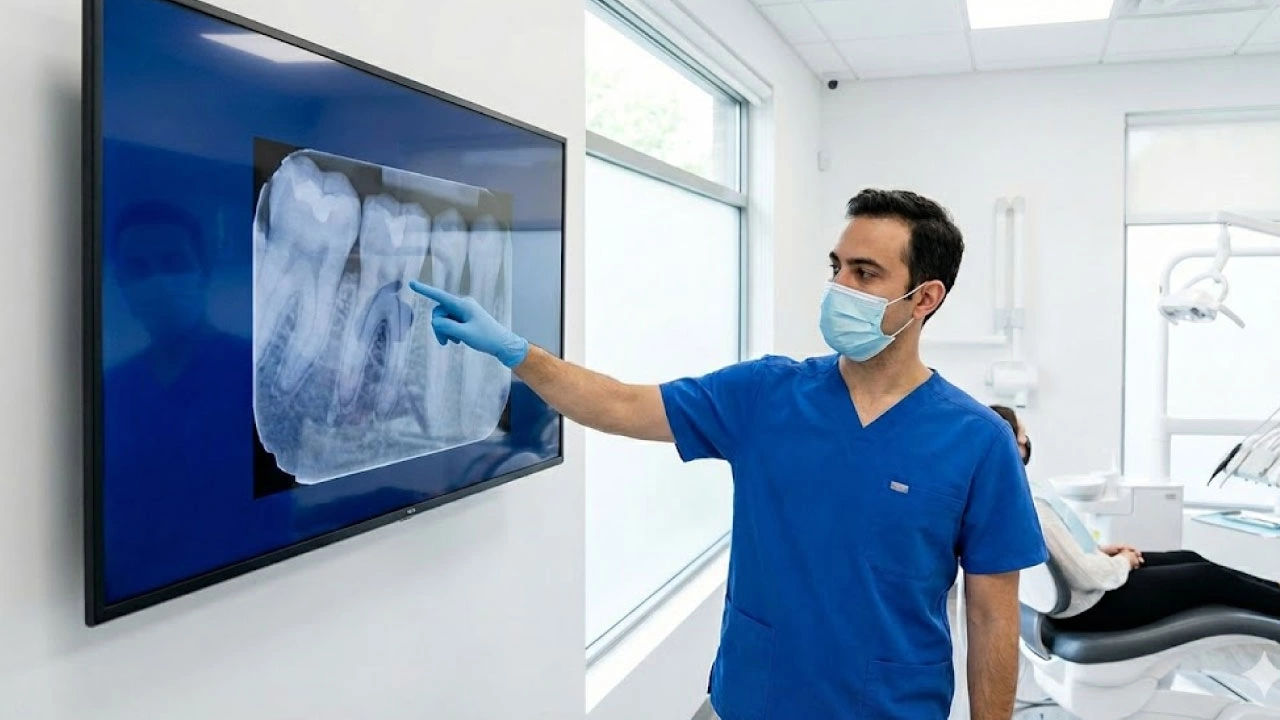
A dentist can rule out the most common causes quickly.
So… which celebrity has bad breath?
There’s no reliable, ethical way to answer that as a factual claim about real people. What you can take from the trend is this: bad breath is common, often caused by tongue coating, gum disease, or dry mouth, and it’s usually treatable with the right steps. If you’re worried about your own breath, you can solve it with a targeted routine and a checkup.