Tooth brushing mistakes toothpaste myths usually start the same way: brushing harder, brushing faster, and buying “whitening” labels without checking what the toothpaste does to tooth enamel. The fix is simple. Use gentle pressure at the gum line, use soft bristles, brush for 2 minutes, and pick a toothpaste that protects enamel instead of scraping it.
Myth 1: Tooth Brushing Harder Means Cleaner Teeth
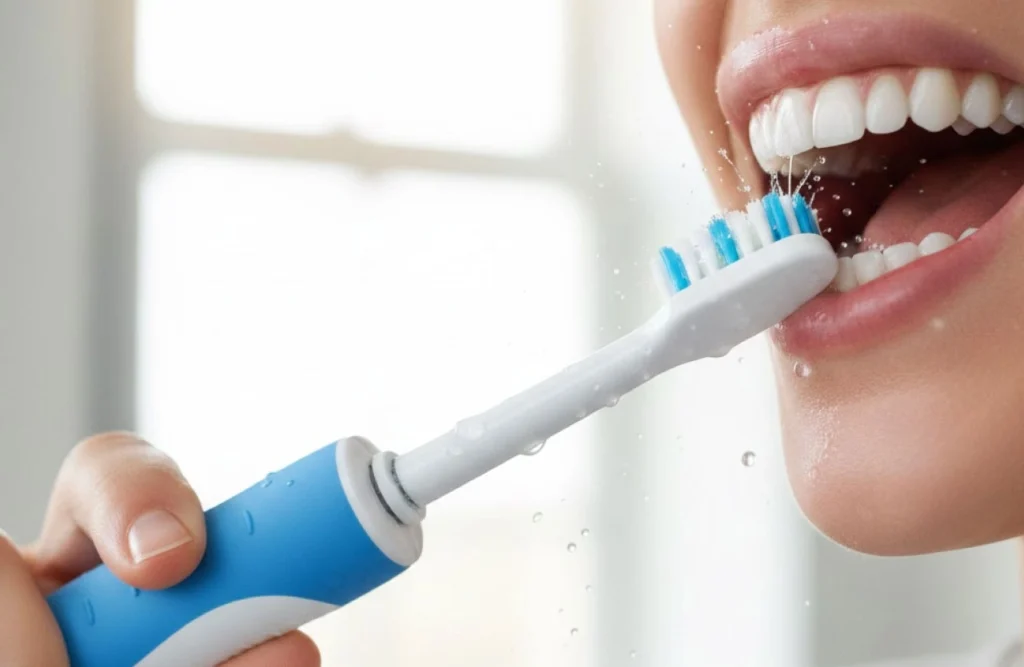
Brushing harder does not mean cleaner teeth. Brushing harder can push plaque around while damaging tooth enamel and the gum line. Over time, brushing too hard can lead to gum recession, exposed roots, and tooth erosion.
What works:
- Use soft bristles, not Medium bristles or hard bristles.
- Aim for gentle pressure and short strokes at the gum line.
- Replace a frayed toothbrush every 3–4 months so plaque removal stays effective.
Myth 2: If My Teeth Don’t Hurt, They’re Healthy
No pain does not mean no problem. Tooth decay and gum disease can build quietly. Plaque and bacteria can irritate gums, create pockets, and weaken enamel before any pain shows up.
What works:
- Keep morning brushing and nighttime brushing consistent.
- Watch for bleeding gums, bad breath that does not improve, and gum recession.
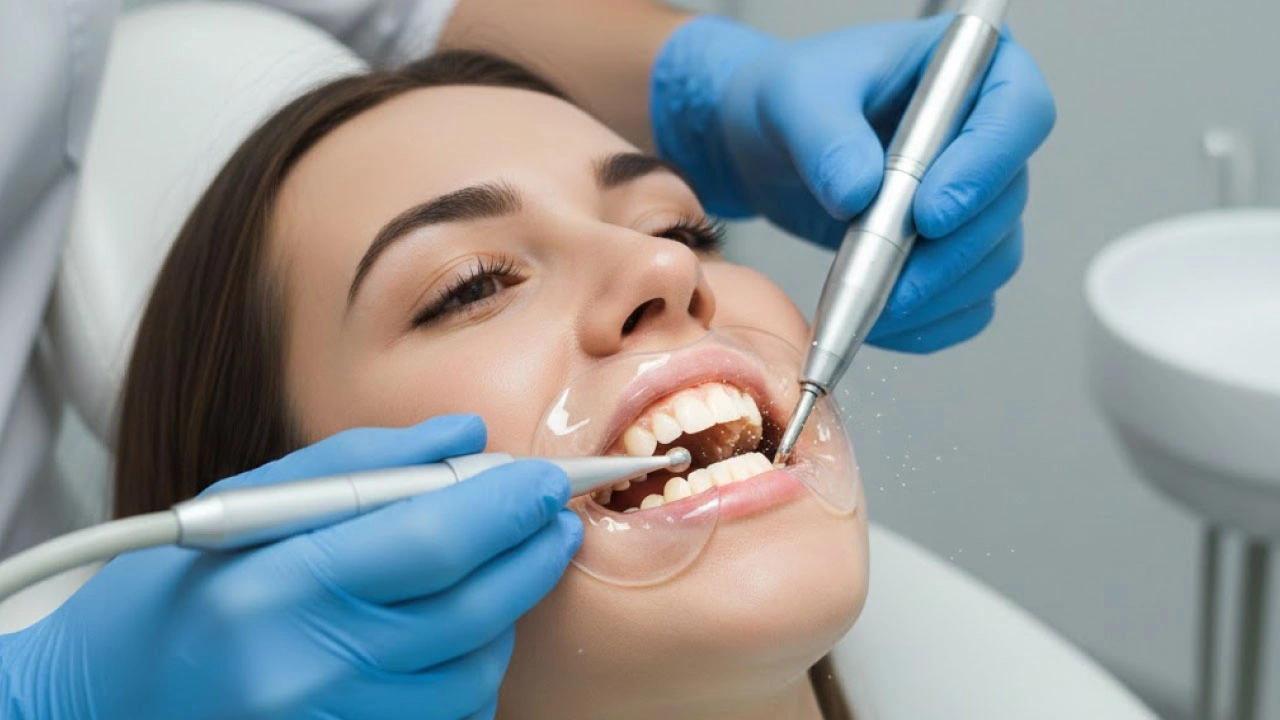
- Get routine checkups so a dentist can catch problems early.
Myth 3: Sugar Is the Only Cause of Cavities
Sugar is not the only cause of cavities. Cavities happen when bacteria feed on carbohydrates and produce acids that damage tooth enamel. Sticky starches, frequent snacking, and sipping acidic drinks can add risk even without candy.
What works:
- Brush twice per day with a Fluoride Toothpaste (FT) that is accepted by the American Dental Association.
- Rinse with water after acidic drinks.
- Wait before brushing after acidic foods or drinks so enamel can re-harden.
Myth 4: Baby Teeth Don’t Need Much Care—They’ll Fall Out Anyway
Baby teeth need care. Cavities in baby teeth can hurt, cause infection, and affect spacing for adult teeth. Early decay can also create habits that raise tooth decay risk later.
What works:
- Start brushing as soon as teeth erupt and supervise brushing until a child can spit toothpaste reliably.
- Use a tiny smear of fluoride toothpaste as advised by a dentist or pediatric guidance.

Myth 5: Whitening Toothpaste Can Dramatically Whiten Teeth
Whitening toothpaste cannot dramatically whiten teeth. Most whitening toothpaste focuses on surface stain removal, not deep bleaching. Many formulas rely on abrasive formulations that can scratch enamel and dull porcelain dental restorations.
What works:
- Treat whitening toothpaste as “stain control,” not real bleaching.
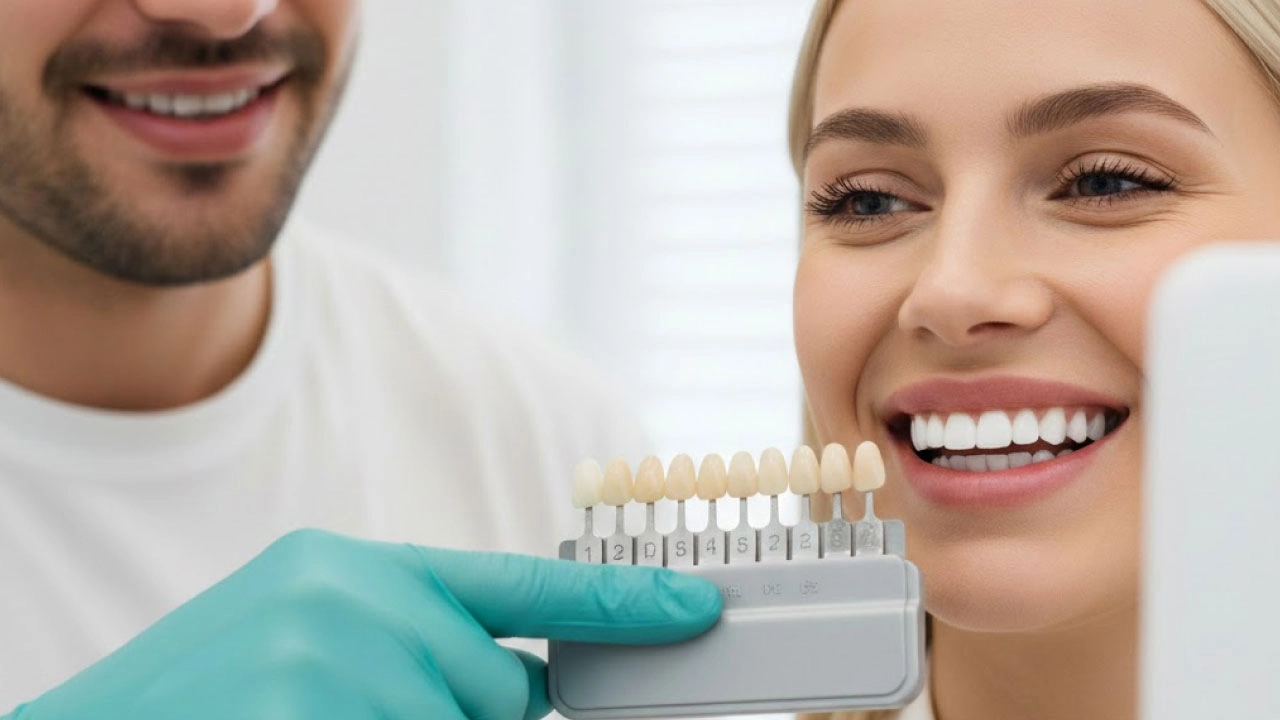
- Use dentist-guided bleaching (BL) options like white strips for occasional touch-ups if a dentist says enamel and gums are suitable.
- Be careful with charcoal toothpaste. Research and dental publications warn about abrasiveness concerns, and ADA-related sources note that activated charcoal toothpastes have limited proven benefit and may pose risks. (Health.harvard)
Myth 6: Flossing Isn’t Required If You Brush Well
Flossing is required even if brushing is good. A toothbrush cannot reliably clean between teeth where plaque collects. Skipping floss raises gum disease and tooth decay risk between teeth.
What works:
- Floss once daily (nighttime is a strong choice).
- If string floss is hard to use, ask a dentist about alternatives that still clean interdental spaces.
Myth 7: You Only Need to See the Dentist If You Have a Problem
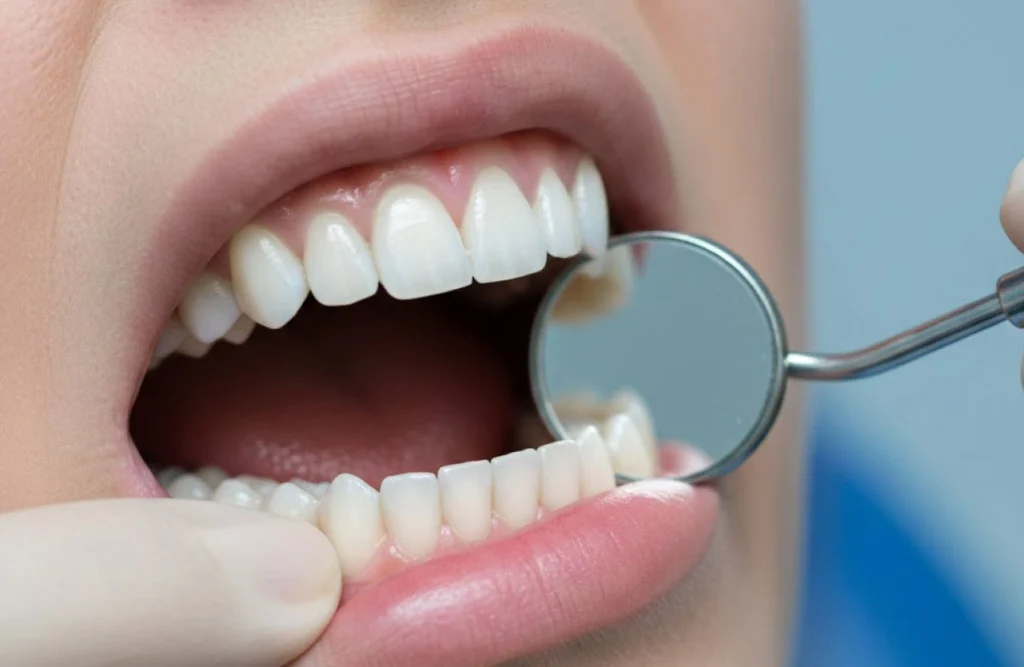
Waiting for a problem costs more and hurts more. Regular visits catch early gum disease, small cavities, and bite wear before pain starts.
What works:
- Schedule routine cleanings and exams.
- Ask for personalized advice if there is sensitivity, recession, or frequent staining.
Debunking Common Common Oral Care Misconceptions is the First Step Toward Healthier Teeth
Debunking tooth brushing mistakes toothpaste myths helps protect tooth enamel, reduce gum recession, and lower the chance of exposed roots and tooth erosion. Toothbrushes and Toothpaste exist for one core job: remove plaque, reduce bacteria, and protect teeth and gums. Used correctly, toothbrushes and toothpaste help prevent gum disease and tooth decay. Used incorrectly, toothbrushes and toothpaste can cause recession and erosion.
Choosing & Using Your Toothbrush
Start with the brush.
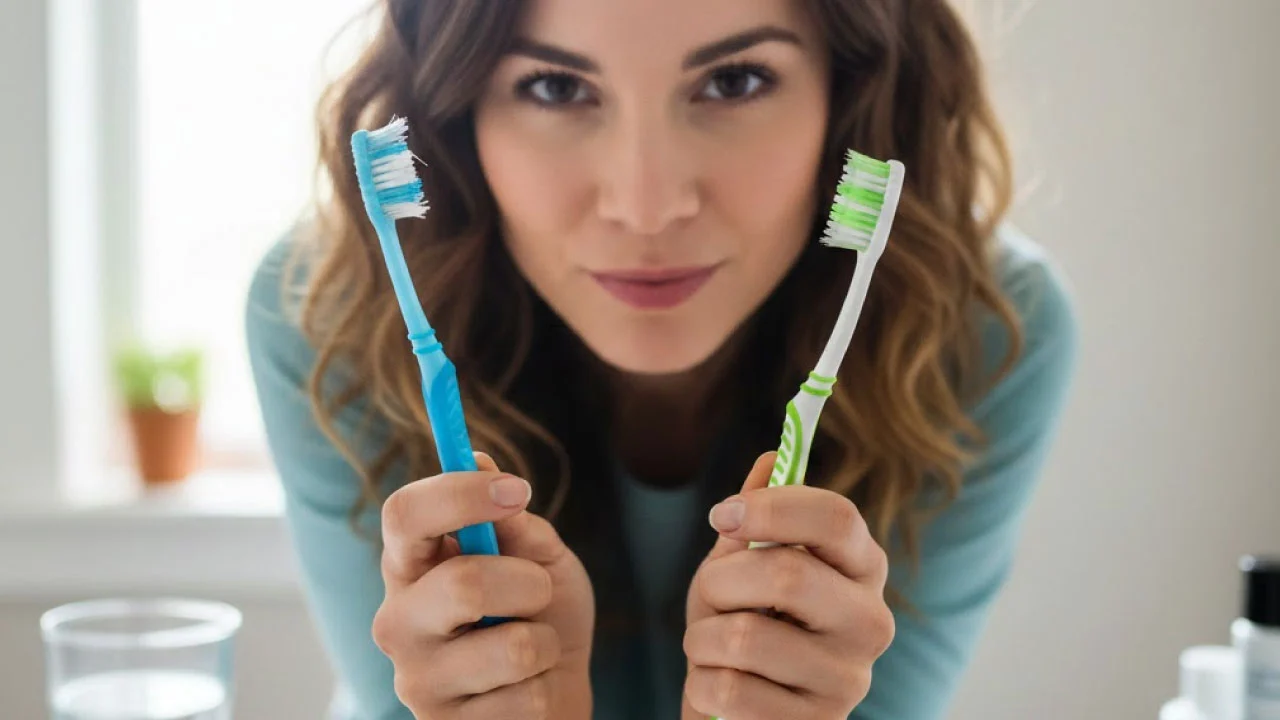
- Choose soft bristles. Soft bristles clean plaque while lowering erosion risk.
- Avoid Medium bristles and hard bristles if there is recession, sensitivity, or exposed roots.
- Keep the bristles at the gum line and use gentle, controlled motion instead of wide “sawing” strokes.
A powered brush can help many people brush more consistently. Manual and powered toothbrushes can both work when used correctly.
Brand examples people recognize:
- Philips Sonicare toothbrush models are popular for timers and gentle vibration.
- Oral-B makes powered brushes with different head styles.
The Timer is Your Friend!
Brush for 2 minutes. The consensus recommendation is brushing twice daily for two minutes with a soft-bristled toothbrush.
Rob’s reminder often highlights a simple reality: many people stop early when no timer is present. A 2-minute timer keeps morning brushing and nighttime brushing honest.
Toothpaste:
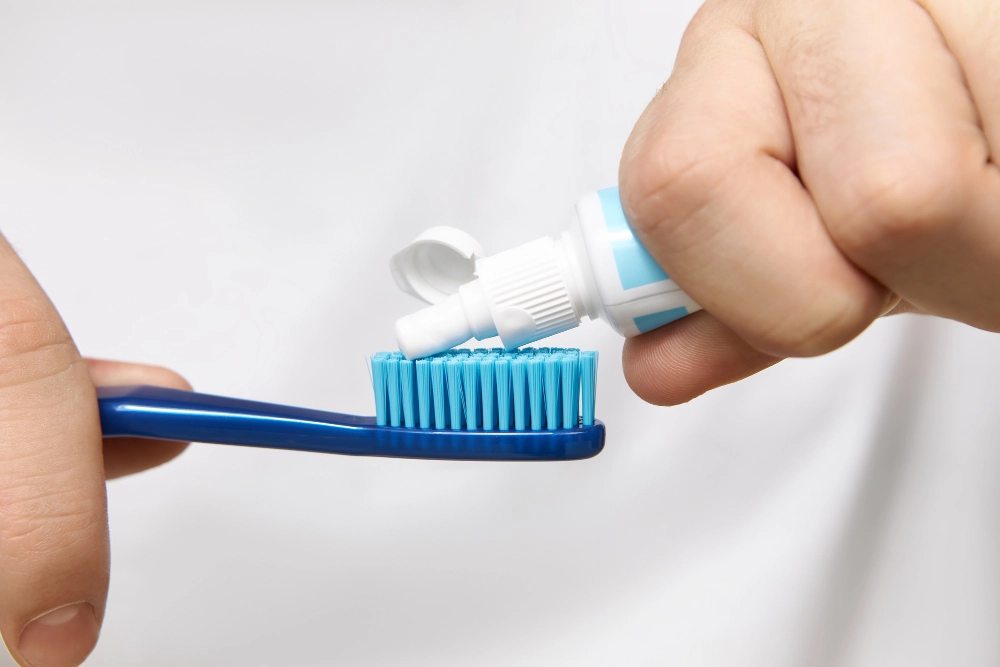
Toothpaste formulas vary. Some focus on cavity protection, some target sensitivity, and some target stain removal.
What to look for:
- Use an ADA-accepted fluoride toothpaste when possible.
- If sensitivity is present, a Sensitivity Toothpaste (ST) can help by calming nerve response over time.
Ingredient reality:
- Abrasives help scrub stains and plaque, but abrasive formulations can raise wear risk when brushing technique is aggressive. RDA value is one way to estimate abrasion.
Beware: Whitening Toothpaste
Whitening toothpaste is often more abrasive than standard toothpaste, and some charcoal toothpaste products raise extra concern.
What really happens:
- Whitening toothpaste may remove surface stains, but whitening toothpaste does not create bleaching-level change for deeper discoloration.
- Abrasive toothpaste can scratch porcelain restorations and contribute to enamel wear when brushing too hard.
A quick rule:
- Check for low abrasion when possible. RDA charts commonly classify 0–70 as low abrasive and 70–100 as medium, and higher numbers mean higher abrasion.
If teeth look darker and staining keeps returning, ask a dentist about controlled bleaching, white strips, or professional options instead of escalating abrasiveness.
Tips to a Healthier You
These tips reduce tooth brushing mistakes and neutralize toothpaste myths.
- Brush twice daily for 2 minutes with gentle pressure and soft bristles. (ADA)
- Replace the toothbrush every 3–4 months or when bristles fray.
- Wait before brushing after acidic drinks or acidic foods so enamel can re-harden. (mouthhealthy)
- Floss daily so plaque does not sit between teeth.
- Use fluoride toothpaste for daily cavity prevention.
Final Thoughts: The Importance of Oral Care Facts
Tooth brushing mistakes toothpaste myths cause enamel damage, gum recession, tooth erosion, and plaque buildup. Replace harmful brushing habits with correct brushing technique, fluoride toothpaste, soft bristles, and routine dental visits. Evidence-based oral care improves plaque removal, protects tooth enamel, and prevents gum disease at every age.