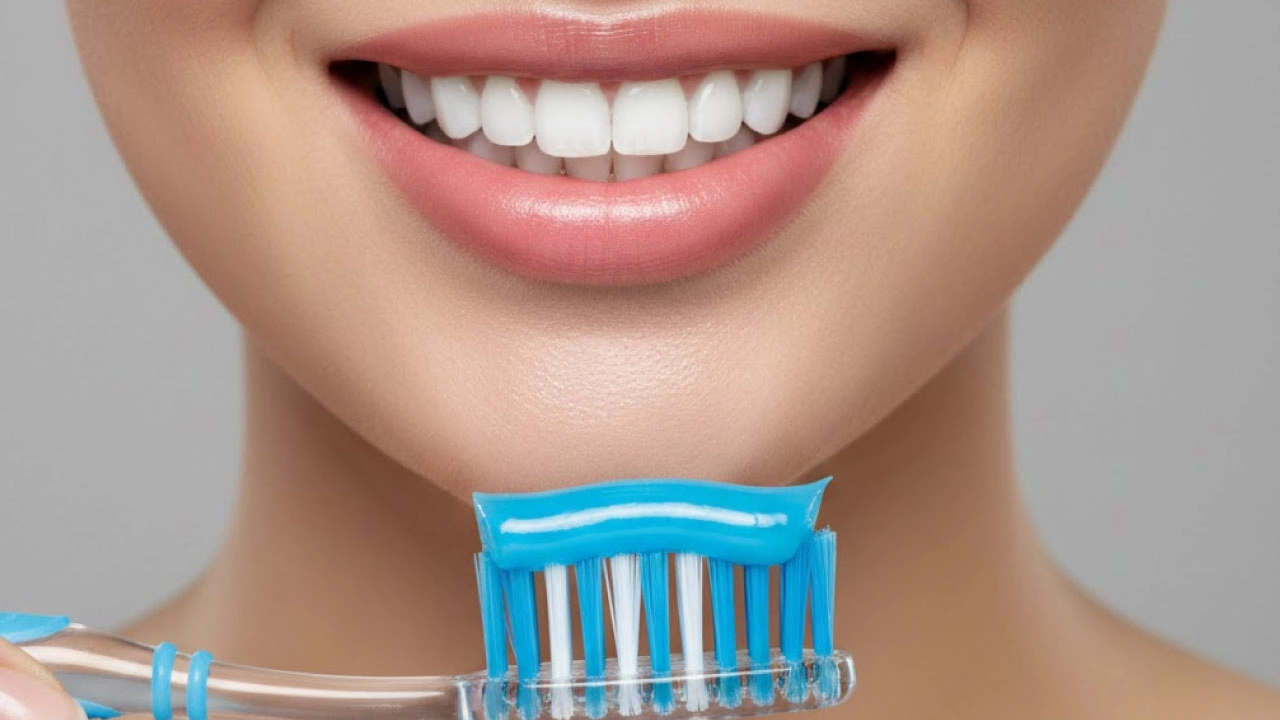
Yes, too much toothpaste can be bad for you because it increases unnecessary fluoride exposure (especially in children), creates excess foam that reduces brushing accuracy, and can raise enamel wear and gum irritation when the formula is abrasive. Using more toothpaste does not make teeth cleaner.
A full ribbon of toothpaste looks normal in ads, but dentists usually recommend a small dab. The goal is plaque removal with the toothbrush, not a mouth full of foam.
How Much Toothpaste Should You Use?
Adults and children over 3 years should use a pea sized amount, and young children under 3 years should use a rice grain sized smear.
This guidance aligns with recommendations from the American Dental Association (ADA) and the US Centers for Disease Control and Prevention (CDC). A 2019 CDC report found that nearly 40% of children aged 3–6 used more toothpaste than recommended, increasing the risk of excessive fluoride ingestion.
Using the correct amount keeps fluoride exposure safe while still delivering its cavity-protecting benefits.
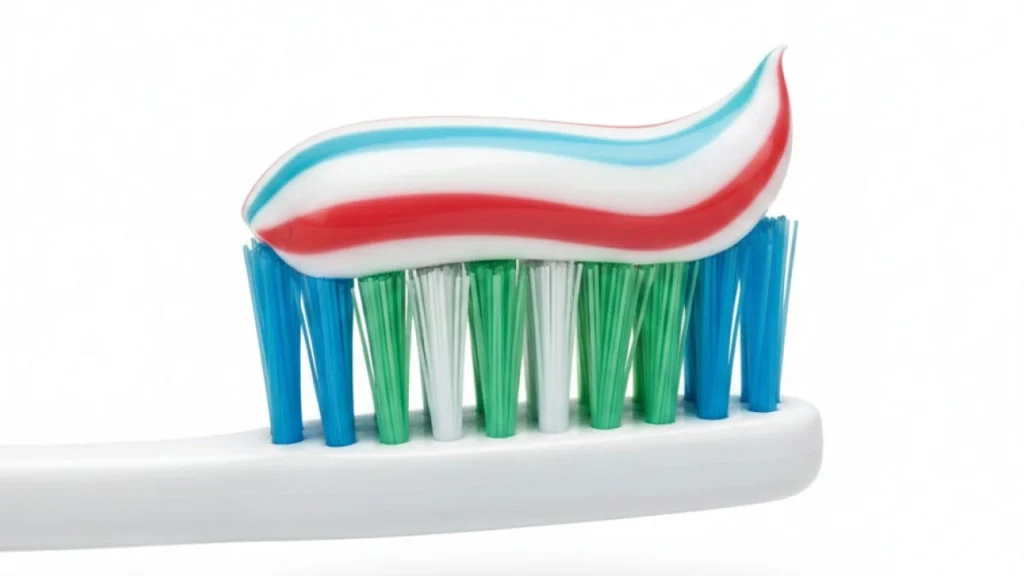
How Much Toothpaste Should You Use?
A simple rule works for most households: rice-grain sized for toddlers, pea-sized for everyone else. The American Dental Association (ADA) recommends a smear the size of a grain of rice for children under 3, and a pea-sized amount for ages 3–6.
What is the Right Amount of Toothpaste?
Use the age-based amounts below:
- From tooth eruption to age 3: a rice grain sized smear of fluoride toothpaste.
- Ages 3–6: a pea sized amount of fluoride toothpaste.
- Ages 7+ and adults: a pea sized amount is enough for daily brushing.
This matches public health messaging because young children often swallow toothpaste. The US Centers for Disease Control and Prevention (CDC) has reported a high share of children using more toothpaste than recommended, which increases dental fluorosis risk.
Consequences of Overusing Toothpaste
Too much toothpaste can backfire in several ways:
- More foam, less control. A mouth full of foam can make people rush, miss the gum line, and stop early.
- Higher abrasion risk. Some toothpastes contain silica and other abrasive particles that polish stains. Abrasion can increase enamel wear and irritate gums, especially with hard scrubbing.
- More irritation triggers. Strong detergents and flavor systems can irritate sensitive mouths. Sodium Lauryl Sulfate (SLS) is a common foaming agent; some people report irritation or canker sore flare-ups with SLS-containing products.
- More waste. Overuse burns through tubes faster and increases cost without improving results.
Consequences of Kids Overusing Toothpaste
Kids are the highest-risk group because they swallow toothpaste more often than adults. Excessive fluoride ingestion in young children can increase the risk of dental fluorosis, which affects developing permanent teeth.
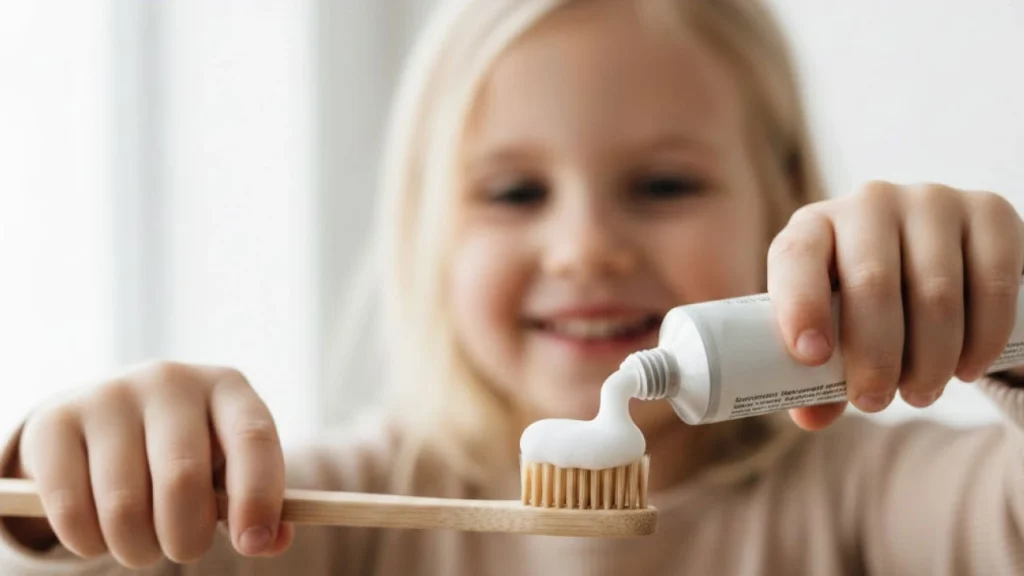
Yellow Teeth
Mild fluorosis can show as white lines, chalky patches, or uneven discoloration on permanent teeth. In some cases the appearance can shift toward yellow or brown staining as the enamel surface becomes uneven.
Cavities
Fluorosis is not the same thing as cavities, but severe fluorosis can weaken enamel structure, which can make teeth more vulnerable. The safer approach is still the simplest: use the correct smear/pea sized amount and supervise brushing.
Why Toothpaste Can Do More Harm Than Good
Toothpaste supports oral hygiene, but toothpaste is not the main cleaning force. The toothbrush and technique remove plaque at the gum line.
Toothpaste is a Cosmetic
Toothpaste is primarily a cosmetic oral hygiene product. It freshens the mouth and delivers active agents. It does not mechanically remove plaque. Toothbrush friction performs cleaning.
The following components explain how toothpaste can shift from helpful to excessive toothpaste harmful.
Fluoride
Fluoride is a fluoride additive regulated in the United States by the Food & Drug Administration (FDA). Fluoride toothpaste strengthens enamel and reduces cavities. However, excessive fluoride ingestion during childhood causes dental fluorosis.
Fluoride benefits and risks depend on dose.
Foam
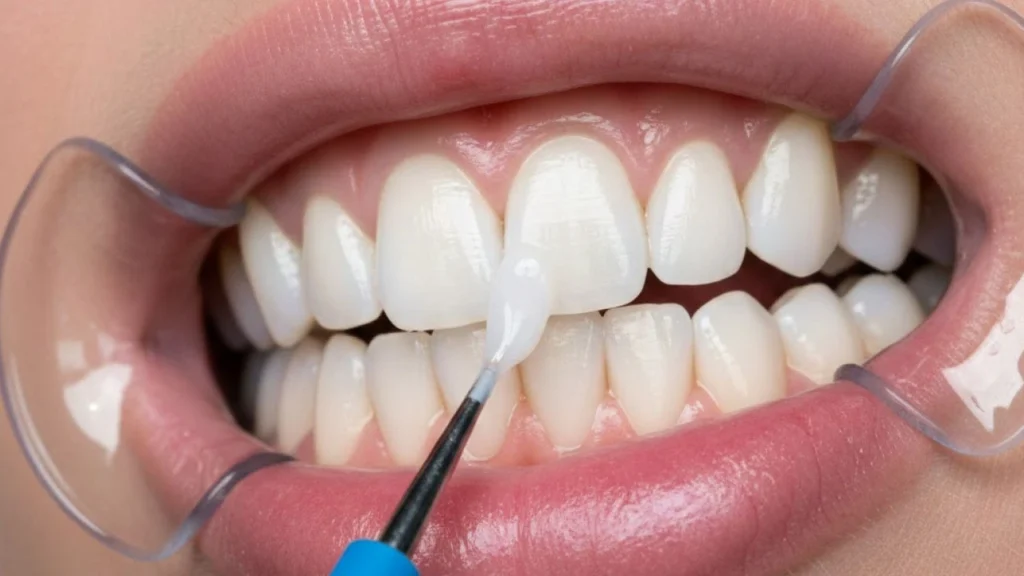
Sodium Lauryl Sulfate is a detergent. Foam creates a clean feeling but does not increase plaque removal. Foam can mask brushing errors and shorten brushing time below the recommended two minutes.
Abrasive Particles
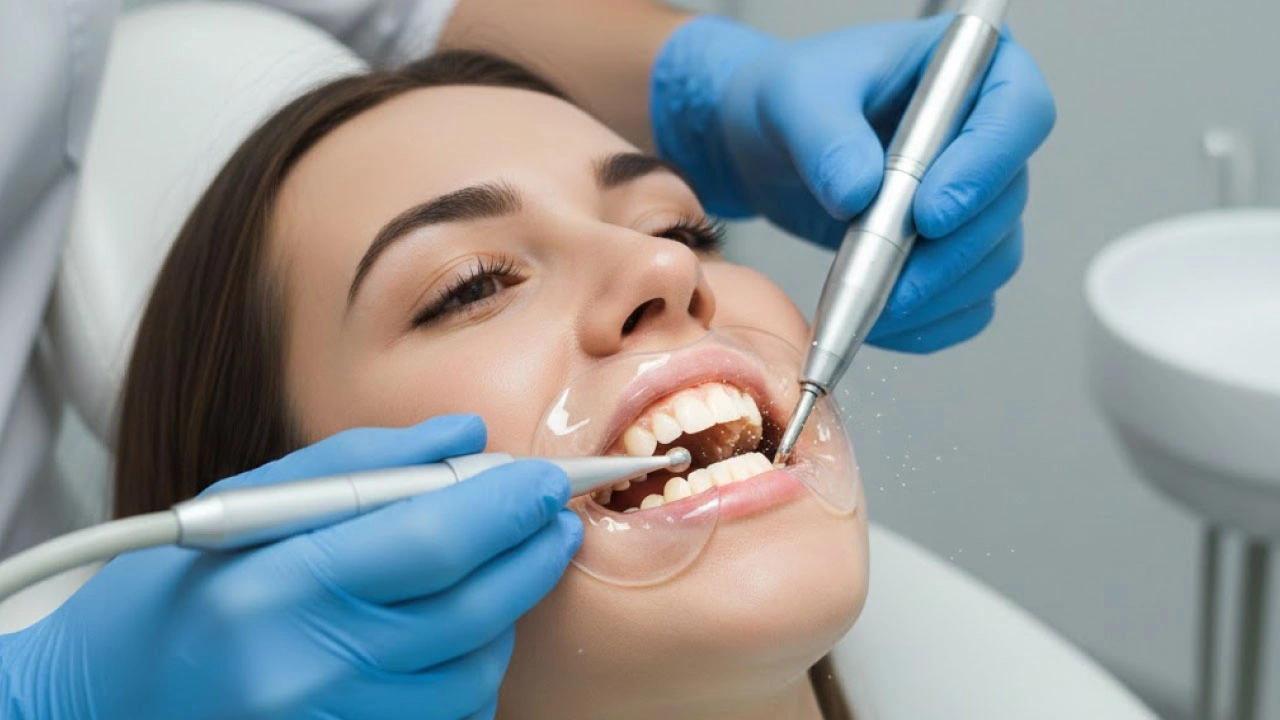
Silica acts as a whitening ingredient. Whitening toothpaste increases surface polishing. Excessive abrasion harms enamel and causes enamel wear. Professional dental polishing by a hygienist removes stains in about 30 minutes with controlled tools, reducing enamel abrasion risk.
Desensitizers
Potassium nitrate and stannous fluoride reduce tooth sensitivity. They treat symptoms but do not repair damaged enamel.
Tartar Control
Tartar control agents prevent calculus buildup. Strong detergents may increase gum irritation in sensitive patients.
Triclosan
Triclosan reduces bacteria between tooth and gum. Its safety has been debated, but current data show approved levels are considered safe in regulated formulations.
You’re Using Too Much
Using a full ribbon wastes product and increases fluoride excess. A pea sized amount provides full benefit. More paste does not increase cleaning power.
You’re Not Taking Enough Time
Brush for two minutes, twice daily. Less than two minutes leaves plaque behind, even with more toothpaste.
You’re Not Paying Attention
Move the toothbrush across every surface: front, back, chewing surfaces, and gumline. Aggressive brushing dangers include long-term gum recession and enamel abrasion. Gentle pressure with a soft brush improves oral hygiene without causing enamel damage.
The Solution
There are 4 clear actions:
- Use a rice grain sized smear for children under 3.
- Use a pea sized amount for children over 3 and adults.
- Brush for two minutes with controlled pressure.
- Spit out excess paste and avoid swallowing fluoride toothpaste.
Choose a toothpaste that fits your dental needs, such as fluoride toothpaste for cavity prevention or sensitive teeth formulas for discomfort. Consult a dentist, hygienist, periodontist, or physician if symptoms like gum irritation, tooth discoloration, or enamel wear appear.
Technique protects teeth more than excess paste.
FAQs on Right Amount of Toothpaste
What is the right amount of toothpaste for adults?
A pea sized amount is enough for adults for effective daily brushing.
What is the right amount of toothpaste for toddlers?
A rice grain sized smear is recommended from tooth eruption to age 3.
What happens if kids swallow toothpaste every day?
Swallowing toothpaste increases fluoride ingestion and can raise the risk of dental fluorosis in developing permanent teeth.
Can whitening toothpaste damage enamel?
Whitening toothpaste can increase abrasion, especially with hard brushing. Abrasion risk varies by formula and RDA level.
Should adults avoid fluoride toothpaste if they use only a little?
No. A small amount of fluoride toothpaste still supports enamel protection.
Should you rinse after brushing?
Many dentists recommend spitting out excess and avoiding heavy rinsing so fluoride can stay on teeth longer. Ask your dentist what fits your cavity risk.
A Better Approach for Gum Care Than Using More Toothpaste
While using the right amount of toothpaste and improving brushing technique can prevent enamel wear and gum irritation, many people also look for ways to support their gum health beyond traditional toothpaste.
One option some people explore is Nature’s Smile, a plant-based oral care formula designed to help support gum health and maintain a balanced oral environment.
Unlike many conventional oral products that rely heavily on strong detergents or harsh chemicals, Nature’s Smile uses herbal extracts traditionally used for gum care, such as oak bark, chamomile, and yarrow. These botanical ingredients are commonly associated with helping soothe irritated gums, support healthy gum tissue, and maintain fresher breath.
Because gum irritation and plaque buildup often start along the gumline, products designed specifically for gum support can complement regular brushing and flossing. Many people include Nature’s Smile as part of their daily oral care routine to help maintain healthier gums and a cleaner oral environment.
Final Word
Too much toothpaste damages teeth through enamel abrasion, excessive fluoride exposure, and gum irritation. Dental fluorosis in young children, enamel wear in adults, and long-term oral health imbalance result from ignoring portion size. The amount of toothpaste determines whether fluoride supports or harms dental health especially during early development. Use the right amount toothpaste daily, and protect permanent teeth from preventable damage.