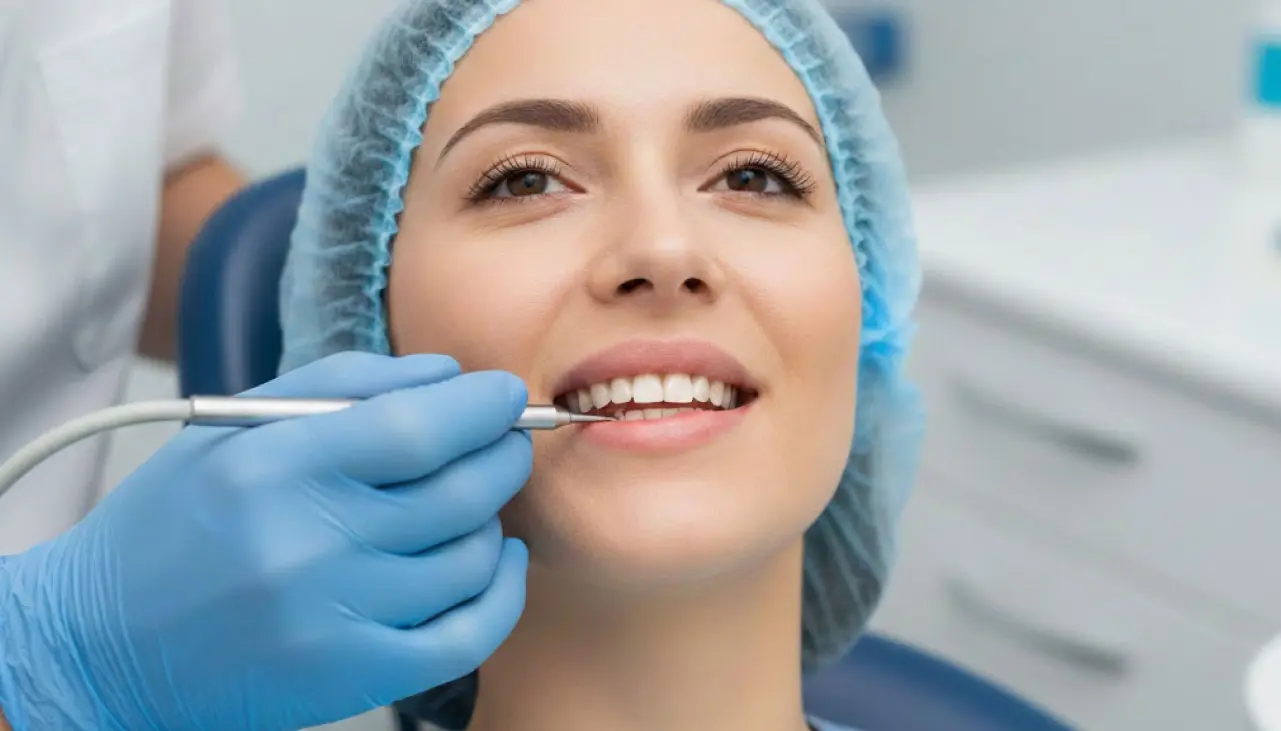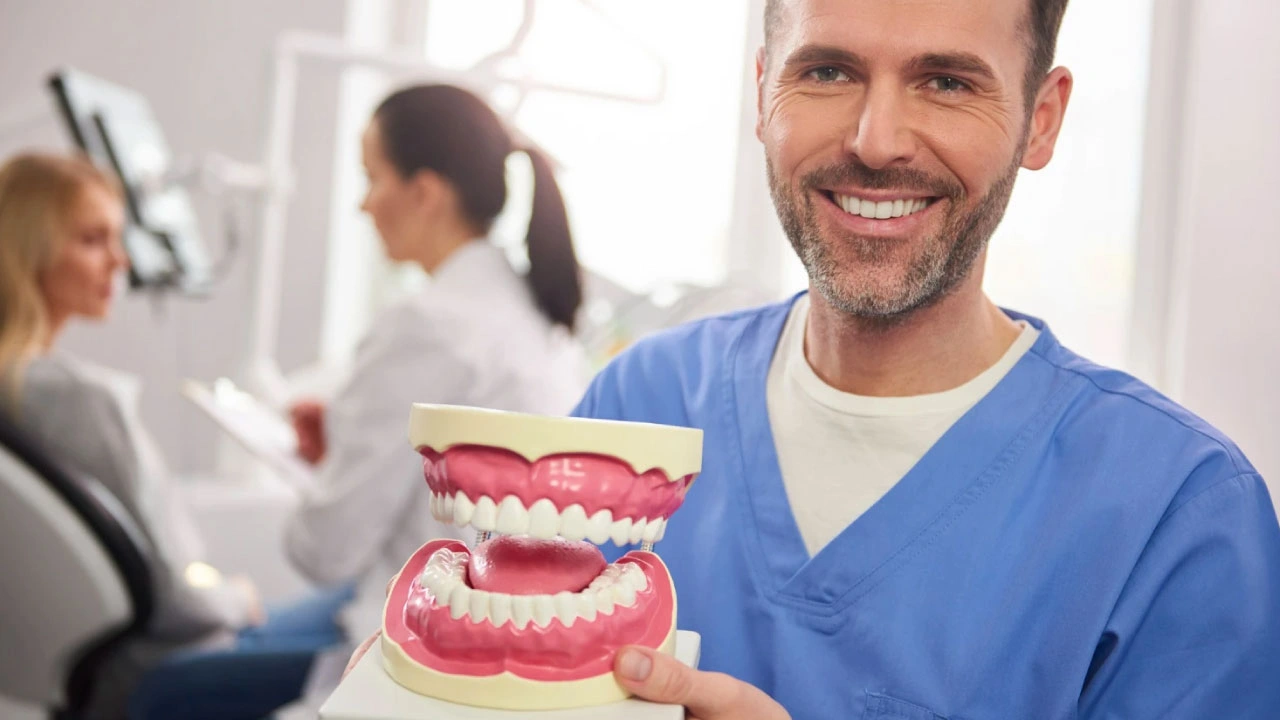

Preventive dental care overall health has a direct link: preventive dentistry reduces oral disease risk and lowers inflammation and bacterial load that can affect the rest of the body. Routine check-ups, dental hygiene, fluoride, dental sealants, and early detection protect teeth and gums, and they support long-term health by lowering the chance of advanced gum disease, tooth loss, and avoidable infections.
The Power of Preventive Dental Care: A Guide to Healthy Smiles
Preventive dental care overall health starts with proactive care, not emergency care. Preventive Dental Care includes home practices and professional services that keep plaque and tartar under control, protect tooth enamel, and catch cavities, gum disease, bone loss, and oral cancer early. Modern practices in the United States often include digital X-rays, digital imaging, and screenings that support early detection and lower treatment needs.
Understanding the Foundation of Preventive Dentistry
Preventive dentistry is the set of preventive measures that keeps teeth and gums stable over time. The foundation has 4 parts:
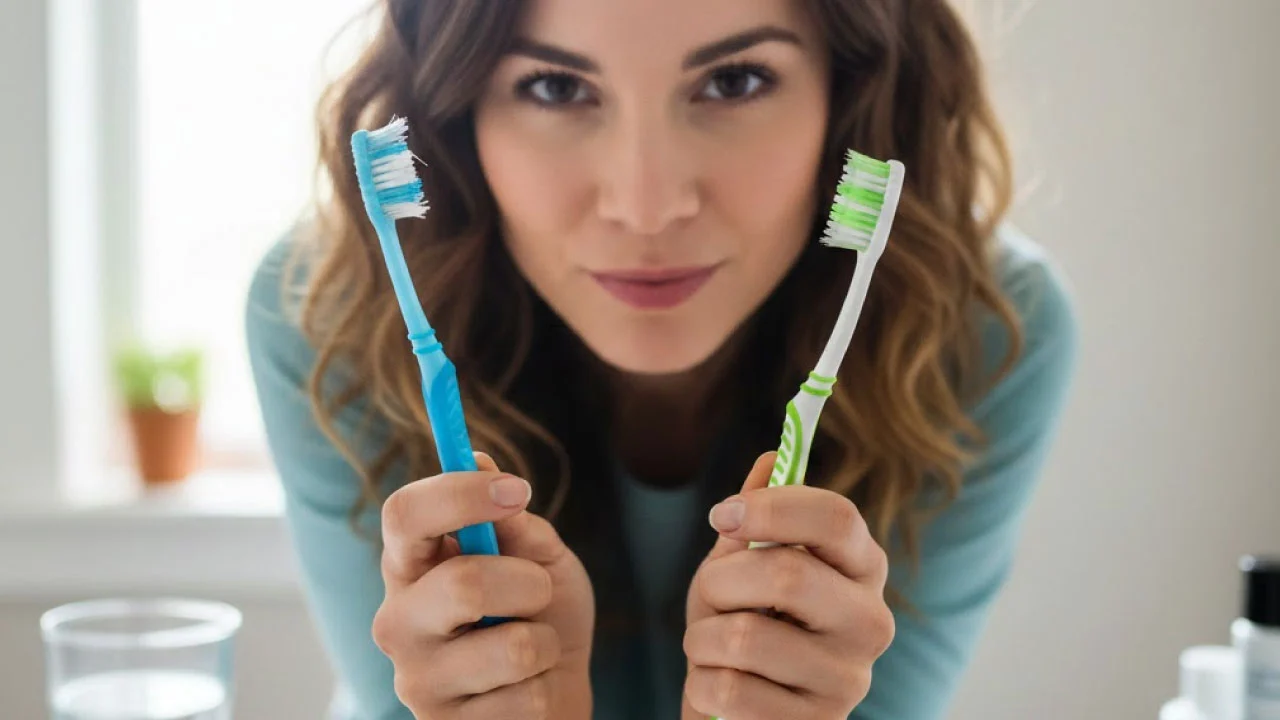
- Routine hygiene techniques at home: brushing with fluoride toothpaste, flossing, and mouth rinses to control plaque and oral bacteria
- Regular dental checkups: exams, professional cleaning, and risk-based prevention planning
- Early detection tools: X-rays (often digital X-rays), oral cancer screening, and periodontal evaluation
- Targeted prevention: fluoride varnish, dental sealants, and periodontal maintenance when needed
A modern example is Chester Oral Surgery, which describes prevention as a mix of routine check-ups, home practices, and advanced options when needed, including services like CBCT and sinus lift planning.
The Integral Role of Oral Health in Overall Well-being
Oral health is not isolated. The mouth contains a dense oral microbiome, and gum inflammation can increase how often bacteria enter the bloodstream during daily activities. Periodontal disease has documented associations with systemic conditions, even when direct causality is still being studied in many areas.
How does dental care affect overall health?
Dental care affects overall health in 5 practical ways:
- Reduces chronic inflammation by controlling gum disease
- Lowers bacterial burden by disrupting plaque biofilm and removing tartar
- Protects nutrition by preventing tooth loss and chewing problems
- Supports chronic disease management (especially diabetes) through periodontal control
- Catches serious disease early through screenings, including oral cancer checks
Preventive Dentistry: Pillars and Practices for Lifelong Oral Health
Preventive dental care overall health is strongest when prevention is consistent. The goal is fewer cavities, less gum disease, less tooth loss, and fewer high-cost procedures.
Why is preventive dentistry important?
Preventive dentistry is important because most oral health conditions are largely preventable and easier to treat in early stages. Delayed care raises the risk of periodontal disease, bone loss, and tooth loss, and it increases the chance that care becomes invasive and expensive.
What are the key components or pillars of preventive dental care?
There are 7 key components that show up in most preventive dentistry plans:
- Routine check-ups and regular dental check-ups (often every 6 months for many people)
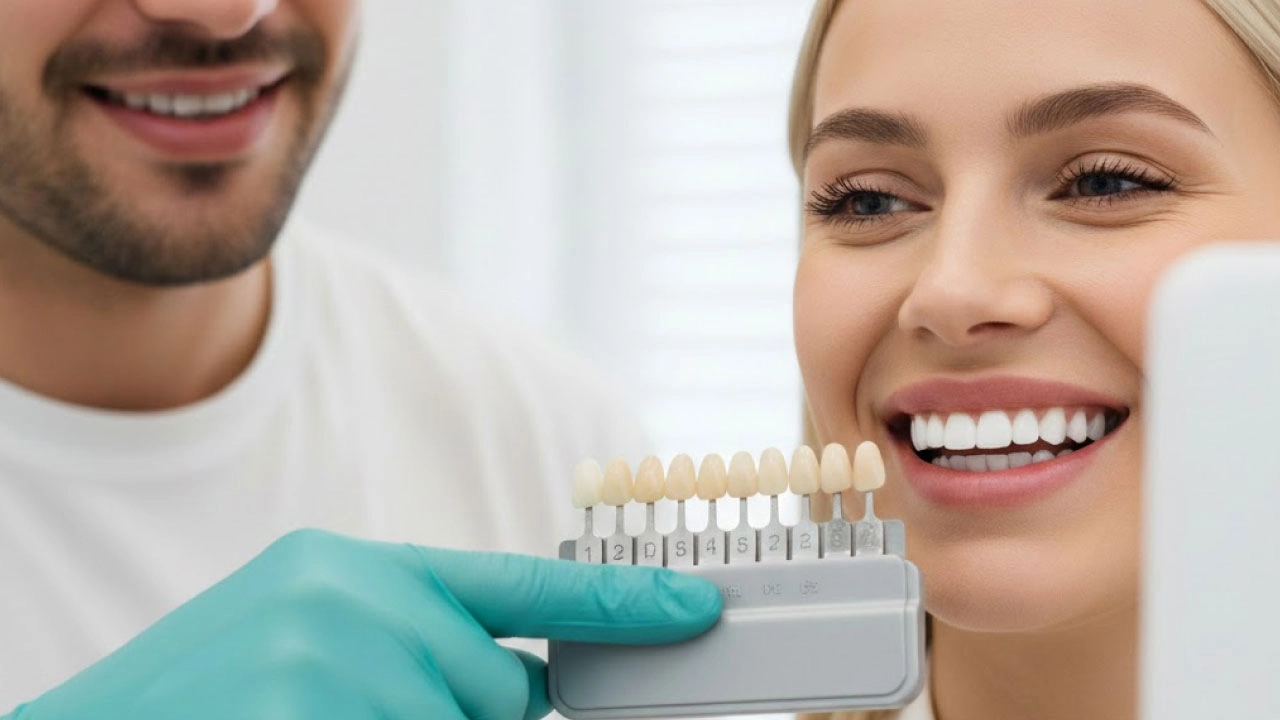
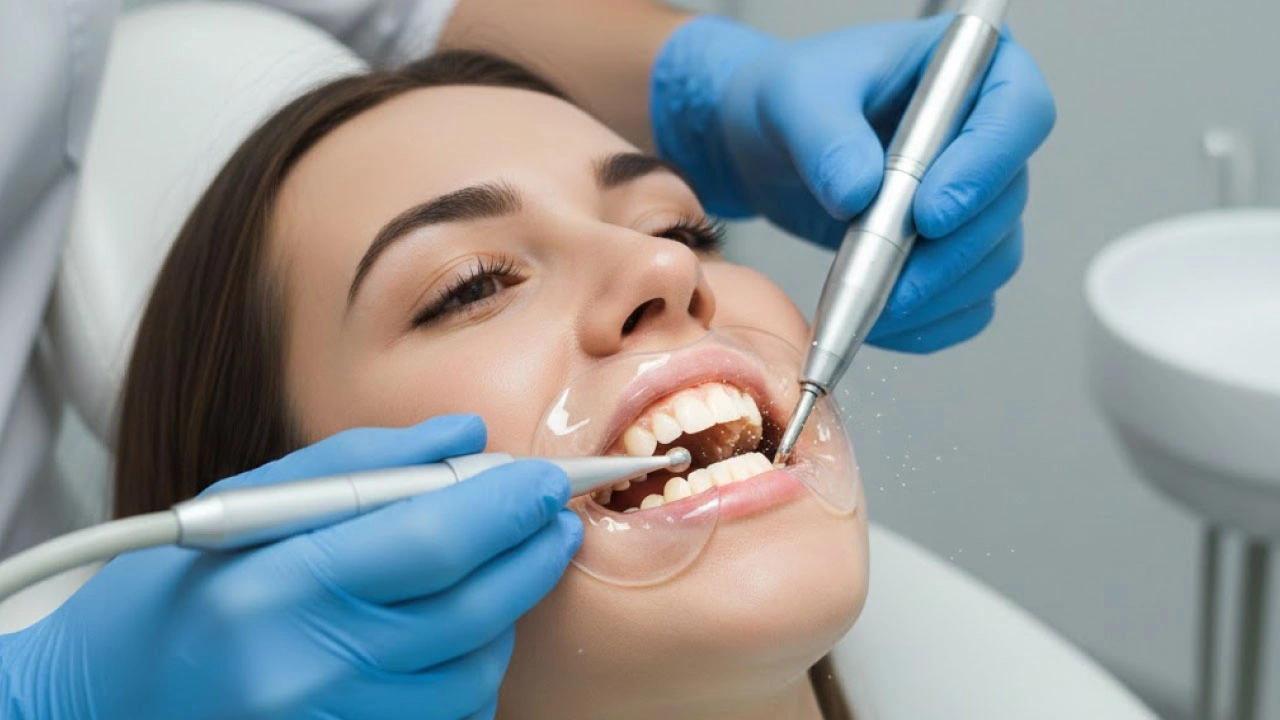
- Professional cleaning to remove plaque and tartar
- Fluoride (fluoride toothpaste, fluoride varnish for risk-based care)
- Dental sealants for pit-and-fissure protection
- X-rays and digital X-rays when clinically indicated
- Oral cancer screening during routine exams
- Periodontal care (scaling, root planing, maintenance) when gum disease is present
Importance of good oral hygiene habits
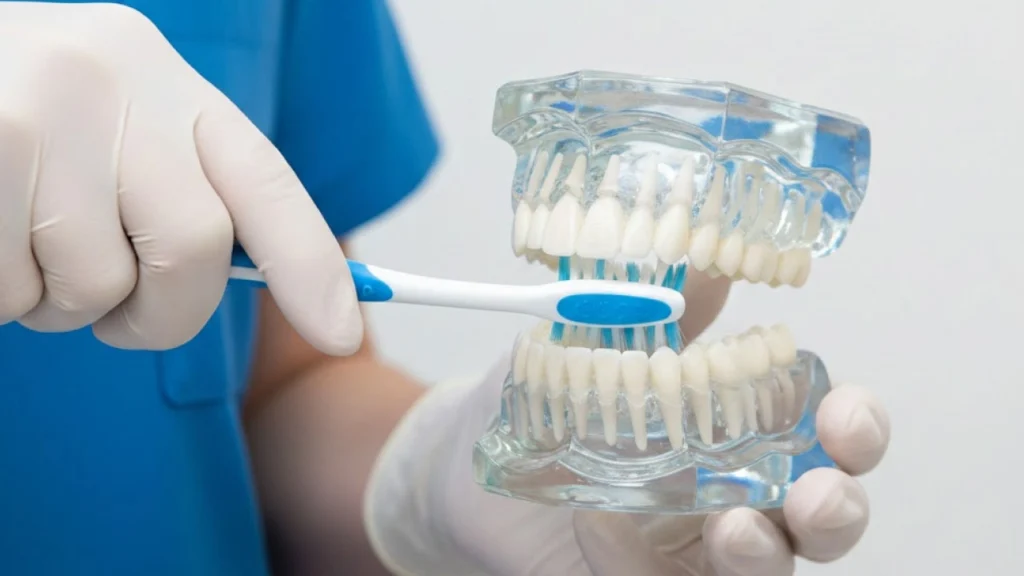
Good dental habits are daily disease control. Brushing twice a day with fluoride toothpaste for two minutes, cleaning between teeth daily, and limiting sugar exposure reduces plaque buildup and lowers cavities and gingivitis risk.

Education on brushing, flossing, and diet
Education changes outcomes. Dentists and hygienists often teach:
- brushing technique that protects gums and tooth enamel
- flossing to disrupt biofilm between teeth
- diet choices that reduce acid and sugar attacks on tooth enamel
- hydration habits that support saliva and oral well-being
Use of technologies like digital X-rays and screenings
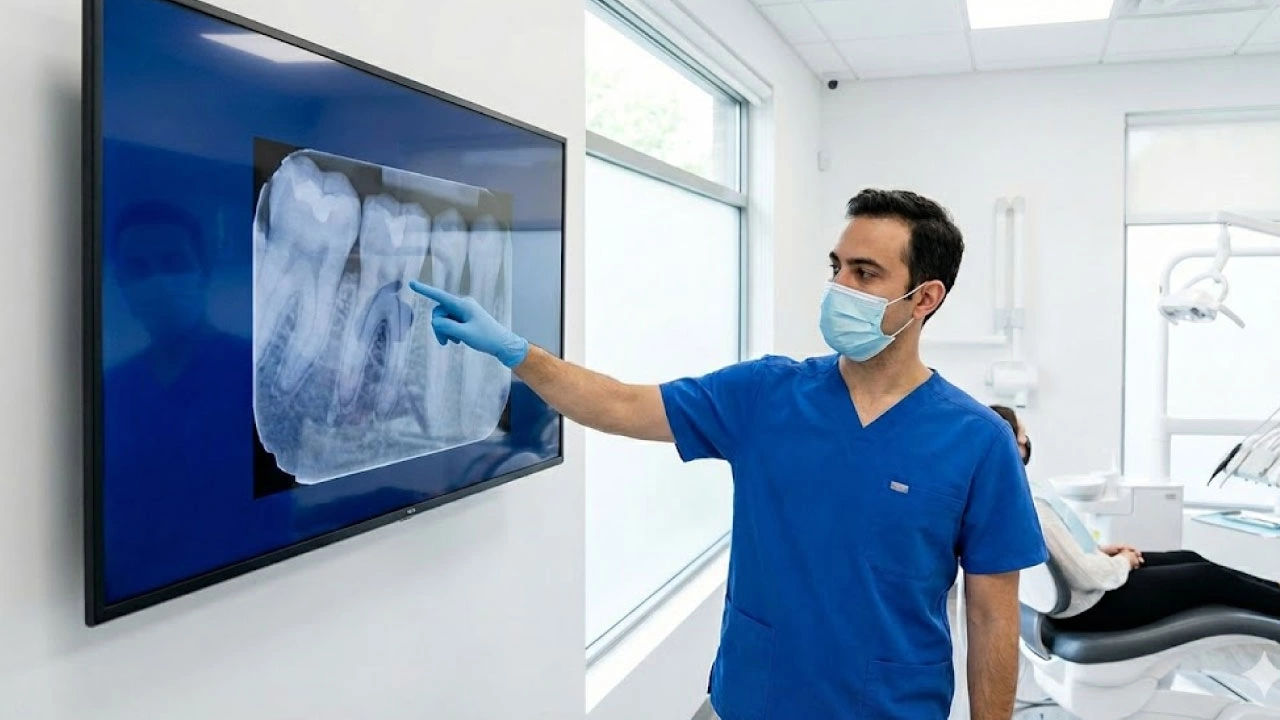
Digital X-rays and digital imaging help detect cavities, bone loss, and hidden infections earlier than visual exams alone. Cone beam computed tomography (CBCT) is a 3D imaging tool used for detailed evaluation and treatment planning in oral surgery and implant care.
How Preventive Dental Care Influences Systemic Health Conditions
Preventive dental care overall health matters most when gum disease is present, because periodontal inflammation is a major pathway for systemic inflammatory load and bacterial spillover.
What is the impact of preventive dental care on systemic health conditions such as heart disease, stroke, and diabetes?
Preventive dental care can reduce systemic risk factors by lowering oral inflammation and reducing periodontal disease severity. Periodontal disease is associated with heart disease and diabetes, and periodontal control can support chronic disease management, especially glycemic control in diabetes.
How does inflammation and bacterial pathways connect oral and systemic health?
The connection is driven by 2 mechanisms:
- Inflammation: gum disease raises inflammatory signaling that can contribute to broader inflammatory burden
- Bacterial pathways: oral bacteria can enter the bloodstream more easily when gums are inflamed and damaged
How can preventive care reduce systemic inflammation and health risks?
Preventive care reduces systemic inflammation and health risks through:
- professional plaque and tartar removal
- early periodontal treatment before bone loss progresses
- home biofilm disruption (brushing, flossing, mouth rinses)
- tobacco and diet counseling to lower shared risk factors

How is management of chronic diseases improved through oral health care?
Oral health care improves chronic disease management by reducing periodontal inflammation that can worsen diabetes control. The National Institute of Dental and Craniofacial Research (NIDCR) notes that people with diabetes have a higher chance of periodontal disease, and diabetes can slow healing, affecting periodontal treatment response.
The Benefits of Early Detection and Routine Dental Visits
Early detection is the main advantage of preventive dentistry. Small cavities, early gum disease, and early bone loss are simpler to treat than advanced disease.
There are 6 benefits that connect directly to overall well-being:
- Lower chance of dental emergencies (pain, abscess, swelling)
- Lower risk of tooth loss by catching bone loss early
- Better chewing and nutrition through stable teeth and gum health
- Earlier oral cancer detection through routine screening
- Better chronic disease coordination (especially diabetes)
- Less exposure to invasive treatment when disease is caught early
Preventive Dentistry’s Role in Reducing Healthcare Costs and Treatment Needs
Preventive dental care overall health also shows up in cost and time. Prevention reduces major procedures like root canal treatment, extraction, and advanced periodontal surgery for many patients.
How does preventive dental care contribute to reducing healthcare costs and treatment needs?
Preventive dental care reduces healthcare costs by shifting care from high-cost procedures to low-cost maintenance:
- fewer large fillings and crowns because cavities are treated earlier
- fewer deep infections because gum disease is treated before bone loss
- fewer tooth replacements because tooth loss risk drops when gum disease and decay are controlled
Promoting General Wellness and Enhancing Quality of Life through Preventive Dentistry
Preventive dentistry supports quality of life through comfort, function, and confidence. Healthy gums reduce bleeding and swelling. Stable teeth improve chewing and speech. Reduced dental pain supports sleep and mental well-being.
Preventive oral surgery can also play a role when risk is already high. Oral surgeons may use surgical solutions like bone grafting and sinus lifts to rebuild support and prevent further bone loss when teeth are missing or infection has damaged bone. In practices like Chester Oral Surgery, services are often planned using advanced imaging such as CBCT.

The same prevention logic has existed for a long time. Ancient civilizations used early forms of tooth cleaning. Records mention oral hygiene efforts among Egyptians and Romans, even though methods and materials were very different from modern dental hygiene.
Preventive Dentistry: A Cornerstone for Healthier Lives
Preventive dental care overall health is a structured system of routine check-ups, dental hygiene, early detection, and digital diagnostics that protects oral health and supports long-term health. By reducing oral diseases, lowering systemic inflammation, and preventing tooth loss, preventive dentistry strengthens the oral-systemic health continuum. Regular dental check-ups, fluoride protection, patient education, and modern imaging create measurable overall health benefits and sustainable healthcare savings.