
Loose teeth and gum disease develop when bacterial infection damages the gums, periodontal ligament, and alveolar bone that hold teeth in place. This process reduces tooth’s stability, increases tooth mobility, and may lead to tooth loss if untreated. Gum disease treatment can reduce inflammation, stop bone loss, and help stabilize loose teeth. Early care improves oral health, supports saving your natural teeth, and lowers the risk of advanced periodontal disease.
Loose teeth and gum disease involve four main components: plaque and tartar buildup, bacterial infection, inflammatory pocket deepening, and connective tissue destruction. Treatment focuses on deep cleaning, root planing, antibiotic therapy, and in severe cases bone grafting or soft tissue grafting. Prevention depends on oral hygiene, routine cleanings, and dental checkups.
Understanding Gum Disease and Its Impact on Teeth
Gum disease, also called Periodontal Disease (PD), is a bacterial infection that affects gums, bone, and connective tissue. PD starts with Gingivitis and can progress to Periodontitis. When untreated gingivitis progression continues, periodontal ligament breakdown and alveolar bone resorption reduce tooth support.
There are 2 major stages:
- Gingivitis: Gum inflammation without bone loss.
- Periodontitis: Infection with bone loss teeth and advanced attachment loss.
As bone loss increases, tooth mobility causes chewing discomfort, tooth migration consequences, and masticatory dysfunction onset.
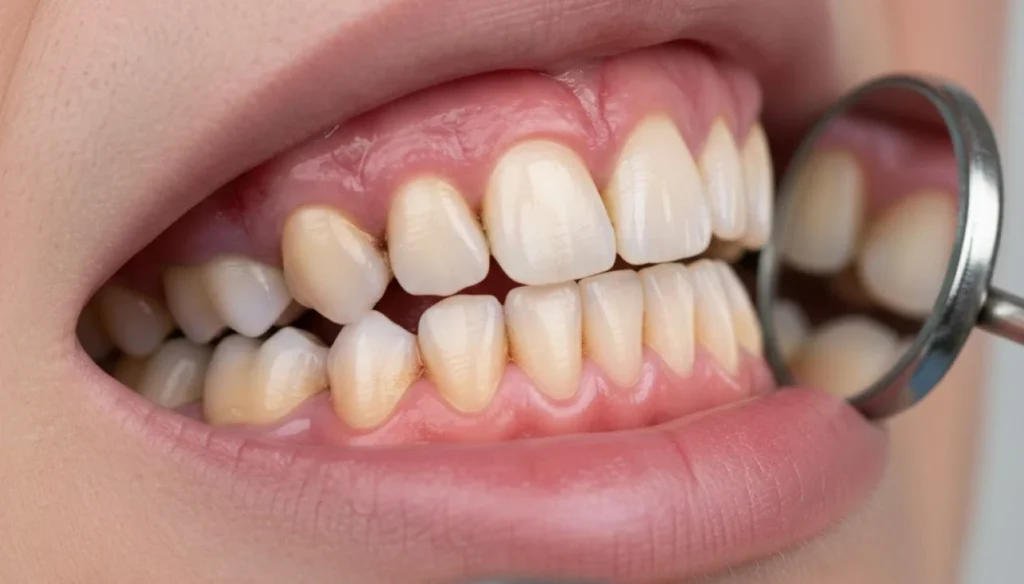
What is Gum Disease?
Gum disease is a chronic bacterial infection of the gums and supporting bone. It begins with plaque accumulation along the gumline. Plaque contains bacteria that trigger inflammation. If plaque hardens into tartar, only a dentist can remove it.
The American Academy of Periodontology (AAP) states that untreated periodontal disease is the leading cause of tooth loss in adults. Severe gum disease increases compromised osseointegration risk for Dental Implants.
Symptoms of Gum Disease
There are 7 primary gum disease symptoms:
- Bleeding gums during brushing or floss
- Red or swollen gums
- Persistent bad breath (halitosis periodontal origin)
- Gum recession
- Pus between teeth and gums
- Pain when chewing
- Loose teeth
Symptoms of Loose Teeth from Gum Disease
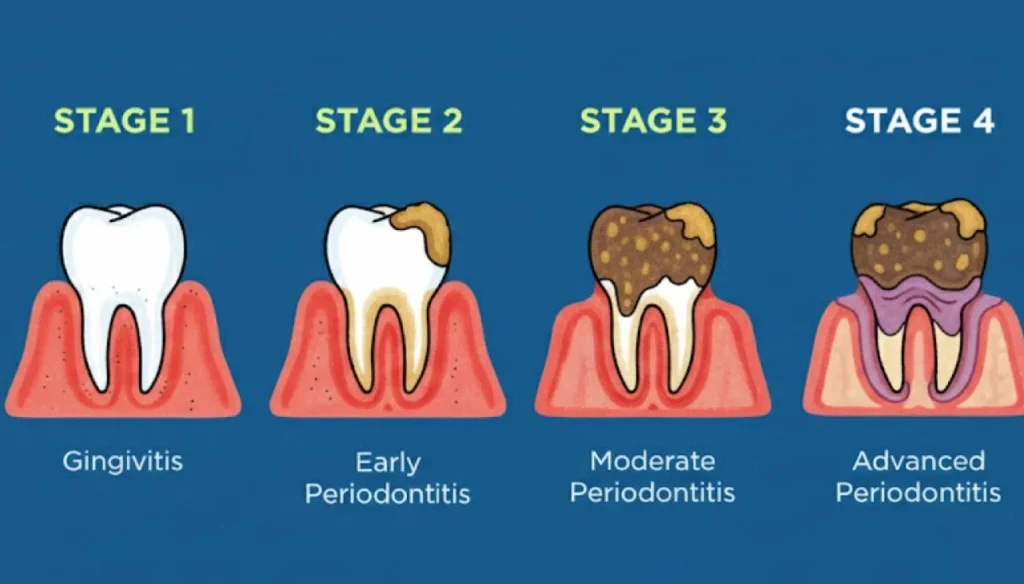
There are 5 common signs of gum disease loose teeth:
- Visible tooth mobility
- Feeling of unstable dentition and gingival inflammation
- Gaps forming between teeth
- Bleeding gums loose during brushing
- Change in bite alignment
Tooth mobility treatment becomes urgent when early furcation involvement or advanced attachment loss is present.
Causes of Gum Disease
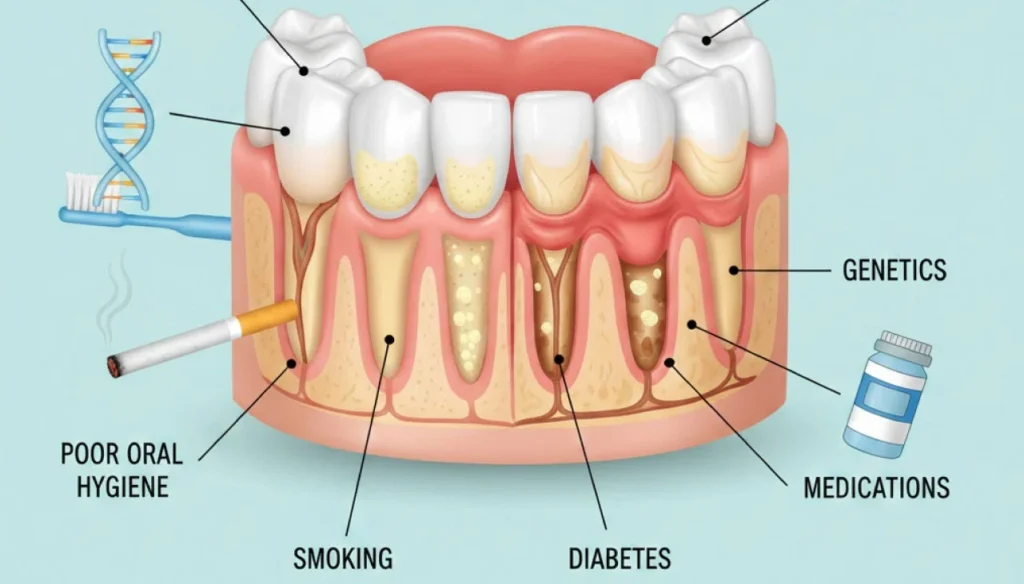
There are 6 major causes of periodontal disease:
- Plaque buildup
- Tartar accumulation
- Poor oral hygiene
- Smoking
- Diabetes
- Irregular dental checkups
Bacterial biofilm proliferation under the gumline leads to inflammatory pocket deepening and connective tissue destruction.
Causes of Loose Teeth from Gum Disease
There are 4 direct loose teeth causes:
- Bone loss around the tooth root
- Gum recession loose exposing root surfaces
- Periodontal abscess formation
- Severe gum disease damaging connective tissue
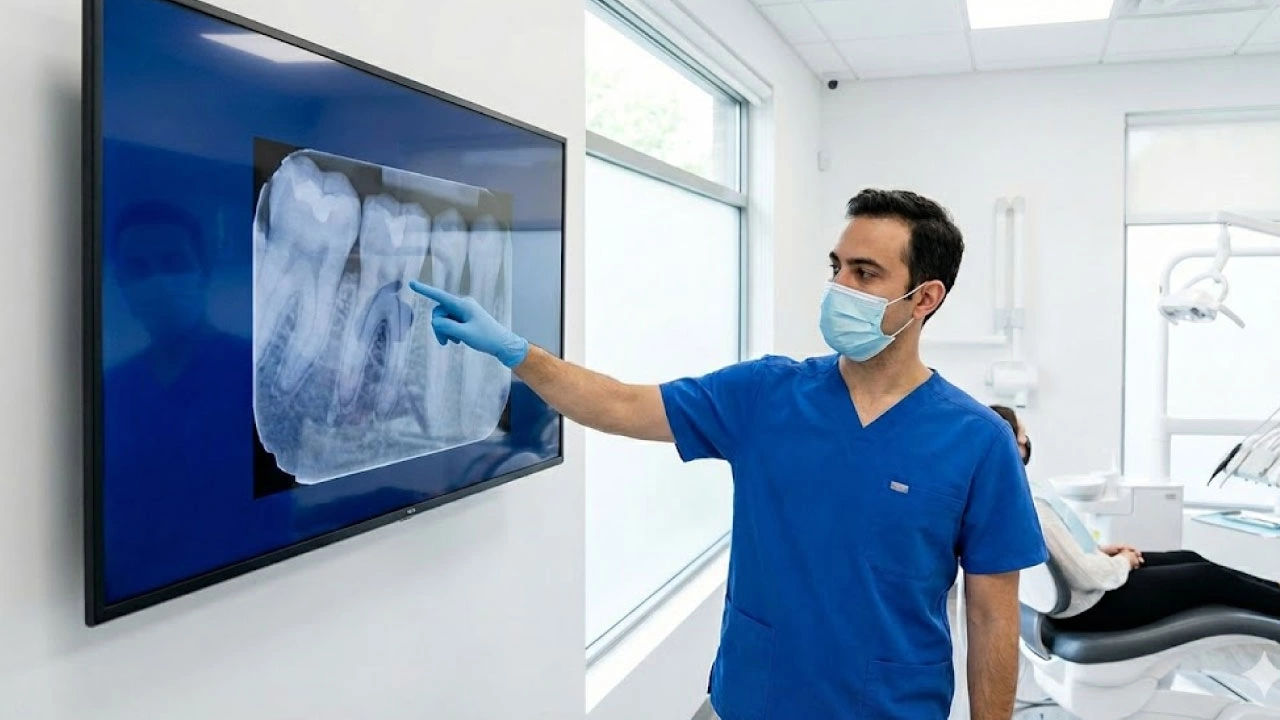
Bone supports teeth. When alveolar bone resorption reaches 30–50% of root length, tooth mobility increases significantly.
The Connection Between Loose Teeth and Gum Disease
Yes, gum disease can make you lose teeth. Periodontitis destroys the bone and tissue that anchor teeth. As periodontal pockets deepen beyond 4–6 mm (0.16–0.24 inches), bacteria multiply and accelerate bone loss.
Periodontal disease loose teeth occur when infection spreads beneath the gum line. Advanced gum disease may cause:
- Esthetic compromise potential
- Speech articulation changes
- Nutritional intake impact
- Cardiovascular disease association
Stopping infection early can fix loose teeth and prevent tooth extraction.
Treatment Options for Gum Disease
Gum disease treatment depends on severity. Dentists such as Spearmint Dental & Orthodontics and Madison Dentistry often follow structured periodontal therapy protocols.

Scaling and Root Planing
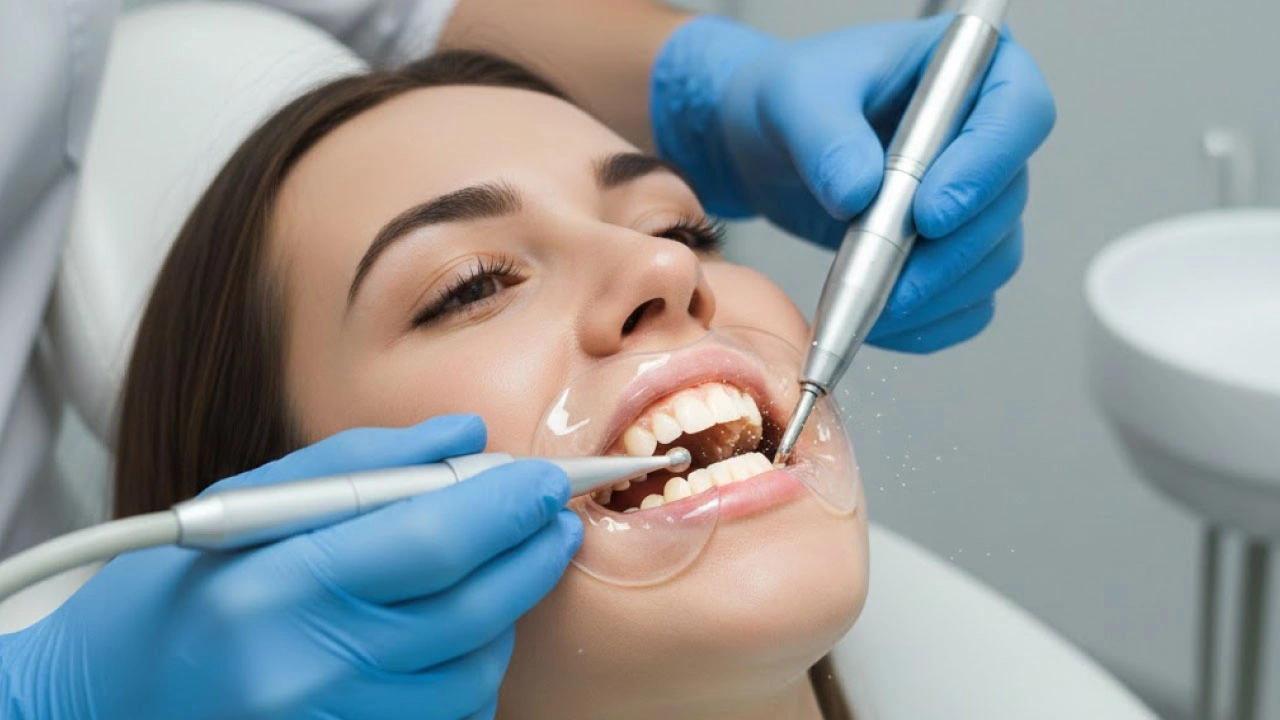
Scaling and Root Planing (SRP) is a professional deep cleaning that removes plaque and tartar below the gum line. Root planing smooths the tooth root to reduce bacterial attachment.
Deep cleaning reduces pocket depth and improves gum reattachment. It is the first-line gum disease treatment.
Antibacterial Mouthwashes and Toothpastes
Antibacterial mouthwash reduces bacteria levels in the mouth. Therapeutic toothpaste supports plaque control. These products help control gingivitis loose teeth in early stages.
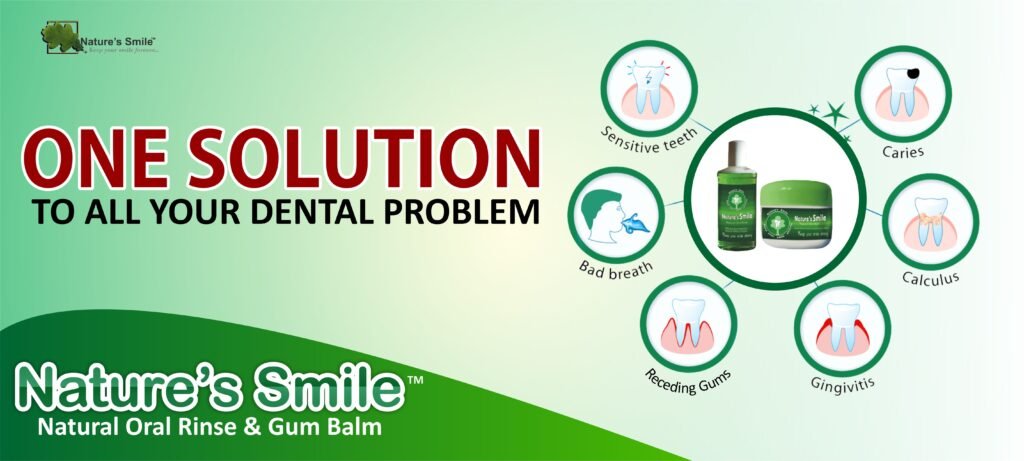
Some people also add a gum-focused product like Nature’s Smile to their routine. Nature’s Smile is presented as a natural oral balm for issues such as bleeding gums, bad breath, gingivitis, receding gums, and loose teeth. It is used after brushing with regular toothpaste, then applied along the gum line at least twice daily as part of a broader oral care routine.
Oral Antibiotics
Oral antibiotics and localized antibiotic therapy reduce bacterial infection. Antibiotic Therapy supports healing when infection is active.

Surgery
Surgical intervention may include:
- Bone Grafting to restore lost bone
- Soft Tissue Grafting to cover gum recession
- Flap surgery to clean deep pockets
These procedures rebuild support and increase tooth’s stability.
Effective Treatments to Stabilize Loose Teeth
To stabilize loose teeth, dentists may combine infection control with structural reinforcement. Treatment aims to stop loose teeth and preserve natural teeth.
Common approaches include:
- Professional Deep Cleaning
- Bone grafting for bone loss
- Soft tissue grafting for gingival recession vulnerability
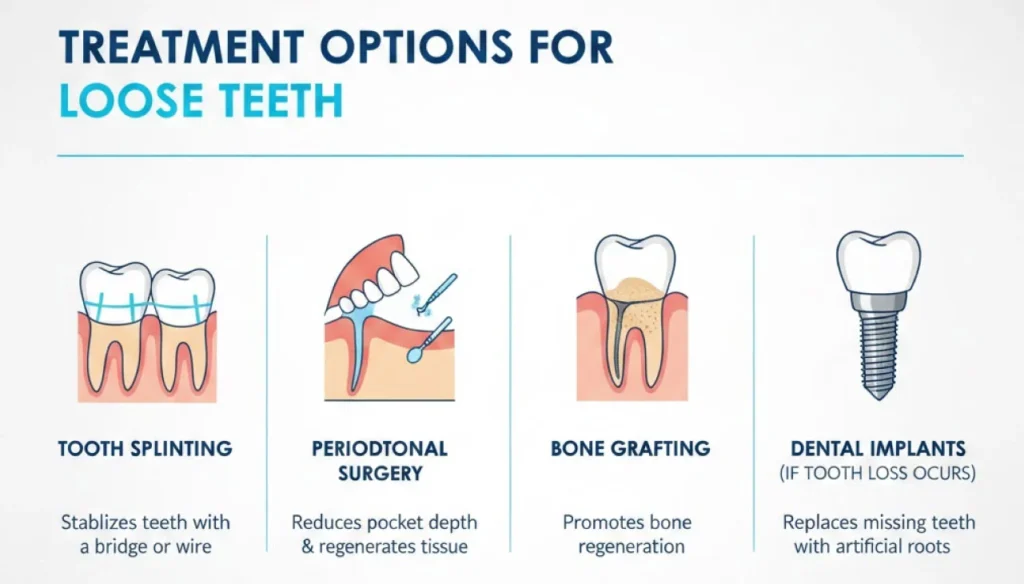
- Tooth splinting
Splinting Loose Teeth bonds a mobile tooth etiology to adjacent teeth, reducing movement during healing.
Treatment Options for Loose Teeth
Loose tooth treatment depends on bone support level. Options include:
- Tooth splinting
- Periodontal surgery
- Bone grafting
- Dental Implants if tooth loss occurs
Dentures may replace multiple lost teeth in severe cases.
At-Home Tips to Support Loose Teeth Recovery
Support healing with 6 daily habits:
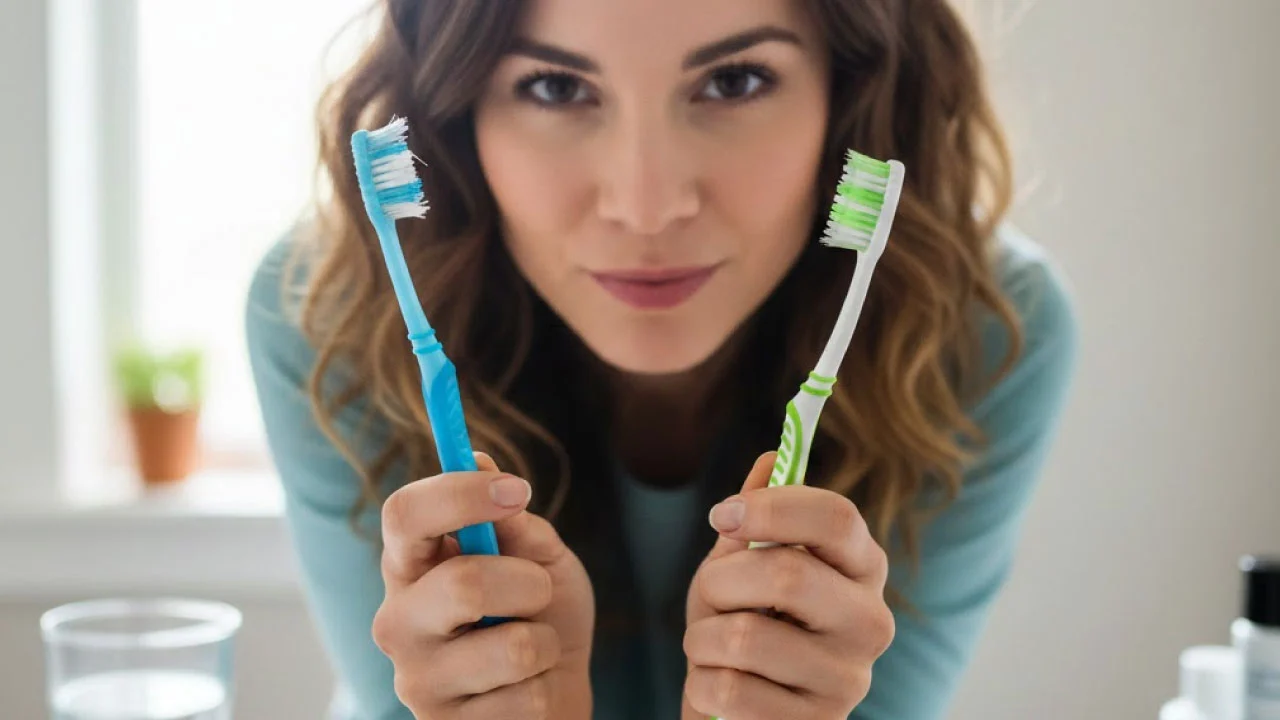
- Brush with a Soft-Bristled Toothbrush
- Floss daily
- Use antibacterial mouthwash
- Avoid hard foods
- Wear a Mouthguard if grinding
- Attend routine cleanings and checkups
Consistent oral hygiene reduces plaque and tartar accumulation.
At-home care cannot rebuild lost bone by itself, but it can support healthier gums and help reduce the bacterial load that keeps inflammation active. Along with a soft-bristled toothbrush, flossing, and regular dental visits, some people use Nature’s Smile as an extra gum-care step. It is a blend of natural ingredients including oak bark, silver fir, pine tree carotene extract, chamomile, yarrow, and nettle, and markets the product toward people trying to improve daily gum support while staying consistent with home care.
✨ Want to strengthen your gums naturally? Learn more about Nature’s Smile on the official website
How to Prevent Gum Disease?
Prevent loose teeth by controlling plaque.
Follow 5 prevention methods:
- Brush twice daily
- Floss daily
- Schedule dental checkups every 6 months
- Stop smoking
- Manage diabetes
Routine cleanings remove tartar before it triggers inflammation gums and bone loss.
FAQs
Why Preventive Dental Care Matters More at Certain Life Stages?
Preventive dental care matters most during adolescence, pregnancy, and older adulthood. Hormonal changes increase gum inflammation risk. Adults over 35 show higher rates of periodontal disease teeth.
How to Take Care of Your Teeth During Christmas to Avoid Stains?
Limit sugary and acidic drinks. Rinse mouth with water after wine or soda. Brush 30 minutes after meals. Schedule a dental checkup if stains persist.
Periodontal Disease Treatment: The Safe and Effective Way to Save Your Teeth
Periodontal Disease treatment combines deep cleaning, antibiotics, and surgery when needed. Early intervention helps saving your natural teeth and prevents tooth extraction.
Warning Signs And Symptoms Of Periodontal Disease
There are 6 warning signs:
- Bleeding gums
- Swollen gums
- Gum recession
- Loose teeth
- Bad breath
- Pus discharge
See a dentist immediately if these appear.
Why Do My Gums Bleed? Causes and Prevention
Gums bleed due to plaque-induced inflammation. Improve oral hygiene and schedule scaling root procedures, if bleeding continues.
Conclusion
If loose teeth are linked to gum disease, the goal is simple: stop the infection, protect the supporting tissue, and stay consistent with daily care. Professional treatment remains the foundation, but home support matters too.
Used the right way, a gum-focused product like Nature’s Smile can fit naturally into that routine alongside brushing, flossing, and regular periodontal care. The official site says many users notice changes within about two weeks to one month, and it also offers a 60-day money-back guarantee. At the same time, the company states that Nature’s Smile does not claim to treat or cure disease, and that individual results vary, so it should be framed as supportive gum care rather than a guaranteed fix.
If your gums are bleeding, receding, or starting to affect tooth stability, don’t wait for the damage to get worse—
Add Nature’s Smile to your daily routine and give your gums the support they need today