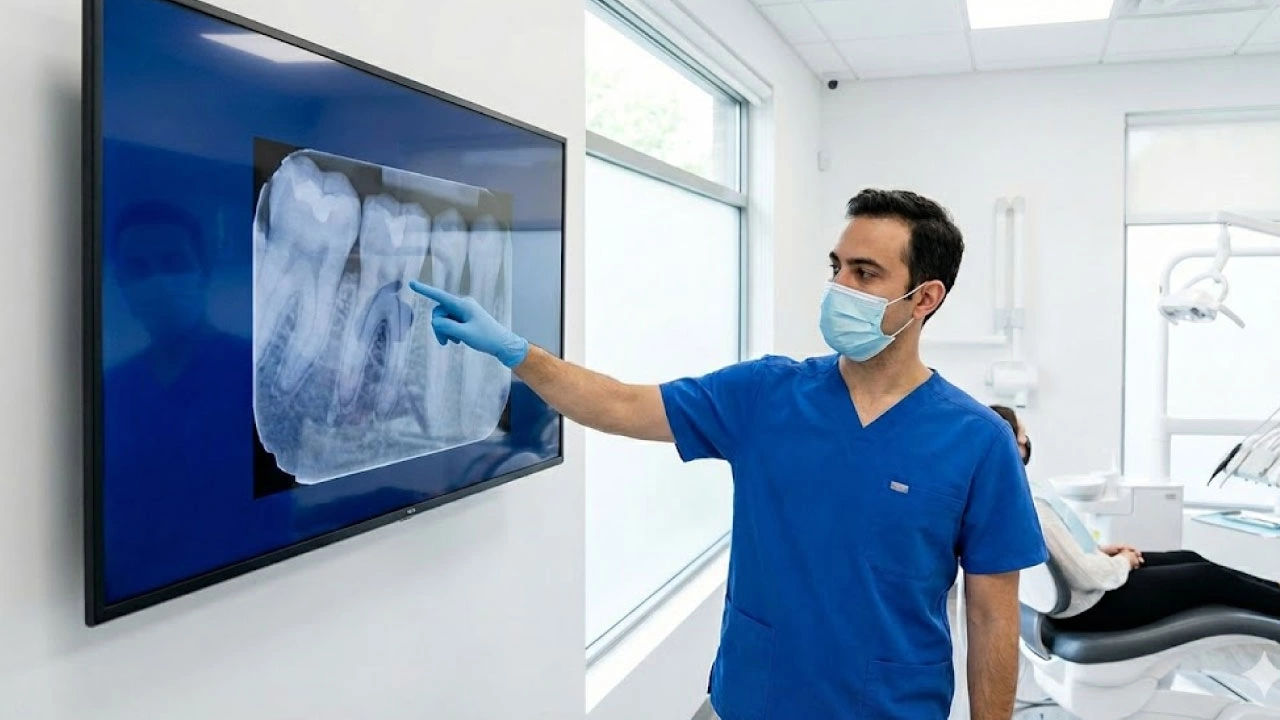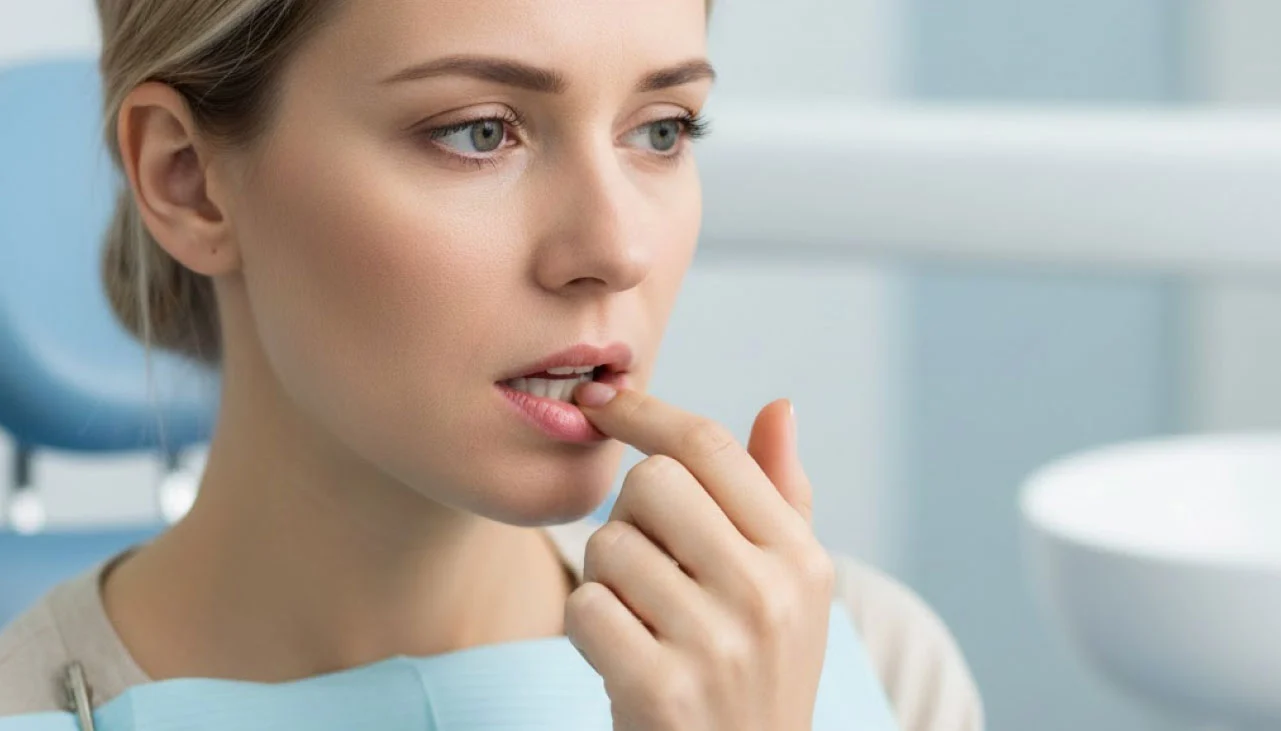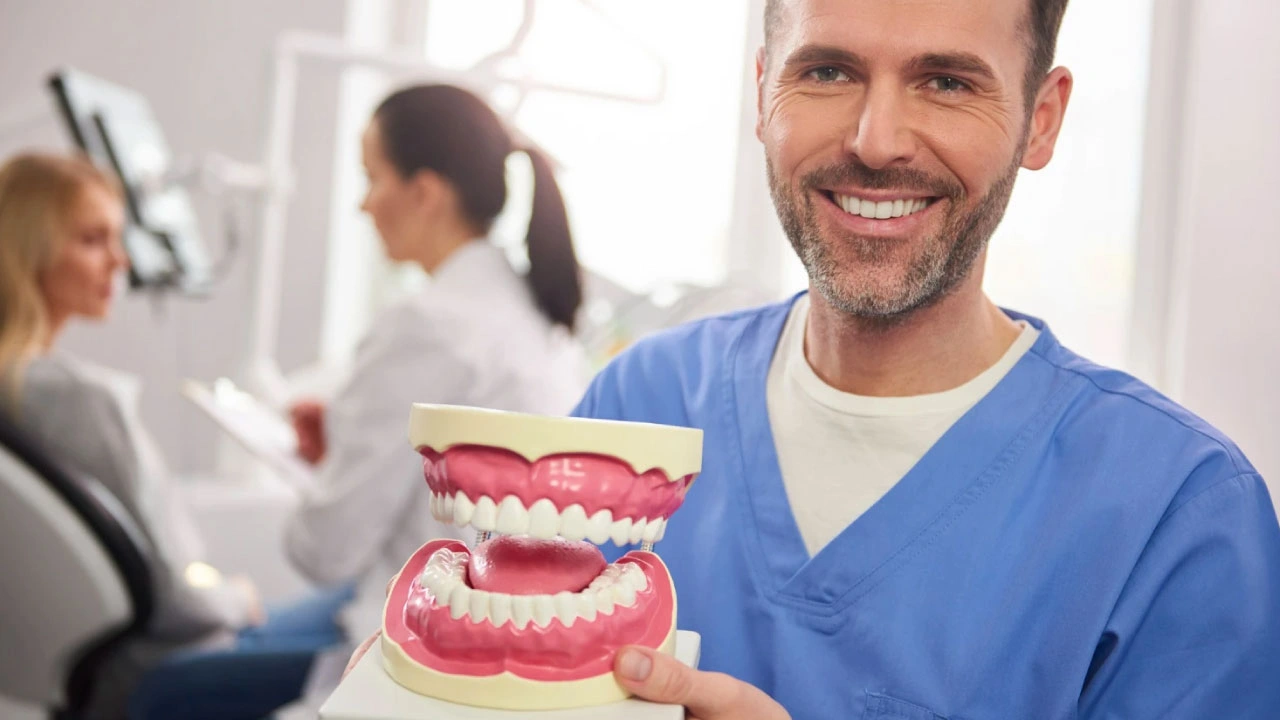
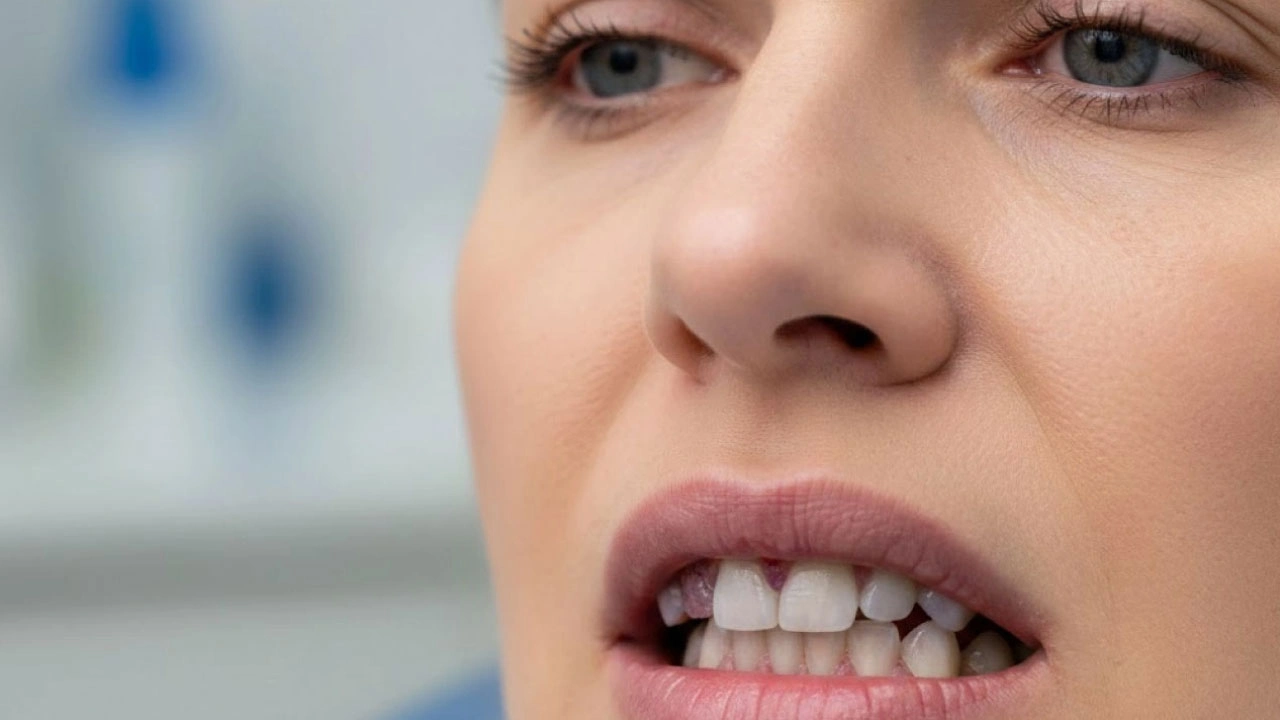
If you’re asking yourself, “Is my Gum Graft Failure?”, it’s important to know that while gum grafts are generally successful, failure can still occur. Gum grafts are often performed to treat gum recession and protect exposed tooth roots. However, sometimes the graft doesn’t integrate properly, causing discomfort, pain, or other signs of failure. Recognizing these signs early on can help prevent further complications and ensure timely treatment. In this article, we’ll cover how to spot the signs of a failed gum graft, understand the reasons behind the failure, and take steps to prevent or address it.
Table of Contents
Signs of a Failed Gum Graft
If your gum graft fails, there are several symptoms you may experience. These signs may include visible changes to the gums or discomfort that persists beyond the expected healing period. Here are the most common signs:
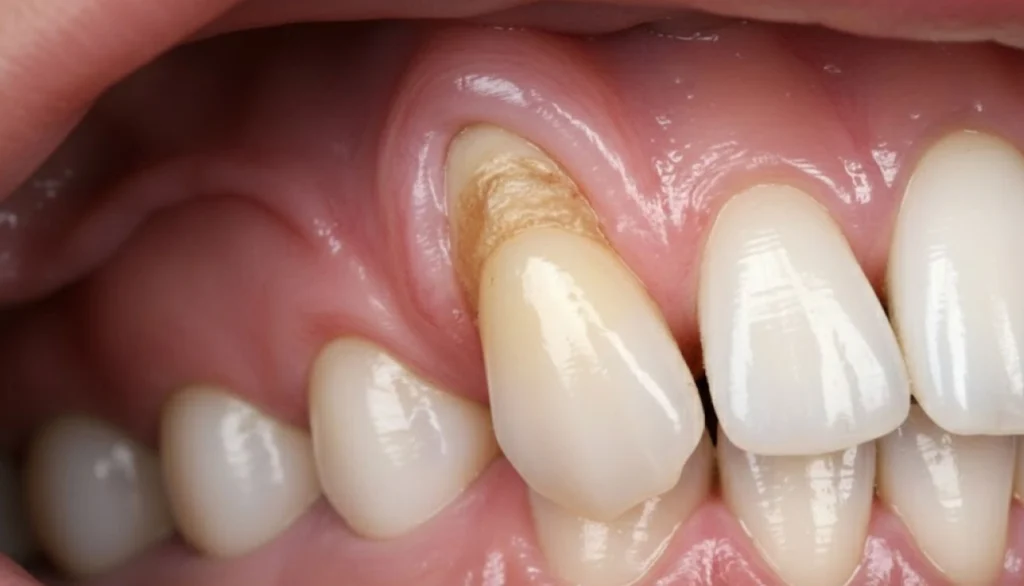
Persistent Discomfort or Pain
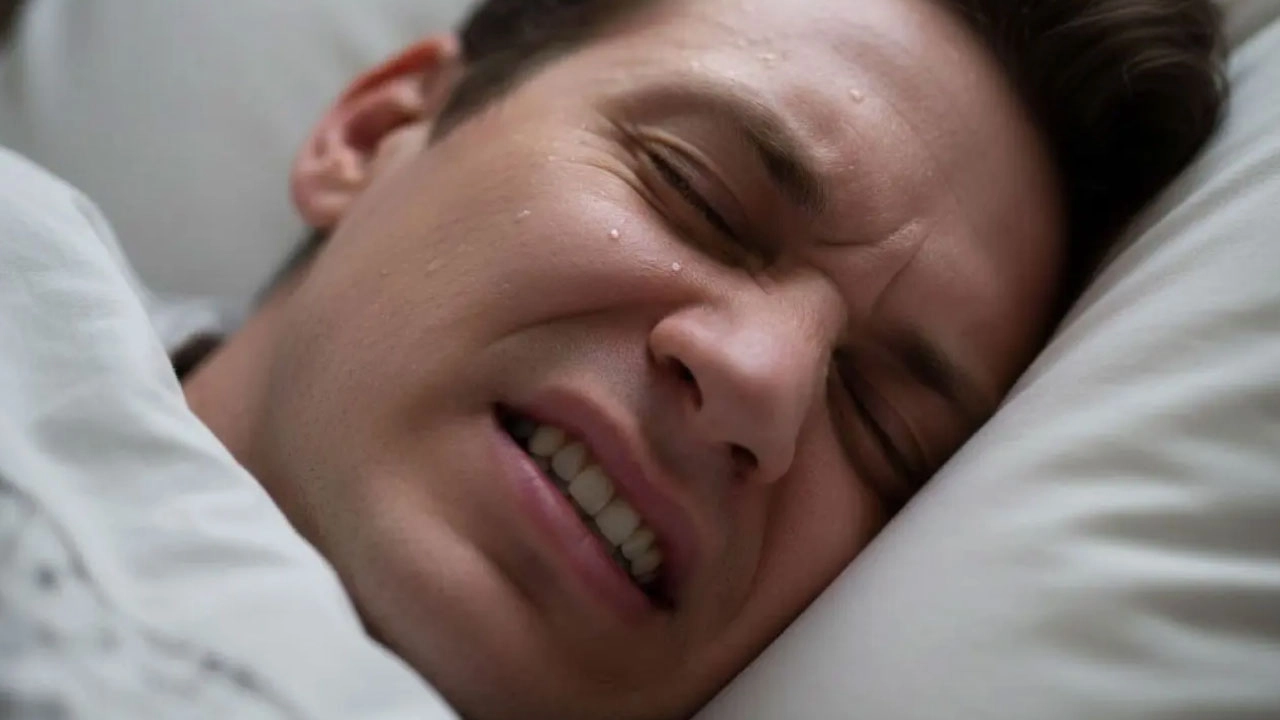
Some discomfort is normal after the surgery, but if the pain becomes constant or worsens over time, it could signal that the graft is not healing properly. Persistent pain, especially when eating or speaking, is a common sign of failure.
Swelling or Inflammation
While some swelling is expected, persistent swelling that doesn’t subside could indicate a problem. According to the National Institute of Dental and Craniofacial Research, prolonged inflammation after dental procedures may indicate infection or complications in the healing process.
Receding Gums
If your gums continue to recede after the procedure, it’s a clear sign that the graft has not been successful. A well-performed gum graft should prevent further recession.
Gum Sensitivity or Bleeding
Increased sensitivity or spontaneous bleeding after the healing phase could indicate graft failure. While some sensitivity is expected, it should gradually decrease, not remain persistent.
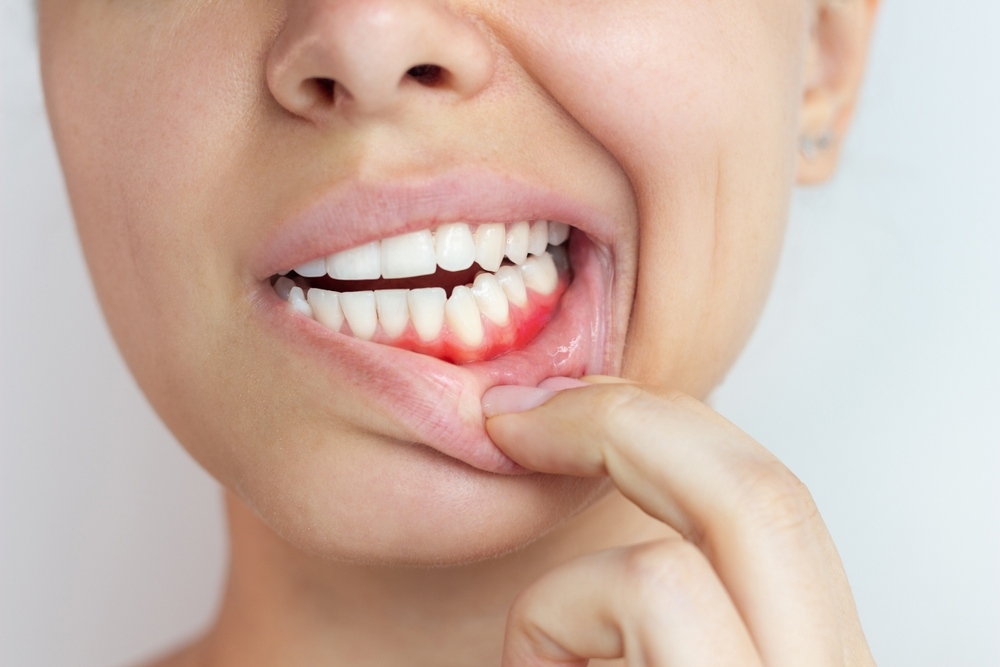
Exposed Tooth Roots
The goal of a gum graft is to cover exposed tooth roots. If these roots remain exposed after the surgery, it could mean the graft has failed.
Lack of Gum Tissue Integration
A healthy gum graft should integrate with your existing gum tissue. If the grafted tissue appears isolated or stands out as a white patch, it might indicate that the graft didn’t take.
Recommended read: Gum Graft One Week Later: Healing Tips & What to Expect
Persistent Gum Infection
Infections that cause redness, pain, or pus at the graft site can prevent the graft from healing. If these symptoms persist, it’s likely a sign of graft failure.
Reasons Why Gum Grafts Fail: Factors Hindering Healing
Gum graft failure can be caused by several factors that hinder the healing process. Understanding these factors can help you take the necessary steps to prevent complications.
Poor Oral Hygiene
Failure to maintain proper oral hygiene after the procedure can lead to infections and prevent the graft from healing properly.

Gum Disease/Infection
If you have untreated gum disease, the graft may not integrate properly. The American Academy of Periodontology explains that periodontal infections can damage gum tissue and make it difficult for gum grafts to successfully attach and heal.
Inadequate Blood Supply
A healthy blood supply is crucial for the success of a gum graft. If the graft site doesn’t receive adequate blood flow, it may lead to necrosis (death of tissue) and graft failure.
Smoking
Nicotine and other chemicals in cigarettes can constrict blood vessels, reducing blood flow to the graft site. Smoking is one of the leading causes of gum graft failure.

Improper/Poor Surgical Technique
The success of the gum graft depends on the skill of the dental professional performing the procedure. Improper technique, such as incorrect placement or inadequate fixation of the graft, can lead to failure.
Mechanical Trauma
Accidental trauma or pressure on the grafted site can disrupt the healing process and cause the graft to fail.
More from our blog: Gum Graft After 3 Weeks: What to Expect & Care Tipst
Patient Non-Compliance
Failure to follow post-surgical care instructions can contribute to graft failure. This includes not taking prescribed medications, not avoiding certain foods, or neglecting proper oral care.
Systemic Health Issues
Underlying health conditions, such as diabetes or autoimmune disorders, can interfere with the healing process and increase the risk of graft failure.

Medication Interference
Certain medications, such as immunosuppressants or anticoagulants, can impact the healing process and increase the likelihood of graft failure.
Suboptimal Host Tissue Quality
The quality of the gum tissue at the graft site plays a significant role in the success of the procedure. Poor tissue quality, often caused by periodontal disease or thinning gums, can increase the risk of graft failure.
What To Do After Gum Graft Failure?
If you suspect that your gum graft has failed, it’s essential to seek prompt treatment. Here’s what you should do:
- Contact your dentist or periodontist: They will assess the graft site and provide an accurate diagnosis.
- Follow your dentist’s instructions: This may involve taking antibiotics, using pain management strategies, or possibly redoing the graft.
- Consider a second graft: In some cases, another gum graft may be necessary, especially if the original graft did not heal correctly.
- Alternative treatments: If a second graft is not an option, your dentist may recommend other periodontal treatments to address the issue.
Latest articles: Why Do Gum Grafts Fail? Causes, Warning Signs & Fixes
How to Minimize the Risk of Gum Graft Failure?
While it’s impossible to eliminate all risks, there are steps you can take to minimize the chance of gum graft failure:
- Follow post-surgery guidelines: Adhering to the care instructions provided by your dentist will significantly improve the chances of success.
- Maintain good oral hygiene: Regular brushing, flossing, and using antiseptic mouthwash can prevent infections and promote healing. The Centers for Disease Control and Prevention emphasizes that consistent oral hygiene habits are essential for preventing gum infections and maintaining healthy gums.
- Protect the graft site: Avoid placing pressure on the grafted area and avoid hard or sticky foods that could damage the graft.
- Quit smoking: Smoking hampers the healing process, so stopping before and after the procedure is crucial for success.
- Take prescribed medication: If antibiotics or other medications are prescribed, be sure to take them as directed to prevent infections and promote healing.
What Can be Done to Prevent or Treat Gum Graft Failures?
Preventing gum graft failure requires careful planning, proper execution of the procedure, and diligent post-surgical care. Here are some steps that can help:
- Good oral hygiene: This reduces the risk of infection and helps the graft heal properly.
- Treat gum disease: Ensure that any existing gum disease is addressed before undergoing a gum graft procedure.
- Follow post-surgery instructions: Carefully follow all care guidelines provided by your dental professional to protect the graft site and ensure optimal healing.
- Avoid smoking: If you smoke, quitting is one of the best ways to prevent gum graft failure.
- Re-do the graft if necessary: If the graft fails, your dentist may recommend repeating the procedure or trying a different treatment approach.
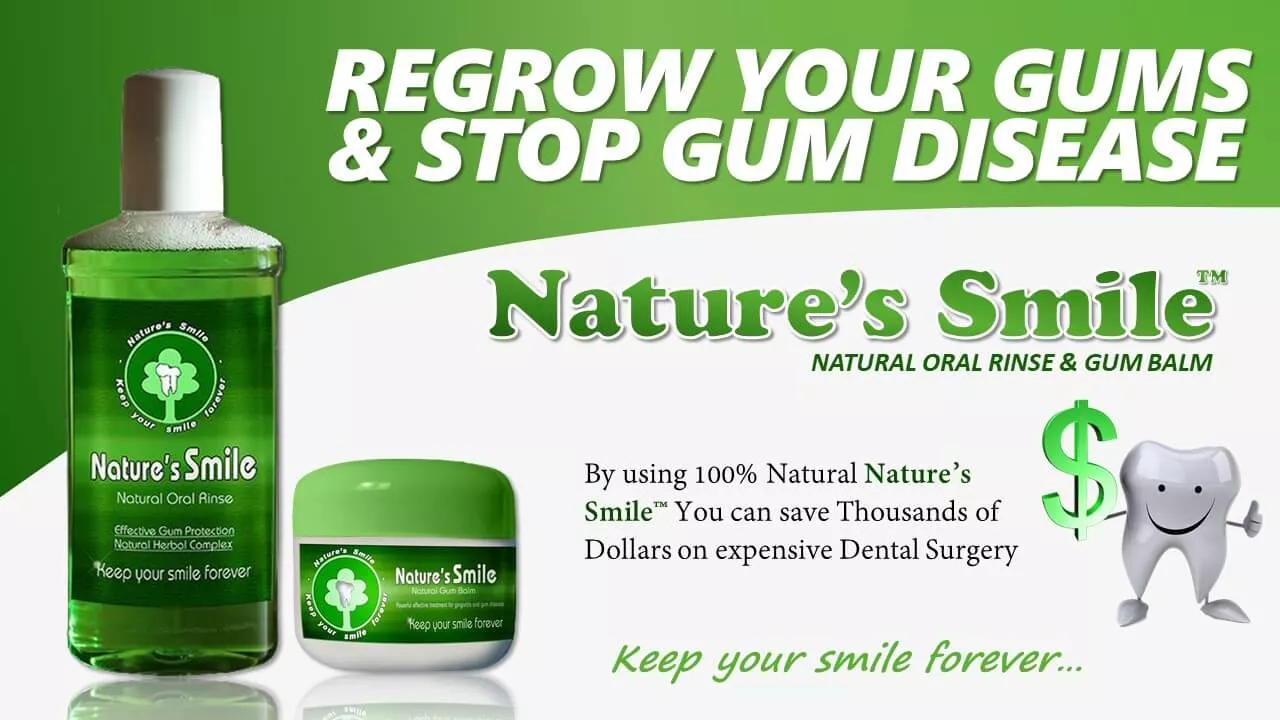
Can Nature’s Smile Help Support Gum Health?
For people dealing with gum recession or recovering from gum procedures, maintaining healthy gum tissue is extremely important. Along with proper oral hygiene and regular dental visits, some people choose to support their gum care routine with natural oral health products like Natures Smile for Receding Gums.
Nature’s Smile is a herbal gum balm formulated with natural plant extracts that are traditionally used to support gum health and reduce irritation. Many users report that it helps soothe sensitive gums and supports healthier gum tissue when used consistently as part of a daily oral care routine.
Some potential benefits people look for when using Nature’s Smile include:
- Supporting healthier gum tissue
- Helping soothe irritated or sensitive gums
- Assisting with gum care for people with gum recession
- Providing natural ingredients that support oral hygiene
While products like Nature’s Smile should not replace professional dental treatment, they may serve as a supportive addition to your oral care routine alongside brushing, flossing, and regular dental checkups.
If you are experiencing gum problems or recovering from a gum procedure, always consult your dentist before adding new oral care products to your routine.
FAQs
Can allergies contribute to soft tissue graft failure?
Yes, allergies can cause inflammation at the graft site, interfering with the healing process and potentially leading to graft failure.
Is there a genetic predisposition to soft tissue graft failure?
While research is still ongoing, there may be genetic factors that influence how well a person heals after a gum graft. Certain genes related to inflammation and tissue repair could play a role.
Can emotional stress impact the success of a soft tissue graft?
Yes, emotional stress can affect the immune system and slow down the healing process, making it harder for the graft to integrate properly.
Understanding the signs, causes, and preventive measures related to gum graft failure can help you manage your oral health more effectively and avoid complications after a gum graft. If you suspect your gum graft is failing, consult with your dentist or periodontist as soon as possible to explore treatment options and prevent further issues.
Conclusion
If you’re asking, “Is my gum graft Failure?”, it’s essential to look for early warning signs and consult your dentist or periodontist if you notice persistent discomfort, inflammation, or other symptoms. By understanding the reasons behind gum graft failure, you can take proactive steps to minimize risks and promote healing. Remember, regular follow-up visits and proper oral hygiene play a crucial role in ensuring the success of your gum graft. Don’t hesitate to seek professional advice to ensure your gum graft heals successfully.