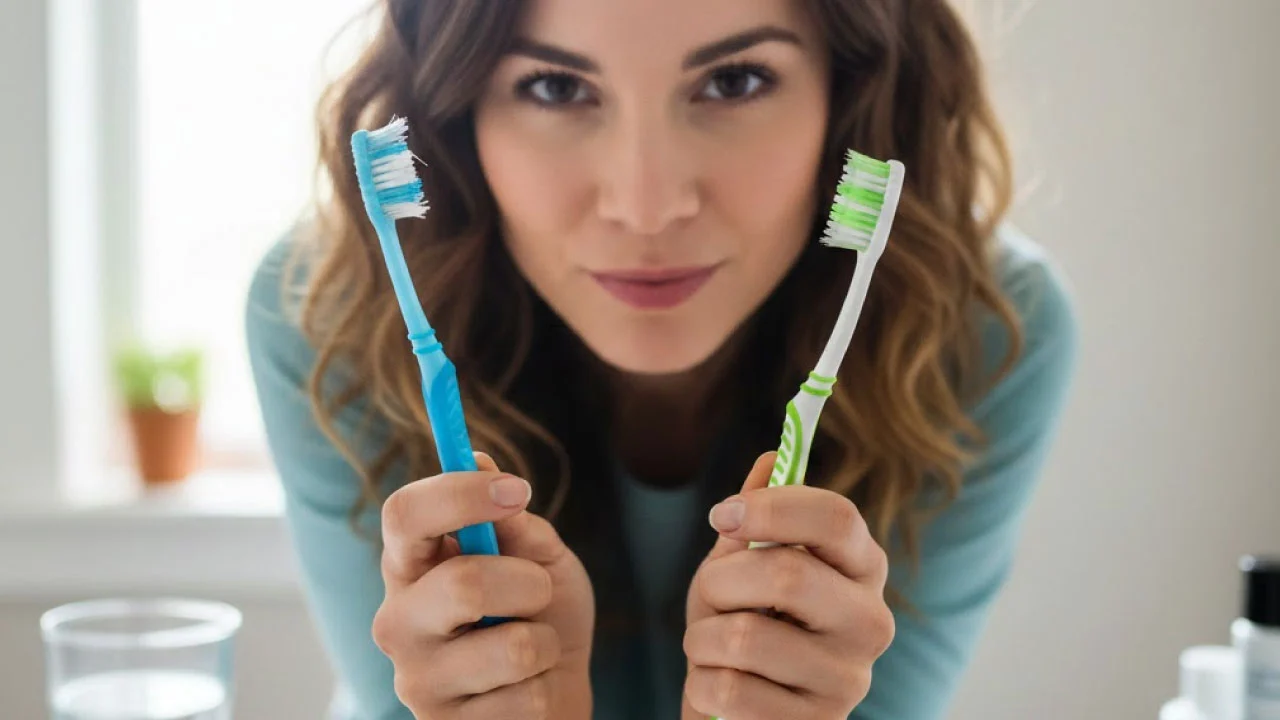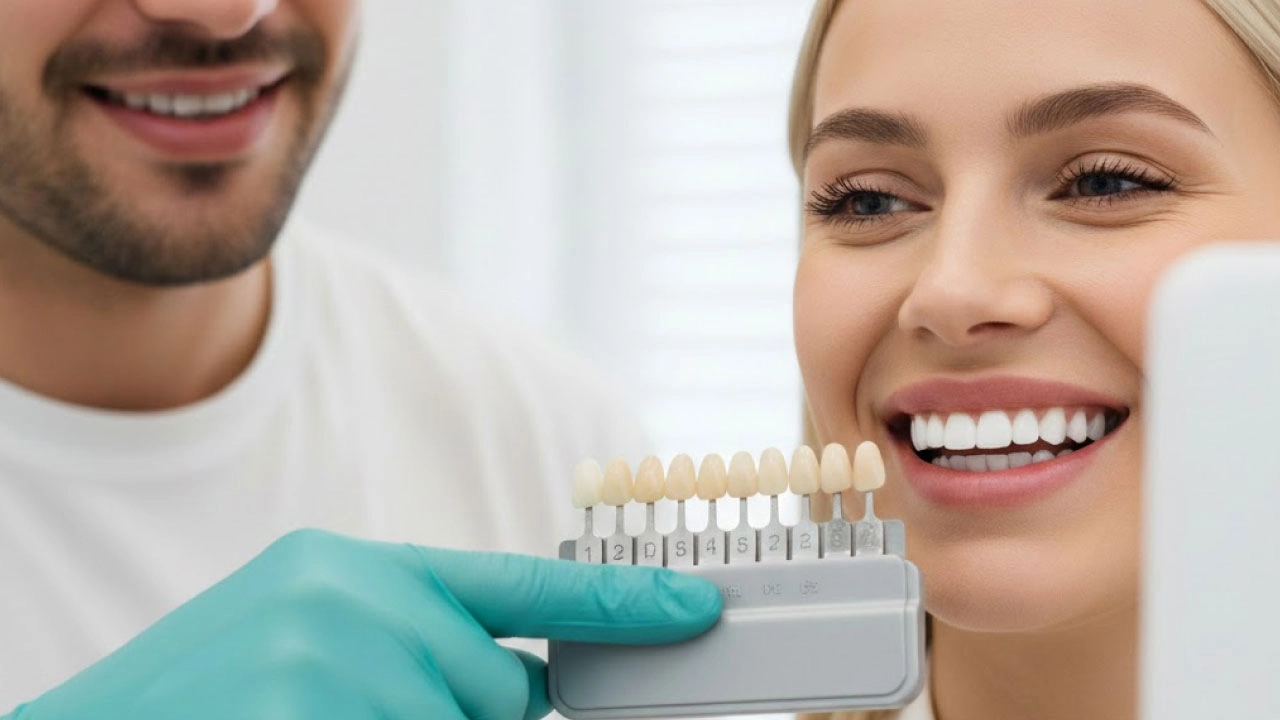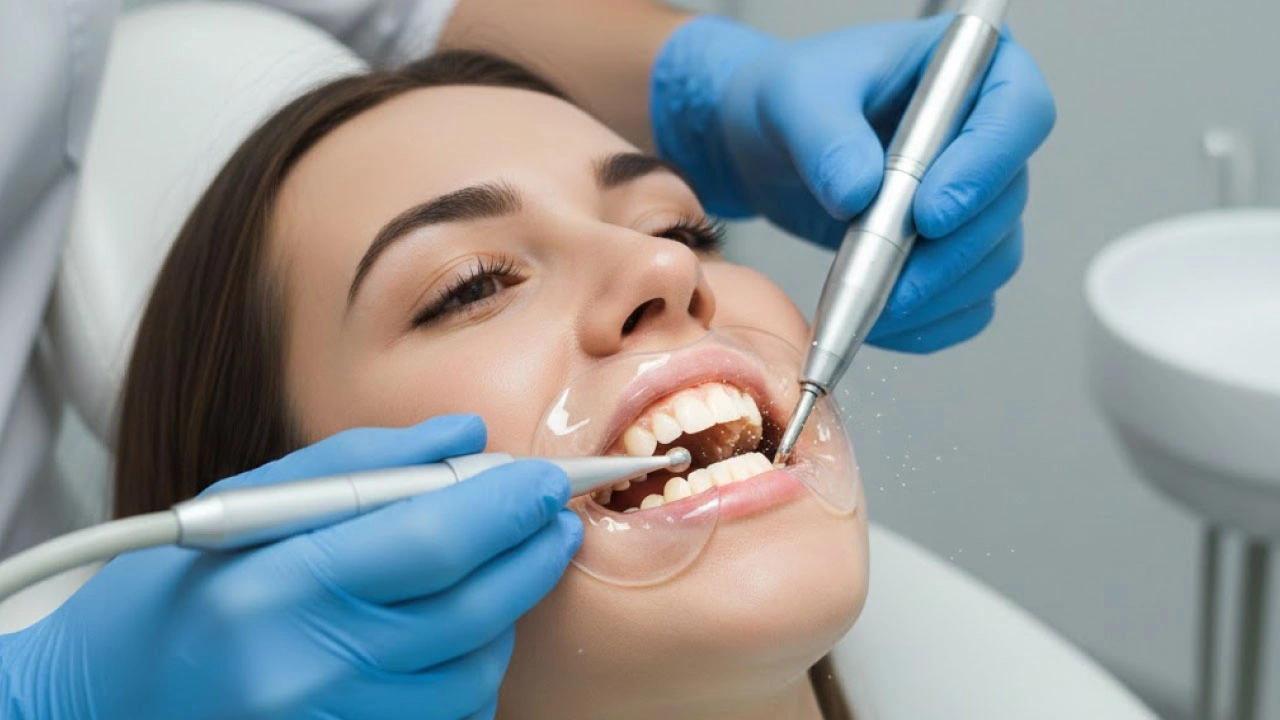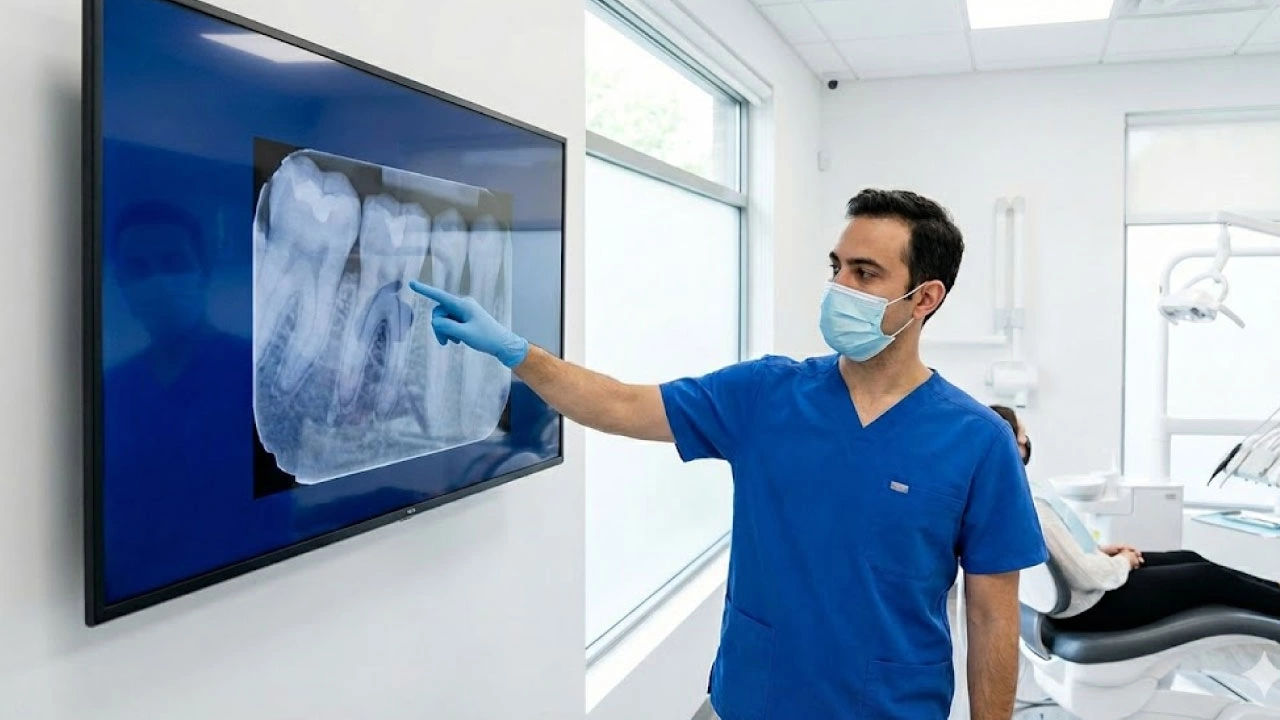
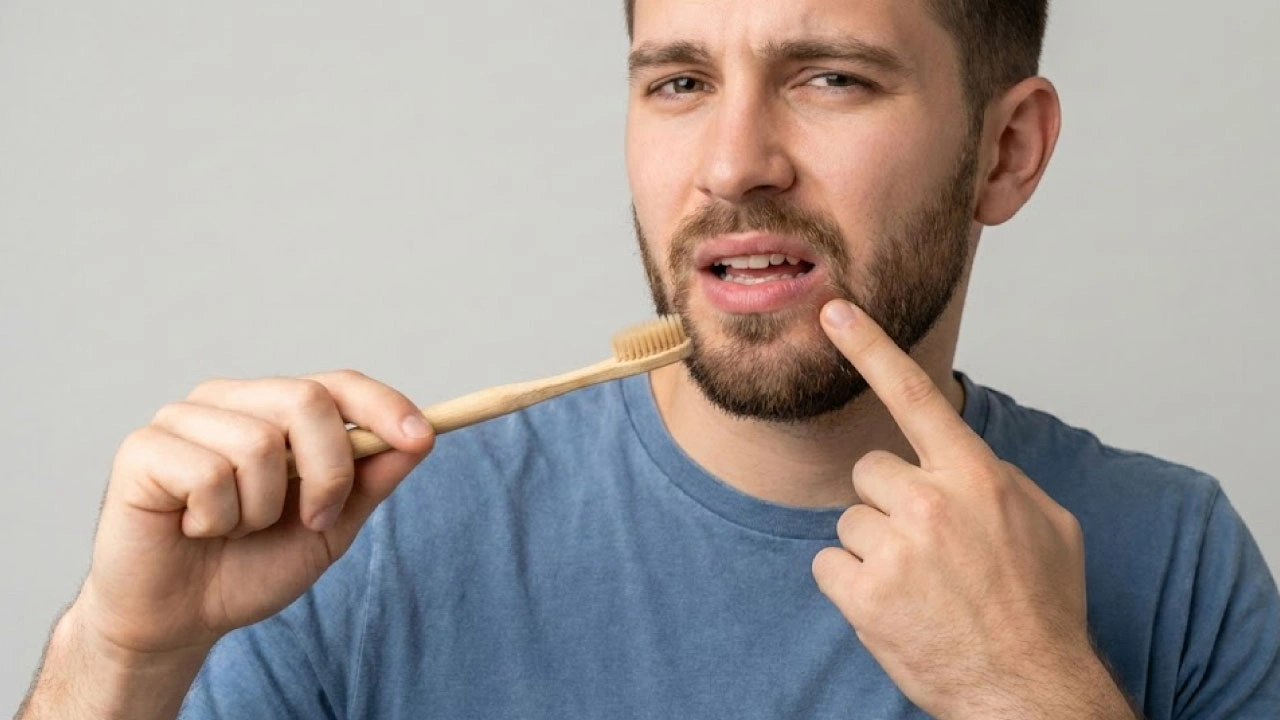
Brushing your teeth is essential for a healthy smile, but is it bad to brush your teeth too much? Overbrushing—whether using too much force, brushing too often, or using abrasive toothpaste—can harm your enamel, gums, and overall oral health. While brushing helps remove plaque and bacteria, excessive brushing can lead to enamel erosion, gum recession, tooth sensitivity, and even damage to tooth structure. Understanding the risks, recognizing the signs, and adopting proper brushing habits are key to protecting your teeth and maintaining a healthy smile.
How to Keep Your Teeth Safe and Healthy?
To keep your teeth safe and healthy, brush twice daily for 2 minutes each time using a soft-bristled toothbrush and Fluoride toothpaste. The American Dental Association (ADA), the World Health Organization (WHO), and the National Institute of Dental and Craniofacial Research (NIDCR) recommend brushing twice daily to remove plaque and reduce bacteria buildup.
Brushing frequency matters. More brushing does not mean better oral hygiene. Gentle pressure protects enamel and gum tissue while still cleaning the Tooth surface effectively.
What is Overbrushing?
Overbrushing is brushing too often, too hard, or too long. Over brushing teeth can involve:
- Brushing more than 3 times a day
- Brushing longer than 2–3 minutes
- Using a hard-bristled Toothbrush
- Using abrasive toothpaste
- Applying excessive pressure at the gumline
This aggressive brushing style leads to tooth abrasion and gum recession brushing patterns. Damage from brushing too much develops slowly but becomes permanent.
The Dangers of Overbrushing
There are 5 main oral health problems linked to excessive brushing:
- Enamel erosion
- Gum recession
- Tooth sensitivity
- Tooth wear acceleration
- Increased risk of tooth decay
When enamel is eroded, the protective outer layer becomes thinner. Once enamel erosion occurs, it does not grow back.
Enamel Erosion
Enamel erosion occurs when the outer layer of the Tooth wears away due to friction. Brushing too often with abrasive toothpaste increases Enamel Erosion Risk.
When enamel is eroded:
- Teeth look more yellow because dentin shows through
- Tooth sensitivity increases with cold foods and hot foods
- Risk of cavities rises
Tooth enamel erosion exposes dentinal tubules, leading to Dentinal Tubule Exposure and pain when eating red or yellow acidic foods.
Gum Recession
Gum Recession happens when gum tissue pulls away from the Tooth. Gum recession brushing damage exposes cementum, the softer root covering beneath enamel.
When gums recede:
- Roots become exposed
- Tooth sensitivity increases
- Gum disease risk rises
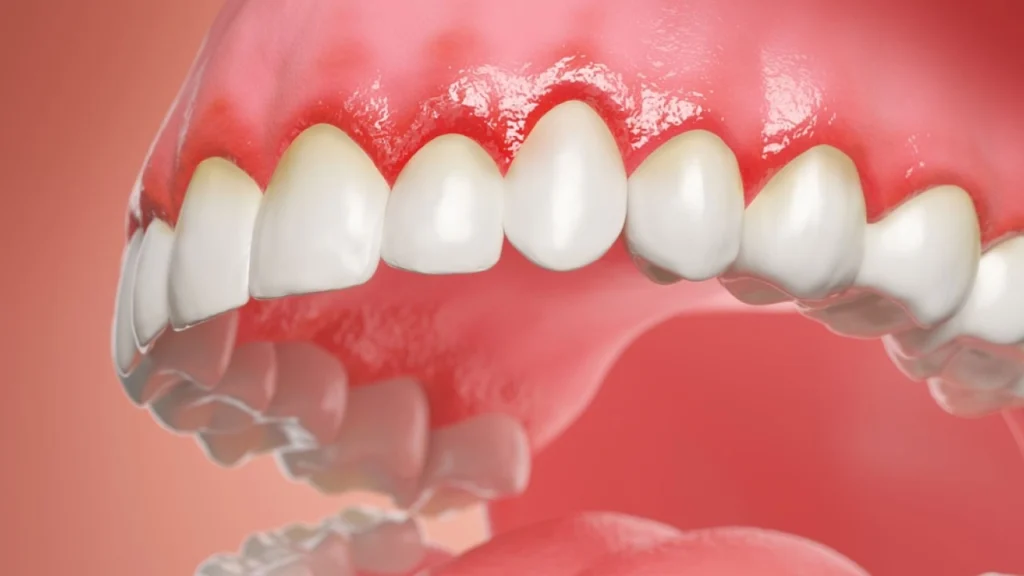
Receding gums do not grow back naturally. Severe cases require gum grafting or gum grafting surgery performed by dental professionals.
Damage to Tooth Structure
Damage to Tooth Structure includes grooves near the gumline, cracks, and thinning enamel. Tooth wear acceleration weakens the structure and increases Restoration Damage Potential if fillings or crowns are present.
Long brushing with high pressure can cause micro-fractures. These weaken the Tooth over time.
Symptoms of Overbrushing
There are 7 common over brushing symptoms:
- Sensitive teeth brushing discomfort
- Red or swollen gums
- Receding gums
- Horizontal grooves near the gumline
- Yellow appearance from enamel thinning
- Bleeding gum tissue
- Worn-out toothbrush bristles quickly
Tooth Sensitivity Increase often appears first. Pain may occur with cold foods, hot foods, or sweet drinks.
Signs You May Be Overbrushing
Signs over brushing include:
- Tooth sensitivity that worsens after brushing
- Gum tissue that looks red or irritated
- Visible enamel thinning hazards
- Dentinal Tubule Exposure near the root
- Frequent need to replace your Toothbrush
If your toothbrush bristles flare outward within weeks, pressure is too strong.
How to Avoid Overbrushing?
To avoid over brushing, adjust pressure, tools, and routine.

Use the Right Technique
Hold the Toothbrush at a 45-degree angle toward the gumline. Use small circular motions. Brush gently for 2 minutes (120 seconds). Brushing technique matters more than force.
Brush after meals, if needed, but wait 30 minutes after acidic foods or vomiting. Post-Acidic Food Brushing increases enamel thinning hazards.
Choose the Right Tools
Use a soft-bristled toothbrush. Electric toothbrushes with pressure sensors reduce aggressive brushing style. Brands such as Procter & Gamble (Crest & Oral-B), Colgate-Palmolive, and Unilever (Pepsodent) offer options with soft bristles.
Use Fluoride toothpaste instead of abrasive paste overuse products. Avoid harsh whitening formulas.
Stick to a Moderate Routine
Brush twice daily. Do not brush 4 or 5 times a day unless directed by a dentist. Floss once daily. Use mouthwash to support microbial balance without mechanical damage.
Brushing duration excessive beyond 2–3 minutes increases risk.
When to Seek Professional Help
Seek Dental Professional Guidance if you notice gum recession, tooth sensitivity, or visible grooves. Dentists may apply fluoride varnish to strengthen enamel. Severe Gum Recession may require gum grafting surgery.
Clinics such as Northeast Dental Arts or oral care brands like PerforaCare often educate patients on healthy brushing routine techniques.
Preventive Measures
There are 6 preventive care steps:
- Follow recommended brushing frequency
- Use soft-bristled toothbrushes
- Replace toothbrush every 3 months
- Use fluoride-based toothpaste
- Schedule Regular checkups every 6 months
- Follow Oral Hygiene Education from dental professionals
Preventive Care protects against Gingivitis and Periodontitis while avoiding tooth abrasion.
The Role of Dental Professionals in Managing Overbrushed Teeth
Dental professionals manage over brushing damage in 4 ways:
- Fluoride varnish application to reduce tooth sensitivity
- Bonding to cover exposed cementum
- Gum grafting for receding gums
- Monitoring tooth enamel erosion progression
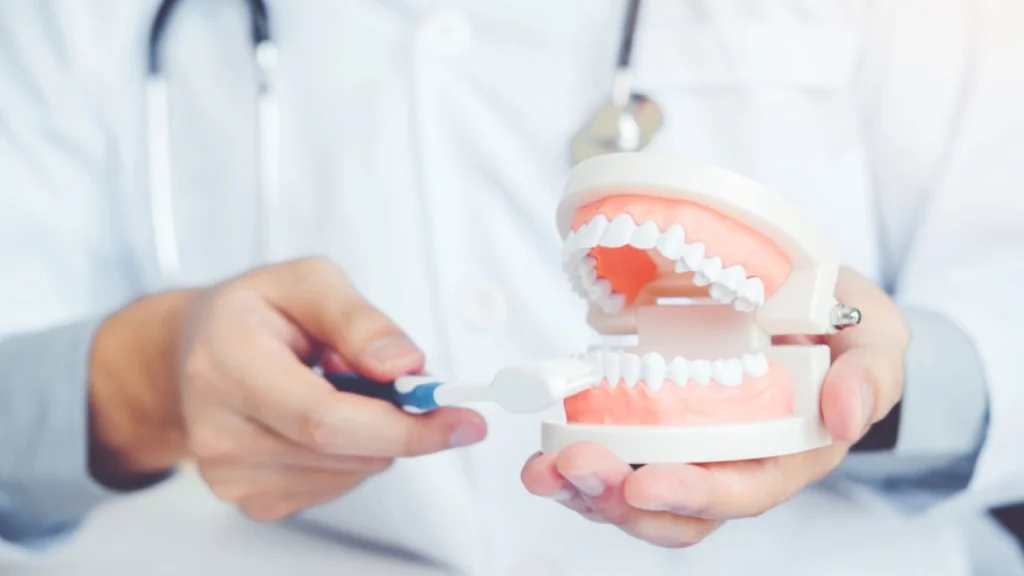
Dentists and doctors trained in oral health diagnose brushing enamel damage early. Early intervention prevents tooth decay and long-term damage.
Frequently Asked Questions about Overbrushing
What happens if you brush too much?
Brushing too much causes enamel erosion, gum recession, and tooth sensitivity. Excessive brushing damages gum tissue and weakens tooth structure.
What damage can be caused by bad brushing?
Bad brushing can cause tooth enamel damage, gum damage, bleeding gums, cavities, and dentinal tubule exposure.
What if I brush my teeth 5 times a day?
Brushing 5 times a day can harm your teeth. It increases enamel erosion risk and gum recession potential. Brush twice daily unless a dentist advises otherwise.
How often should I visit my dentist?
Visit your dentist every 6 months for Regular checkups. Some patients require visits every 3–4 months based on oral health condition.
Conclusion
Yes, it is bad to brush your teeth too much. The risks of overbrushing include enamel erosion, gum recession, tooth sensitivity, and long-term damage to tooth structure. Brushing habits must balance plaque removal and gum protection. Enamel is eroded permanently once lost, and gum tissue does not grow back easily. A healthy brushing routine protects oral health without causing harm your teeth.