
“How often should you do teeth cleaning” refers to the recommended teeth cleaning frequency for maintaining optimal oral health through regular dental cleaning and, when needed, deep teeth cleaning. The goal is simple: remove plaque and tartar, prevent gum disease and cavities, and detect dental issues early during a regular dental checkup.
A proper dental cleaning schedule supports good oral hygiene, reduces tooth decay risk, and helps prevent gum disease before it progresses to periodontitis and bone loss. Professional teeth cleaning also includes a visual exam, scaling, polishing, and fluoride treatment. In some cases, deep teeth cleaning with scaling and root planing is required.
This guide explains how often you should get teeth cleaning appointments, the difference between a regular dental cleaning and deep teeth cleaning, the risks of delaying care, and what happens during a teeth cleaning procedure.
How often should you get your teeth cleaned?
Most people should get a regular dental cleaning twice a year, or every six months.
The American Dental Association (ADA) recommends regular dental checkups at intervals determined by risk level. For low-risk patients with healthy gums, cleaning every six months is standard.
Some individuals need a different cleaning appointment frequency:
- Get cleaning every three to four months, if gum disease risk is high.
- Get more frequent visits, if diabetes or tobacco use increases inflammation.
- Get shorter intervals, if plaque buildup occurs quickly.
- Get adjusted visits, if braces increase tartar buildup.
Teeth cleaning frequency depends on plaque and tartar accumulation, oral hygiene habits, age, and systemic health conditions such as diabetes.
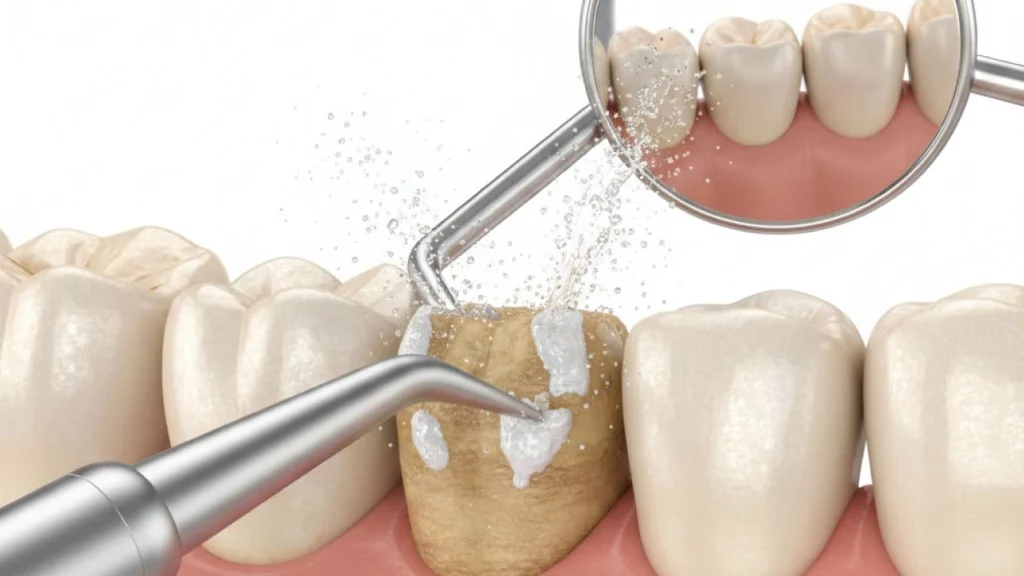
The difference between a regular dental checkup and a deep cleaning
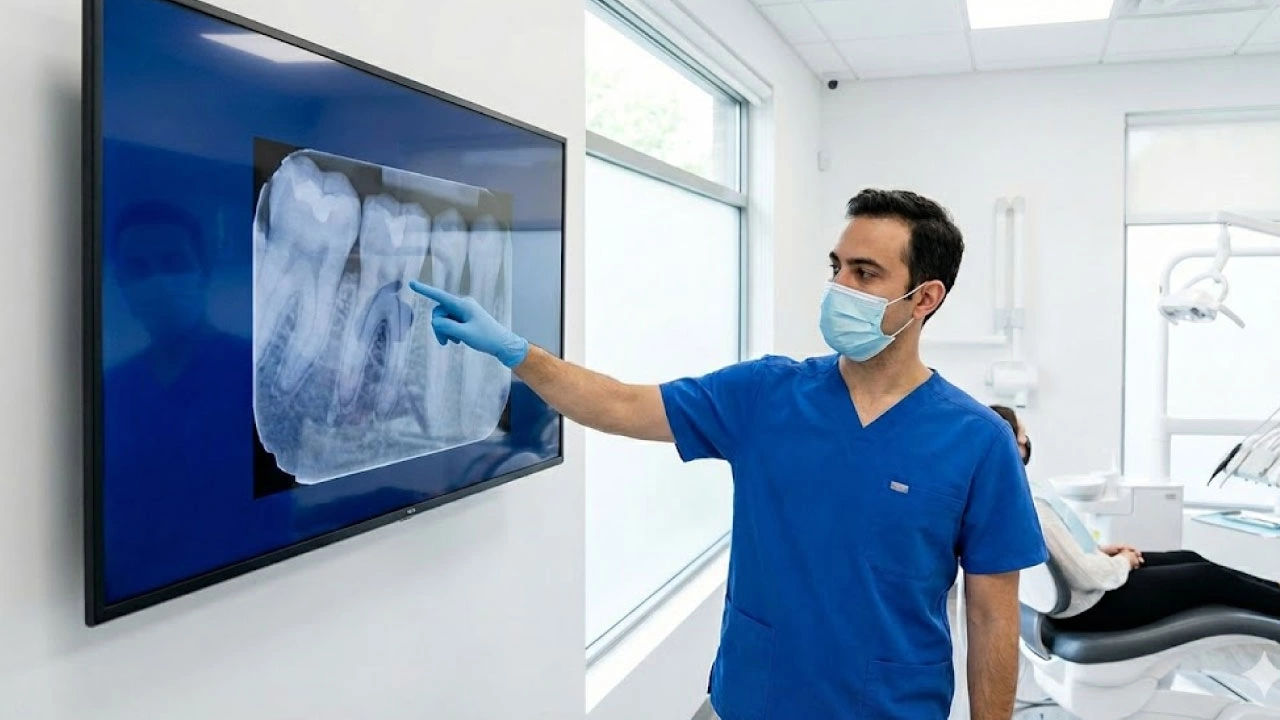
A regular dental checkup usually includes a visual exam of teeth and gums plus a professional teeth cleaning (scaling and polishing). Some visits also include X-rays and preventive steps like a fluoride treatment.
A deep teeth cleaning is different. Deep cleaning is often called scaling and root planing (some offices write “scaling and root planning”). Deep cleaning targets plaque, tartar, and bacteria below the gum line and along the roots when gum disease has created deeper pockets.
Who needs a deep cleaning?
A dentist may recommend deep teeth cleaning when signs point to gum disease and bacteria under the gum line, such as:
- bleeding with brushing or flossing
- gum tenderness, swelling, or inflammation
- chronic bad breath
- gum pockets and early periodontitis findings
- bone loss seen on X-rays
- loose teeth or early tooth loss risk
Risk factors that raise the chance of needing deeper periodontal care include diabetes and tobacco use, because both increase gum disease risk and slow healing.
How often should I get one?
Deep teeth cleaning (scaling and root planing) is often done once as an initial treatment, then followed by periodontal maintenance if needed.
After treatment, many patients with periodontitis move to maintenance cleanings more often than six months, commonly every 3 to 4 months, based on pocket depth, bleeding, and tartar buildup.
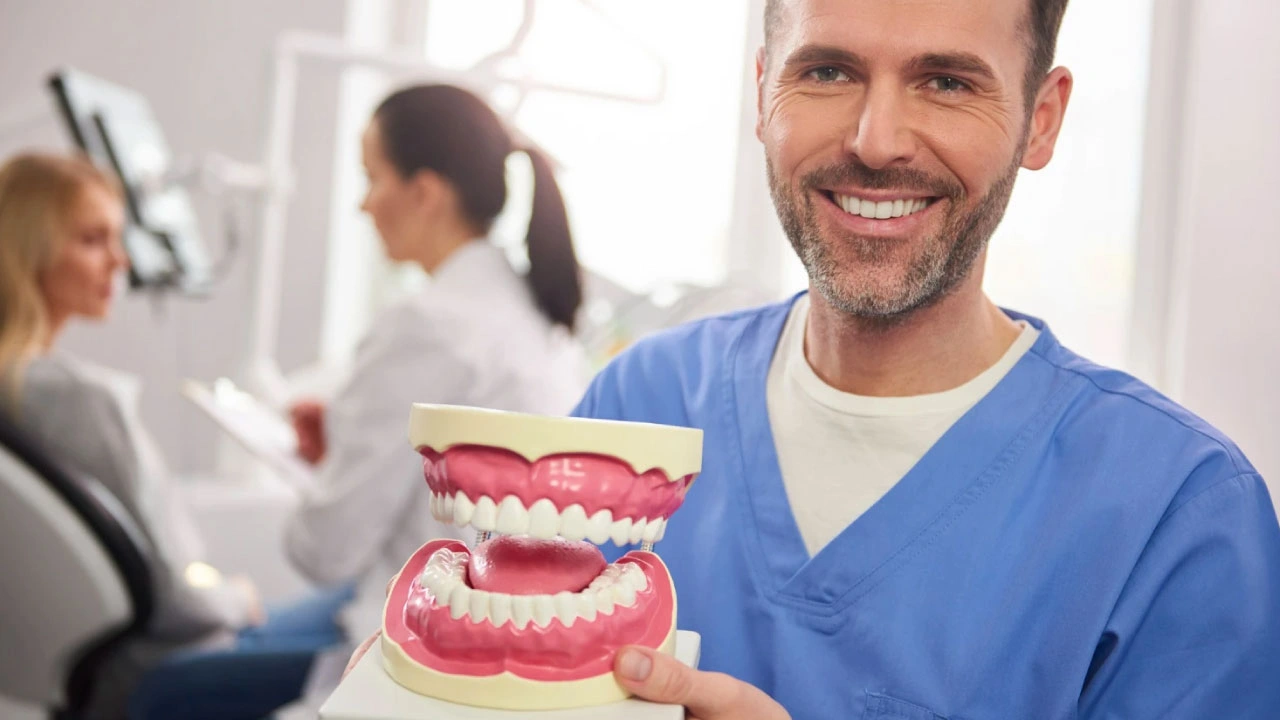
The best answer is personal: a dentist or dental hygienist sets frequency after checking gum health, bone loss, and oral hygiene habits.
The risks of not getting one
Skipping cleanings can allow plaque to harden into tartar, especially near the gum line, where brushing and flossing cannot remove it. Tartar buildup raises the risk of:
- gingivitis (bleeding, inflammation, tenderness)
- progression to periodontitis (bone loss and tooth loss)
- cavities and tooth decay that can lead to root canals or extractions
- worsening chronic bad breath
Are there disadvantages to getting your teeth professionally cleaned more frequently?
There is limited long-term research that clearly defines “too frequent” professional cleaning for everyone. One evidence review notes uncertainty about long-term side effects like sensitivity or surface damage.
Some people do report temporary tooth sensitivity or mild gum irritation after cleanings, especially after deep cleaning, but this does not automatically mean enamel damage.

The practical downside is cost: dental insurance often covers one or two preventive cleanings per year, and extra visits may be out-of-pocket.
What happens during a teeth cleaning
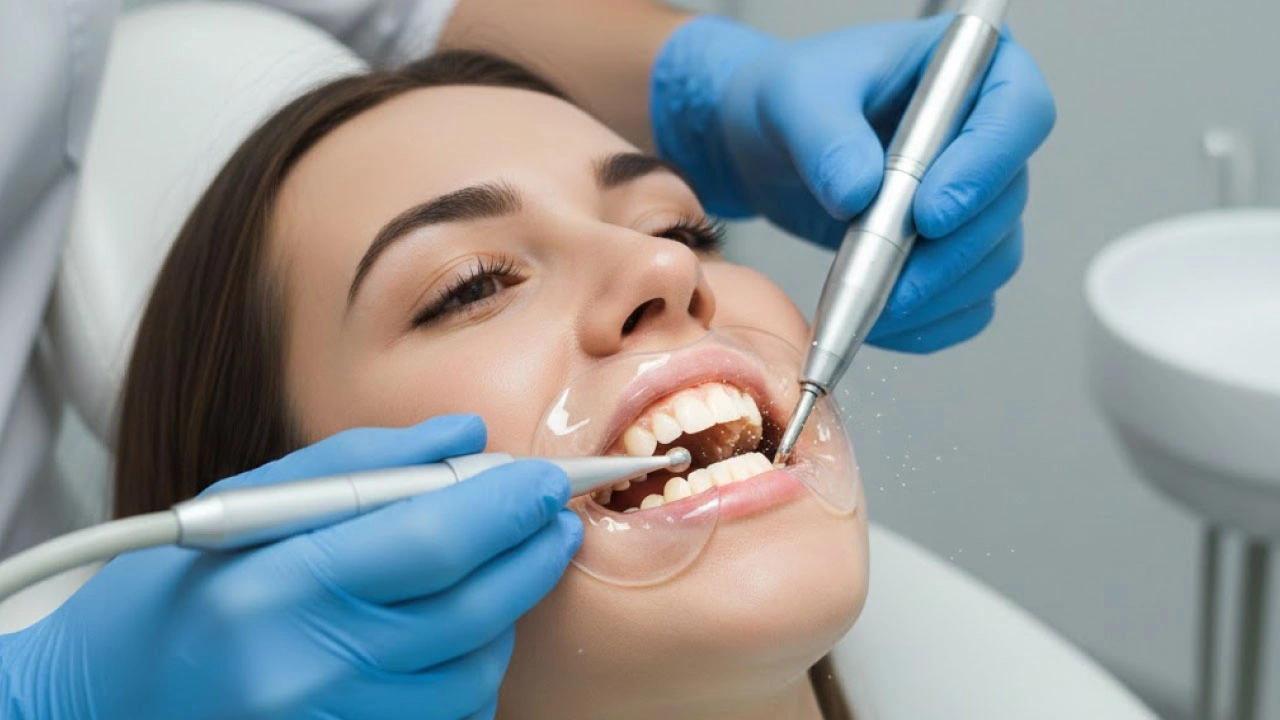
A professional teeth cleaning is usually done by a dental hygienist (or dentist) using special dental instruments to remove plaque and tartar, then polish the teeth. Many visits also include fluoride treatment.
Cleaning
The cleaning step is often called scaling. Plaque and tartar are removed from teeth, especially near the gum line and between teeth where bacteria hide.
Polishing
Polishing smooths and cleans the tooth surface after scaling. This helps remove surface stains and makes plaque less likely to stick as easily.
Fluoride treatment
A fluoride treatment may be applied as a gel, paste, or varnish to help prevent cavities and strengthen enamel.
How often should you get your teeth whitened?
There is no standard clinical guideline for how often to whiten teeth. Whitening is cosmetic, not necessary for oral health, and it is usually not covered by insurance. A dentist can suggest a schedule based on sensitivity, enamel condition, and stain patterns.
How long can you go without a dental cleaning?
You should get at least an annual dental exam, and cleanings are often done during that visit.
Some people can keep gums stable with strong oral hygiene, but skipping for long periods increases the chance that plaque turns into tartar and gum disease progresses without obvious pain early on.
Frequently asked questions
How much does teeth cleaning cost?
A standard professional teeth cleaning can cost about $75 to $200 without insurance, and prices vary by location and office. Dental insurance may include one or two preventive cleanings each year, sometimes with a copay.
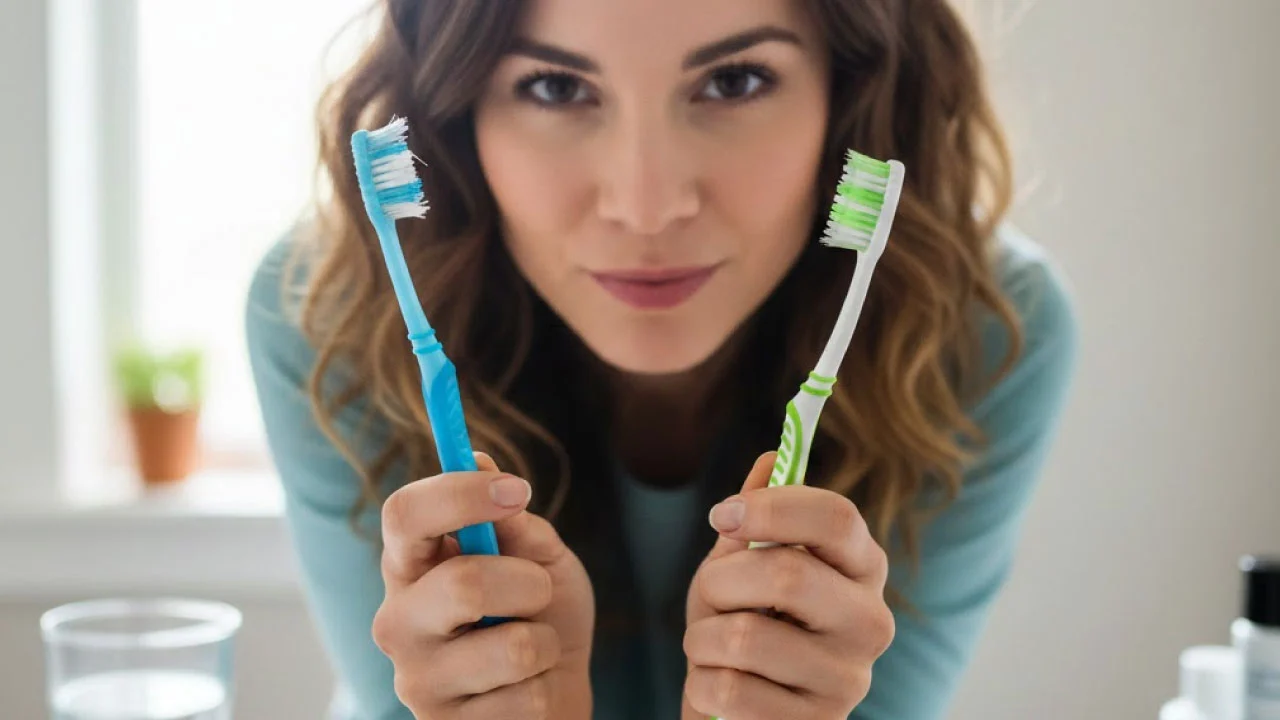
How should I take care of my teeth between teeth cleanings?
Do these 5 things between teeth cleaning appointments:
- Brush twice a day for 2 minutes with fluoride toothpaste.
- Clean between teeth daily (floss or interdental brushes) to remove plaque your toothbrush misses.
- Use mouthwash or mouth rinses if recommended for gum disease, dry mouth, or high cavity risk.
- Limit frequent sugar and acidic drinks to reduce tooth decay triggers.
- Use tools you can stick with: many people like electric brushes such as Oral-B, Philips Sonicare, or manual brushes from Colgate, as long as technique is consistent and gentle.
Takeaway
For most people, professional teeth cleaning every six months is a solid baseline, and higher-risk patients often need cleanings every three to four months. Set the schedule with a dentist based on gum health, tartar buildup, diabetes, smoking, braces, and past dental problems.