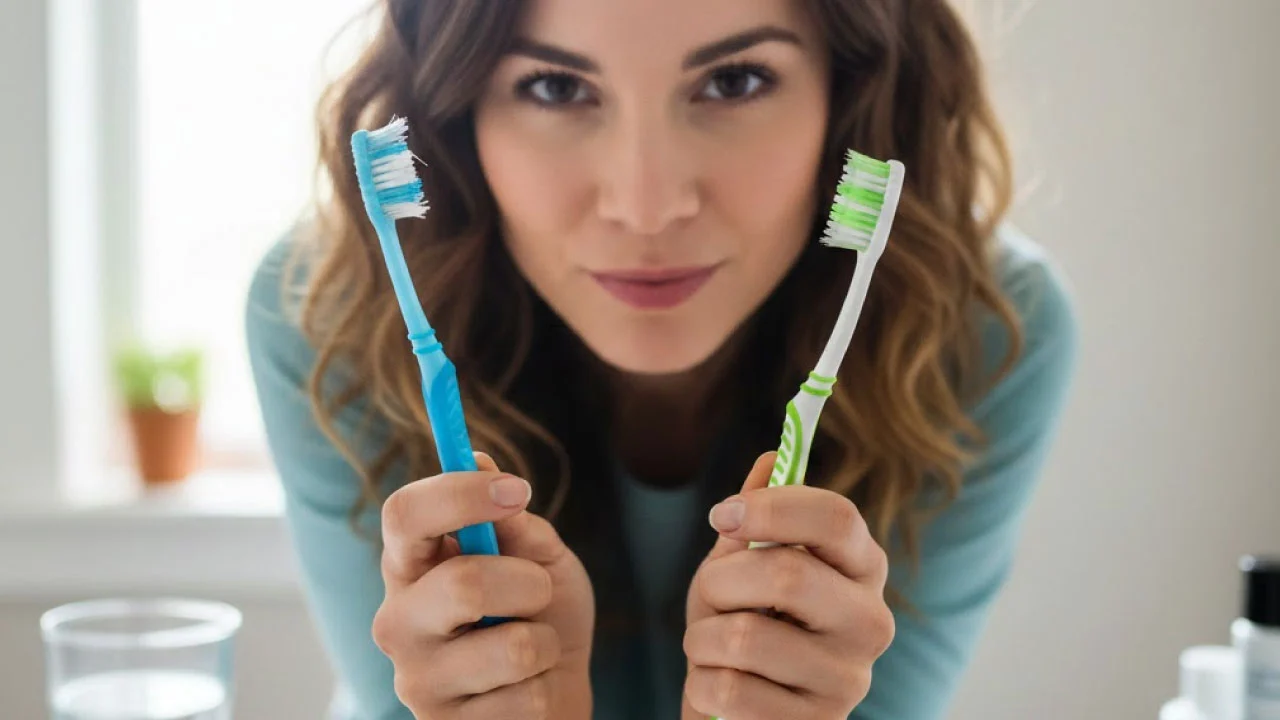
Change your toothbrush every 3 to 4 months (or sooner if the bristles are frayed). The American Dental Association (ADA) gives the same timeline for manual toothbrushes and reminds people to swap earlier when wear shows up. (ADA)
A new toothbrush matters because worn toothbrush bristles remove less plaque. Less plaque removal raises gum disease risk and makes it easier for tooth decay to start.
Signs That You Need to Change Your Toothbrush
Your Teeth Do Not Feel as Clean After Brushing
Replace the toothbrush when teeth still feel “fuzzy” after brushing for 2 minutes, twice a day. That fuzzy feel often means plaque is not being disrupted well, so bacteria present stay stuck to enamel and along the gumline.
This is common when toothbrush bristles soften, splay, and lose the shape needed for daily brushing.

The Bristles Are Frayed
Frayed toothbrush bristles are the clearest sign. Bristle splay dictates cleaning quality. A worn brush misses the gumline and leaves plaque behind, which can trigger gum inflammation and periodontal disease.
Replace the brush head sooner when:
- You brush hard
- You brush more than twice daily
- You have braces or aligners
- You see bristles bending outward
It Has a Smell
A smell is a sign bacteria are present. A toothbrush can collect saliva, plaque, and oral debris. That mix can form a biofilm accumulation rate that makes the brush smell stale or sour. Get a new toothbrush if the odor returns even after rinsing and air-drying.
You Were Recently Sick
A post-illness toothbrush swap is common advice, but the reason depends on the illness. A toothbrush can hold bacteria and viruses, yet reinfection from the brush is not always likely. (Verywell Health)
Do this instead:
- Replace the toothbrush after a bacterial infection if it gives peace of mind.
- Replace the toothbrush if it sat close to family brushes while you were sick.
- Keep the toothbrush separated, upright, and air-dried to reduce contamination.

You Do Not Remember When You Last Replaced It
If the date is unknown, replace it now and set a simple schedule. Replacement schedule adherence is easier when the swap lines up with the start of a season or a recurring calendar reminder.
How Long Do Toothbrushes Usually Last?
Most manual toothbrushes last 3 to 4 months with normal use.
Electric toothbrush heads usually last about 3 months with twice-daily brushing, and many brands use indicator bristles or a reminder light. Philips Sonicare recommends replacing brush heads every three months of normal use. Oral-B also points to a three-month change cycle for brush heads. (Oral-B)
Replace sooner when:
- Toothbrush head degradation is obvious
- You brush with heavy pressure
- You are cleaning around braces or dental work
- The brush was stored wet in a closed container (toothbrush storage matters)
What’s the Best Kind of Toothbrush to Use?
A manual toothbrush can work well when technique is solid and brushing time hits 2 minutes. An electric toothbrush often makes plaque removal easier, especially for adults with gum disease risk, sensitive teeth, or trouble brushing evenly. Many people like Philips Sonicare (Sonicare) for gentle vibration and Oral-B for oscillating heads. Colgate also makes powered brushes with replaceable heads.
Quick picks:
- Manual toothbrush: soft bristles, small head, comfortable grip
- Electric toothbrush: soft head, pressure sensor, timer, easy-to-change electric toothbrush heads
- For sensitive teeth: extra-soft bristles + desensitizing toothpaste + gentle pressure
Maintain Good Oral Health With Regular Professional Dental Cleanings and Examinations
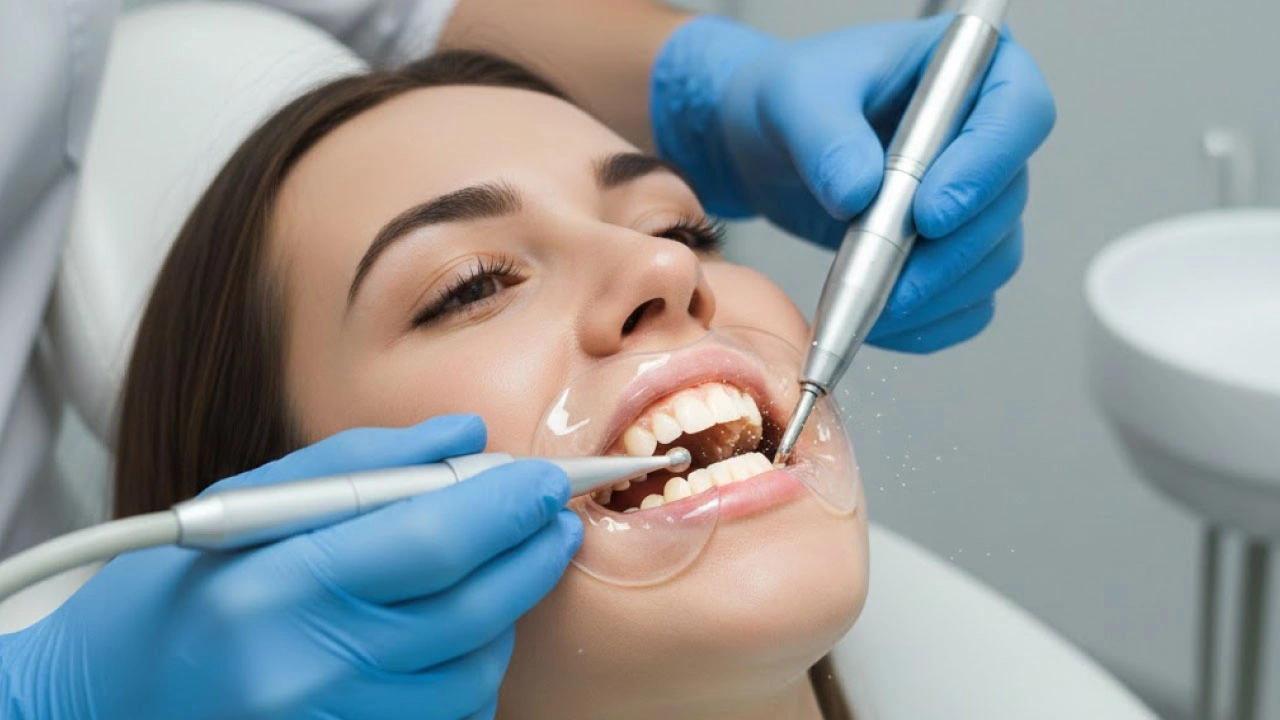
Daily brushing helps, but routine dental cleaning and checkup visits catch tooth decay, gum disease, and oral structures problems early. Many healthy adults do well with two cleanings per year, while periodontal disease patients may need more frequent dental appointments.
Dentistry of West Bend
Dentistry of West Bend in West Bend shares practical oral hygiene tips, including watching for frayed bristles and swapping brushes more often than “only at the dentist.” Dr. Harding’s Apr 11, 2022 guidance focuses on toothbrush wear, smell, and post-illness habits tied to Dental Health.
Our Hours
Call the office to confirm appointment times and availability for preventive dental treatments, general dentistry treatments, and fluoride treatments.
We’re Social
Follow the office for reminders on daily brushing, toothbrush replacement, and updates on dental sealants, fluoride treatments, and other preventive dental treatments.
Oral Health Diagnosis, Treatment & Prevention
Oral health diagnosis, treatment, prevention includes:
- Exams that check teeth, gums, and oral structures
- Gum measurements to screen for periodontal disease
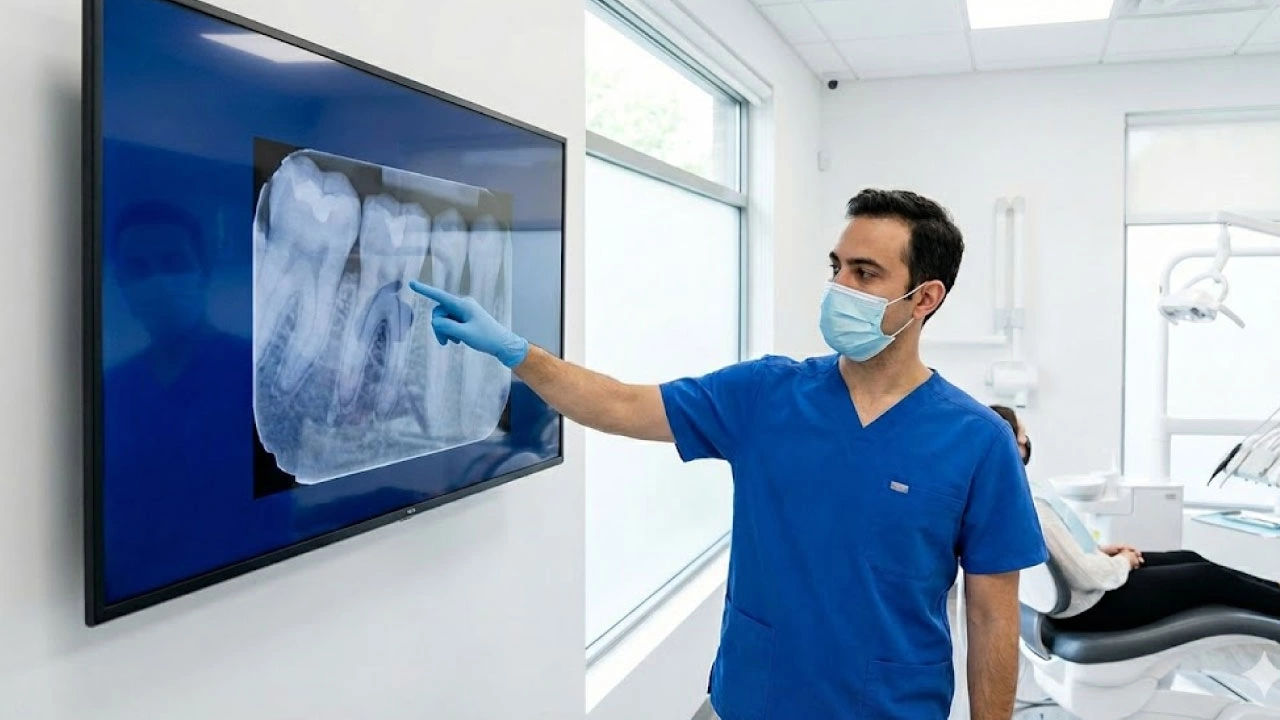
- X-rays to spot early tooth decay
- Prevention plans based on risk, stress, and oral hygiene habits
- A dentist can tailor prevention for adults with sensitive teeth, gum disease history, or frequent infections.
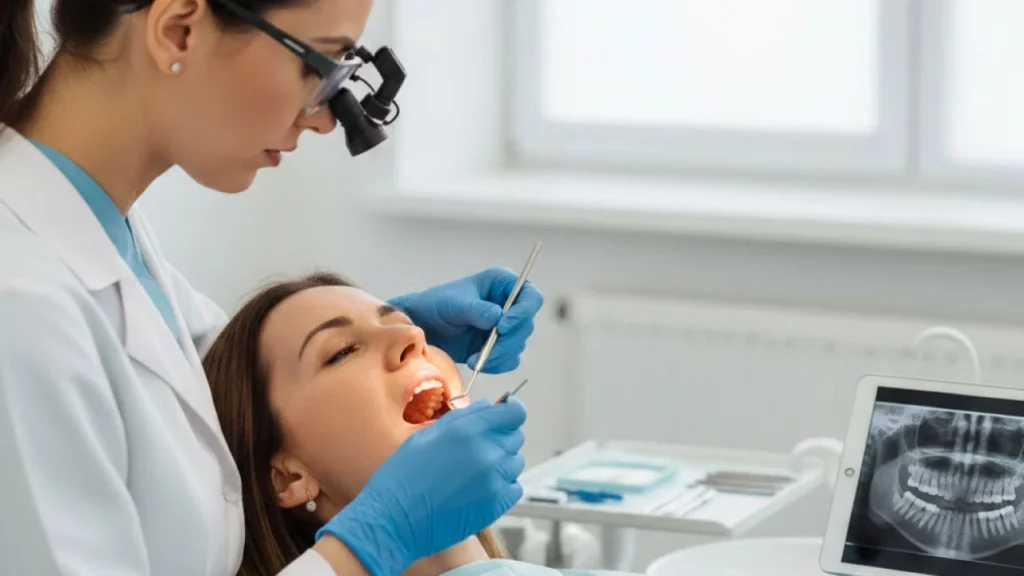
What is Dentistry?
Dentistry is the field that diagnoses, prevents, and treats conditions affecting teeth, gums, and oral structures. Dentistry includes general dentistry treatments, preventive dental treatments, and care planning that supports long-term oral health.
Dental Spa: Oral Hygiene Tips
Some clinics frame oral hygiene as a Dental Spa routine. The point is gentle, consistent care that keeps plaque down and gums calm, especially when stress and bruxism show up.
The “Home Spa” Routine
A simple home routine can keep oral hygiene steady:
- Brush your teeth for 2 minutes, twice daily
- Use a soft manual toothbrush or an electric toothbrush
- Use fluoride toothpaste to help prevent tooth decay
- Clean between teeth daily (floss or interdental tools)
- Rinse and air-dry the toothbrush upright after use
- Replace on schedule, even if the brush “looks fine”
- Some people add essential oils like peppermint or tea tree to a water flosser. Ask a dentist first if gums are irritated or if the mouth is sensitive.
Stress Reduction for Jaw Health
Stress can feed bruxism and jaw tightness. That can overload the oral muscles, including the masseter muscles.
Try:
- Gentle jaw stretches once daily
- Warm compresses when the jaw feels tight
- A night guard if grinding is confirmed
- Better sleep habits to reduce clenching triggers

Anti-Inflammatory Oral Care
Anti-inflammatory oral care targets gum inflammation before it turns into gum disease.
Focus points:
- Soft bristles only (stiff bristles can irritate gums)
- Gentle technique at the gumline
- Daily interdental cleaning where plaque hides
- Routine dental cleaning to control tartar buildup
Desensitizing Protocols
Use desensitizing toothpaste when sensitive teeth flare up. Many dentists suggest leaving a thin layer on teeth after spitting, instead of rinsing right away, so the ingredients stay in contact longer. If sensitivity is sharp or one tooth hurts, book a checkup to rule out tooth decay, cracks, or gum recession.
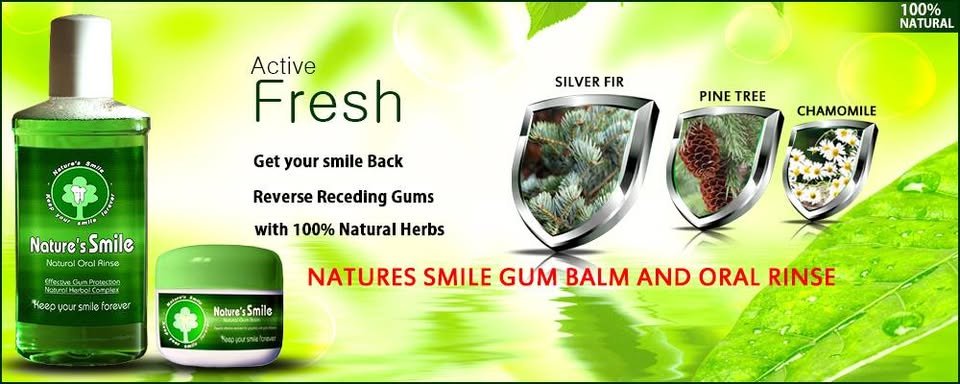
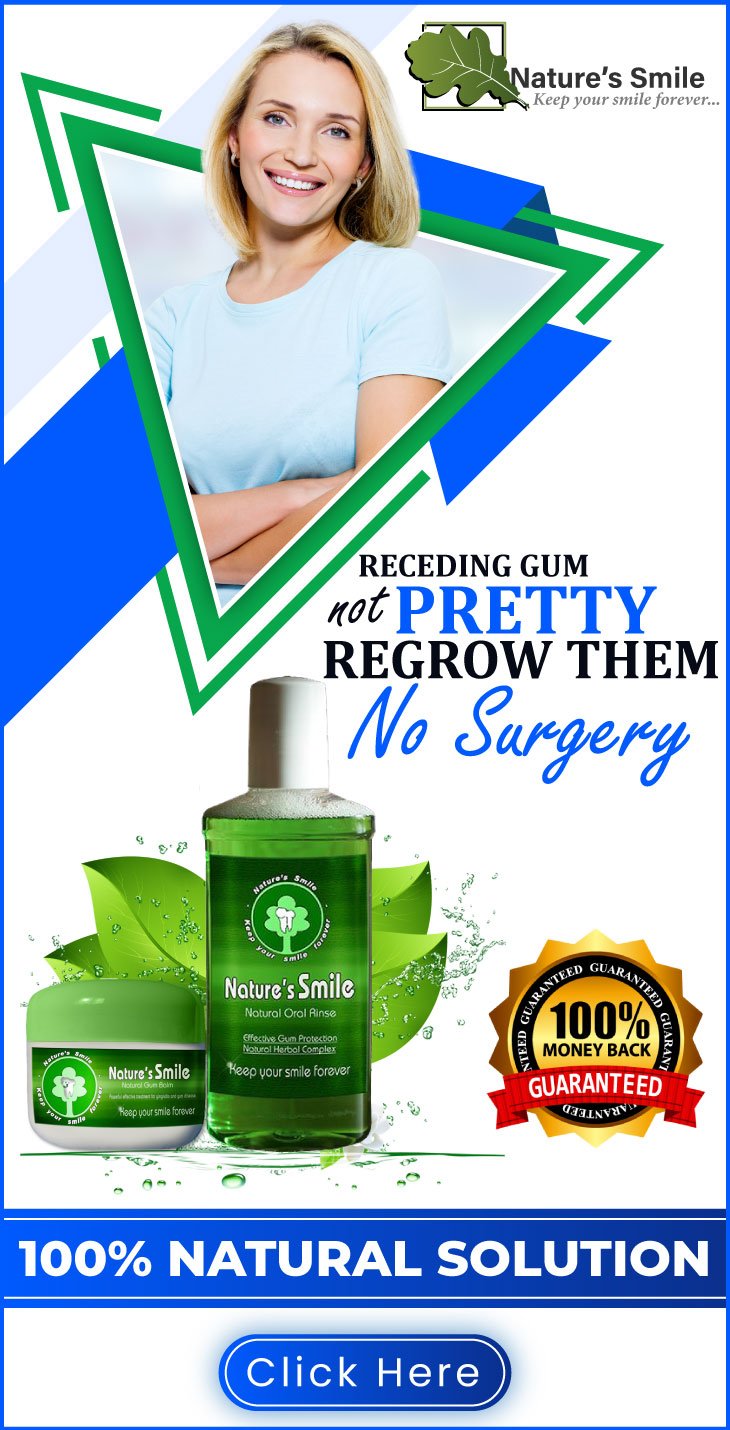
Beyond replacing your toothbrush on time, some people also add a gum-support product to their daily routine when they are dealing with bleeding gums, tenderness, or ongoing gum irritation. Nature’s Smile is one option that is often mentioned for people who want a herbal addition to their oral care routine. It is typically used after brushing as part of a broader gum-care plan, not as a replacement for brushing, flossing, or professional dental visits. When paired with a soft-bristled toothbrush, gentle brushing technique, and regular cleanings, products like Nature’s Smile may appeal to people looking for extra support for healthier-looking gums and fresher breath.
Nutrition for Oral Wellness
Nutrition supports Dental Health and gum strength.
Helpful habits:
- Drink water to support saliva flow and reduce plaque buildup
- Eat vitamin C foods to support gum tissue
- Choose calcium and phosphorus sources to support enamel
- Limit frequent sugary snacks that fuel bacteria

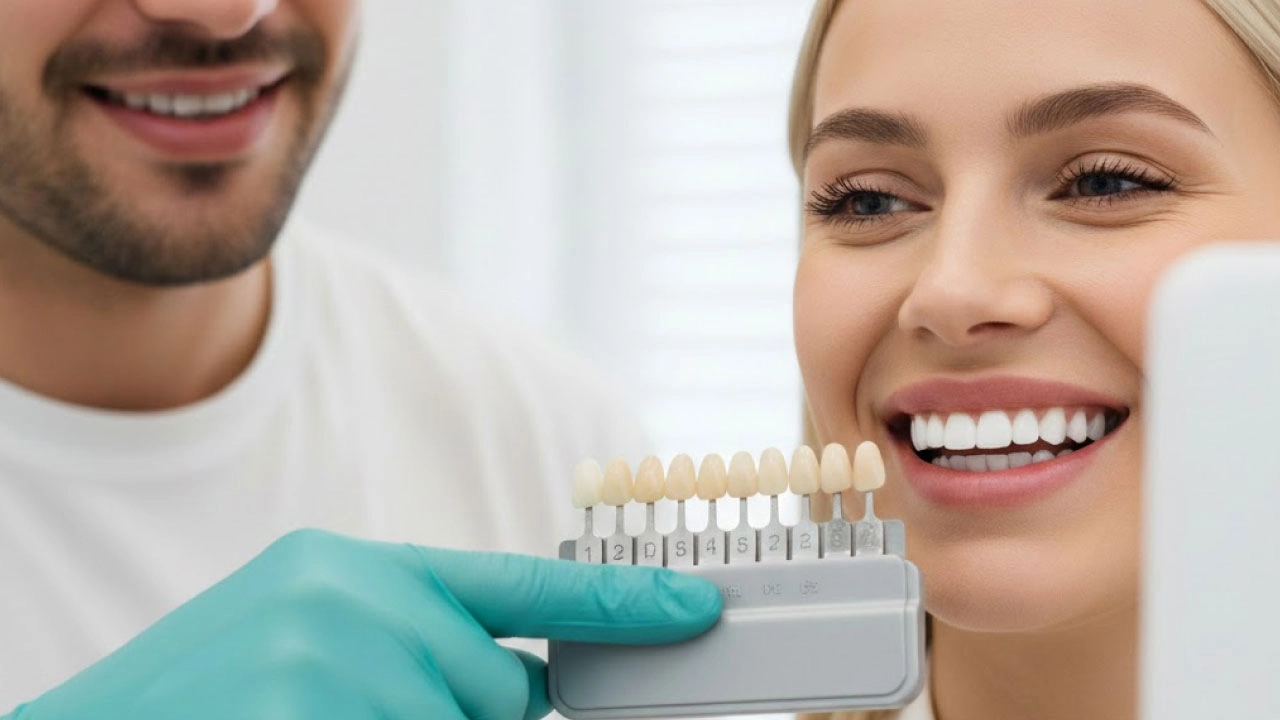
Maintaining the Esthetic Result
Keep the esthetic result (whitening, bonding, veneers) stable with:
- Low-abrasive toothpaste
- Gentle brushing pressure
- Routine dental cleaning to remove stain-holding plaque
- A night guard if bruxism is damaging restorations
FREQUENTLY ASKED QUESTIONS
How often do I change my toothbrush?
Change your toothbrush every 3 to 4 months, or sooner when toothbrush bristles are frayed.
How often do I change my electric toothbrush head?
Change electric toothbrush heads about every 3 months, or sooner if indicator bristles fade or wear shows up.
How often should kids change a toothbrush?
Use the same 3 to 4 month rule, and replace sooner because kids often chew bristles and wear brushes faster.
Should I change my toothbrush after being sick?
Many people do, but reinfection from a toothbrush is not always likely. Replace it if the brush was stored close to others, if it smells, or if bristles are worn.
Conclusion
Knowing how often do I change my toothbrush is a small habit that can make a real difference in your oral health. Replacing your toothbrush every 3 to 4 months, or sooner when the bristles fray, helps you remove plaque more effectively and protect your teeth and gums over time. A fresh toothbrush, proper brushing technique, daily flossing, and regular dental checkups all work together to lower the risk of decay, irritation, and gum problems. For people who want to go a step further with their at-home gum-care routine, adding a product like Nature’s Smile alongside consistent oral hygiene may offer extra support for keeping gums feeling cleaner, calmer, and healthier.