A gum graft is a common procedure to treat gum recession and protect tooth roots. After the surgery, the recovery process is critical for successful healing, and three weeks after gum graft surgery marks a pivotal stage in the healing process. By understanding what to expect and how to care for your graft, you can ensure a smooth recovery and promote long-term success. In this article, we’ll explore what you should expect three weeks after your gum graft, the common symptoms, and what to do if any complications arise.
Introduction to Gum Grafting and Bone Grafting: What to Expect Post-Surgery
Gum grafting and dental bone grafting are crucial dental procedures used to address gum recession or bone loss, respectively. Gum grafting typically involves taking soft tissue from the roof of your mouth or a donor and grafting it onto areas of the gums where tissue has receded. The healing process after the procedure requires careful attention to oral hygiene, diet, and activity restrictions to ensure the graft integrates successfully with the surrounding tissue.
Three weeks after the procedure, your gums will have begun to heal, but the graft site is still in a delicate phase. Understanding what to expect during this time will help you manage your recovery and reduce the risk of complications.
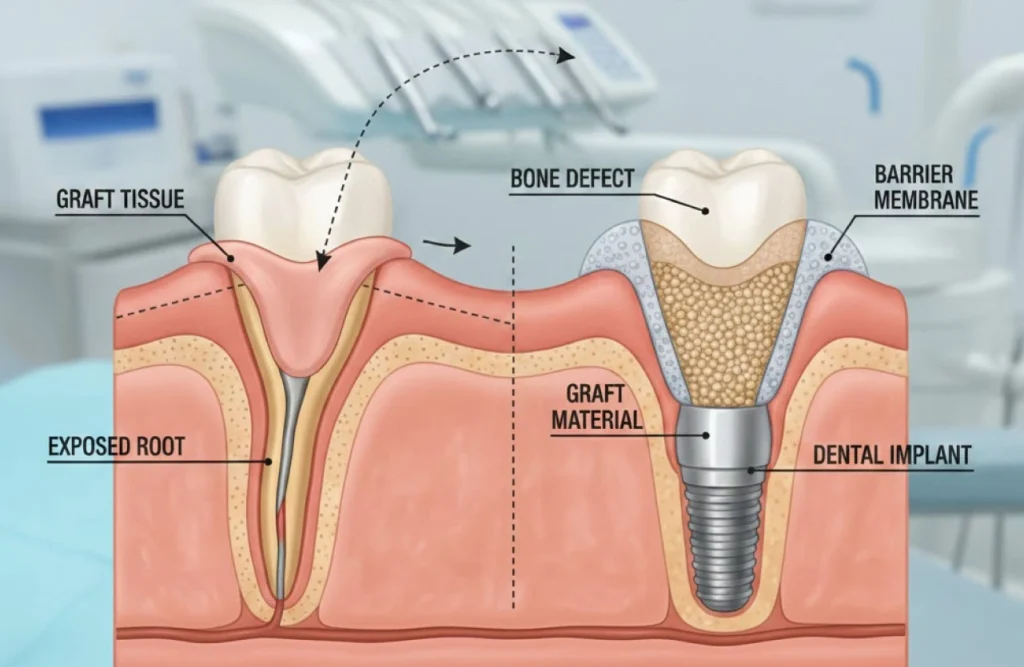
Is It Normal to Have Pain 3 Weeks After Dental Bone Graft?
Some discomfort following a dental bone graft or gum graft surgery is common, but pain should decrease as the healing progresses. At the three-week mark, pain should be less intense compared to the initial days following the procedure. However, it’s important to recognize that mild discomfort may persist as the graft tissue matures and integrates with the natural gum tissue.
What Causes Pain 3 Weeks Post-Dental Bone Graft?
There are several factors that can contribute to pain or discomfort three weeks after dental bone graft surgery. These include:
- Initial healing stages: The graft is still establishing its connection with the surrounding tissues, which can cause mild pain or tenderness.
- Swelling or bruising: Swelling should subside by now, but some residual discomfort is still possible.
- Infection or complications: If the pain worsens or becomes sharp, it may indicate an infection or other complications that require immediate dental attention.
Why Does a Gum Graft Turn White? Understanding the Healing Process
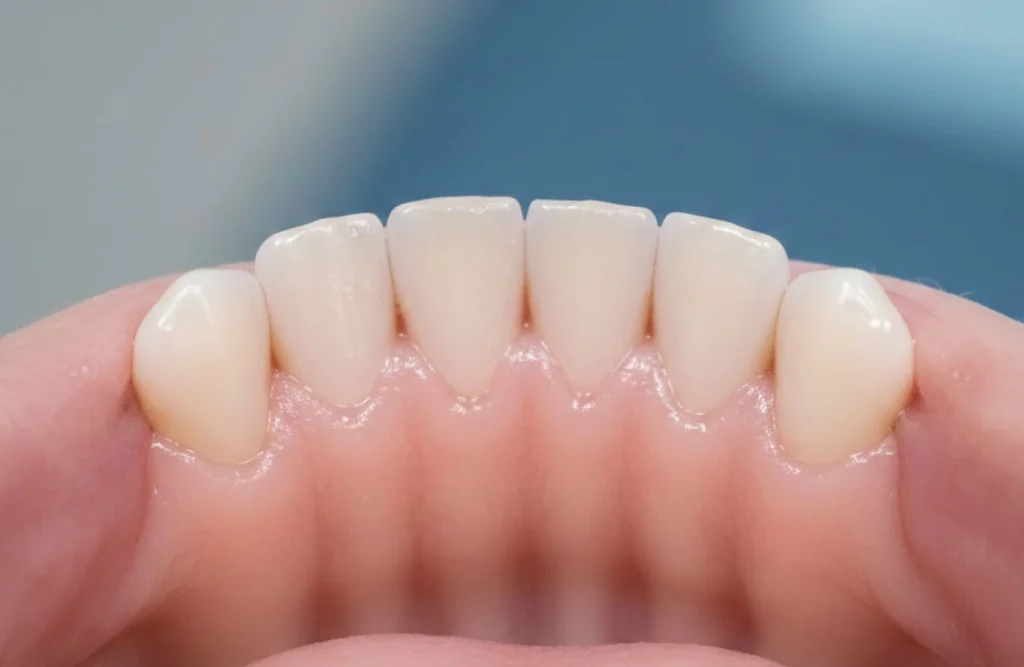
If you’ve noticed that your gum graft appears white after three weeks, this can be a normal part of the healing process. However, it may cause concern for some patients.
Reasons for Whitening of Gum Grafts
Several factors contribute to the white appearance of a gum graft during the recovery process:
- Tissue Maturation: Initially, the grafted tissue has not fully established its blood supply, resulting in a pale or white color. As the tissue matures and blood vessels integrate, the color should begin to match your natural gum tissue.
- Protective Fibrin Layer: A layer of fibrin, a protein involved in blood clotting, may form over the graft site. This white fibrin layer helps protect the grafted area from bacteria while it heals.
Normal Healing vs. Signs of Complication: What to Look For
As you approach the three-week mark in your gum graft recovery, it’s important to know the difference between normal healing and potential complications.
Normal Healing Indicators
- Slight color change: Your graft may appear lighter or white as the healing progresses. This is typical as the tissue begins to integrate and mature.
- Minimal swelling: Some residual swelling may persist, but it should gradually decrease.
- Improved comfort: You should experience a noticeable decrease in pain and discomfort compared to the first week.
Signs of Complication to Watch For
While some discomfort and color changes are normal, there are certain signs that may indicate complications:
- Persistent pain: If the pain doesn’t improve or worsens after three weeks, it could indicate an infection or graft failure.
- Excessive bleeding: While light bleeding may occur initially, excessive bleeding or oozing after three weeks is a red flag.
- Infection: Pus, fever, or a foul odor from the graft site may indicate infection.
- Unusual swelling or redness: Significant swelling or redness that doesn’t subside could signal an issue with the graft.
How to Care for Your Graft During the Recovery Period
Proper care during the first three weeks after a gum graft is essential for promoting healing and preventing complications.
Maintain Gentle Oral Hygiene
Using a soft-bristled toothbrush, brush around the grafted area gently. Avoid brushing directly on the graft for the first few weeks to prevent disturbing the healing tissue. Your dentist may recommend antimicrobial mouthwash or saltwater rinses to reduce bacteria.

Follow Dietary Guidelines
During recovery, stick to a soft food diet that includes foods like smoothies, yogurt, soup, and applesauce. Avoid crunchy, hard, or spicy foods that could irritate the graft site. Stay hydrated, but avoid alcohol and sodas, which may hinder the healing process.
Manage Pain and Swelling
While over-the-counter pain relievers like ibuprofen can help manage pain, follow your dentist’s recommendations for dosage and frequency. Applying cold compresses to the area can also help reduce swelling in the first 48 hours.
Avoid Certain Activities
To support your recovery, avoid strenuous physical activity, smoking, and any other activities that could cause trauma to the graft site. These precautions will help minimize the risk of complications and ensure proper healing.
Monitor Healing
Keep an eye on the grafted area for any signs of infection or complications. If you notice persistent pain, unusual color changes, or swelling, reach out to your dentist for an evaluation.
Rest and Recovery
Adequate rest is essential during this recovery phase. Rest helps your body focus on healing and reduces the risk of complications. Avoid stress and take it easy to ensure optimal recovery.
When to Consult Your Dentist: Symptoms That Shouldn’t Be Ignored
If you experience any of the following symptoms three weeks after a gum graft, contact your dentist immediately:
- Persistent or increasing pain
- Signs of infection such as pus, fever, or an unpleasant taste in your mouth
- Excessive bleeding that doesn’t stop
- Changes in graft appearance, like graft displacement or increased whiteness
- Difficulty eating or drinking
- Bad taste or odor from the graft site
- Unusual sensitivity or numbness

Manage Pain 3 Weeks After Dental Bone Graft
Managing pain at three weeks after your dental bone graft should be less intense than during the first week. However, if pain persists or worsens, it’s important to consult your dentist to rule out any complications. Following the prescribed pain management plan, maintaining good oral hygiene, and monitoring the healing process will help minimize discomfort during recovery.
FAQs
How long does it take for a gum graft to heal fully?
Typically, a gum graft takes around 3-6 months to fully integrate with the surrounding tissue. However, significant improvement should be noticeable after the first 3 weeks.
What if my gum graft still looks white after 3 weeks?
It is often normal for a gum graft to appear white as it heals. The color should gradually return to normal as blood flow to the graft improves.
Can I eat solid food 3 weeks after a gum graft?
By three weeks, you can usually begin reintroducing soft solid foods into your diet. Avoid hard, crunchy, or spicy foods that could irritate the grafted area.
Conclusion
Three weeks after your gum graft surgery, the healing process should be well underway. While mild discomfort and swelling are common, paying attention to signs of complications such as persistent pain or infection is crucial for a smooth recovery. Follow your dentist’s aftercare instructions, including maintaining gentle oral hygiene, eating soft foods, and monitoring your graft site. With proper care and regular follow-ups, your gum graft should heal successfully, restoring the health and appearance of your gums.