After undergoing gum graft surgery, the first week is crucial in your healing process. The gums need time to integrate the graft tissue properly, and how well you care for your gums during this time can make a significant difference in the outcome. In this article, we will guide you through what to expect one week after gum graft surgery, offer tips on managing discomfort, and provide essential information on how to care for your gums during this critical phase of healing.
Understanding The Gum Graft Surgery
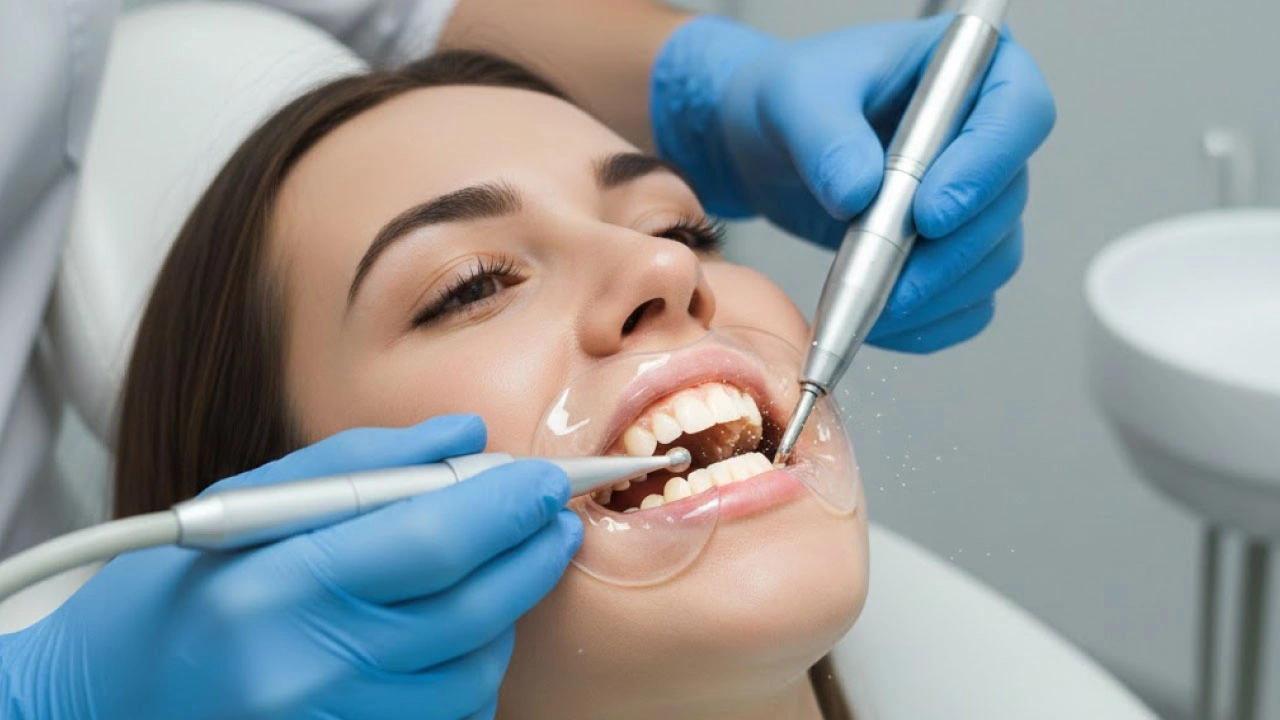
Gum graft surgery is a common dental procedure performed to address gum recession, which can expose tooth roots and lead to increased sensitivity. During this surgery, a periodontist or gum specialist takes tissue from your mouth or a donor source and grafts it onto the area where the gum has receded. This procedure helps restore gum tissue and prevent further damage to the exposed roots of your teeth.
After the surgery, the healing process begins immediately. However, the first week after gum graft is especially important for stabilizing the graft and ensuring a successful recovery. It is essential to follow post-surgical instructions carefully to minimize complications. Cleveland Clinic
Gum Graft Procedure One Week Later: What to Expect
The first week following your gum graft surgery is a time for your body to heal. During this time, you may experience a variety of sensations and changes in your gums. Here’s a breakdown of what you can expect:
Day 1-3 After Gum Graft Procedure
In the first few days following surgery, you may feel increased sensitivity and discomfort around the grafted area. This is normal as the tissue begins to settle. Swelling and bruising are also common and should start to subside by the third day. These initial symptoms are part of your body’s natural healing response, and you should rest to allow your gums to heal properly.
Day 4-5 After Gum Graft Procedure
As you move into days four and five, you may notice significant changes in the recovery process. Swelling and discomfort should begin to decrease, and you may start to feel a bit better. However, it is still important to stay vigilant for any unusual symptoms such as increased pain, excessive bleeding, or signs of infection like fever or pus. If any of these occur, contact your dentist immediately.
Day 6-7 After Gum Graft Procedure
By the time you reach day six or seven, many patients begin to feel more optimistic about their recovery. The swelling should be noticeably reduced, and the discomfort should be manageable, often with the help of over-the-counter painkillers. At this point, the grafted tissue may start to blend with your natural gums, signaling that the healing process is progressing well.
One Week After Gum Graft Procedure
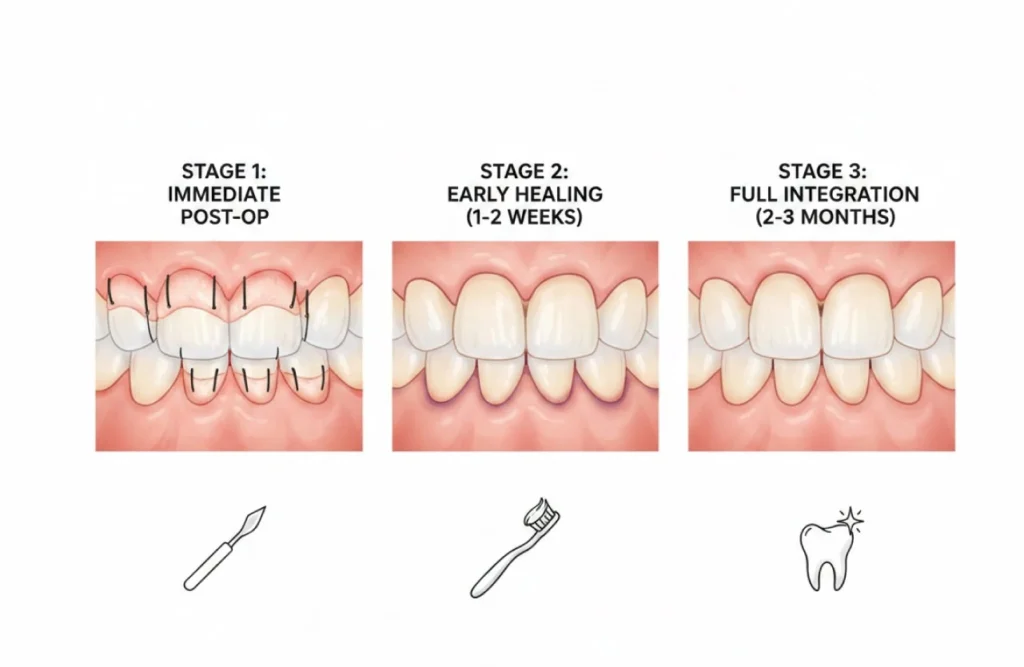
One week after the gum graft, the tissue should be starting to integrate with your gums. You may notice some changes in the color and texture of the grafted tissue, and while some sensitivity will remain, it should be significantly less than it was in the first few days. This is a positive sign that the healing process is moving forward.
Understanding the Healing Process After a Gum Graft
The healing process after gum graft surgery follows a predictable pattern. Initially, a blood clot forms at the surgical site, protecting the area and allowing tissue to start regenerating. Over the following weeks, the grafted tissue begins to integrate with your natural gum tissue, and the site gradually becomes stable. During the first week after gum graft surgery, it is essential to follow care instructions closely to avoid disrupting the healing process. PMC +1
Possibility with Gum Graft Bleeding One Week Later
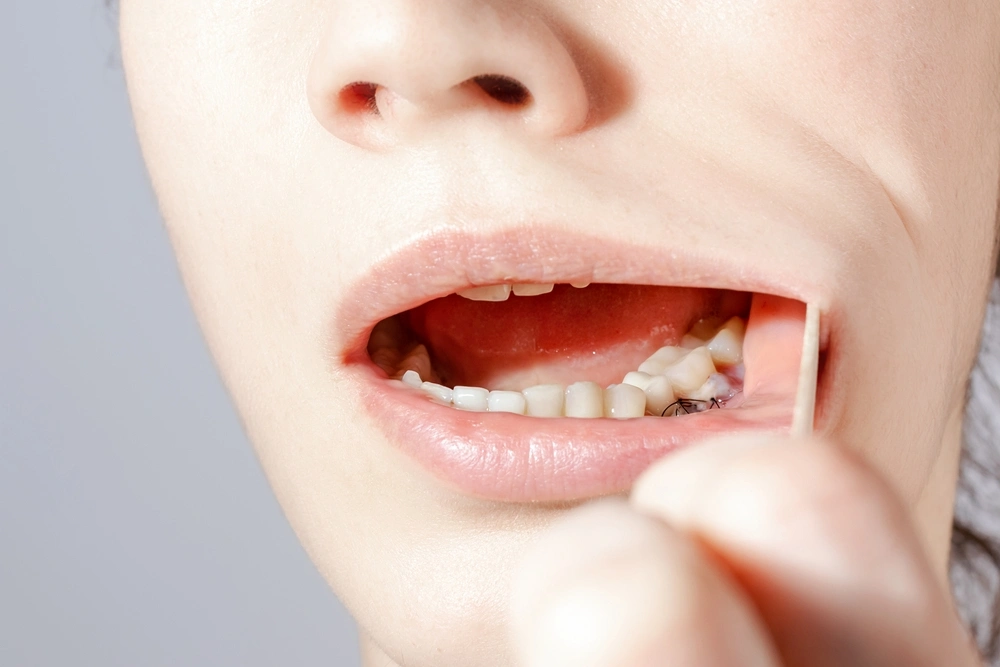
Bleeding one week after gum graft surgery can occur, but it is usually minor and can often be managed at home. If you experience bleeding, rinse your mouth gently with salt water, avoid vigorous spitting, and consider using a moist tea bag as a compress. If excessive bleeding continues, contact your dentist immediately, as it could be a sign of a complication. Cleveland Clinic
Managing Pain and Discomfort: What to Expect
Pain and discomfort are common after gum graft surgery, but they should subside as the graft begins to heal. Here are some tips for managing the discomfort:
Additional Tips For Pain Relief Include:
- Ice packs on the cheek near the graft site to reduce swelling
- Elevating your head while resting to minimize swelling
- Avoiding hot foods and beverages that can irritate sensitive areas
Medications and Their Role in Recovery
Painkillers, such as ibuprofen, are often recommended to manage discomfort and reduce swelling. Be sure to follow your dentist’s instructions regarding the dosage and frequency. Antibiotics may also be prescribed to prevent infection during the healing process. Cleveland Clinic
Identifying Normal Healing Signs vs. Complications
It’s important to differentiate between normal healing and potential complications. Some mild swelling and slight discomfort are expected, but you should be aware of the following complications:
Normal Signs vs. Complications
- Normal: Mild discomfort, light bleeding, slight swelling, and minor color changes in the graft.
- Complications: Excessive pain, excessive bleeding, increased swelling, or signs of infection like fever or pus. If any of these symptoms occur, seek professional help immediately.
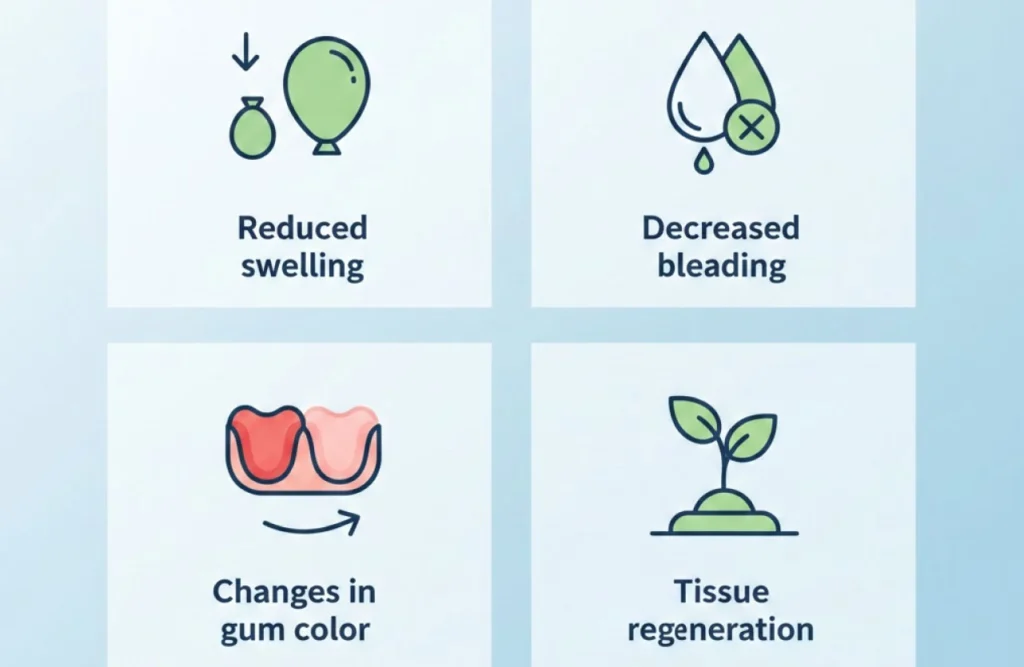
Common Symptoms and Signs of Healing
During the first week after gum graft surgery, you may experience some common symptoms, including:
- Reduced swelling: This is a positive sign that the healing process is progressing.
- Decreased bleeding: Bleeding should significantly decrease within the first 24 hours, with a stable blood clot remaining at the site.
- Changes in gum color: The grafted tissue may initially appear redder or darker, but over time, it will blend with the surrounding gums.
- Tissue regeneration: You will begin to see new tissue growth as the graft site integrates with your gums.
When to Contact Your Dentist: Identifying Complications
It’s crucial to monitor your recovery closely. Here are a few situations when you should contact your dentist:
- Persistent or increased bleeding after the first 24 hours
- Severe pain that doesn’t subside with prescribed medications
- Signs of infection such as increased swelling, pus, or fever
- Graft displacement or significant changes in the appearance of the grafted area
Oral Hygiene and Care for Your Gum Graft
Maintaining proper oral hygiene is crucial for the success of your gum graft. Follow these guidelines for cleaning your mouth after surgery:
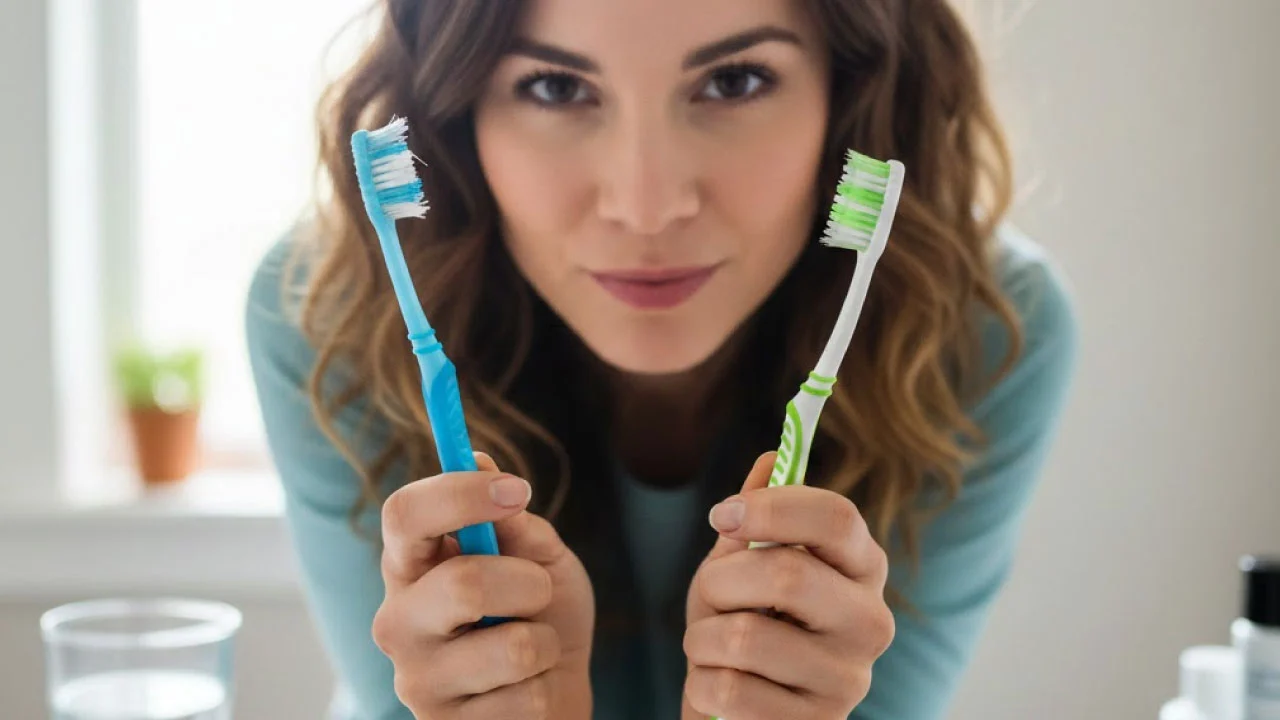
- Use a soft-bristled toothbrush and brush gently around the surgical site
- Rinse with salt water to reduce inflammation and cleanse the area
- Avoid direct contact with the grafted area
- Use prescribed mouthwash to help prevent infection
Dietary Recommendations for Post-Gum Graft Healing Stages
What you eat can greatly impact your recovery. During the first week after your gum graft surgery, it’s important to stick to a soft diet to avoid irritating the graft site.
Dietary Recommendations and Foods to Avoid
- Include: Yogurt, smoothies, mashed vegetables, and other soft, non-acidic foods.
- Avoid: Crunchy, hard, spicy, or acidic foods that could disturb the graft.
How Long Before I Can Eat Normally After Gum Graft?
It generally takes two weeks before most patients can begin eating softer solid foods. Be sure to chew gently and avoid placing pressure on the graft area.
Long-Term Care and Maintenance After a Gum Graft Surgery
Long-term care is key to maintaining the results of your gum graft surgery. Be sure to:
- Follow your dentist’s oral hygiene recommendations
- Keep up with regular dental check-ups
- Avoid smoking or using tobacco products
- Protect your graft from excessive pressure, such as teeth grinding, by using a night guard
In conclusion, one week after gum graft surgery is a crucial period for healing. By following your dentist’s instructions carefully, managing discomfort, and keeping an eye out for any complications, you can ensure a smooth recovery process. With patience and proper care, your gums will heal, and the graft will integrate successfully into your mouth.