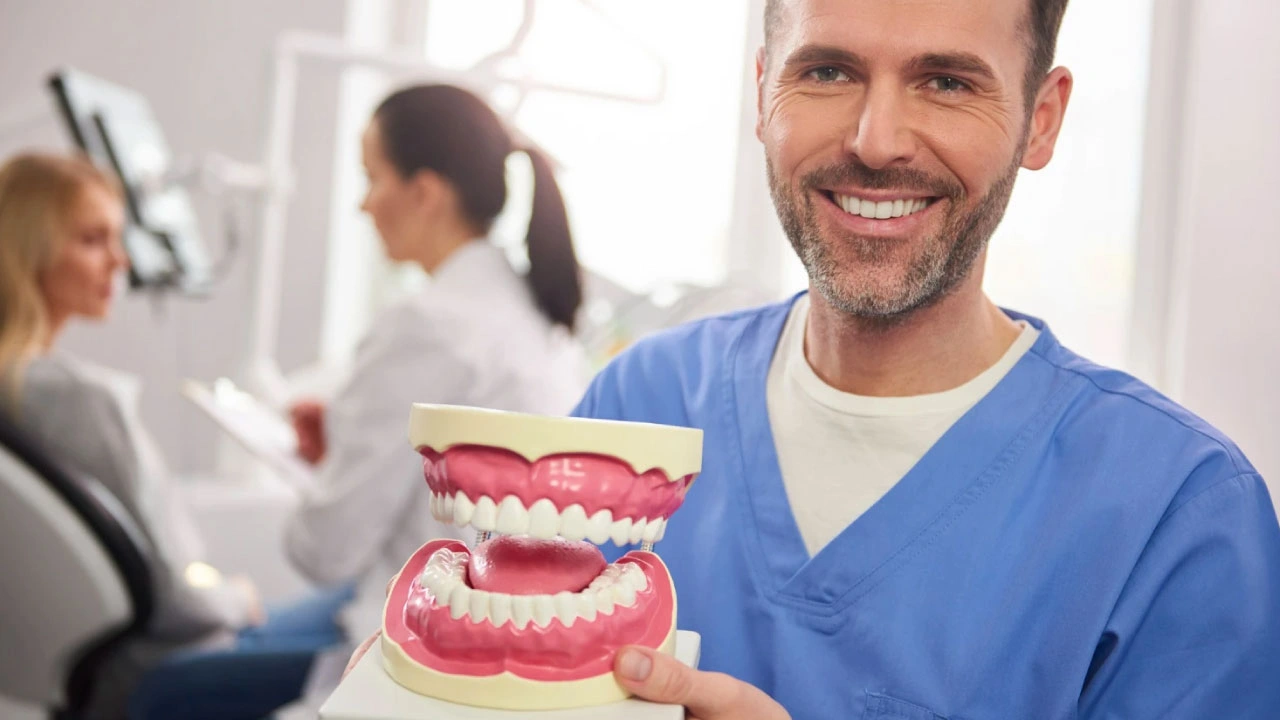

A person who is not a good candidate for dental implants is someone whose health conditions, lifestyle habits, oral health issues, bone quality and healing capacity, medications, or age factors increase the risk of complications or implant failure. Dental implants require stable oral health, adequate bone, and proper healing for successful osseointegration, which is the biological bonding between the implant and the jawbone. When systemic diseases, compromised immune function, insufficient bone density, or specific medication contraindications interfere with this process, the individual may not be suitable for dental implant placement.
Understanding who is not a candidate for dental implants helps dental patients avoid unnecessary implant surgery, reduce heightened infection risk, and select safer alternative tooth replacement options such as bridges or dentures. The main components that determine eligibility include systemic health conditions such as Uncontrolled Diabetes or Cancer, lifestyle factors that may impair immune function such as smoking or heavy alcohol consumption, oral health problems like active periodontal infection, insufficient bone density, medication-related risks, and age-related limitations.
What Health Conditions Disqualify a Person from Receiving Dental Implants?
Certain health conditions such as uncontrolled systemic disease or a weakened immune system increase the risk of complications and may lead to disqualification from dental implant surgery.
Uncontrolled Diabetes
Uncontrolled Diabetes directly affects wound healing and immune response. High blood glucose levels damage blood vessels, reduce oxygen supply to gum tissue, and delay wound healing after implant surgery. Unstable blood sugars increase infection risk around the dental implant area and reduce successful osseointegration.
Patients with uncontrolled diabetes implants concerns face higher implant failure rates. Dental professionals evaluate blood sugar control before approving implant placement.

Cancer
Cancer affecting the head and neck region, especially during ongoing radiation therapy head and neck treatment, compromises bone quality and healing. Radiation therapy head and neck exposure reduces blood circulation in the jawbone and damages bone cells needed for bone formation.
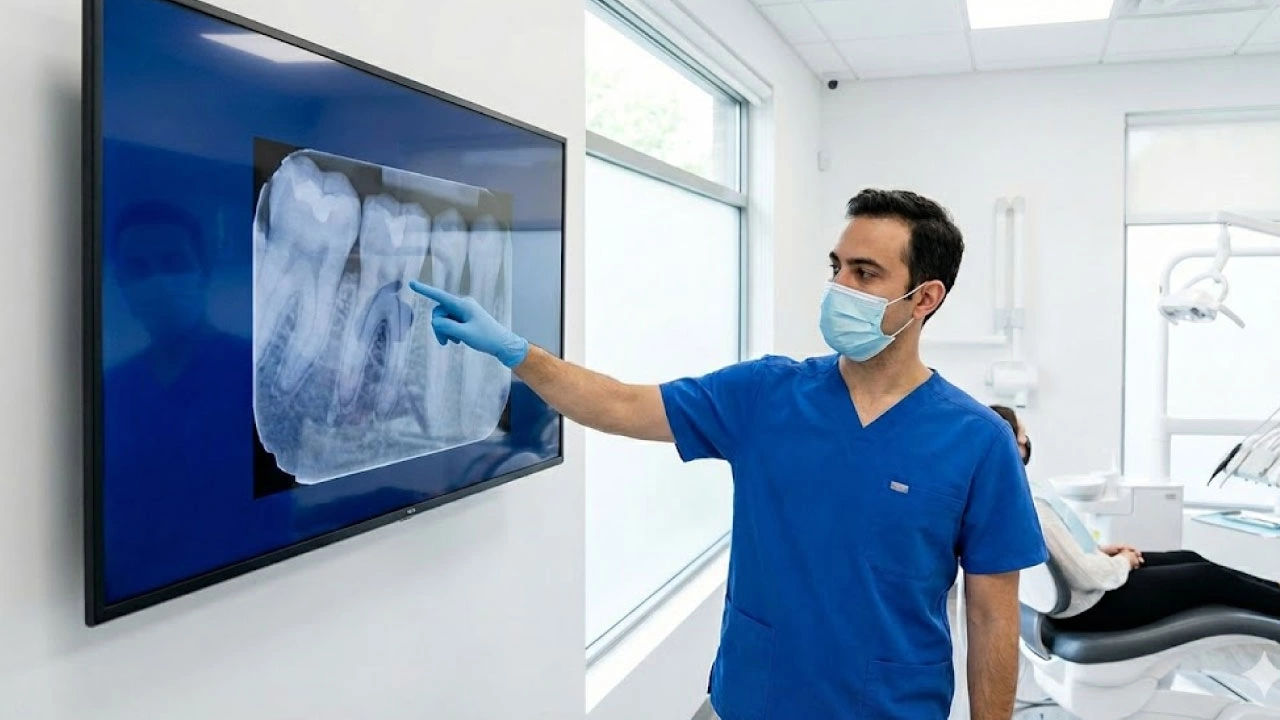
Ongoing radiation therapy increases the risk of implant failure. Dental implant placement in irradiated bone often requires careful assessment using Cone Beam Computed Tomography (CBCT). In many cases, patients undergoing active cancer treatment are not a candidate for dental implants until therapy is completed and bone health stabilizes.
Autoimmune Diseases
Autoimmune Diseases such as rheumatoid arthritis and lupus impair immune function and slow tissue repair. A compromised immune system increases heightened infection risk after implant surgery. Many patients with autoimmune diseases such as rheumatoid arthritis use medications that interfere with bone metabolism and healing.
Immunocompromised Patients often experience delayed osseointegration. When immune suppression is severe, dental implant placement may not be advised.
What Habits Can Disqualify a Person from Receiving Dental Implants?
Certain lifestyle factors that may interfere with bone formation and healing can disqualify a person from becoming a candidate for dental implants.
Smoking
Smoking significantly increases the risk of implant failure. Nicotine constricts blood vessels and reduces oxygen delivery to gums and jawbone. Tar in cigarette smoke coats oral surfaces and weakens gum tissue attachment.
Smoking impairs immune function, delays wound healing, and reduces blood circulation. Heavy smokers implants cases show higher rates of peri-implantitis and bone loss. A heavy smoker history can lead to disqualification if cessation does not occur before implant surgery.

Heavy Alcohol Consumption
Heavy alcohol consumption interferes with bone formation and bone metabolism. Alcohol weakens immune function, delays wound healing, and increases inflammation in gum tissue.
Heavy drinkers face increased risk of complications after implant surgery. Alcohol also affects bone quality and healing, which directly impacts implant stability.
Poor Oral Hygiene Habits
Poor oral hygiene causes plaque buildup and bacterial infection around implants. Poor oral hygiene compliance leads to peri-implant disease and implant failure.
Dental patients must demonstrate consistent brushing, flossing, and routine dental visits before being considered eligible for dental implants.
What Oral Health Issues Can Disqualify a Person from Receiving Dental Implants?
Active oral health issues can prevent successful osseointegration and lead to disqualification.
Poor Oral Hygiene
Poor oral hygiene dental implants cases often result in bacterial infection and inflammation. Chronic plaque accumulation damages gum tissue and bone around the implant site.

Stable oral health is required before implant surgery.
Gum / Periodontal Disease
Active periodontal disease, also known as Periodontitis, destroys gum tissue and supporting jawbone. Active periodontal infection reduces implant stability and increases implant failure risk.
Treatment of gum disease must occur before dental implant placement.
Advanced Tooth Decay
Advanced tooth decay increases bacterial load in the mouth. Adjacent teeth compromised by infection affect implant success and healing. All decay must be treated before implant surgery.
Insufficient Bone Density
Insufficient Bone Density prevents the implant from anchoring securely in the jawbone. Severe bone resorption and Jawbone Resorption occur after tooth loss or long-term gum disease.
Why Bone Health Matters?
Bone health matters because dental implants depend on direct integration with the jawbone. Adequate bone volume and density support implant stability and long-term function.
When insufficient bone density exists, Oral Surgeons or Prosthodontists may recommend Bone Grafting or a Sinus Lift. These procedures increase bone volume before implant placement. If bone grafting is not possible, the person is not suitable for dental implants.
What Medications Can Disqualify a Person from Receiving Dental Implants?
Certain medications affect implants by interfering with bone quality and healing.
Steroids
Long-term corticosteroid use suppresses immune function and reduces bone formation. Steroids delay wound healing and increase infection risk.

Bisphosphonates
Bisphosphonates dental implants concerns relate to Osteoporosis treatment. Recent bisphosphonate therapy increases the risk of osteonecrosis of the jaw after implant surgery. Patients with recent bisphosphonate therapy may face specific medication contraindications.
Antidepressants
Some antidepressants affect bone metabolism and reduce bone density. These medications affect implants by lowering bone formation capacity and healing efficiency.
Blood Thinners
Blood thinners increase bleeding risk during implant surgery. Dentists adjust treatment planning to reduce complications. Severe bleeding disorders may disqualify a patient from immediate implant placement.
Age Factors
Age influences healing capacity and jaw development.
Younger Patients
Young patients implants concerns arise when jaw growth complete status has not occurred. A growing jawbone cannot support stable implant positioning. Children and teenagers are not candidates for dental implants until jaw growth is complete.

Elderly Patients
Elderly patients may qualify, but systemic diseases, compromised immune function, or insufficient bone density increase risk. Careful health history evaluation determines eligibility.
Frequently Asked Questions Who is Not a Candidate for Dental Implants
Who is not a good candidate for dental implants?
A person with uncontrolled systemic disease, active gum disease, insufficient bone density, heavy smoking habits, heavy alcohol consumption, compromised immune function, or specific medication contraindications is not a good candidate for dental implants.
Why not get a dental implant?
Do not get a dental implant, if health conditions such as uncontrolled diabetes, ongoing radiation therapy head and neck exposure, or active periodontal infection increase the risk of complications and implant failure.
When are implants not possible?
Implants are not possible when there is severe bone resorption, unstable blood sugars, active infection, or recent bisphosphonate therapy that compromises bone quality and healing.
Who is an ideal candidate for dental implants?
An ideal candidate for dental implants has stable overall health, healthy gums, sufficient bone density, strong immune function, and good oral hygiene compliance.
Good Candidate for Dental Implants
A good candidate for dental implants demonstrates adequate bone volume, healthy gum tissue, controlled systemic conditions, and realistic treatment expectations. Proper evaluation using CBCT imaging ensures safe implant placement. Zirconia Implants and titanium implants both require strong osseointegration and healthy surrounding bone.
Consultation with experienced professionals such as Dr. Ricardo Suarez or Dr. Zachary Offman ensures accurate assessment and personalized treatment planning.
Last Thoughts
A person who is not a good candidate for dental implants is someone whose health conditions such as Uncontrolled Diabetes, Cancer, Autoimmune Diseases, lifestyle factors that may impair immune function such as smoking or heavy alcohol consumption, oral health issues including Periodontitis, insufficient bone density, medication-related risks like bisphosphonates, or age-related factors increase the risk of complications and implant failure.
Identifying who is not a candidate for dental implants protects oral health, prevents implant failure, and supports safer treatment planning. A comprehensive dental evaluation, medical history review, and imaging assessment determine whether a patient is suitable for dental implants or should consider alternative tooth replacement options.