To get rid of a loose gum flap, you must remove bacteria, stop gum recession, and reattach or reshape the gum tissue through professional dental care. Treatment depends on the cause, depth of periodontal pockets, and whether bone loss or periodontal disease is present.
A loose gum flap is not cosmetic. A loose gum flap is a sign of gum recession, infection, or structural dental problems. Early treatment prevents bone loss, tooth mobility, and tooth loss.
What Exactly is a “Loose Gum Flap”?
A loose gum flap is gum tissue that no longer fits tightly around a tooth. The gingival fibers that attach gum tissue to the tooth root become damaged. This creates a gap called a periodontal pocket.
The tooth root is covered by cementum, not enamel. Cementum is softer and sensitive. When gum tissue loosens, the tooth root becomes exposed, leading to pain, inflammation, and infection.
A loose flap near wisdom teeth is often an operculum, a gum flap covering a partially erupted tooth. Operculum infections are called pericoronitis.
Common Causes of Gum Recession and Loose Flaps
There are 5 main causes of loose gum flaps.
Plaque and Tartar Buildup
Bacterial plaque hardens into tartar (calculus) within 24–72 hours. Tartar irritates gum tissue and destroys attachment fibers. Brushing cannot remove tartar. Only professional dental cleaning works.
Gum Disease (Gingivitis and Periodontitis)
Gingivitis causes swelling and bleeding.
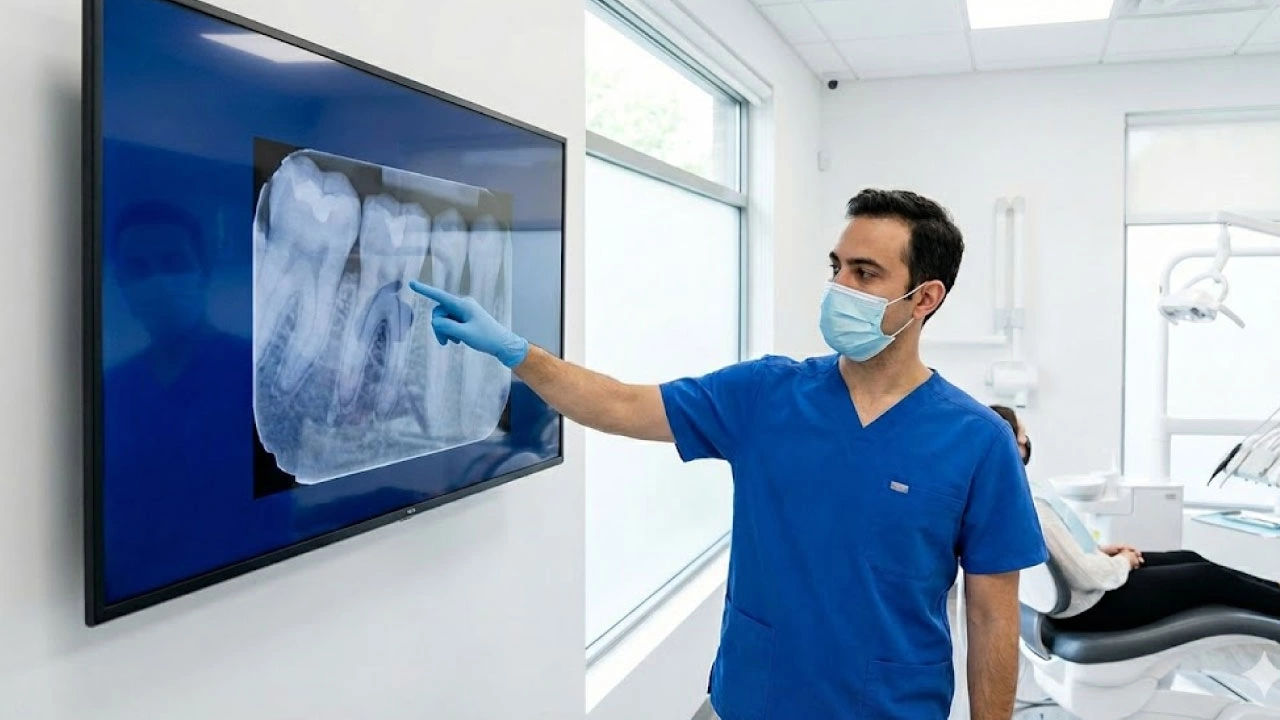
Periodontitis destroys gum tissue, jawbone, and connective fibers.
According to Healthline, periodontal disease begins with bacterial plaque and progresses to bone loss when untreated.
Food Impaction Between Teeth
Repeated food trapping irritates gum tissue. Gaps, broken fillings, crowns, or misaligned teeth increase this risk. Chronic irritation forms gum tissue flaps.
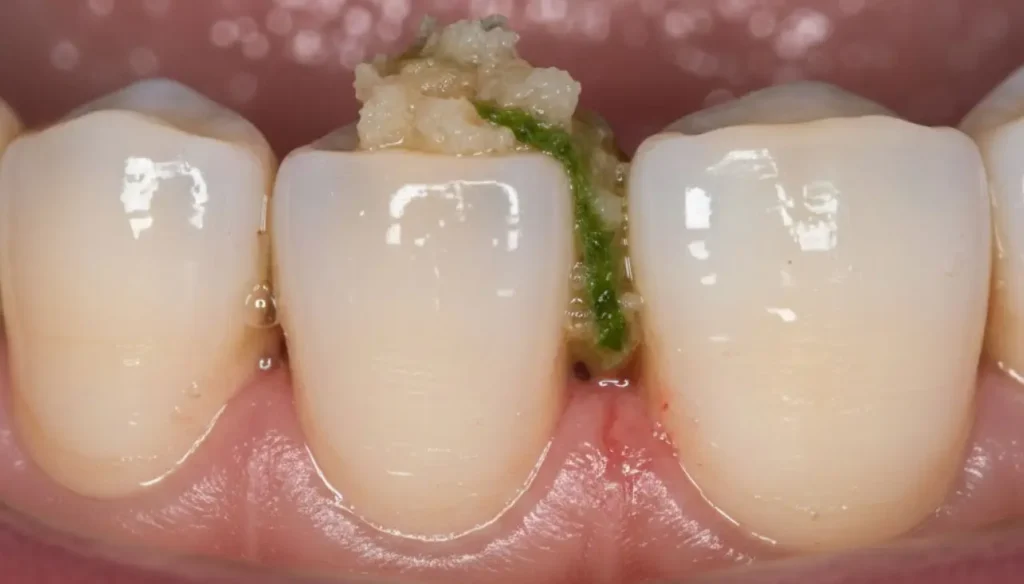
Wisdom Teeth and Tooth Misalignment
Partially erupted wisdom teeth trap bacteria under the operculum. Crowded teeth prevent proper cleaning, increasing periodontal pockets.
Poor Oral Hygiene or Aggressive Brushing
There are 2 brushing-related risks:
- Inadequate brushing allows plaque buildup
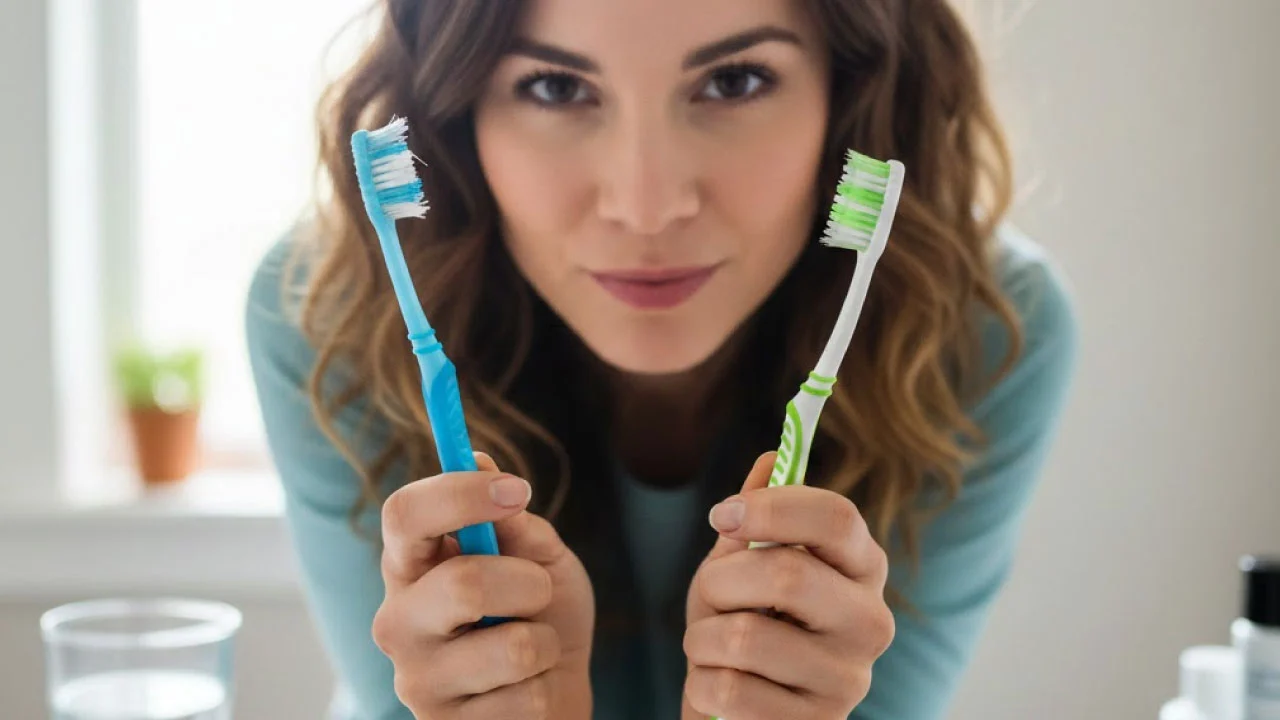
- Aggressive brushing with hard bristles causes gum recession and tissue damage
Are Gum Flaps a Serious Dental Problem?
Yes, a loose gum flap is a serious dental problem if left untreated.
Untreated gum flaps:
- Trap bacteria
- Deepen periodontal pockets
- Cause jawbone loss
- Lead to loose teeth
- Increase risk of tooth abscess
- Are linked to heart disease and diabetes
Common Symptoms Linked to Gum Flaps
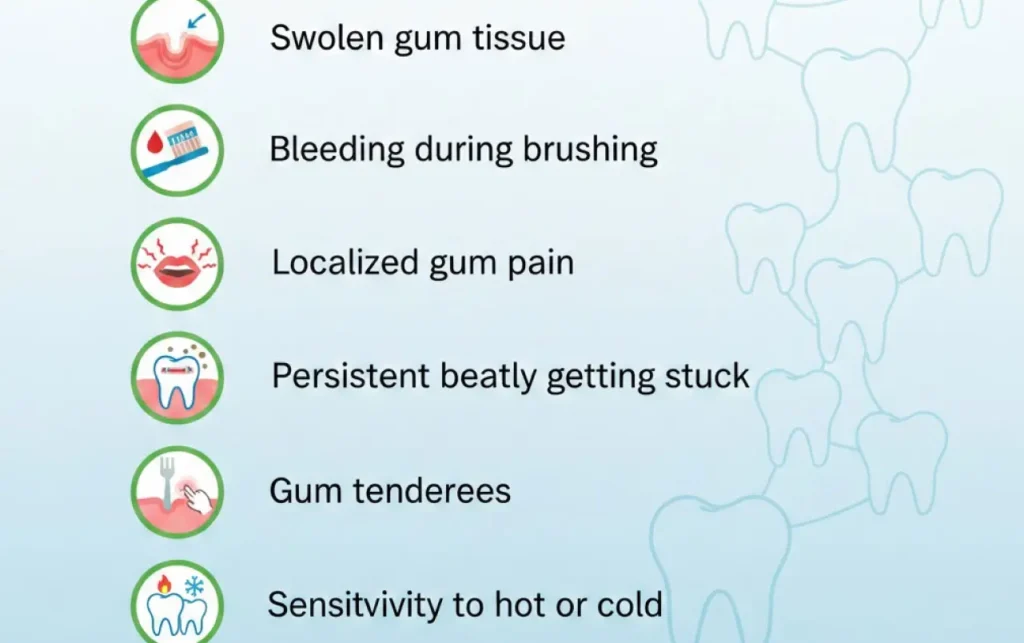
There are 7 common symptoms:
- Swollen gum tissue
- Bleeding during brushing
- Localized gum pain
- Persistent bad breath
- Food constantly getting stuck
- Gum tenderness
- Sensitivity to hot or cold
Professional Treatments: How to Fix a Loose Gum Flap
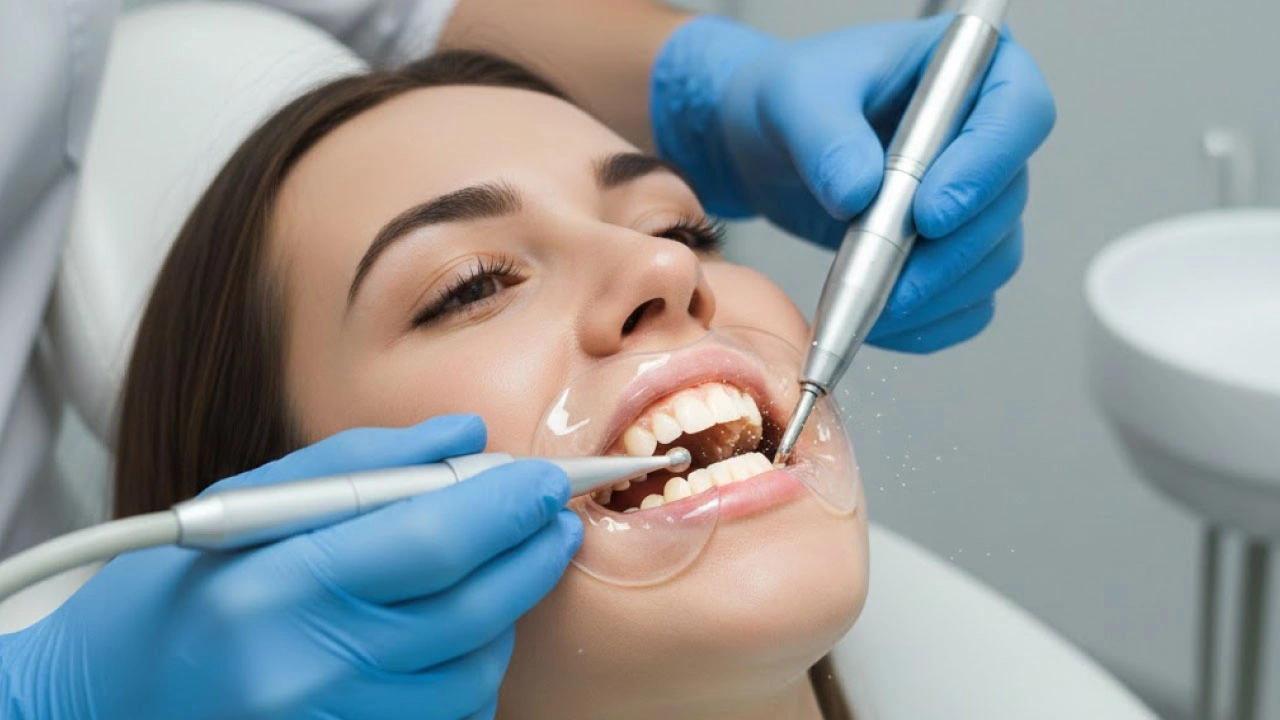
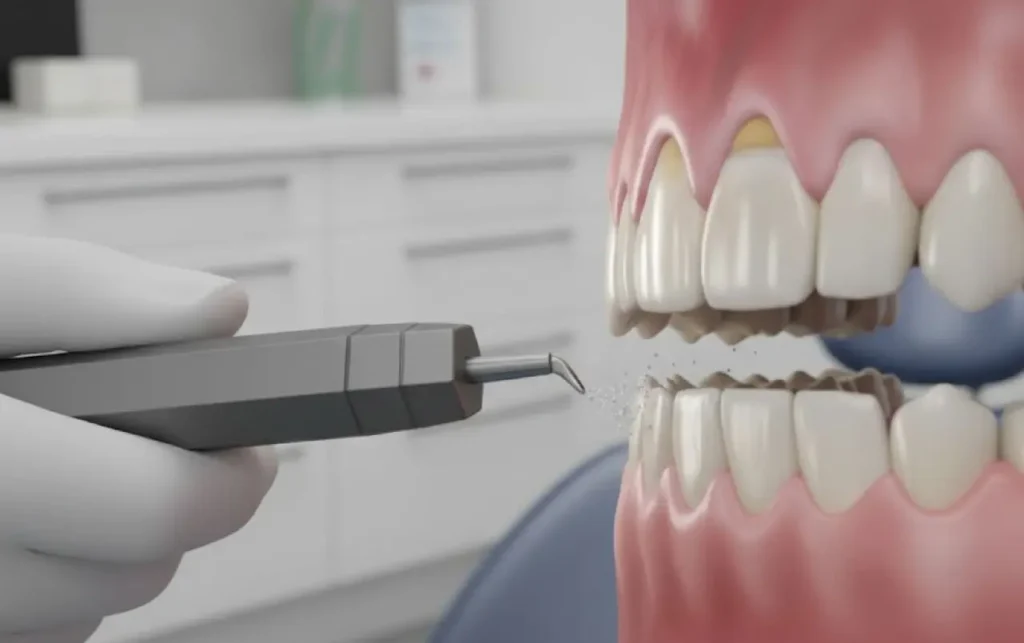
Professional Dental Cleaning (Scaling and Root Planing)
Scaling and Root Planing (SRP) is a deep cleaning procedure.
- Removes plaque and tartar below the gumline
- Smooths the tooth root
- Allows gum tissue to reattach
SRP works best for early gum recession without bone loss.
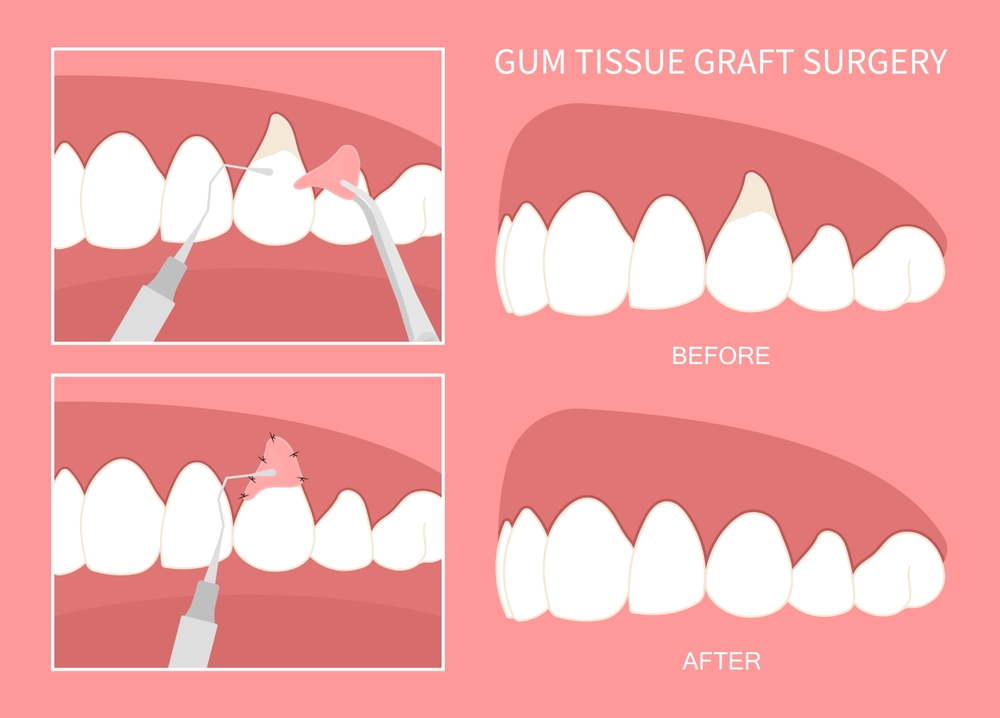
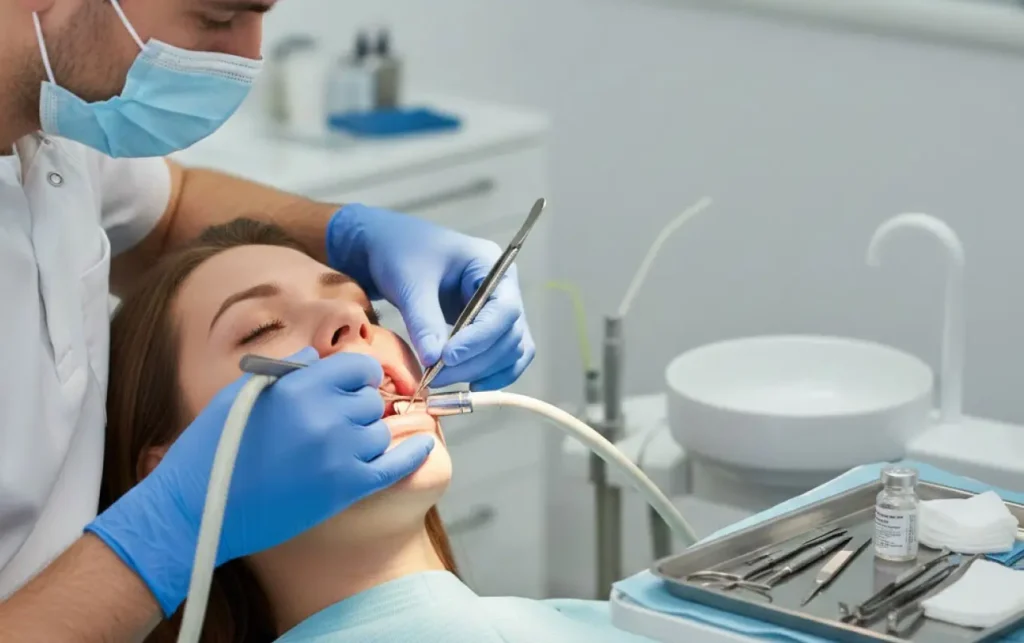
Periodontal Flap Surgery (Pocket Reduction)
Flap surgery is used when pockets exceed 5 mm.
Steps:
- Local anesthesia
- Gum tissue is lifted
- Deep bacteria removed
- Bone reshaped if needed
- Gum stitched back tightly
This reduces periodontal pockets and prevents abscess formation.
Gum Grafting
Gum grafting replaces lost tissue.
Types include:
- Connective tissue graft
- Acellular dermal matrix
- Guided tissue regeneration
Grafting protects exposed tooth roots and prevents sensitivity.
The Pinhole Surgical Technique (PST)
Pinhole Surgical Technique (PST) is minimally invasive.
- No scalpels or sutures
- Tiny pinhole made in gum tissue
- Gum repositioned over exposed root
- Collagen strips stabilize healing
Recovery is 24–48 hours.
Dental Bonding and Veneers (Cosmetic & Protective)
Dental bonding uses composite resin to cover exposed roots.
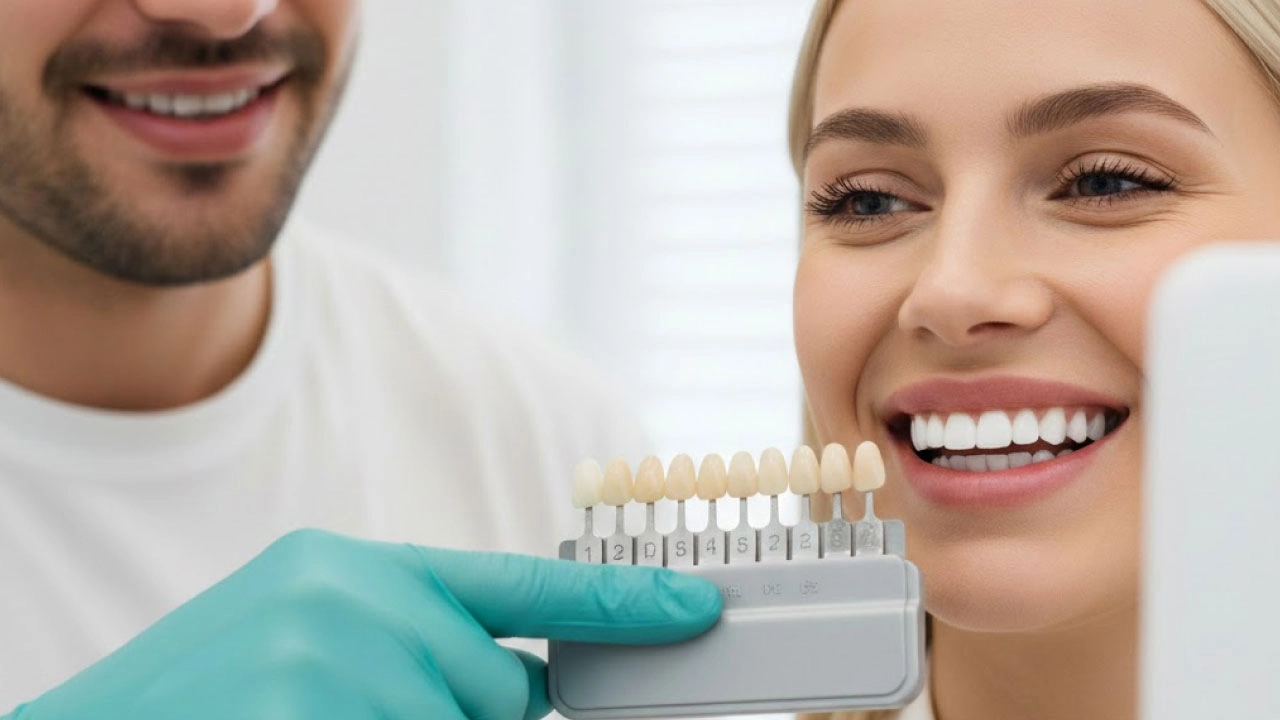
Veneers or pink porcelain mask recession visually.
These do not fix gum attachment but reduce pain and sensitivity.
Treating Gum Disease
Active periodontal disease requires:
- Scaling & root planing
- Chlorhexidine rinse regimen
- Antibiotics in severe cases
- Periodontist referral
Minor Gum Surgery or Gum Contouring
Procedures include:
- Gingival flap removal
- Laser gum flap removal
- Electrosurgery gum removal
These reshape excess tissue and eliminate bacterial traps.
Addressing Underlying Dental Issues
Permanent success requires correcting:
- Misaligned teeth
- Defective restorations
- Bruxism (teeth grinding)
- Impacted wisdom teeth
How to Prevent Gum Flaps From Coming Back
There are 6 prevention steps:
- Use a soft toothbrush
- Brush twice daily
- Floss daily
- Use antibacterial mouthwash
- Avoid smoking and tobacco
- Visit a dentist every 6 months
Can You Fix a Loose Gum Flap at Home?
No, you cannot permanently fix a loose gum flap at home.
Home care helps control symptoms:
- Saltwater rinses reduce inflammation
- Chlorhexidine mouthwash reduces bacteria
- Gentle brushing prevents further damage
Lost gum tissue does not regenerate without dental treatment.
Along with professional treatment and better brushing habits, some people also look for added gum-care support at home. Nature’s Smile is often used as a herbal gum-care product for people dealing with irritated, tender, or recession-prone gums. It should not replace deep cleaning, flap surgery, or a dentist’s diagnosis, but it may fit into a daily routine focused on keeping gums cleaner, fresher, and better supported between dental visits.
Why You Shouldn’t Wait: The Risks of Neglect
Delaying treatment leads to:
- Bone loss
- Tooth mobility
- Tooth loss
- Spread of infection
- Increased systemic disease risk
Protect Your Smile: The Importance of Timely Gum Care
A loose gum flap is a warning sign. Early periodontal treatment prevents surgery and tooth loss. Dentists and periodontists use modern dentistry to stabilize gum tissue and protect oral health.
FAQ
Does fixing a loose gum flap hurt?
No. Procedures are done under local anesthesia. Post-treatment discomfort is manageable.
Can I “glue” a loose gum flap back at home?
No. Adhesives cause infection and tissue damage.
How much does gum flap surgery cost?
Costs vary by severity and location. Insurance often covers periodontal treatment.
How long is the recovery after gum surgery?
Deep cleaning heals immediately. Surgery heals in 2–3 weeks.
What is the “flap” over my wisdom tooth?
It is an operculum. Infected operculum causes pericoronitis.
Can salt water fix a loose gum?
No. Saltwater reduces inflammation but does not reattach tissue.
Is a loose gum flap a dental emergency?
It is an emergency if pain, pus, fever, or swelling occurs.
Can vaping or smoking cause gum flaps to loosen?
Yes. Nicotine restricts blood flow and damages gum attachment.
What happens if I ignore a loose gum flap?
Bone loss progresses and the tooth may fall out.
Can gum flaps heal on their own?
No. Gum tissue does not regenerate naturally.
Are gum flaps a sign of gum disease?
Yes. Most cases involve periodontal disease.
Do gum flaps always require surgery?
No. Early cases respond to deep cleaning.
How soon should I see a dentist for gum flaps?
See a dentist within 1–2 weeks of noticing symptoms.
Take Control of Your Oral Health with Gum Flaps
If you want to get rid of a loose gum flap, the most important step is acting early before the problem turns into deeper gum damage, bone loss, or tooth instability. Professional dental treatment is the only way to properly clean infected areas, reduce pockets, and protect the tooth structure, but your daily routine also matters. Using a soft toothbrush, cleaning carefully around the gumline, flossing daily, and adding supportive products like Nature’s Smile can help reinforce a healthier gum-care routine after treatment. The sooner you address loose gum tissue, the better your chances of protecting your smile and avoiding more invasive procedures.