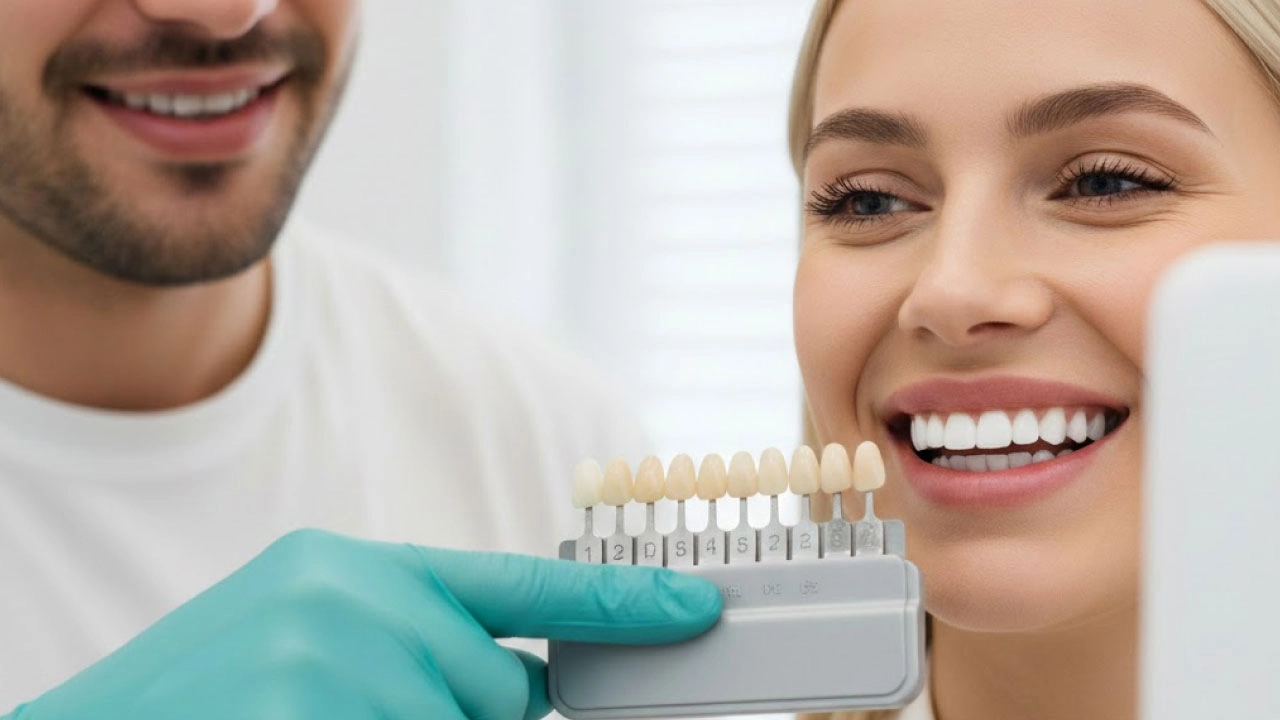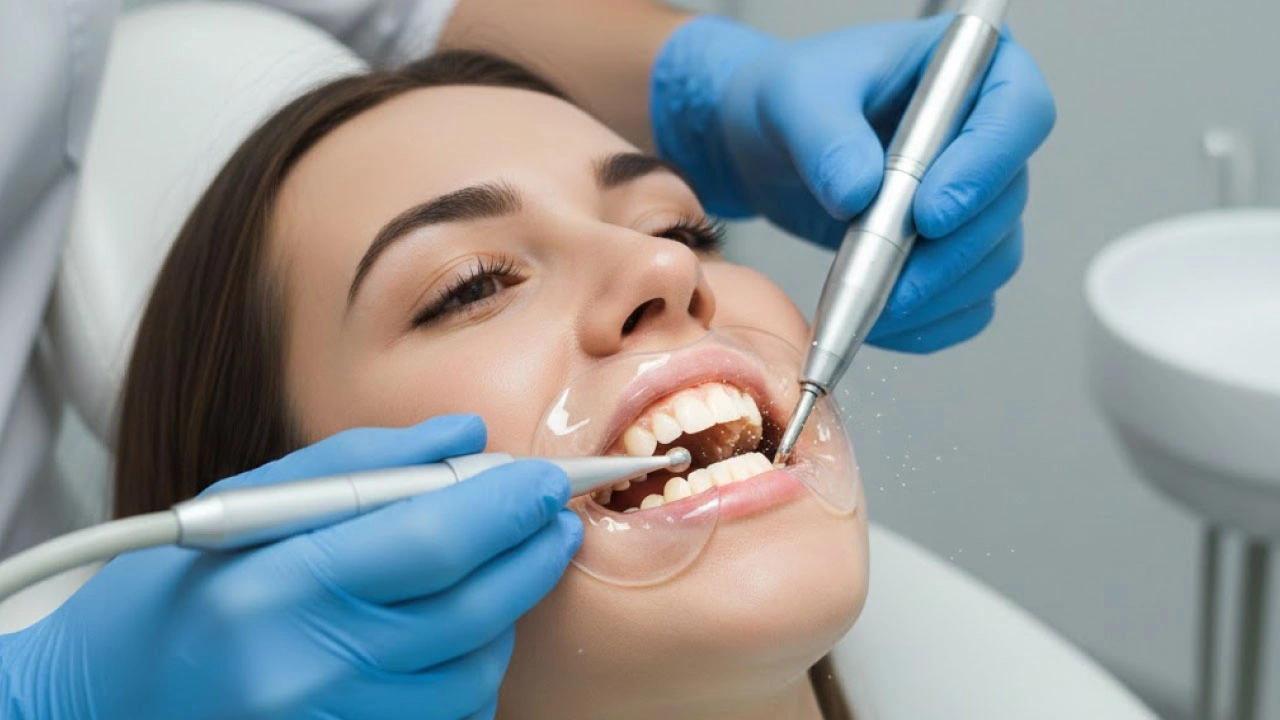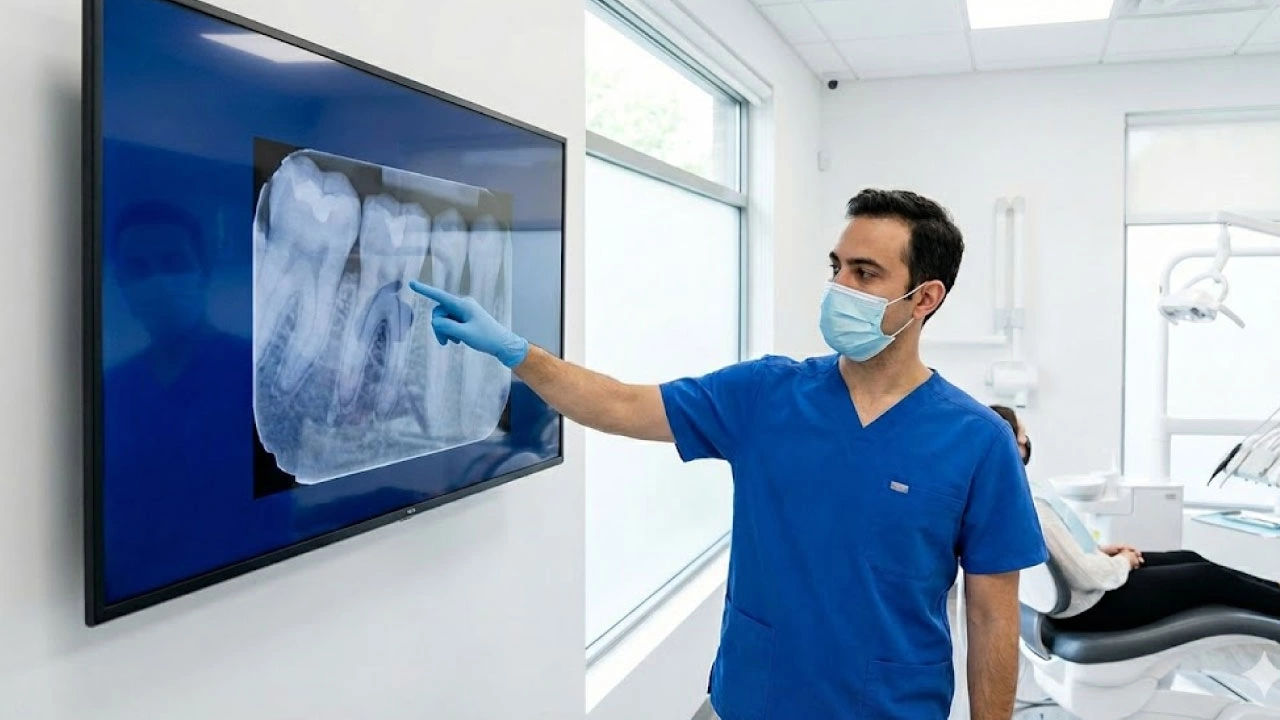
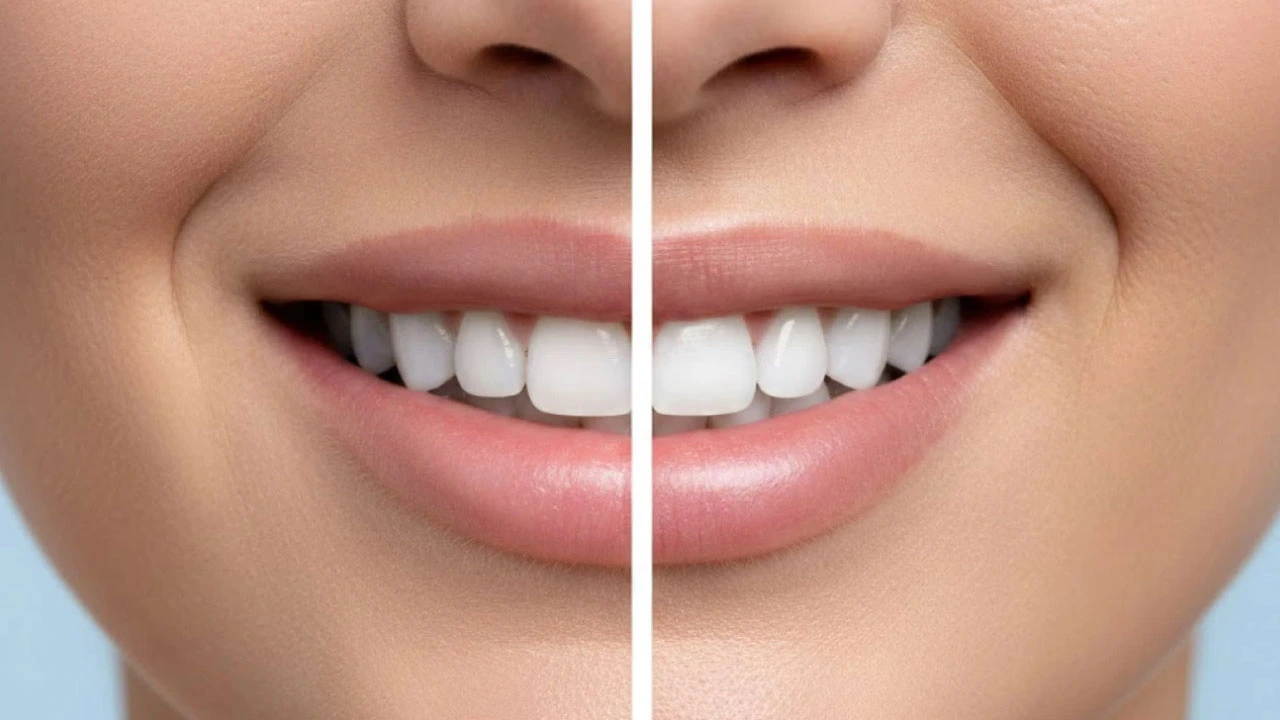
Fixing a gummy smile means reducing excessive gingival display (EGD) so less gum tissue shows above the top teeth when smiling. Gummy smile correction works by identifying the underlying cause—such as a hyperactive upper lip, jaw development problems, or tooth eruption issues—and applying a targeted treatment plan. The main goal is to correct a gummy smile, improve the aesthetics, and restore dental function.
The main benefits of fixing a gummy smile are improved confidence, balanced facial aesthetic, and better tooth-to-gum proportion. The main uses include treating excessive gingival display in women and men, correcting jaw alignment, and reshaping gum tissue for smile design. The main components of gummy smile correction include orthodontic treatment, gingivectomy, lip repositioning surgery, Botox injections, crown lengthening, and jaw surgery (orthognathic surgery).
What is a Gummy Smile?
A gummy smile is a smile that shows more than 3–4 millimeters (mm) of gum tissue above the top teeth. Research shows that 0–2 mm of gingival display is often perceived as balanced, while 3–4 mm or more is considered excessive gingival display.
Doctors estimate that about 14% of women and 7% of men show noticeable gum tissue when smiling. A gummy smile is not a disease. A gummy smile is a cosmetic and sometimes functional concern linked to gum tissue, upper lip movement, teeth size, or upper jaw position.
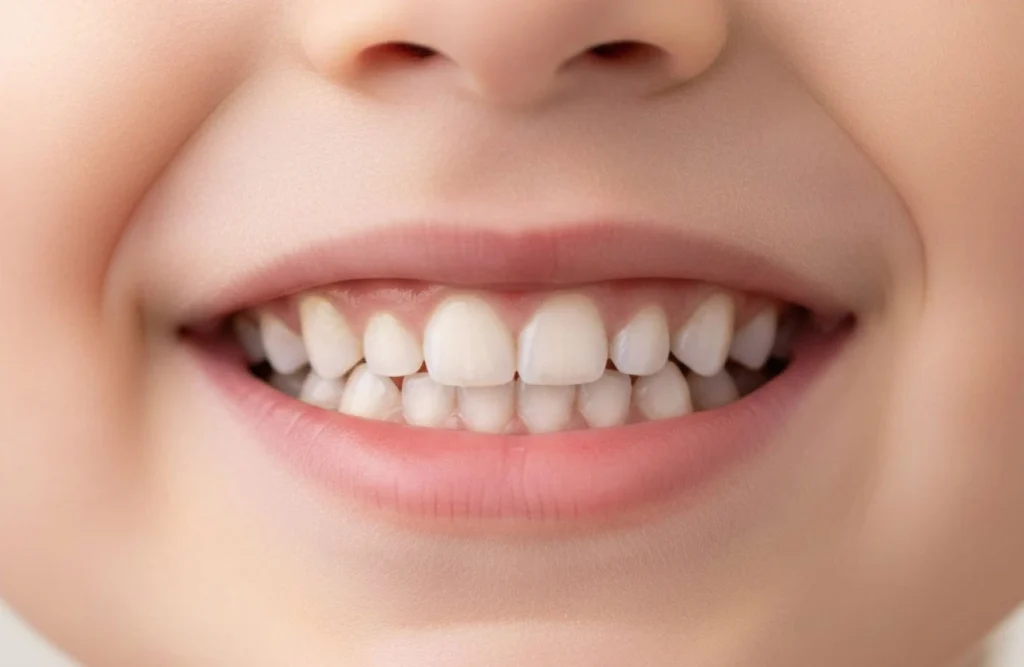
Why Does a Gummy Smile Happen? / What Causes a Gummy Smile?
There are 5 main causes of a gummy smile:
- Genetics – Genetic attributes can lead to extra gum tissue or a short upper lip.
- Hyperactive Upper Lip – A hyperactive upper lip lifts too high when smiling and exposes excess gum tissue.
- Jaw Development Problems – An overgrown upper jaw (maxillary excess) pushes gums downward.
- Tooth Eruption Issues – Altered passive eruption leaves teeth partially covered by gum tissue.
- Gingival Hypertrophy – Overgrowth of gum tissue increases gingival display.
Each cause requires a different gummy smile treatment. A dental specialist or orthodontist must evaluate teeth, gums, lips, and jaw alignment to determine the underlying cause.
Options for Gummy Smile Correction / Proven Ways to Fix a Gummy Smile
There are 6 effective treatments available to correct a gummy smile. The correct option depends on the diagnosis.
1. Orthodontic Treatment
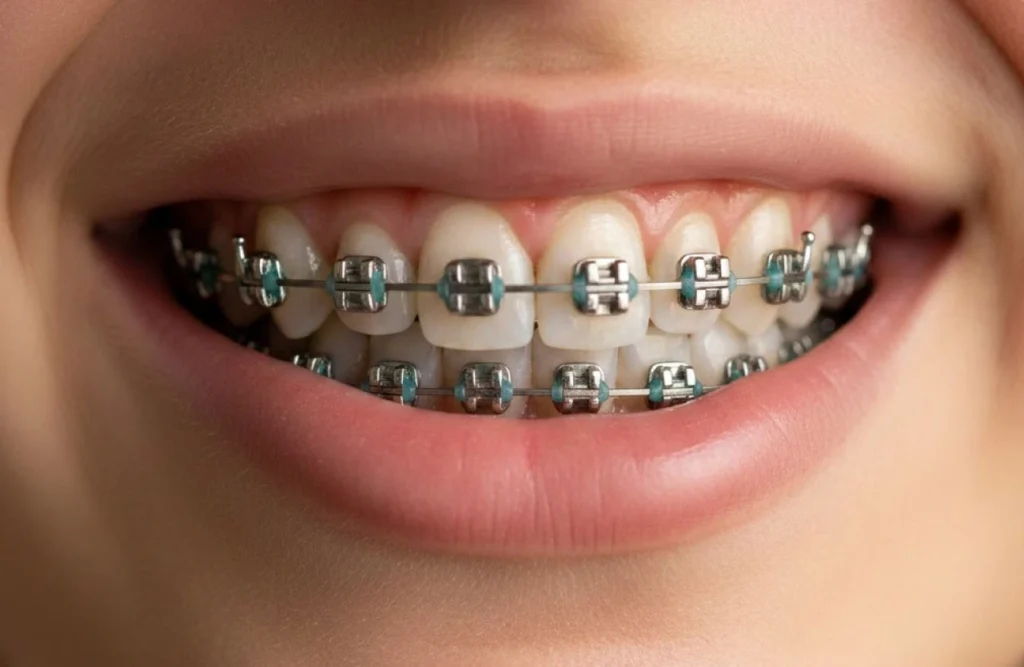
Orthodontic treatment corrects jaw alignment and tooth position. Braces or clear aligners such as Invisalign move teeth into proper alignment and reduce gum tissue showing.
Orthodontics gummy smile treatment works best when:
- An overbite pushes upper teeth downward.
- Jaw alignment is off.
- Teeth positioning exaggerates gingival display.
At Sturgill Orthodontics, Dr. Sturgill explained on October 25, 2018, that correcting bite issues with braces or Invisalign can reduce excessive gingival display. Treatment time ranges from 12–24 months. Orthodontic treatment improves both facial aesthetic and dental function.
2. Gingivectomy
A gingivectomy removes excess gum tissue to expose more of the tooth surface. A gingivectomy in Marietta is often performed under local anesthesia or topical anesthetic. Laser treatment using a diode laser allows precise laser gum sculpting.
The procedure:
- Removes excess gum tissue.
- Reshapes the gingival margin.
- Improves tooth length appearance.
Recovery takes 3–7 days. Laser gummy smile procedures reduce bleeding and speed healing. Periodontists perform gingivectomy gummy smile correction with predictable results.
3. Lip-Lowering Surgery
Lip-lowering surgery, also called lip repositioning surgery, restricts how high the upper lip lifts during smiling. Upper lip repositioning reduces gum tissue exposure permanently.
Lip repositioning meticulously adjusts soft tissue inside the upper lip. The procedure limits excessive elevation caused by a hyperactive upper lip. Healing usually takes 1–2 weeks. This surgical intervention is effective when lip movement is the primary cause.
4. Botox Injections
Yes, you can fix a gummy smile with Botox if a hyperactive upper lip causes excessive gingival display.
Botulinum toxin injections relax muscles that elevate the upper lip. Gummy smile Botox treatment reduces gum tissue showing within 3–7 days. Results last 3–6 months.
Botox injections:
- Require no surgery.
- Take 10–15 minutes.
- Offer temporary correction.
Botox for gummy smile works best for mild to moderate lip hyperactivity. It does not correct jaw development problems.

5. Crown Lengthening
Crown lengthening reshapes gum tissue and sometimes bone to reveal more tooth structure. Crown lengthening subtly improves tooth proportion and corrects altered passive eruption.
The procedure may include:
- Gingival margin recontouring.
- Osseous crest alteration.
- Periodontal plastic surgery techniques.
Healing typically takes 2–4 weeks. Crown lengthening improves both aesthetics and dental function.
6. Jaw Surgery (Orthognathic Surgery)
Jaw surgery, called orthognathic surgery, corrects severe maxillary excess. Orthognathic surgery repositions the upper jaw to reduce excessive gingival display permanently.
Jaw surgery:
- Requires general anesthesia.
- Involves oral and maxillofacial surgery.
- Requires orthodontics before and after surgery.
Treatment time may span 12–24 months including braces. This orthognathic surgery option is reserved for severe skeletal cases.
Selecting the Proper Treatment
Select the proper treatment by identifying the underlying cause first. Visit a periodontist, orthodontist, or maxillofacial surgery specialist for a full smile assessment thoroughly.
There are 4 evaluation steps:
- Measure gingival display in millimeters (mm).
- Assess upper lip movement.
- Examine tooth eruption and gum tissue levels.
- Evaluate jaw alignment with imaging.
A personalized treatment approach ensures the aesthetic outcome optimized and dental function preserved. Surgical correction is necessary for skeletal causes. Non-surgical options like Botox injections suit muscle-related cases.
Fix gummy smile cost varies:
- Botox injections: $300–$600 per session.
- Gingivectomy: $500–$3,000 depending on teeth treated.
- Crown lengthening: $1,000–$4,000.
- Orthognathic surgery: $20,000–$40,000.
Costs vary by region and provider.
Transform Your Smile with Expert Care
Fixing a gummy smile is possible with modern cosmetic dentistry, orthodontics, and periodontics. Correct a gummy smile by targeting the underlying cause with orthodontic treatment, gingivectomy, lip repositioning surgery, Botox injections, crown lengthening, or jaw surgery.

Patients seeking gummy smile correction should consult a dental specialist for a structured treatment plan. Reducing excessive gingival display reshapes your smile, balances the upper lip and gums, and improves the aesthetics with measurable confidence gains.
A confident grin begins with accurate diagnosis and the right procedure.