You fix a loose tooth caused by gum disease by stopping infection, removing plaque buildup, stabilizing the tooth, and supporting the bone and tissue that hold your teeth. This process combines home care, targeted remedies, and professional care when needed. Gum disease especially causes gums to recede, weakens bone and tissue, and damages the periodontal ligament that keeps teeth stable. Early action improves the chance of saving the tooth in both adults and children with permanent teeth.
This guide explains how do you fix a loose tooth with gum disease using clear steps, safe home remedies, and dentist-led treatments.
Understanding Loose Teeth
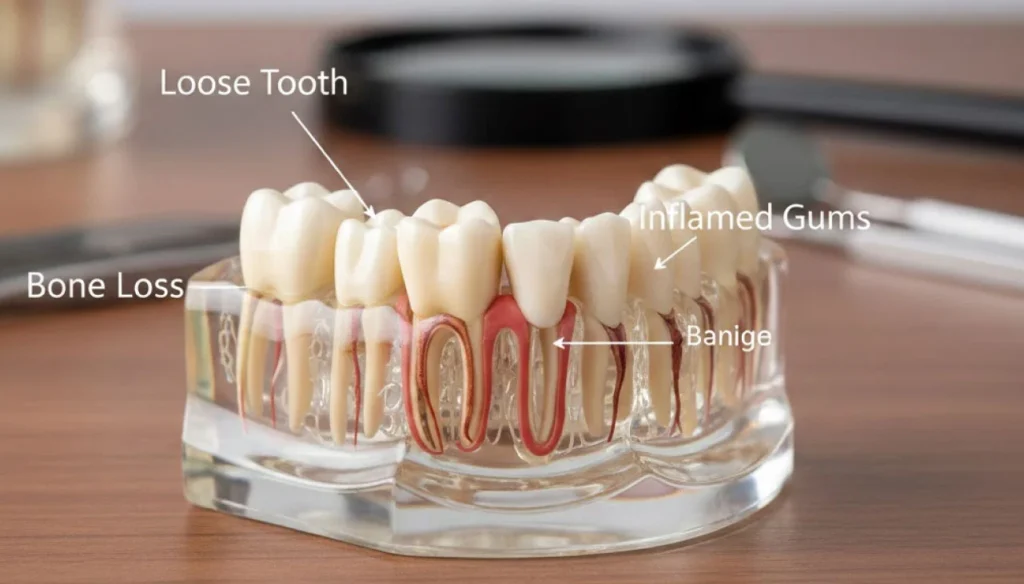
A loose tooth means tooth mobility caused by weakened tissues supporting them. In adults, a loose tooth is not normal and signals an oral health issue. In children, baby teeth loosen naturally, but adult teeth loosen due to gum disease, plaque buildup, trauma, or bone loss. Periodontitis (PD) damages gums, bone, and ligaments, reducing the support that holds your teeth in place.
Common Causes of Loose Teeth
There are 7 main causes of loose teeth, each affecting oral health differently.
Gum Diseases
Gum disease, especially periodontitis, is the most common cause. Bacteria infect gums, destroy bone and tissue, and loosen the periodontal ligament. Untreated gum disease leads to tooth mobility and tooth loss.
Plaque Buildup
When plaque builds up along the gumline, bacteria release toxins that cause gums to recede. This process weakens bone and tissue that hold your teeth, making teeth loose over time.
Teeth Grinding
Teeth grinding during sleep, often linked to stress, puts excess force on teeth. This strain damages tissues supporting them and increases tooth mobility.

Trauma or Injury
A hit to the face, mouth, or jawbone from accidents or sports can damage ligaments and bone, causing a loose tooth even without gum disease.
Poor Oral Hygiene
Poor oral hygiene allows plaque buildup, enamel erosion, and gum disease. Skipping brushing and flossing increases bacterial growth and inflammation.
Osteoporosis
Osteoporosis reduces bone density throughout the body, including the jawbone. Reduced bone density weakens tooth support. Women are more affected due to hormonal changes.
Hormonal Changes
Hormonal changes during pregnancy affect ligaments and gums. Increased inflammation can loosen teeth temporarily, especially with existing gum disease.

Signs of a Loose Tooth
There are 6 clear signs of a loose tooth:
- Tooth moves when touched
- Bleeding or inflamed gums
- Pain while chewing
- Gum recession around the tooth
- Bad breath linked to bacteria
- Sensitivity to pressure
See Other Post: How to Fix a Loose Gum Flap: Treatments for Gum Recession?
Steps to Tighten a Loose Tooth at Home
Home remedies support healing, control bacteria, and reduce inflammation. These steps help fix a loose tooth in mild gum disease but do not replace professional advice.
Maintain Proper Oral Hygiene
To fix a loose tooth, brush your teeth twice daily using fluoride toothpaste. This removes plaque and reduces bacteria that worsen gum disease.

Keep Your Mouth Clean
Use an antibacterial mouthwash once daily. Flossing removes plaque between teeth and along the gumline, improving oral health.
Avoid Hard Foods
Eat soft foods to reduce pressure on the loose tooth. Avoid nuts, ice, and hard candy to prevent further damage.
Use a Saltwater Rinse/Gargle
Rinse with warm saltwater (½ teaspoon salt in 240 ml water) twice daily. Saltwater reduces inflammation and limits bacterial growth.
Try a Turmeric Paste
Apply a paste made from turmeric and water to gums. Turmeric reduces inflammation and supports gum healing.
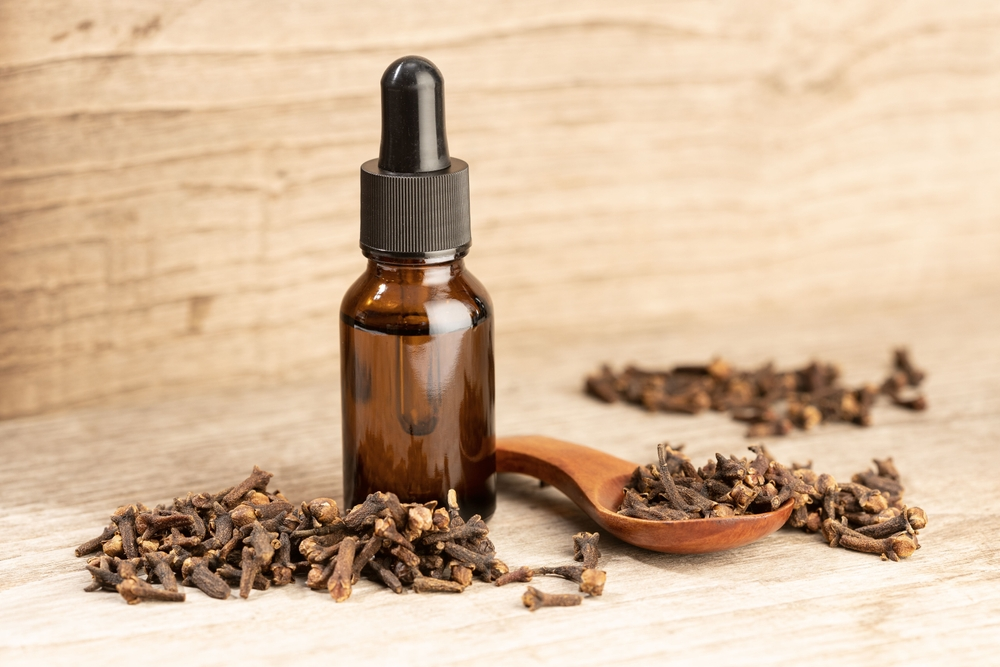
Clove Oil for Pain Relief
Apply clove oil to the affected area using a cotton swab. Clove oil reduces pain and controls bacteria around the loose tooth.
Avoid Using the Loose Tooth
Chew on the opposite side of the mouth. Reducing bite force helps tissues recover.
Use a Splint
Temporary splinting stabilizes the loose tooth by attaching it to neighboring teeth. Splinting for tooth support limits movement and protects the periodontal ligament.
Eat a Tooth-Friendly/Nutritious Diet
A nutritious diet supports bone and tissue repair:
- Calcium sources: milk, cheese, yogurt
- Leafy greens: spinach, kale
- Nuts: almonds
- Vitamin D sources: salmon and fatty fish
Hydrate Well
Drink water throughout the day. Hydration supports saliva production and bacteria control.

Hydrogen Peroxide
Rinse with diluted hydrogen peroxide (3% mixed 1:1 with water) once daily. This reduces bacteria but should not be swallowed.
Turmeric & Black Pepper
Mix turmeric with black pepper and water. Apply gently to gums to support inflammation control protocol and gum recession management.
Professional Treatments for Loose Teeth
Professional care is required when gum disease causes bone loss.
There are 6 effective professional treatments:
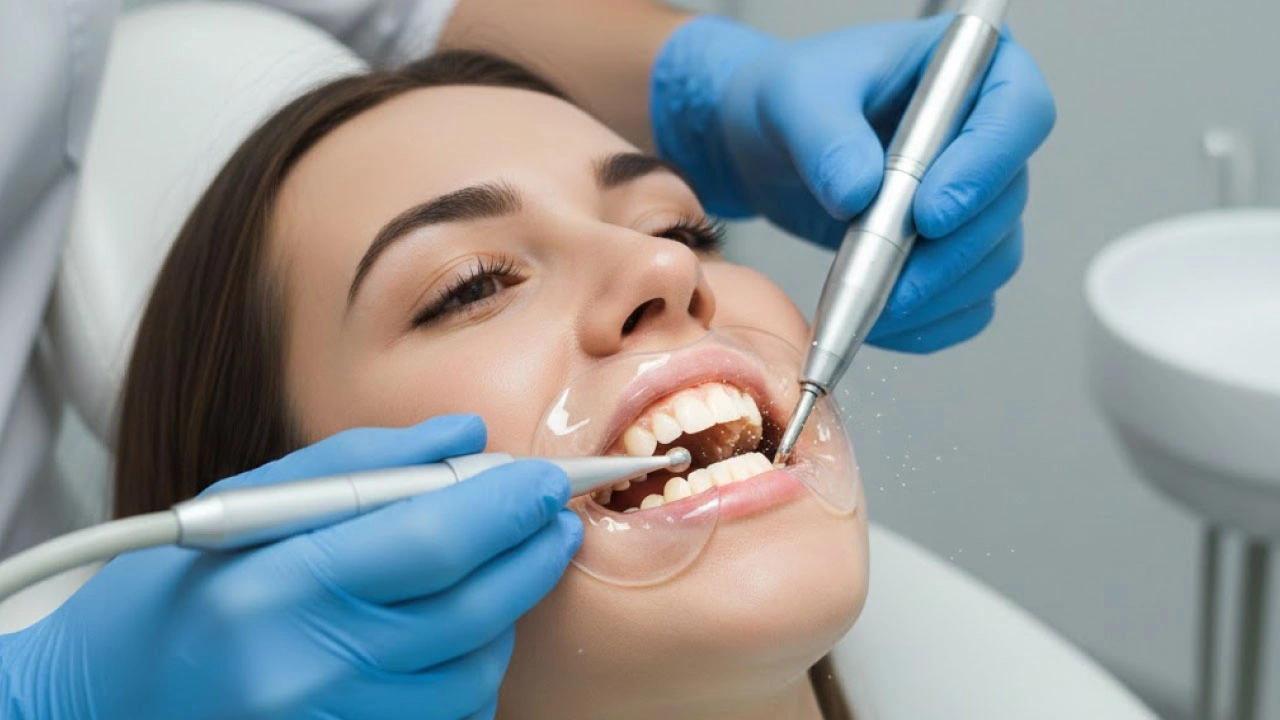
- Scaling and root planing (SRP): Deep cleaning removes plaque and bacteria below the gumline.
- Targeted antimicrobial application: Localized drug delivery reduces bacterial infection.
- Splinting for tooth support: Stabilizes teeth and redistributes bite force.
- Guided tissue regeneration (GTR): Uses biocompatible membrane placement to regrow bone and tissue.
- Bone grafting considerations: Restores lost bone and improves tooth stability.
- Occlusal trauma evaluation: Bite adjustment reduces stress on loose teeth.
Referral to a periodontist is advised for advanced periodontal disease.
When to See a Dentist
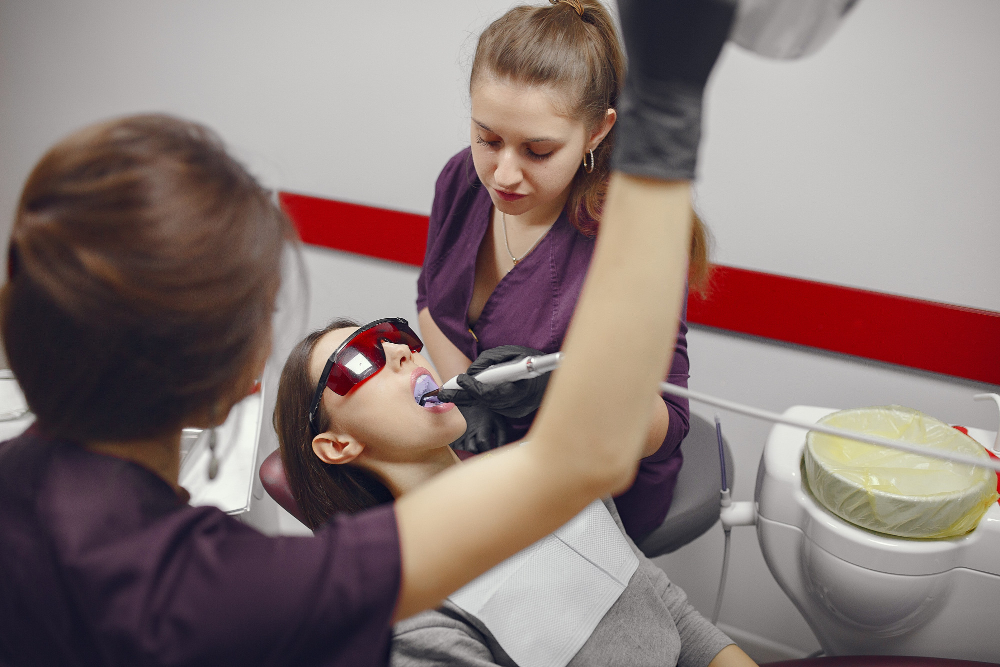
See a dentist immediately if:
- The tooth remains loose after 7 days
- Pain, swelling, or pus appears
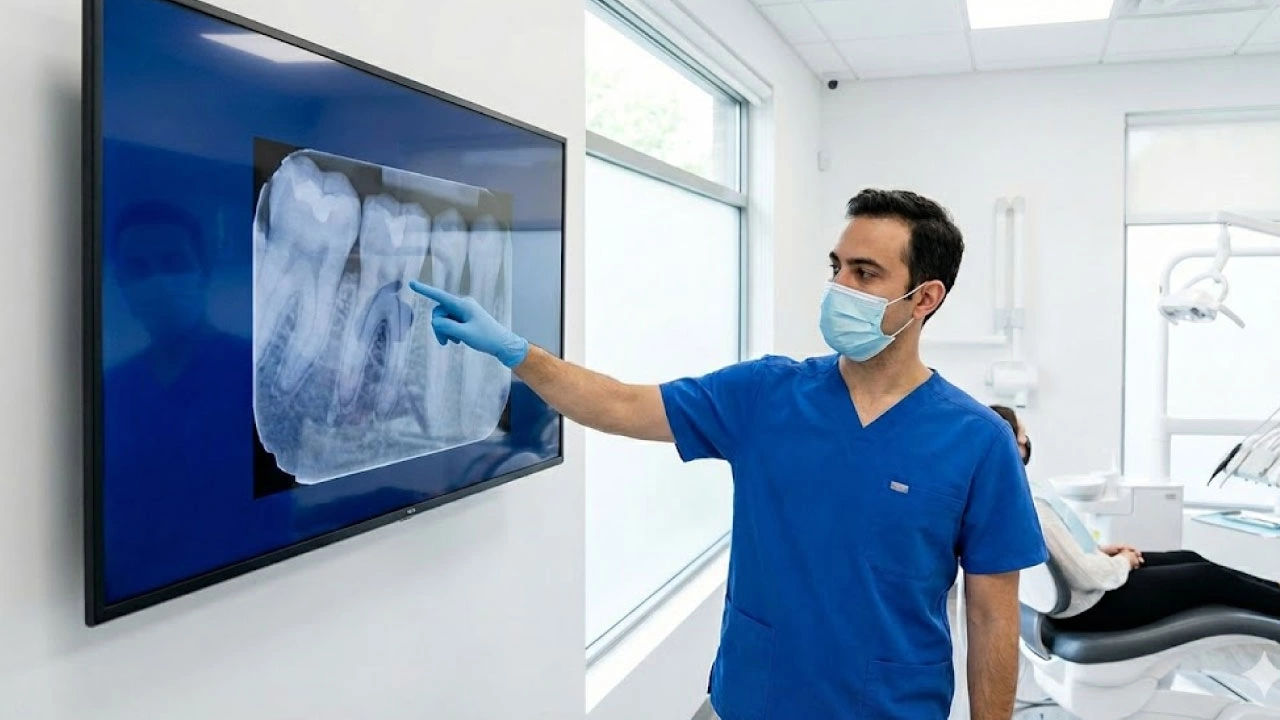
- Bone loss is visible on X-rays
- The loose tooth is a permanent adult tooth
Professional advice is necessary to prevent tooth loss.
Preventing Loose Teeth in the Future
Prevent loose teeth by following a long-term maintenance strategy:
- Brush your teeth twice daily
- Floss once daily
- Use fluoride toothpaste
- Manage stress to reduce teeth grinding
- Wear a night guard if grinding during sleep
- Attend regular dental checkups every 6 months
FAQs
Can I tighten loose teeth at home safely?
Yes, you can tighten a loose tooth at home safely in early stages by improving oral hygiene, reducing plaque buildup, and controlling inflammation. Advanced gum disease requires professional care.
What are some safe home remedies for tightening loose teeth?
Safe home remedies include saltwater rinses, turmeric paste, clove oil, proper brushing, flossing, and a nutritious diet rich in calcium and vitamin D.
How often should I visit the dentist for loose teeth?
Visit a dentist every 6 months, or sooner if tooth mobility appears. Regular dental checkups improve prognosis-based treatment options.
Nature’s Smile Gum Paste Can Fix a Loose Tooth When You Can’t DIY
Nature’s Smile Gum Paste supports gum health when home remedies are not enough. The formula targets bacteria, reduces inflammation, and supports gum recession management. When used with brushing, flossing, and professional care, Nature’s Smile helps stabilize gums and supports tissues holding teeth in place. This option helps adults dealing with loose tooth gum disease who need added support alongside a dental care routine.