
Yes, brushing your teeth too much can damage teeth and gums. Overbrushing usually means brushing too often, brushing too hard, brushing for too long, or using a hard-bristled brush or abrasive toothpaste. This combination can cause tooth enamel erosion, toothbrush abrasion near the gum line, gum recession, tooth sensitivity, and abrasion cavities (cervical lesions).
When people ask, “does brushing your teeth too much damage them”, the safest answer is: brushing is essential for oral care and preventive dentistry, but brushing beyond what the enamel layer and gum tissue can tolerate can harm your teeth over time.
Most people do best with two minutes, twice a day using a soft-bristled toothbrush and fluoride toothpaste, then supporting plaque removal with flossing and other oral hygiene habits.
Understanding the Risks of Overbrushing
Overbrushing (Overbrushing) is a mechanical problem: toothbrush bristles plus toothpaste friction can wear down the tooth enamel and irritate gum tissue when the pressure, duration, or frequency is too high.
The American Dental Association (ADA) guidance many dentists use is straightforward: brush twice a day for two minutes with soft bristles, and replace the brush about every three to four months.
The World Health Organization (WHO) also emphasizes prevention and oral health promotion at population level, which aligns with keeping daily oral hygiene effective but not aggressive.
Warning Signs You’re Brushing Too Much
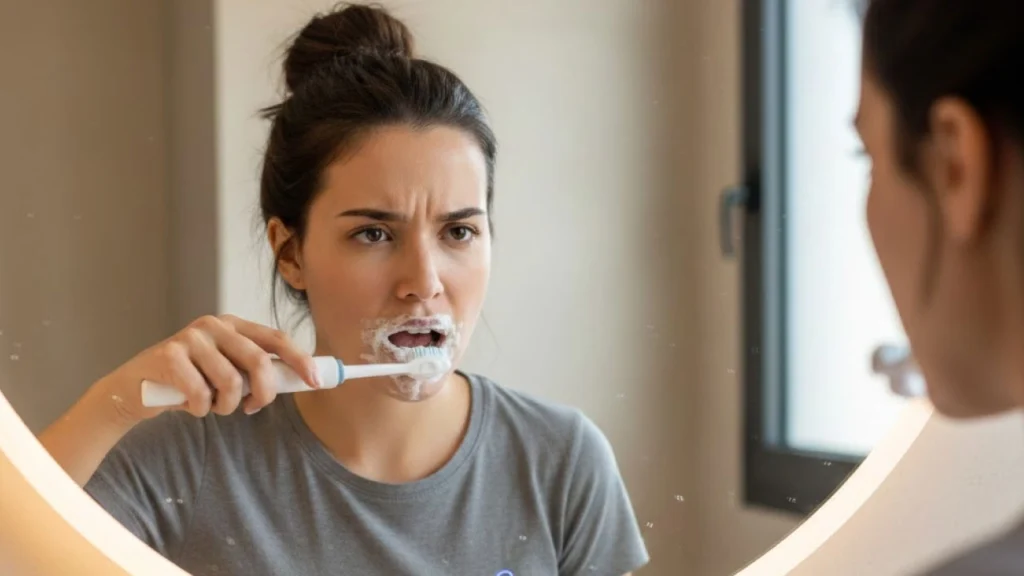
There are 8 common warning signs of brushing too much:
- Tooth sensitivity (Tooth Sensitivity) to cold, hot, sweet, or acidic foods
- Bleeding or irritated gums during or after brushing
- Gum recession (Gingival Recession): teeth look longer, roots look more visible
- Notching at the gum line (Notching at the gum line), including V-shaped grooves
- Cervical lesions (cervical lesions) or abrasion cavities near the gum line
- Duller, rougher enamel (Enamel erosion / Tooth Enamel Erosion signs)
- More plaque and food particles left behind despite “brushing a lot”
- Toothbrush bristles splaying early, well before three months
How Overbrushing Damages Your Teeth and Gums?
Overbrushing can harm your teeth in 3 main ways:
- Enamel micro-abrasion risk: repeated friction thins the enamel layer (Tooth Enamel) and increases enamel thinning potential.
- Gum recession overbrushing: repeated trauma can push gum tissue back, exposing sensitive roots and raising tooth loss risk if periodontal disease develops.
- Tooth structure compromise at the neck: toothbrush abrasion can create noncarious cervical lesions (abrasion cavities / cervical lesions) that trap plaque and bacteria.
A post from Brush & Floss Office dated 8/1/2024 highlights the same core problems: enamel wear, gum recession, and worn toothbrush bristles when brushing is too long or too forceful.
Tooth Enamel Erosion
Tooth enamel erosion (Tooth Enamel Erosion) becomes a bigger risk when brushing happens under “high-wear” conditions:
- Brushing too hard (Aggressive brushing effects)
- Brushing too long (Optimal brushing duration exceeded)
- Using a hard-bristled brush (hard-bristled brush)
- Using abrasive toothpaste (Toothpaste abrasiveness impact), including many whitening pastes
- Brushing soon after acidic drinks or foods, when enamel is temporarily softened
Enamel loss is irreversible enamel loss. The body cannot regrow the enamel layer once it is worn away.
Gum Recession
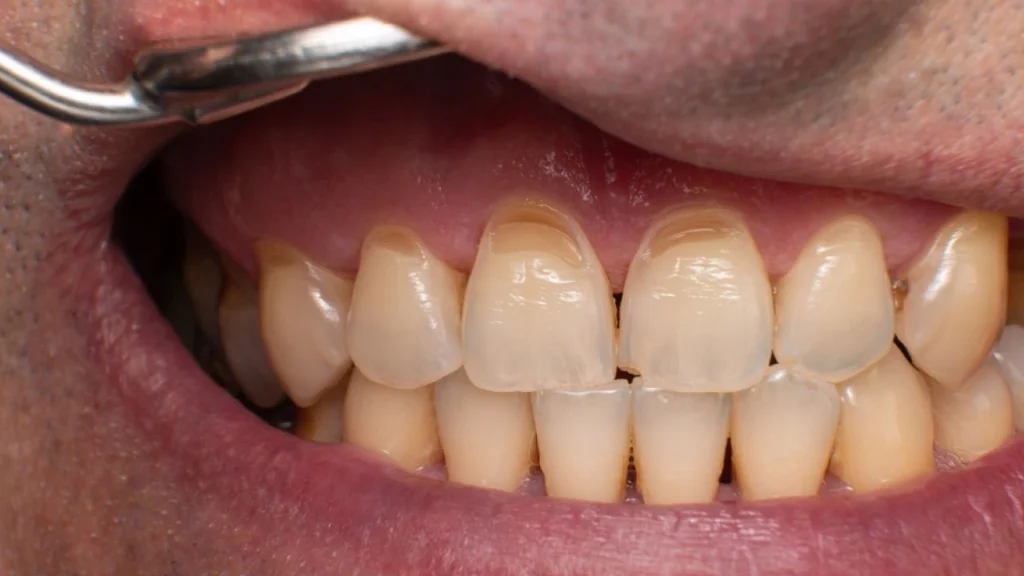
Gum recession (Gum recession / Gingival Recession) is the gum tissue pulling back from the tooth surface, exposing roots (roots). Exposed roots can trigger dentin hypersensitivity (Dentin hypersensitivity trigger) and increase the risk of root cavities and tooth loss if gum disease (periodontal disease) progresses.
Gum recession also makes plaque removal harder at the gum line, because the contour changes and plaque and bacteria collect in new spots.
Worn Toothbrush Bristles
Worn toothbrush bristles (toothbrush bristles) are both a sign and a cause of overbrushing problems:
- Bristles that fray early clean less effectively, leaving plaque, bacteria, and food particles behind.
- Frayed bristles can become rougher at the tips and may irritate gum tissue.
- Most guidance supports changing a brush or brush head around three months (often stated as 3–4 months) or sooner if bristles are visibly matted.
Proper Brushing Technique for Optimal Oral Health
Proper brushing technique protects oral health while still helping remove plaque bacteria. These 6 technique points reduce brushing induced erosion and marginal gingiva trauma:
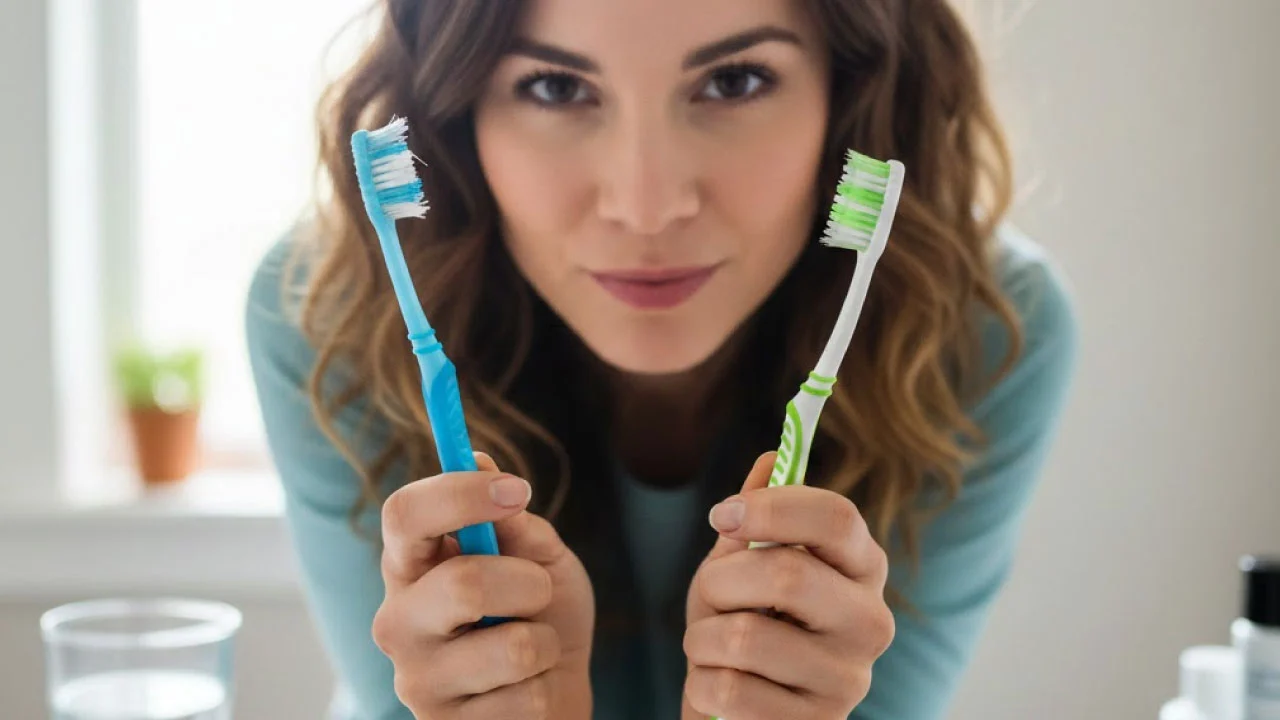
- Use a soft-bristled toothbrush (soft-bristled toothbrush).
- Use fluoride toothpaste (fluoride toothpaste) for cavities prevention.
- Aim for two minutes total brushing time.
- Use gentle circular motion, not aggressive scrubbing.
- Keep the brush at about 45 degrees toward the gum line for plaque removal without trauma.
- Replace the brush around three months.
How to Brush Your Teeth Properly?
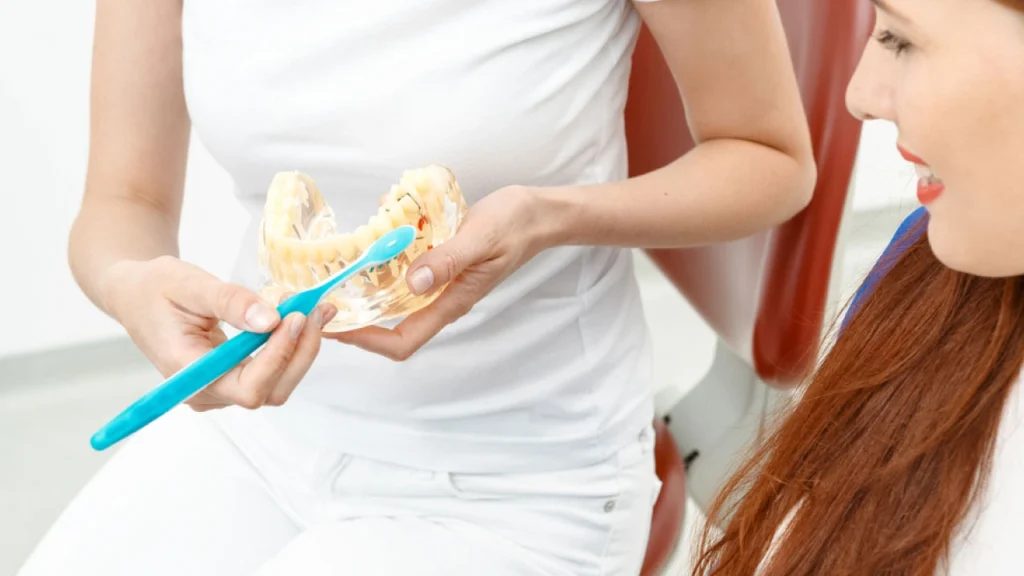
To brush your teeth properly, follow this simple sequence:
- Angle: Place the brush at about 45° toward the gum line.
- Pressure: Use light pressure so bristles touch the gum line without flattening hard.
- Motion: Use short strokes or gentle circular motion on 2–3 teeth at a time.
- Coverage: Clean outer, inner, and chewing surfaces, then brush the tongue gently for bacteria control.
- Time: Total brushing time = two minutes (about 30 seconds per quadrant).
The Right Brushing Frequency
For most people, the right brushing frequency is twice a day (twice a day), two minutes each time. This level is strongly tied to plaque removal and cavities prevention without pushing mechanical wear too far.
If brushing more than twice daily is needed (for example, braces or high cavity risk), focus on gentle technique and avoid brushing right after acidic foods. Your dentist can set a safe schedule that fits individual risk factors.
Choosing the Right Dental Products
Dental products can reduce or increase toothbrush abrasion depending on bristles, toothpaste abrasiveness, and how the product is used.
- Toothbrush: Choose a soft-bristled toothbrush; a hard-bristled brush raises abrasion risk without improving plaque removal for most people.
- Toothpaste: Choose fluoride toothpaste, and be careful with abrasive toothpaste (abrasive toothpaste), especially frequent whitening pastes.
- ADA Seal: The ADA Seal of Acceptance ties to safety standards; the ADA discusses Relative Dentin Abrasivity (RDA) and notes Seal dentifrices must meet an RDA limit.
Brands vary in texture and abrasivity. People commonly rotate products from Procter & Gamble (Crest/Oral-B) and Colgate-Palmolive, so it helps to pick options that match sensitivity level and recession risk.
When Overbrushing Requires Professional Treatment
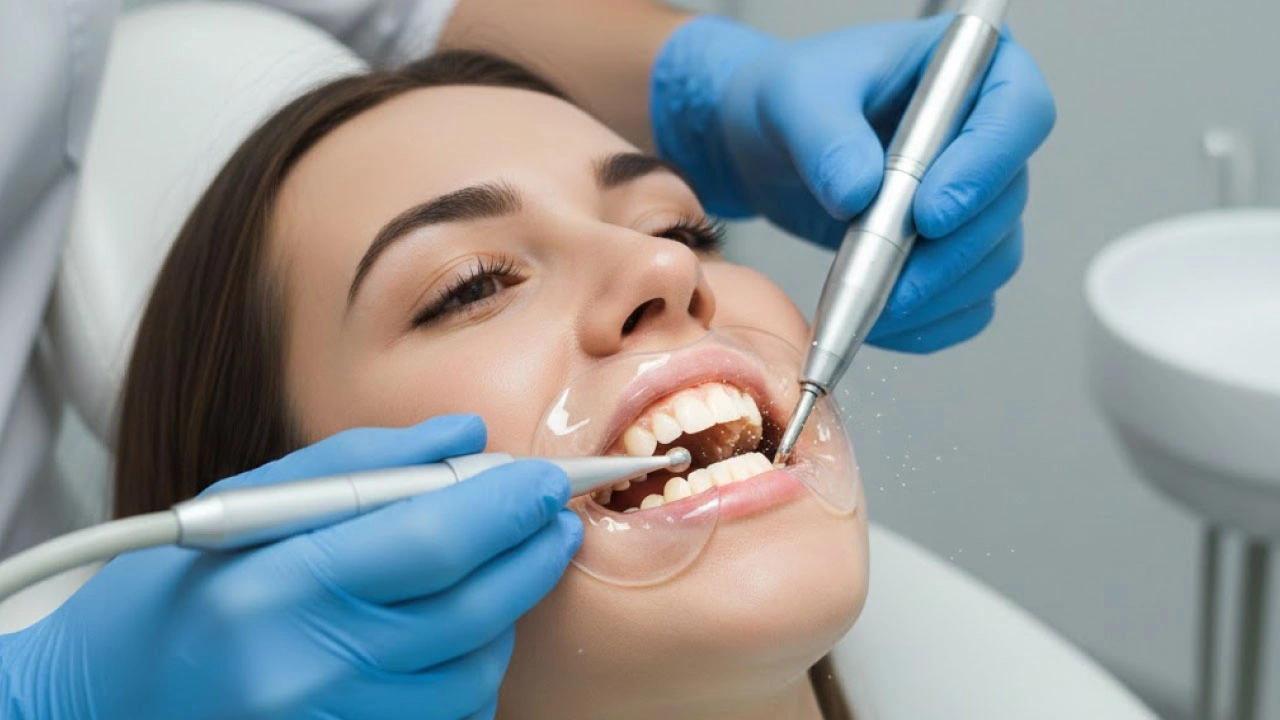
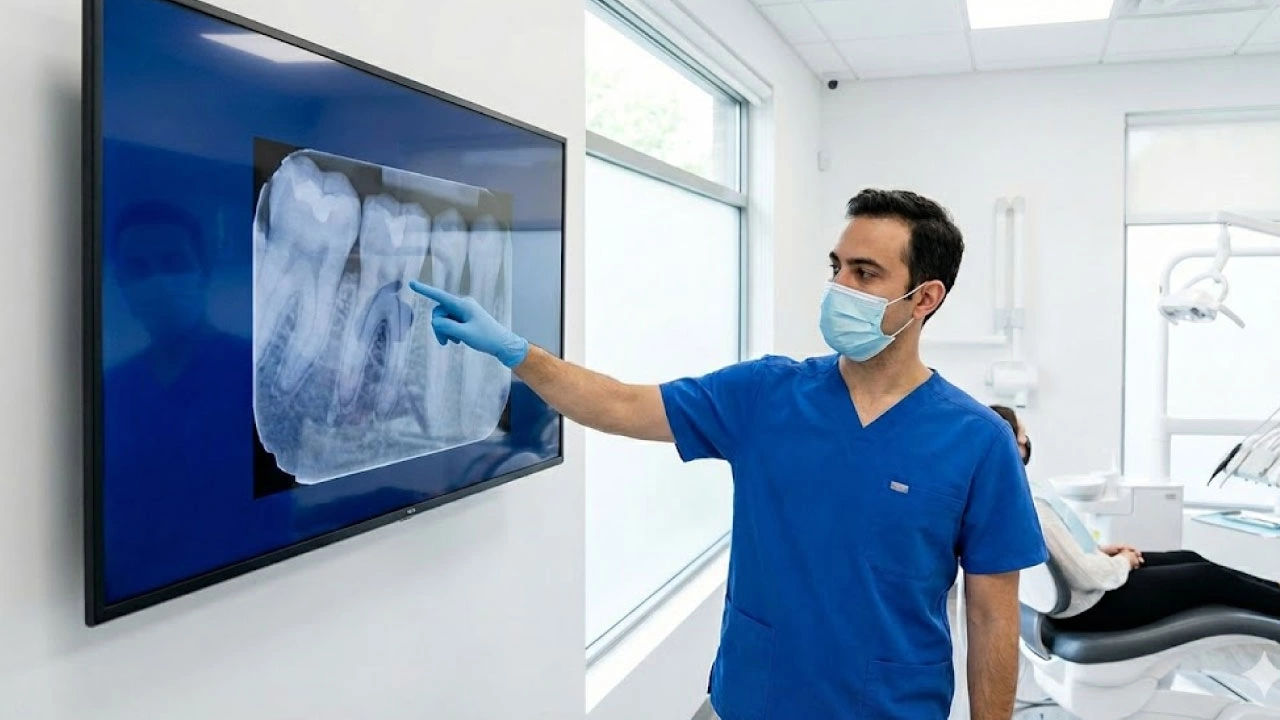
See a dentist (dentist / dentists) when overbrushing signs persist for more than 2 weeks or when pain is sharp and frequent.
A dentist may recommend:
- Fluoride varnish or in-office fluoride to support enamel and reduce tooth sensitivity.
- Desensitizing treatments for exposed dentin layer sensitivity.
- Bonding to cover abrasion cavities or cervical lesions and protect tooth structure.
- Periodontal evaluation if gum recession is paired with gum disease or periodontal disease signs (bleeding, swelling, pockets).
- Gum graft referral for significant gingival recession with exposed roots and ongoing progression.
Breaking the Overbrushing Habit
Breaking over brushing teeth patterns is mostly behavior + tools.
These 7 changes work well:
- Use a timer for two minutes and stop when it ends.
- Switch to extra-soft bristles if tooth sensitivity or gum recession is present.
- Buy a brush with a pressure sensor if brushing too hard is a habit.
- Hold the brush with a light grip (less pressure) and keep strokes small.
- Avoid “spot scrubbing” the same notch at the gum line every day.
- Change abrasive toothpaste to a lower-abrasion fluoride toothpaste if enamel erosion is suspected.
- Replace toothbrush every three months (three months) to avoid frayed bristles that reduce plaque removal.
The Role of Other Oral Hygiene Practices
Oral hygiene (Oral Hygiene) works best as a set, not as extra brushing sessions.
- Floss daily to remove plaque and food particles between teeth where brushing misses.
- Consider interdental brushes if flossing is difficult or if braces are present.
- Use mouthwash when appropriate to reduce bacteria load, especially when brushing frequency needs to stay at twice a day.
- Schedule regular cleanings so tartar removal does not turn into aggressive home brushing.

Diet and Its Impact on Brushing Safety
Diet changes enamel vulnerability.
Acidic items raise dental erosion (Dental Erosion) risk and make brushing induced erosion more likely when brushing happens too soon after eating or drinking.
Common acidic triggers include citrus, sodas, sports drinks, tomatoes, vinegar-based foods, and coffee. After acidic intake, rinse with water and wait at least 30 minutes before brushing your teeth.
Understanding Individual Risk Factors
Individual risk factors decide how quickly damage shows up from brushing too much:
- Naturally thinner enamel increases enamel thinning potential.
- Existing enamel erosion makes dentin layer exposure easier.
- Dry mouth lowers saliva buffering, raising cavities risk and sensitivity.
- Bruxism (clenching/grinding) adds extra tooth wear, so brushing pressure control matters more.
- Orthodontic appliances can increase plaque retention, but the solution is better technique + tools, not harsh scrubbing.
The Psychological Aspect of Overbrushing
Some people overbrush because of anxiety, fear of cavities, or compulsive oral care habits. The pattern can look like brushing repeatedly to feel “clean,” even when gums bleed or tooth sensitivity is increasing.
When overzealous oral hygiene feels hard to stop, it helps to set a fixed routine (two minutes, twice a day), use a pressure-sensor brush, and ask a dentist to confirm that the routine is adequate. Professional reassurance reduces the urge to “keep brushing.”
FAQ Section
Can overbrushing cause cavities?
Yes, overbrushing can cause cavities indirectly. Toothbrush abrasion and tooth enamel erosion can expose the dentin layer, and dentin is less resistant than enamel. Gum recession can also expose roots, which are more vulnerable to root cavities.
How do I know if I’m brushing too hard?
You are brushing too hard when toothbrush bristles splay quickly, gums bleed or stay irritated, tooth sensitivity increases, or notching at the gum line appears. A soft-bristled toothbrush and pressure-sensor electric brush can help retrain brushing pressure control.
Will my gums grow back after overbrushing?
No, gums usually do not grow back to the original level after gum recession caused by mechanical trauma. Stopping overbrushing can prevent more loss, and dentists can treat advanced recession with periodontal procedures such as grafting when needed.
Is an electric toothbrush better for preventing overbrushing?
Yes, an electric toothbrush can be better for preventing overbrushing when it has a pressure sensor and a built-in timer. Manual brushing can still be safe and effective when pressure is light and time is limited to two minutes.
Can whitening toothpaste damage my teeth?
Yes, whitening toothpaste can damage teeth when it is abrasive toothpaste used daily with aggressive brushing. If tooth sensitivity, enamel erosion, or gum recession is present, choose a gentler fluoride toothpaste and ask a dentist about safer whitening options.
What’s the best toothbrush for sensitive teeth?
The best toothbrush for sensitive teeth is a soft-bristled toothbrush, often labeled “extra soft,” paired with gentle circular motion and a two-minute timer. If brushing too hard is the issue, a pressure-sensor electric toothbrush can help.
How long should I wait to brush after eating?
Wait at least 30 minutes after eating, especially after acidic foods or drinks. Acid temporarily lowers enamel surface hardness, and brushing during that window can increase enamel wear. Rinse with water first if the mouth feels acidic.
Conclusion
In conclusion, brushing your teeth is essential for strong enamel, healthy gums, and long-term oral health—but more is not always better. Overbrushing, using too much pressure, or choosing abrasive products can gradually wear down enamel and cause gum recession that cannot be reversed naturally. The key is balance: brush gently for two minutes, twice a day, use a soft-bristled toothbrush with fluoride toothpaste, and support your routine with flossing and regular dental checkups. When done correctly, brushing protects your smile for years—without causing the hidden damage that excessive scrubbing can create.