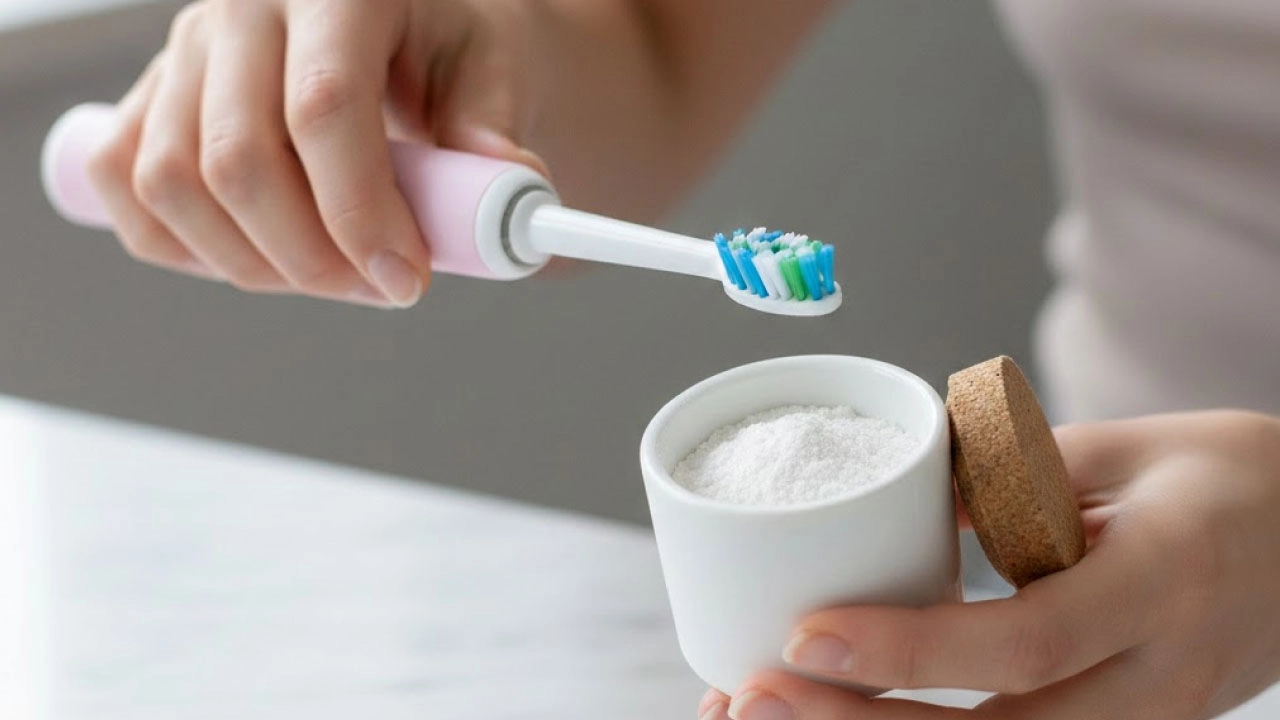
Baking soda Remove, also known as sodium bicarbonate, is a popular home remedy many use for whitening teeth. Its mild abrasive properties can help remove surface stains caused by coffee, tea, or smoking, giving teeth a cleaner appearance. However, a common question arises: does baking soda remove enamel from teeth? While it can polish the tooth surface, excessive or improper use may wear down enamel, the protective outer layer of teeth, leading to sensitivity and higher risk of cavities. This guide explores the benefits, risks, and safe practices of using baking soda for dental care, helping you make informed choices for your oral health.
What is Baking Soda Remove?
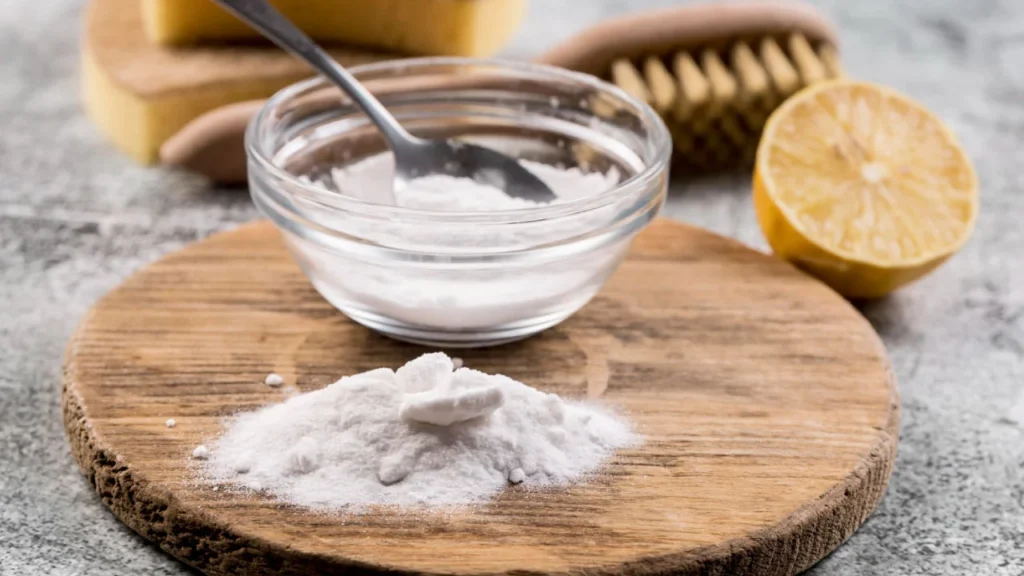
Baking Soda is sodium bicarbonate, a white mineral powder with an alkaline nature. In the mouth, the alkaline pH level can help neutralize acids created after eating and drinking. Baking soda is also a mild abrasive compound, which means it can scrub away surface stains and plaque on the outer surface of teeth.
Why Bother With Teeth Whitening?
People whiten teeth for three common reasons:
- Remove stains from coffee, tea, smoking, and dark foods.
- Improve appearance when smiling in photos and social settings.
- Reduce the “yellow” look that comes from stain buildup on enamel.
Teeth whitening is mostly about stain management. Some discoloration comes from the dentin under enamel, so surface cleaning cannot change every shade issue.
Baking Soda for Teeth Whitening: Myth or Reality?
Reality with limits. Baking soda can help with whitening teeth by removing light surface stains. Baking soda cannot change the natural color of dentin and cannot bleach deep discoloration the way hydrogen peroxide gels can.
So the honest answer to “does baking soda remove enamel from teeth” is: baking soda can contribute to enamel wear if used too often or too aggressively, even though it can also remove stains from the surface.
Does Brushing With Baking Soda Whiten Teeth?
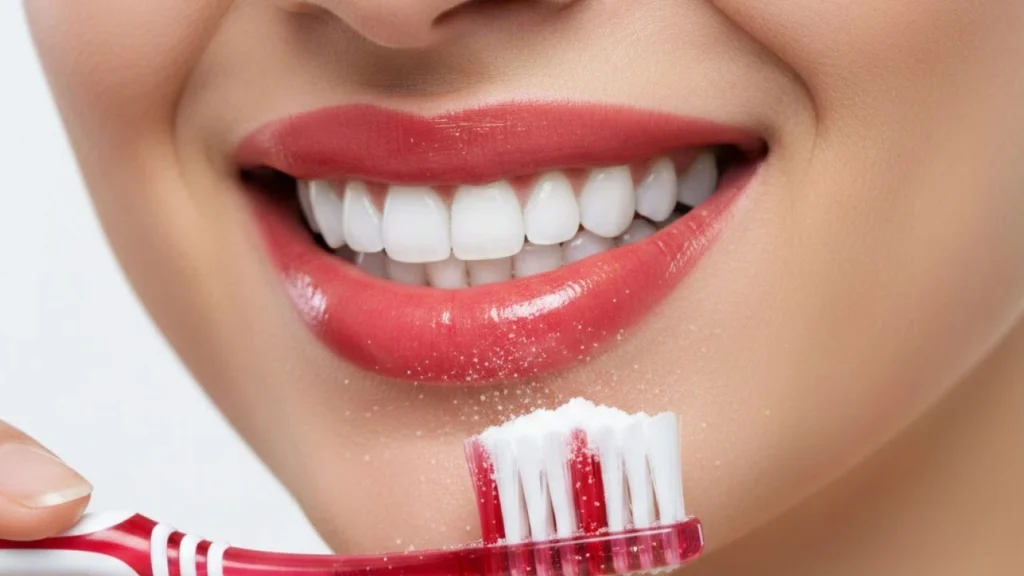
Yes, brushing with baking soda can whiten teeth slightly by polishing away surface stains. The whitening effect is usually subtle. The main change is that stains from coffee, tea, and smoking look lighter after repeated use.
How Fast Does Baking Soda Whiten Teeth?
Baking soda does not deliver instant whitening. Most people notice changes after several weeks of consistent, careful use. Results depend on:
- How much staining is present (coffee, tea, smoking)
- Brushing pressure and frequency
- Whether baking soda is used alone or in commercial toothpastes
The Risks Associated with Brushing with Baking Soda Remove
Baking soda benefits exist, but the potential drawbacks matter:
- Baking soda is abrasive. Abrasion increases wear risk.
- Baking soda has no fluoride, so it does not help remineralization the way fluoride toothpaste does.
- Baking soda can feel “very clean,” which can create a false sense of progress and lead to skipping better habits.
Can Brushing with Baking Soda Damage the Teeth?
Yes, brushing with baking soda can damage teeth if used too often, used with force, or used as a replacement for fluoride toothpaste. Damage usually comes from abrasion plus technique, not from baking soda being “acidic.” Baking soda is alkaline.
Enamel Erosion
Enamel is the protective outer layer. It does not grow back. Baking soda can contribute to enamel abrasion when:
- A dry brush or stiff bristles are used
- Brushing is done with heavy pressure
- Baking soda is used daily
- A person already has dental erosion from oral acids
When enamel gets thinner, teeth can look more yellow because dentin shows through more clearly.

Tooth Sensitivity
Sensitivity can increase when enamel thins or when dentin becomes exposed. Common triggers include cold water, hot drinks, and air. Baking soda can worsen sensitivity if abrasion continues.
Gum and Tissue Irritation
Baking soda can irritate gum tissue if scrubbing is rough or if the powder is used straight without enough water. Some people also notice mild irritation from the gritty texture on cheeks and gums.
False Sense of Cleanliness
Baking soda can leave teeth feeling smooth. Smooth does not equal “protected.” If baking soda replaces fluoride toothpaste, the routine loses a key cavity-defense step.
How Often Should I Use Baking Soda To Whiten My Teeth?
A practical, safer approach is occasional use, not a daily baking soda routine.
- Many dentists suggest 1–2 times per week as an upper limit for DIY baking soda brushing.
- Daily use raises the chance of enamel wear and gum irritation, especially with firm brushing.
If a person wants baking soda regularly, using a commercial toothpaste that contains baking soda and fluoride is usually safer than brushing with straight powder, because the formula is designed for daily oral hygiene and is tested for abrasivity (often discussed using Relative Dentin Abrasivity (RDA) values).
Is It Safe to Whiten Teeth With Baking Soda?
It can be safe for many adults when used occasionally, with gentle pressure, and not used as a replacement for fluoride toothpaste. It is less suitable if there is:
- Tooth sensitivity
- Gum recession
- Enamel erosion from oral acids
- Lots of dental work like crowns and fillings that can scratch with abrasive products
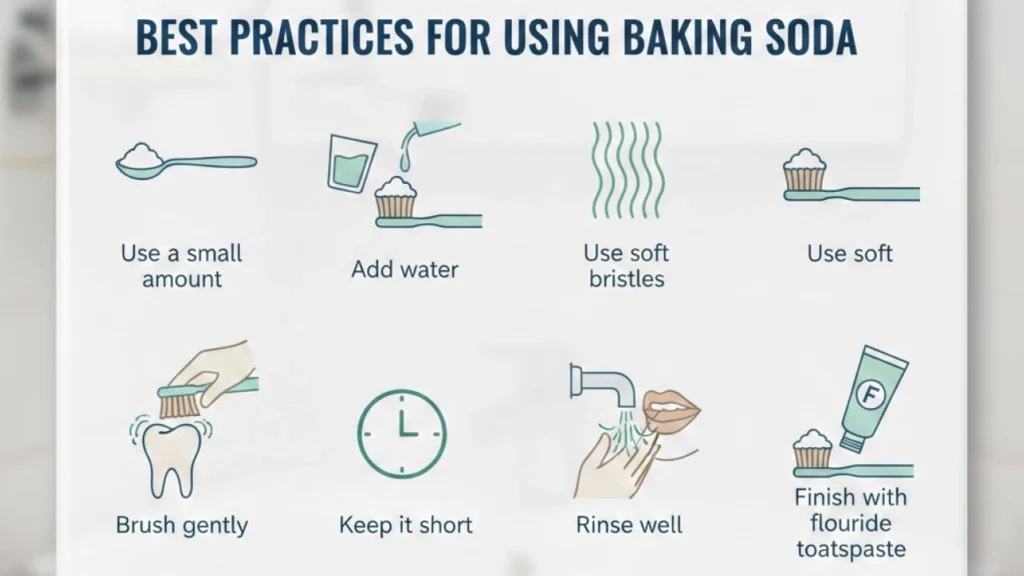
Best Practices for Using Baking Soda Remove
Use a method that limits abrasion and protects oral health:
- Use a small amount: a light dusting, not a thick pile.
- Add water: mix baking soda with a few drops of water to reduce grit.
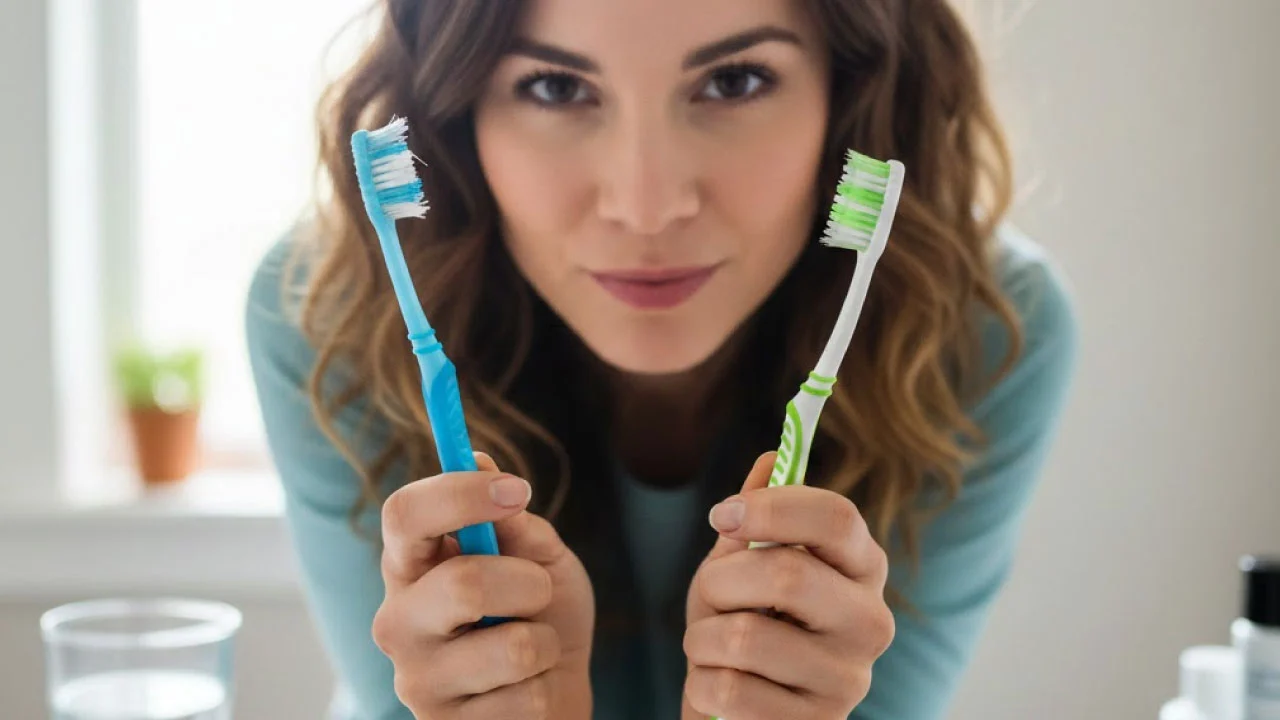
- Use soft bristles: avoid hard bristles.
- Brush gently: focus on surface stains, not hard scrubbing at the gum line.
- Keep it short: 30–60 seconds is enough for the baking soda step.
- Rinse well: remove residue with water.
- Finish with fluoride toothpaste: this step supports enamel remineralization and cavity prevention.
Avoid mixing baking soda with highly acidic ingredients. Oral acids increase dental erosion risk.
What Does Baking Soda Taste Like When Brushing Teeth?
Baking soda usually tastes salty and alkaline, with a gritty texture. It does not have minty freshness like toothpaste unless mixed with flavored toothpaste. The taste is a common reason people stop using it consistently.
Is It Better to Use Baking Soda Rather Than Toothpaste?
No, baking soda is not better than toothpaste for daily dental care. Toothpaste is built for oral hygiene. Fluoride toothpaste supports enamel strength and helps reduce cavities. Baking soda alone does not provide fluoride.
A better plan is:
- Use fluoride toothpaste daily.
- Use baking soda only as an occasional stain-removal add-on, if a dental professional agrees it fits the mouth and enamel status.
Safe Alternatives to Baking Soda for Teeth Whitening
If whitening teeth is the goal, these options protect enamel better for many people.
Professional Dental Cleanings
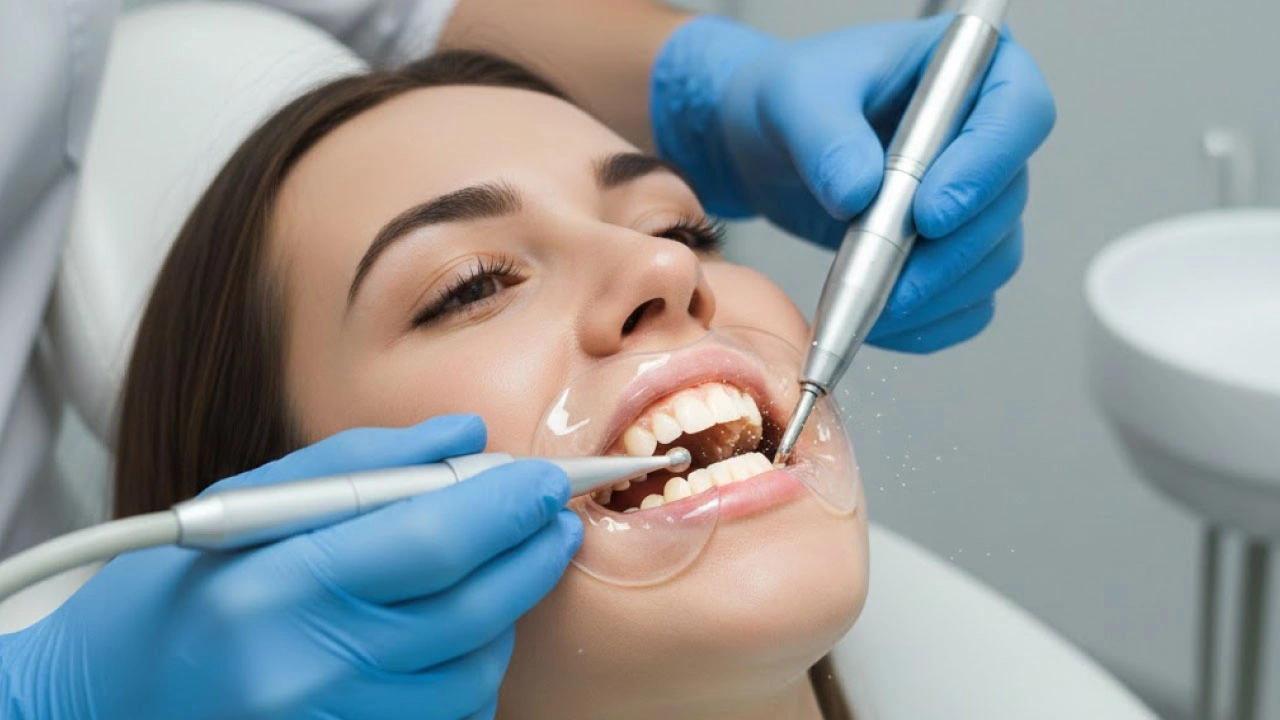
A hygienist can remove plaque and surface stains safely. Professional polishing can often give a noticeable brightness lift without repeated home abrasion.
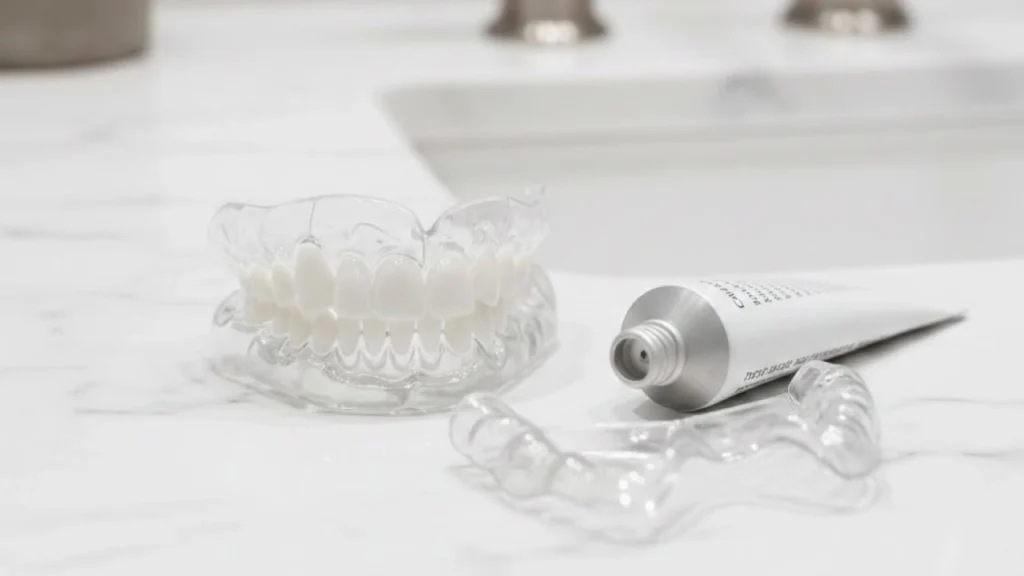
Whitening Trays and Gels
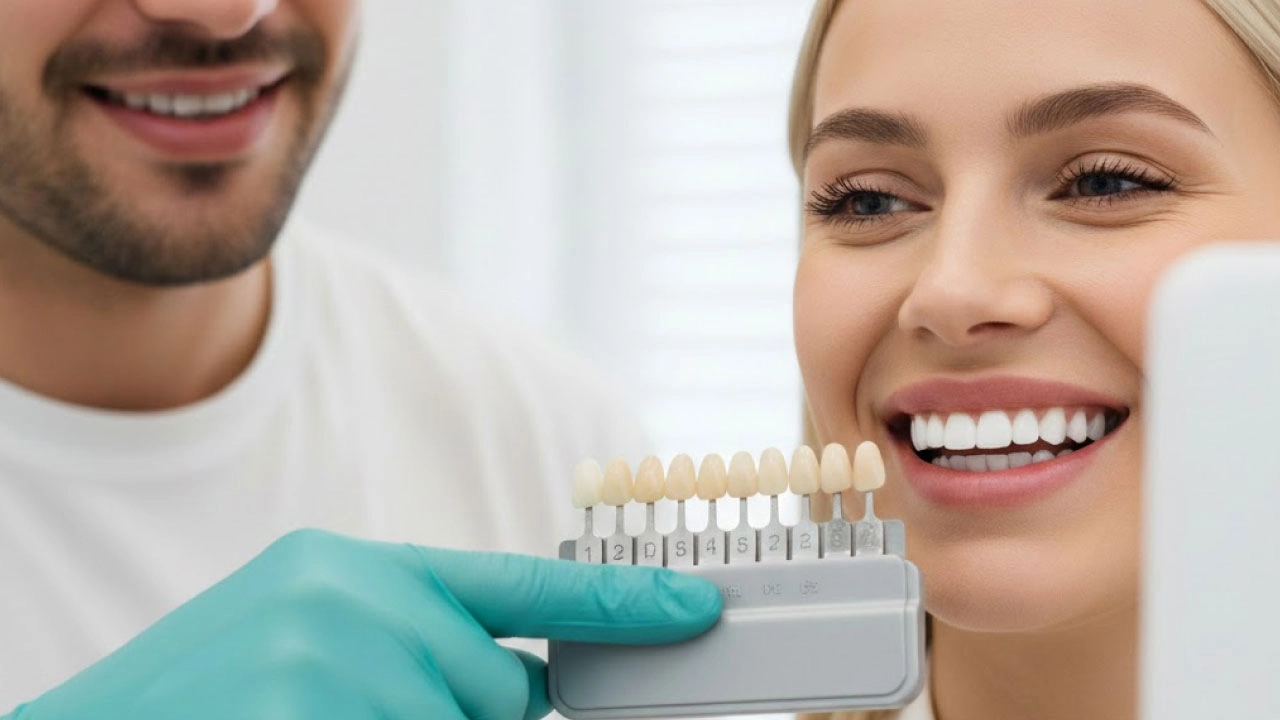
Dentist-supervised trays and gels (often using hydrogen peroxide or carbamide peroxide) can improve deeper discoloration more reliably than baking soda Remove. This approach is also more predictable for long-term whitening.
Healthy Habits and Diet
Daily habits matter for stain control:
- Reduce smoking.
- Limit coffee and tea frequency.
- Drink water after staining drinks.
- Avoid frequent sipping of acidic beverages that increase dental erosion risk.
- Maintain strong oral hygiene: brushing, flossing, and regular checkups.
Consult Your Dentist
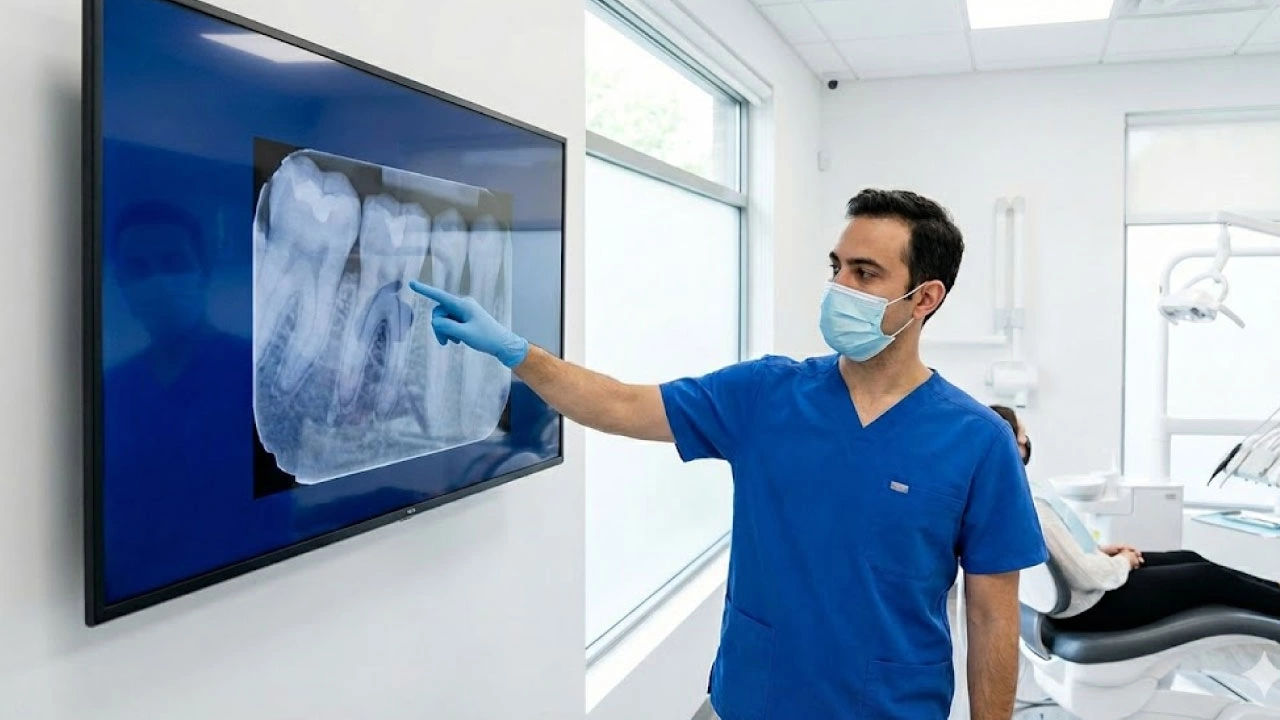
Ask a dentist before starting baking soda whitening if there is sensitivity, gum recession, visible enamel thinning, or lots of crowns and fillings. A dentist can guide the safest plan and help match whitening goals to oral health.
Key Takeaways
- Does baking soda remove enamel from teeth? Baking soda does not instantly remove enamel, but overuse can wear enamel over time through abrasion and brushing pressure.
- Baking soda can remove stains from the surface and help with mild whitening teeth goals.
- Baking soda does not replace fluoride. Fluoride supports enamel protection and cavity prevention.
- Use baking soda occasionally, brush gently, and finish with fluoride toothpaste.
- For stronger whitening, professional cleanings and whitening trays/gels are safer and more effective for many people.
Conclusion
Baking soda can be effective at removing light surface stains and neutralizing oral acids, but it is not without risks. Overuse can cause enamel erosion, tooth sensitivity, and gum irritation, making teeth more vulnerable to damage. For safe teeth whitening, use baking soda sparingly, brush gently, and continue using fluoride toothpaste. Professional dental cleanings and whitening alternatives provide a safer, more reliable way to achieve a bright smile while protecting your enamel. Understanding the limits of baking soda ensures your teeth remain healthy, strong, and beautiful.