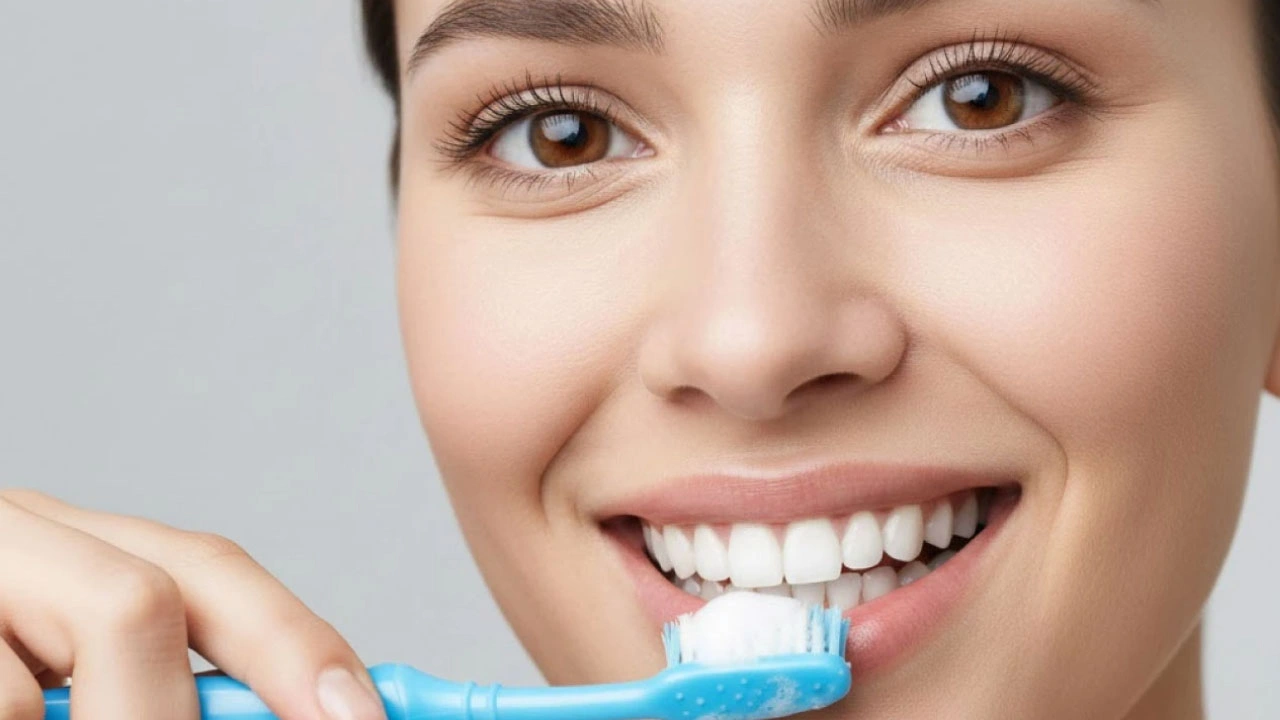
Common mistakes when brushing teeth are daily brushing habits that reduce plaque removal, damage your enamel, and irritate your gums instead of protecting them. These common toothbrushing mistakes include using the wrong toothbrush, brushing too hard, not brushing long enough, missing certain places, brushing at the wrong times, and rinsing after brushing.
Correcting these brushing teeth mistakes improves plaque removal, supports Gingivitis Prevention, lowers the risk of Periodontal Disease, and protects long-term oral health. Many dental practice teams report that patients often think they are brushing correctly when they are not.
This guide explains:
- Using the wrong toothbrush
- Not switching toothbrushes every 3 months
- Using the wrong brushing technique and brushing too hard
- Not brushing for a full two minutes
- Missing certain places like the gum line and lower front teeth
- Brushing immediately after acidic foods
- Rinsing mouth vigorously after brushing
- Forgetting to floss
Each section shows what the mistake is and what to do instead.
Using the Wrong Type of Toothbrush
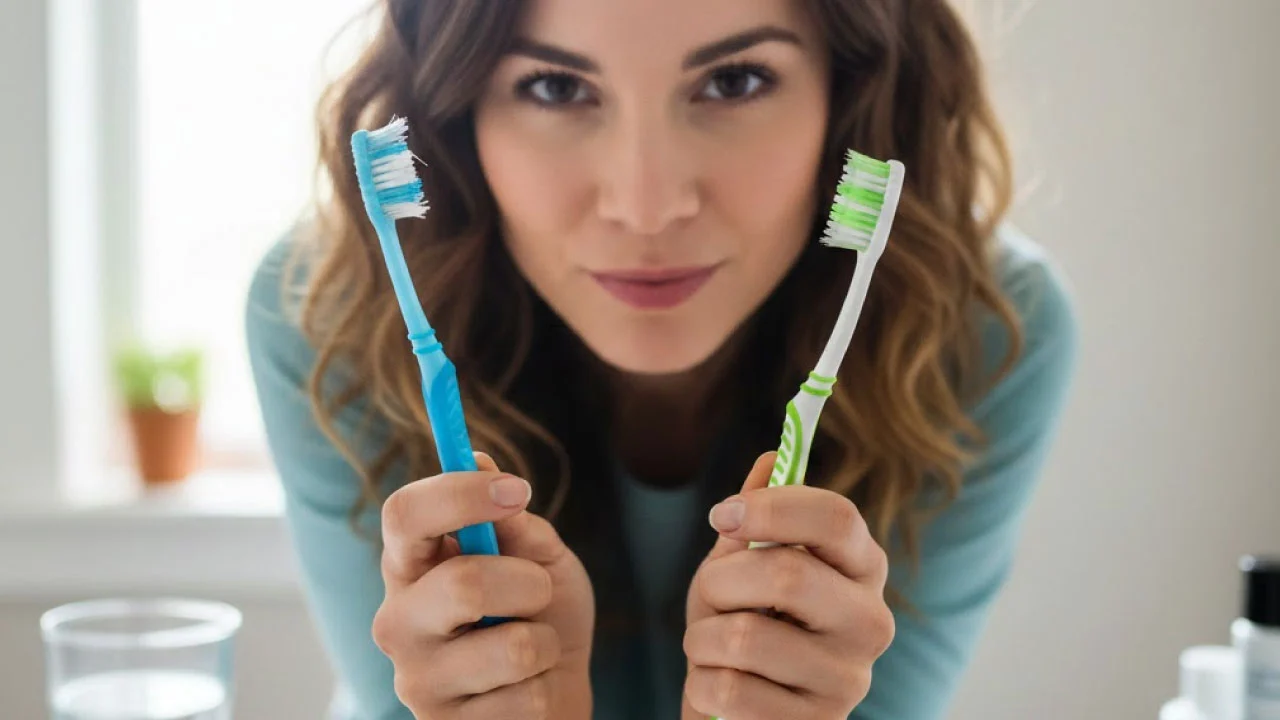
Using the wrong toothbrush is one of the most common brushing errors. A stiff bristle toothbrush can damage your enamel and irritate your gums.
The American Dental Association (ADA) recommends using a soft-bristled toothbrush. Soft bristles remove plaque and food debris without causing gum recession or enamel wear. Hard bristles increase the risk of tooth enamel damage and gum disease.
There are two main options:
- Manual toothbrush – Works well when using the correct brushing technique and gentle pressure.
- Electric toothbrush – Helps improve Plaque Removal with built-in timers and oscillating electric brush head movements. Brands such as Oral-B and Philips Sonicare design electric toothbrush models that improve consistency.

An electric toothbrush is helpful for patients with arthritis who struggle with manual brushing. Many dentists advise switching to a soft-bristled toothbrush, whether manual or electric.
Choose:
- Soft bristles
- A head that reaches back molars
- A comfortable handle
- Fluoride Toothpaste from trusted brands such as Crest or Colgate
Using wrong toothbrush types is a leading cause of ineffective cleaning and gum irritation.
Not Switching Toothbrushes (Using an Old or Worn-Out Toothbrush)
Using frayed bristles reduces cleaning power. Bristles bend, split, and lose stiffness over time.
Replace your toothbrush or electric brush head every 3 months. Replace sooner, if bristles look worn.
Old toothbrushes:
- Remove less plaque
- Harbor bacteria
- Increase gum inflammation
- Contribute to poor oral hygiene
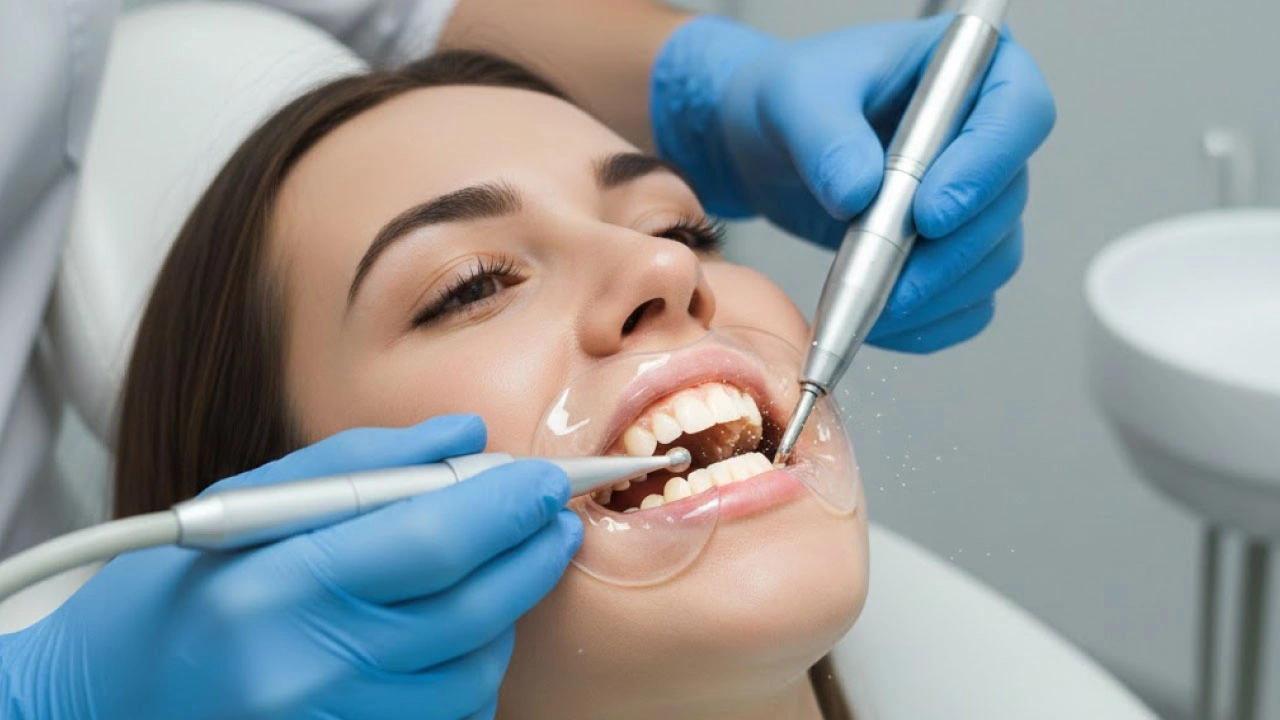
The American Dental Association states that worn bristles cannot clean effectively. Dental cleanings often reveal plaque buildup caused by old brushes.
Improper toothbrush storage and sharing toothbrush germs also increase bacteria buildup. Store your toothbrush upright and allow it to air dry.
Using the Wrong Brushing Technique (Brushing Too Hard)
Brushing too hard is one of the most damaging common toothbrushing mistakes. Applying excessive pressure can damage your enamel and irritate your gums.
Incorrect brushing technique often includes:
- Back-and-forth scrubbing
- Biting down brushing
- Ignoring bleeding gums
- Dry brushing enamel
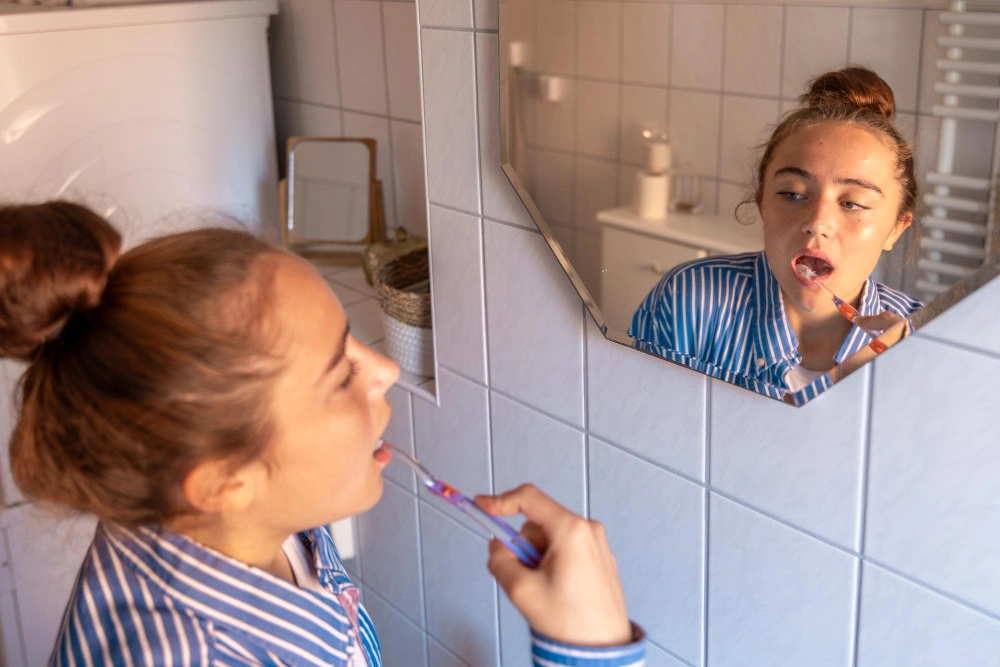
The correct brushing technique:
- Hold the toothbrush at a 45-degree angle toward the gum line
- Use small circular strokes
- Apply gentle pressure
- Clean each quadrant for equal time
Brushing too hard causes:
- Gum recession
- Tooth sensitivity
- Enamel thinning
- Increased risk of Periodontal Disease
If bristles fray before 3 months, you are likely brushing too hard.
Not Brushing Long Enough
Not brushing long enough leaves plaque behind. The recommended brushing duration is two minutes.
The American Dental Association advises brushing for a full two minutes, twice daily. Many people brush for 30–45 seconds. That short brushing duration does not remove plaque effectively.
To brush long enough:
- Divide your mouth into four sections
- Spend 30 seconds on each quadrant
- Use a timer or built-in electric toothbrush timer
Brushing long enough improves Plaque Removal and supports cavity prevention. Plaque tends to build near the gumline and behind the lower front teeth. Spending equal time on each quadrant prevents missing certain places.
Missing Certain Places (Missing the Gumline and Inner Surfaces)
Missing certain places is a major teeth cleaning mistake. Most people focus only on visible front surfaces in the mirror.
Commonly missed areas:
- Gum line
- Inner surfaces
- Back molars
- Lower front teeth
- Around orthodontic appliances
- Tongue bacteria buildup
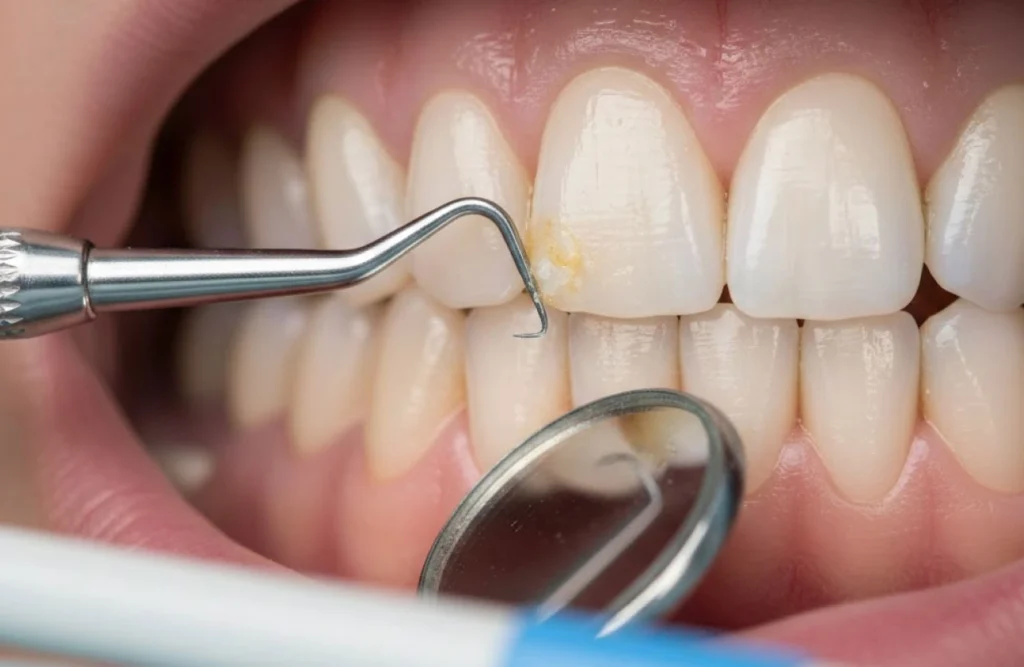
Plaque tends to build near the gumline where bacteria accumulate. Ignoring gum line cleaning increases gingivitis development.
To correct this:
- Angle the toothbrush at 45-degree angle
- Brush inner surfaces carefully
- Focus on back molars
- Clean behind lower front teeth
- Brush the tongue gently
Neglecting tongue bacteria contributes to halitosis prevention failure and bad breath causes.
Brushing at the Wrong Times (Brushing Right After Eating Acidic Foods)
Brushing immediately after acidic foods weakens enamel.
Acidic foods include:
- Citrus fruits
- Soda
- Coffee
Acid softens enamel temporarily. Brushing too soon can increase enamel erosion.
Wait 20–30 minutes after consuming acidic foods before brushing teeth. Saliva neutralizes acids during this time. Rinse with water to reduce acid levels while waiting.

Brushing immediately after vomiting also increases enamel damage risk.
Correct timing protects enamel and improves long-term oral health.
Rinsing after Brushing
Rinsing mouth vigorously after brushing removes protective fluoride from Fluoride Toothpaste.
Fluoride strengthens enamel and supports cavity prevention. Rinsing with water washes away concentrated fluoride.
Spit out toothpaste, but do not rinse with water. This allows fluoride to remain on teeth longer.
Many dentists emphasize this step during oral health education sessions. Companies such as Procter & Gamble (P&G), which manufactures Crest, and Colgate-Palmolive support fluoride-based formulations for Gingivitis Prevention.
Bonus Tip: Don’t Forget to Floss
Brushing teeth alone does not clean between teeth. Flossing removes plaque and food debris from interdental spaces. Overlooking interdental cleaning increases gum disease risk.
Floss daily to:
- Reduce bacteria buildup
- Improve Gingivitis Prevention
- Prevent Periodontal Disease
Skipping flossing is one of the most common brushing mistakes reported in dental practice blog post discussions.

Final Thoughts
Brushing teeth correctly does not require more time. Brushing teeth correctly requires better technique and consistency.
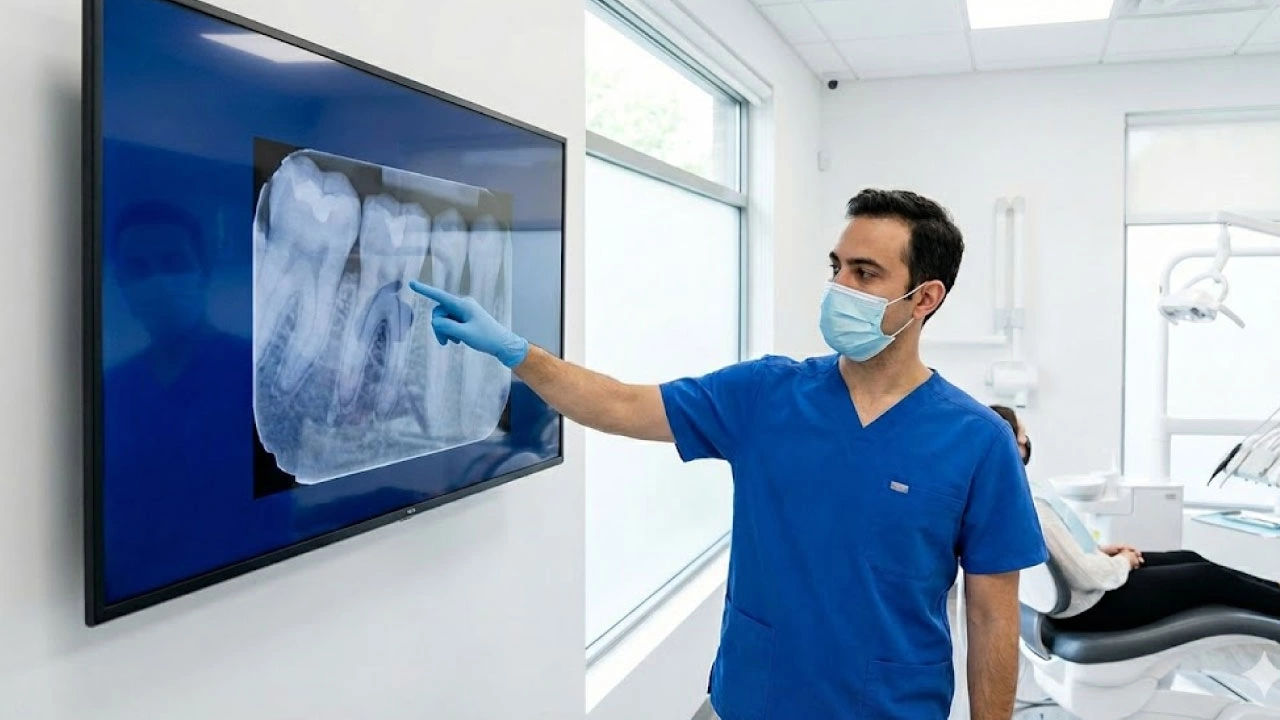
If you are asking, “Am I brushing my teeth wrong?” review these common toothbrushing mistakes and adjust your routine. If questions remain, schedule dental cleanings and ask your dentists to review your brushing technique in person.
Small changes prevent gum disease, protect enamel, and improve daily oral health.