
Can a natural gum balm really reverse receding gums and stop gum disease without surgery? This in-depth Nature’s Smile Review breaks down the ingredients, real user results, benefits, and everything you need to know before buying. Introduction: Why This Nature’s Smile Review Matters If you’ve noticed your gums pulling back, bleeding when you brush, or sensitivity that makes you wince at every sip of cold water — you’re far from alone. According to the Centers for Disease Control and Prevention (CDC), nearly 47% of adults over 30 suffer from some form of gum disease. For many, the only solution offered is expensive, painful gum grafting surgery. That’s where Nature’s Smile enters the picture — a concentrated natural gum balm that claims to combat gum disease, reverse receding gums, and restore oral health using a powerful blend of herbal extracts. But does it live up to the hype? In this comprehensive Nature’s Smile Review, we’ll cut through the marketing noise and examine what this product really is, how it works, what’s inside it, what real users are saying, and whether it deserves a place in your daily oral care routine. What Is Nature’s Smile? Nature’s Smile is a 100% natural gum balm formulated to target the root causes of gum disease and receding gums. Unlike conventional toothpaste that simply cleans the surface of your teeth, Nature’s Smile is a thick, concentrated herbal paste designed to adhere to gum tissue and penetrate deep into periodontal pockets where harmful bacteria thrive. Manufactured with a Swedish formula that has been in use for over 50 years, Nature’s Smile combines seven primary plant-based extracts — each with centuries of traditional medicinal use — into a balm that fights bacteria, reduces inflammation, and promotes gum tissue regeneration. The product comes in a 50ml (1.7 fl oz) jar, and with twice-daily use, each jar typically lasts 2–3 months. It is free from artificial flavors, colors, preservatives, fluoride, sulfates, and parabens, making it a compelling option for those seeking a natural alternative to harsh chemical oral care products. What Causes Gum Recession? Understanding the Problem Before evaluating any treatment, it’s essential to understand what causes gum recession. According to the National Institute of Dental and Craniofacial Research (NIDCR), the primary causes include: Gum issues are often connected to broader concerns explained in do dental problems affect your health. Understanding these causes helps determine whether Nature’s Smile can address your specific gum concerns. Nature’s Smile Ingredients: The Power Behind the Balm The effectiveness of Nature’s Smile lies in its carefully selected blend of seven natural herbal extracts. Each ingredient was chosen for specific therapeutic effects on gum tissue and oral bacteria. Let’s examine them in detail: 1. Oak Bark Extract Oak bark is one of nature’s most powerful astringents. It contains tannins (phlobatannin, ellagitannins, gallic acid) that bind with proteins in gum tissue, making them impermeable to bacterial invasion. Oak bark tightens loose gums, strengthens blood vessels, and possesses anti-inflammatory and antiseptic properties that reduce swelling and prevent infection. 2. Silver Fir Silver Fir delivers potent antiseptic, toning, and deodorizing effects. It soothes irritation in gum tissue, reduces inflammation, and provides a purifying effect that combats harmful bacteria responsible for gum disease and bad breath. A 2017 study in the journal Molecules confirmed the antimicrobial power of Silver Fir essential oil against bacteria linked to plaque and gingivitis. 3. Chamomile Long celebrated for its calming properties, chamomile contains bisabolol and chamazulene — compounds with documented wound-healing and anti-inflammatory effects. A 2016 study in the Journal of Oral Science found that chamomile mouthwash effectively reduced both plaque and gum inflammation. 4. Yarrow Used in traditional medicine for over 3,000 years, yarrow is renowned for its ability to stop bleeding. The alkaloid achilletin found in yarrow has been reported to halt bleeding, making it especially valuable for bleeding gums — a hallmark symptom of gingivitis and periodontitis. Research in the Journal of Ethnopharmacology supports yarrow’s anti-inflammatory and wound-healing properties. 5. Nettle A nutritional powerhouse rich in vitamin K and minerals, nettle supports proper blood clotting and strengthens blood vessels. Its astringent properties tighten tissue, while its anti-inflammatory and antioxidant characteristics reduce gum inflammation and promote a healthier oral environment. A study in the journal Nutrients confirmed nettle’s broad health benefits. 6. Myrrh Myrrh has been used for thousands of years as a natural antiseptic. Modern research confirms its effectiveness against Porphyromonas gingivalis — one of the primary bacteria responsible for gum disease. Myrrh reduces swelling, fights bacterial infections, and cleanses and protects gum tissue. 7. Echinacea Known primarily as an immune booster, Echinacea stimulates the body’s local immune response in gum tissue. Rather than simply killing bacteria, Echinacea helps your body fight off infection and prevents reinfection after the initial bacterial load has been reduced. Bonus: Pine Tree Carotene Extract A potent antioxidant that scavenges for dangerous free radicals in the mouth. Research from the Journal of Periodontology found that people with higher antioxidant levels had a lower risk of gum disease. How Does Nature’s Smile Work? A Three-Pronged Approach Nature’s Smile operates through three simultaneous mechanisms that address both the symptoms and root causes of gum disease: 🔹 Mechanism 1: Antibacterial Action Myrrh, Silver Fir, and Greater Celandine target the specific bacteria responsible for gingivitis and periodontitis. These bacteria produce enzymes and toxins that destroy the attachment between gums and teeth. By eliminating these pathogens, the balm stops active tissue destruction. 🔹 Mechanism 2: Anti-Inflammatory Effects Chamomile, Silver Fir, and Nettle calm the immune response that accelerates tissue loss. When bacteria infect gums, the body sends inflammatory cells that release tissue-destroying enzymes — collateral damage in the fight against infection. Reducing inflammation protects existing gum tissue. 🔹 Mechanism 3: Astringent Tissue Tightening Oak Bark and Nettle physically tighten gum tissue, reducing periodontal pocket depth and pulling gums closer to teeth. This tightening effect also stops bleeding by compressing small blood vessels and creating an environment where bacteria struggle to multiply. How to Use Nature’s Smile: A Step-by-Step Guide For
Dental Tourism Reviews: How to Read Them and Pick the Right Clinic
“Dental tourism reviews” can save you money and help you find skilled care. Dental tourism reviews can also mislead you if you treat star ratings like proof of quality. This guide shows how to judge reviews, verify clinics, and plan treatment so you get safe results that last. What dental tourism reviews should tell you Good dental tourism reviews answer five questions: A review that only says “great service, nice staff” is not enough for surgery, implants, crowns, veneers, or full-mouth work. Why dental tourism reviews can be unreliable? Dental tourism is competitive. Some clinics push hard for reviews, and some review platforms are easy to manipulate. Watch for these patterns: You don’t need perfection. You need consistency and transparency. The review checklist that matters most Use this checklist when reading dental tourism reviews. If a review includes 7–10 of these points, it’s usually more trustworthy. 1) The procedure is clearly stated Look for specific treatments: “root canal + crown,” “2 implants,” “full arch,” “bone graft,” “veneers,” “invisalign,” “deep cleaning.” 2) Before-and-after photos (with context) Photos can be staged. Still, they help when the patient also explains: 3) Timeline and follow-up Strong reviews mention what happened after travel: The best dental tourism reviews include updates at 3–12 months. 4) Complications and how the clinic handled them A clinic’s quality shows up when something goes wrong: A trustworthy review might still be positive while describing a problem and a fair fix. Delaying treatment can lead to problems discussed in do dental problems affect your health. 5) Cost details and what was included Dental tourism pricing can look low until add-ons appear. Useful reviews list: 6) The dentist’s name and credentials Good reviews mention the provider, not just “the clinic.” Names matter because dentistry quality is operator-dependent. 7) Communication and consent Look for comments about: 8) Sterilization and professionalism cues Patients sometimes notice basics: 9) Refund/rework policy A clinic should have a clear policy for remakes, failed work, and disputes. 10) Proof of real travel and context Real reviews often include small details: The best places to find dental tourism reviews Don’t rely on one platform. Compare across sources: Public review platforms Good for volume and patterns. Weak for medical detail. Independent forums and expat groups Often more honest about complications, but can be emotional and inconsistent. Video reviews (with caution) Video can show real patients, but it can also be paid marketing. Look for: Ask the clinic for references A serious clinic can connect you with past patients who agree to be contacted. Ask for patients with your same procedure type. Red flags in dental tourism reviews If you see these repeatedly, pause: How to compare clinics using reviews? Make a simple scoring method. Pick 3–5 clinics, then score each from 1–5 on: The top clinic often isn’t the one with the highest star rating. It’s the one with the best pattern of durable outcomes. Questions to ask after reading dental tourism reviews Reviews should lead to questions. Send these before booking: About diagnosis and planning About materials and labs About timelines About safety and standards About aftercare A clinic that answers clearly, in writing, tends to be safer than a clinic that only sells the “vacation + smile” idea. What procedures are best (and worst) for dental tourism Dental tourism can be a good fit for some treatments and risky for others. Often suitable with good planning Higher risk due to follow-up needs High-risk cases can still be done safely abroad, but only with: The hidden factor reviews rarely cover: long-term maintenance Dental tourism reviews often end right after the “reveal.” That’s not the finish line. Real success includes: Before you travel, plan maintenance: How to protect yourself before you book Use these practical steps: 1) Get a local diagnosis first Have a local dentist do an exam and imaging. It helps you spot: 2) Ask for an itemized quote in writing Every line should be listed. Confirm what triggers extra costs. 3) Confirm the dentist, not just the clinic Ask who will do the procedure and whether a specialist is involved. 4) Don’t compress complex work into a short trip If a clinic claims major reconstruction in a few days, treat it as a serious warning. 5) Budget for surprises Set aside funds for: Regardless of location, preventive dental care and overall health remains the foundation of good treatment. A simple way to summarize dental tourism reviews Dental tourism reviews can help you find real value, but only if you read them like evidence, not advertising. The best dental tourism reviews describe the exact procedure, show clear timelines, and include follow-up results after the patient returns home. Use multiple platforms, watch for repeated patterns, and give more weight to reviews that mention complications and how the clinic fixed them. Ask for an itemized plan, confirm the dentist’s credentials, and choose a schedule that leaves time for proper healing and adjustments. When dental tourism reviews match verified details and a realistic treatment plan, you can travel with more confidence and lower your risk of expensive do-overs.

Do Dental Problems Affect Your Health? Hidden Risks Explained
Yes, dental problems affect your health. Bad oral health can let bacteria and inflammation move from the mouth into the bloodstream, which can raise the risk of serious health issues. Cavities, gum disease, and chronic periodontitis often start quietly, but the effects can show up far beyond the teeth and gums. Cardiovascular Issues Gum disease can increase systemic inflammation. When oral bacteria enter the bloodstream, they can irritate blood vessels and may increase the risk of cardiovascular disease, heart attack, and stroke. Bleeding gums can be an early sign that the gum line is inflamed and easier for bacteria to cross. Respiratory Problems Poor oral hygiene can raise the number of harmful bacteria in the mouth. Those bacteria can be inhaled into the lungs, which may worsen respiratory infections and chronic lung conditions like asthma and chronic obstructive pulmonary disease (COPD). Chronic bad breath and frequent sore throats can also point to ongoing mouth infections. Diabetes Complications Gum disease and diabetes can feed into each other. Gum inflammation can make blood glucose levels harder to control, and high blood sugar can increase the risk of gum infections and chronic periodontitis. This cycle can raise the chance of tooth loss and slow healing after dental treatment. Poor habits like skipping dental cleaning often contribute to these complications. If you already have diabetes, there’s an increased risk of gum disease. So, it is vital for people with diabetes to do the following, according to the American Diabetes Association (ADA): Pregnancy Complications Hormone changes can make gums more sensitive during pregnancy, increasing the risk of gingivitis and periodontitis. Untreated gum disease has been linked with pregnancy complications, including premature birth and low birth weight. Regular dental care and daily oral hygiene matter during pregnancy. This highlights the importance of preventive dental care and overall health. Dementia and Cognitive Decline Research has explored links between gum disease and cognitive decline, including Alzheimer’s disease. One concern is long-term inflammation and the spread of periodontal bacteria (such as Porphyromonas gingivalis) through the bloodstream. Tooth loss can also affect nutrition, which can impact brain health. Digestive Problems Digestion starts in the mouth. Tooth pain, missing teeth, and gum inflammation can make chewing harder, which can affect food choices and digestion. Poor chewing can lead to swallowing larger pieces of food, upset the digestive process, and reduce nutrient intake over time. Kidney Disease Chronic inflammation is a common thread in kidney disease and periodontal disease. Oral bacteria can enter the bloodstream and add to the inflammatory load on the body. People with diabetes or cardiovascular disease may face higher risk, and gum disease can add another strain. Rheumatoid Arthritis Rheumatoid arthritis (RA) is an inflammatory autoimmune condition. Some studies suggest a link between RA and gum disease, possibly through shared inflammatory pathways and oral bacteria entering the bloodstream. RA can also make brushing and flossing harder due to hand and joint pain. RA is a painful inflammatory autoimmune condition that can cause: Certain Cancers Smoking and other tobacco products raise cancer risk and also increase the risk of gum disease. Severe periodontitis has been linked in research to higher risk of certain cancers, including pancreatic cancer. This does not mean gum disease “causes” cancer in every case, but chronic inflammation is a known concern. Blood Cancers Ongoing infections and inflammation can affect immune system function. Some studies have explored associations between severe periodontal disease and certain blood cancers. The safest takeaway is practical: treat chronic gum disease early and keep routine dental care consistent. Increased Risk Of Erectile Dysfunction Chronic periodontitis can damage gum tissue and create pockets where bacteria grow. If bacteria enter the bloodstream, inflammation can affect blood vessels and blood flow. Reduced blood flow is a major factor in erectile dysfunction, so oral health can be part of the larger picture. Issues with fertility Some research suggests chronic periodontal disease (CPD) may be linked with longer time to conceive in some people. The likely driver is systemic inflammation. Fertility is complex and has many causes, but treating gum disease and improving oral hygiene is a sensible step for overall health. Prevention Is Key Preventing gum disease and tooth decay lowers the risk of complications. Keep the routine simple and consistent: Maintaining a six month dental check up can reduce these health risks significantly. Conclusion Dental problems can affect the whole body because oral bacteria and inflammation can spread beyond the mouth. Good oral hygiene and regular dental visits help prevent gum disease, chronic periodontitis, and tooth decay, and they also support heart health, blood sugar control, lung health, and healthy pregnancy outcomes. If gums bleed, breath stays bad, or teeth feel loose, treat it as a health issue, not a cosmetic one.

Skipping Dental Cleaning? The Hidden Risks You Shouldn’t Ignore
Skipping dental cleanings means delaying or missing routine dental cleanings that remove plaque and tartar before they damage teeth and gums. Regular dental cleanings are preventive care that control plaque buildup risks, prevent cavities gum problems, and support overall oral health. When you start skipping dental cleanings, plaque still forms, hardens into tartar, and allows bacteria to irritate gums and enamel. Many people skip teeth cleaning because life gets busy, there is dental anxiety, or there is no pain. The short-term benefit feels like saving time or money. The long term consequences include gum disease and tooth decay skipping that become expensive overall after treatment. This article explains why routine dental cleanings matter, what happens after a single missed dental visit, who faces higher risks, the long term cost, and what to expect at your next appointment. Why Are Dental Cleanings So Important? Routine dental cleanings remove dental plaque and dental calculus (tartar) that brushing and flossing cannot eliminate. The American Dental Association (ADA) and the National Institute of Dental and Craniofacial Research (NIDCR) recommend regular dental visits for preventive care. The World Health Organization (WHO) – Oral Health program links poor oral hygiene to broader health complications. Dental cleanings are not cosmetic. Dental cleanings are medical prevention. Professional cleaning by a dentist or dental hygienist protects enamel, reduces gum disease risk, and lowers bad breath caused by bacteria. The Purpose of Routine Dental Cleanings To maintain stable oral health, routine dental cleanings focus on five main goals. Plaque and Tartar Buildup Happens Fast Dental plaque forms within hours after brushing. Plaque contains bacteria that feed on sugars. When plaque hardens into tartar, only dental cleaning equipment can remove it. Tartar traps more bacteria and increases plaque buildup risks. Early Detection of Problems Routine dental cleanings allow early detection of cavities, cracked fillings, enamel wear, and gingivitis the first stage of periodontal disease. Missed early detection leads to advanced tooth decay (caries), root canals, or extraction. Gum Health Depends on Consistency Gum disease and inflammation begin quietly. Gingivitis can progress to periodontitis, also called Periodontitis, which damages bone and leads to tooth loss. Consistent cleanings reduce silent bacterial buildup and hidden inflammation risks. Oral Cancer Screenings Can Catch Early Signs Dental visits include Oral cancer screening. Dentists check tissue changes that are painless in early stages. Early screening improves outcomes. Monitoring Existing Dental Work Fillings, crowns, and bridges wear down. Dental hygienists and dentists monitor these restorations. Small repairs prevent larger failures. What Happens If You Skip Your Dental Cleanings? Skipping dental cleanings increases plaque and tartar, raises gum disease risk, accelerates tooth decay, and increases dental expenses. Even a single missed dental appointment can start the process. Plaque Buildup Gets Worse Plaque still forms even if you brush and floss daily. Avoiding dental cleanings allows bacteria to multiply along the gumline. Increased Plaque Accumulation Increased plaque accumulation leads to more tartar. Tartar creates rough surfaces where bacteria attach easily. Gum Disease Can Sneak Up on You Gingivitis the first stage of periodontal disease causes bleeding gums and swelling. Untreated gingivitis develops into periodontal disease and periodontitis, which damage supporting bone. Enamel Wear May Speed Up Bacteria release acids that weaken enamel. Eroding enamel protection leads to sensitivity and cavities. Bacterial Infections Can Take Hold Advanced plaque can infect deeper tissues. Severe infection may require scaling and root planing or antibiotics. Cavities May Progress Quietly Tooth decay (caries) grows slowly without pain at first. Small cavities become large lesions requiring fillings or root canals. Gum Inflammation Can Escalate Persistent inflammation increases gum recession and tooth mobility. Advanced gum disease and bone loss increase tooth loss risk. Your Breath Might Suffer Halitosis (bad breath) develops when bacteria produce sulfur compounds. Mint or mouthwash cannot solve bad breath skipping professional cleaning. Staining Becomes More Noticeable Coffee, tea, and tobacco stain enamel. Prophylaxis (teeth cleaning) removes surface stains. Bad Breath May Worsen Chronic bacteria buildup worsens halitosis. Professional cleaning improves oral microbiome balance. You End Up Needing More Expensive Treatments Missed appointments can lead to fillings, crowns, root canals, or extraction. Treatment becomes expensive overall after neglect. Your Overall Health Can Be at Risk Compromised systemic health links gum infection with heart disease, diabetes, and stroke. Inflammation from periodontal disease affects blood vessels and blood sugar control. Skipping One Appointment Can Become a Habit A single missed dental visit often leads to postponing oral wellness repeatedly. Neglecting preventative care accelerates dental health decline. Who Faces Higher Risks From Skipping Cleanings? Certain groups experience stronger consequences dental neglect. People With a History of Gum Disease Previous periodontal disease increases recurrence risk. Avoidable gum disease returns quickly without maintenance. Patients with Diabetes Diabetes weakens infection control. Gum inflammation worsens blood sugar instability. Smokers Smoking reduces blood flow to gums. Healing slows, and periodontal disease progresses faster. Orthodontic Patients Braces trap plaque around brackets. Professional cleaning prevents cavities around wires. Pregnant Women Hormonal changes increase gingivitis risk. Preventative dental care supports safer pregnancy outcomes. These risks clearly show why preventive dental care and overall health should never be ignored. Clinics such as Sea of Smiles Children’s Dentist in Murfreesboro and Stone Trace Family Dental emphasize consistent care for these high risk groups. Long-Term Cost of Delaying Dental Cleanings Skipping hygiene appointment increases both medical and financial burden. Higher Treatment Costs Preventive cleaning costs less than crowns, root canals, or periodontal surgery. Increased dental expenses follow advanced decay. Time Away From Work or School Complex procedures require multiple visits and recovery time. Emotional Toll Dental anxiety increases when problems grow. Pain and embarrassment from tooth loss affect confidence. Neglecting cleanings can lead to issues explained in do dental problems affect your health. What to Expect During Your Cleaning Appointment A professional dental cleaning includes six steps: The dentist completes a final check. The appointment lasts about 45 to 60 minutes. What to Do If You Haven’t Been in a While? Schedule a dental visit now, even if years have passed. Inform the dental hygienist about sensitivity

Six Month Dental Check Up: What to Expect?
A six month dental check up is a preventive care visit that combines routine dental exams with a dental cleaning to protect oral health before problems get painful. A Dentist and Dental Hygienist look for early signs of Tooth Decay, Gum Disease, Oral Cancer, and Bite Problems, then remove Plaque and Tartar that daily Brushing and Flossing can miss. The goal is simple: maintain good oral health, keep treatment small, and support Optimal Oral Health with advice that fits your oral care routine. Why Your Six-Month Dental Checkup Matters More Than You Think? Six-month checkups are the most common schedule for regular dental exams because change happens quietly in the mouth. Plaque can harden into Tartar, gums can start bleeding, and small areas of tooth decay can grow without obvious symptoms. Dental Professionals use a quick but detailed exam, sometimes with X-rays, to confirm what is normal and what needs attention. Many people wait for pain. Pain usually arrives late. A six month dental check up helps you stay ahead of dental issues, keep your mouth comfortable, and protect long term dental wellness. Early Detection Is Everything Early detection is the biggest win of a six month dental check up. A dental exam can catch: When treatment starts early, treatment stays simpler. That is the practical value of regular dental exams. Your Cleaning Does More Than Make Your Teeth Shine A professional cleaning is not only cosmetic. Delaying visits often results in issues highlighted in skipping dental cleaning. A dental hygienist focuses on tartar removal and plaque and tartar control around the gumline and between teeth. This helps reduce: Even a strong oral hygiene routine cannot remove hardened tartar. Professional cleaning fills that gap and supports a healthier mouth. This routine supports guidelines on how often should you do teeth cleaning for long-term health. A Window Into Your Overall Health A six month dental check up can flag oral signs that match broader health patterns. Gum inflammation, frequent infections, slow healing, and dry mouth can show up alongside other health concerns. A dentist cannot diagnose every medical condition from a mouth exam, but a careful check can reveal oral health issues worth discussing with a healthcare provider. This is another reason preventive care matters. Oral health outcomes affect eating, sleep comfort, confidence, and everyday function. Regular visits are a key part of preventive dental care and overall health. Custom Advice You Can Actually Use Oral health advice works best when it fits the person. During a six month dental check up, dentists often give targeted guidance on: If dental anxiety is part of the story, open communication helps. A positive relationship with the dental practice can lower anxiety and improve follow-through. Keeping Small Problems Small Small issues stay small when you check them on time. Six-month checkups help track changes that are easy to miss at home, like early Gum Recession, early cracks, worn fillings, or bite shifts. Regular appointments also keep plaque and tartar under control, lowering the chance that gum irritation turns into bone loss. Most guidelines from groups like the American Dental Association (ADA) and the Academy of General Dentistry (AGD) support routine visits based on individual risk. Some people may need more frequent care if gum disease is active or inflammation returns quickly. A dentist can adjust the schedule based on what the exam shows. Dental Exams Q&A’s What happens during a six month dental check up? A six month dental check up usually includes a dental exam, gum evaluation for inflammation and bleeding, plaque and tartar removal, polishing, and sometimes X-rays to check areas you cannot see. Can brushing and flossing replace regular dental exams? Brushing and flossing are essential, but brushing and flossing cannot remove hardened tartar and cannot screen for problems like early tooth decay under the surface, gum pockets, or oral cancer changes. What happens if someone skips checkups for longer than six months? Skipping checkups increases the chance of plaque turning into tartar, gingivitis progressing to periodontitis, cavities getting larger, and dental issues becoming painful before treatment starts. How can someone feel less anxious about dental visits? Choose a dentist who supports open communication, ask the team to explain each step, and share concerns early. A consistent dental practice relationship often improves comfort and the overall dental experience. Conclusion In conclusion, a six month dental check up is essential for maintaining healthy teeth and gums, preventing cavities, and catching potential issues early. Regular visits not only keep your smile bright but also support overall oral health. By committing to a six month dental check up, you’re investing in long-term dental wellness and ensuring that minor problems don’t turn into major concerns. Make it a routine, and your teeth will thank you for years to come.

Preventive Dental Care Overall Health: Why Prevention Matters
Preventive dental care overall health has a direct link: preventive dentistry reduces oral disease risk and lowers inflammation and bacterial load that can affect the rest of the body. Routine check-ups, dental hygiene, fluoride, dental sealants, and early detection protect teeth and gums, and they support long-term health by lowering the chance of advanced gum disease, tooth loss, and avoidable infections. The Power of Preventive Dental Care: A Guide to Healthy Smiles Preventive dental care overall health starts with proactive care, not emergency care. Preventive Dental Care includes home practices and professional services that keep plaque and tartar under control, protect tooth enamel, and catch cavities, gum disease, bone loss, and oral cancer early. Modern practices in the United States often include digital X-rays, digital imaging, and screenings that support early detection and lower treatment needs. Understanding the Foundation of Preventive Dentistry Preventive dentistry is the set of preventive measures that keeps teeth and gums stable over time. The foundation has 4 parts: A modern example is Chester Oral Surgery, which describes prevention as a mix of routine check-ups, home practices, and advanced options when needed, including services like CBCT and sinus lift planning. A routine six month dental check up allows dentists to detect problems before they become serious. The Integral Role of Oral Health in Overall Well-being Oral health is not isolated. The mouth contains a dense oral microbiome, and gum inflammation can increase how often bacteria enter the bloodstream during daily activities. Periodontal disease has documented associations with systemic conditions, even when direct causality is still being studied in many areas. How does dental care affect overall health? Dental care affects overall health in 5 practical ways: Studies show that do dental problems affect your health is not just a question—it’s a proven medical concern. Preventive Dentistry: Pillars and Practices for Lifelong Oral Health Preventive dental care overall health is strongest when prevention is consistent. The goal is fewer cavities, less gum disease, less tooth loss, and fewer high-cost procedures. Why is preventive dentistry important? Preventive dentistry is important because most oral health conditions are largely preventable and easier to treat in early stages. Delayed care raises the risk of periodontal disease, bone loss, and tooth loss, and it increases the chance that care becomes invasive and expensive. Some patients even explore dental tourism reviews to find affordable treatment options. What are the key components or pillars of preventive dental care? There are 7 key components that show up in most preventive dentistry plans: Many people ignore the dangers of skipping dental cleaning, which can silently damage oral health. Importance of good oral hygiene habits Good dental habits are daily disease control. Brushing twice a day with fluoride toothpaste for two minutes, cleaning between teeth daily, and limiting sugar exposure reduces plaque buildup and lowers cavities and gingivitis risk. Education on brushing, flossing, and diet Education changes outcomes. Dentists and hygienists often teach: Use of technologies like digital X-rays and screenings Digital X-rays and digital imaging help detect cavities, bone loss, and hidden infections earlier than visual exams alone. Cone beam computed tomography (CBCT) is a 3D imaging tool used for detailed evaluation and treatment planning in oral surgery and implant care. How Preventive Dental Care Influences Systemic Health Conditions Preventive dental care overall health matters most when gum disease is present, because periodontal inflammation is a major pathway for systemic inflammatory load and bacterial spillover. What is the impact of preventive dental care on systemic health conditions such as heart disease, stroke, and diabetes? Preventive dental care can reduce systemic risk factors by lowering oral inflammation and reducing periodontal disease severity. Periodontal disease is associated with heart disease and diabetes, and periodontal control can support chronic disease management, especially glycemic control in diabetes. How does inflammation and bacterial pathways connect oral and systemic health? The connection is driven by 2 mechanisms: How can preventive care reduce systemic inflammation and health risks? Preventive care reduces systemic inflammation and health risks through: How is management of chronic diseases improved through oral health care? Oral health care improves chronic disease management by reducing periodontal inflammation that can worsen diabetes control. The National Institute of Dental and Craniofacial Research (NIDCR) notes that people with diabetes have a higher chance of periodontal disease, and diabetes can slow healing, affecting periodontal treatment response. The Benefits of Early Detection and Routine Dental Visits Early detection is the main advantage of preventive dentistry. Small cavities, early gum disease, and early bone loss are simpler to treat than advanced disease. There are 6 benefits that connect directly to overall well-being: Preventive Dentistry’s Role in Reducing Healthcare Costs and Treatment Needs Preventive dental care overall health also shows up in cost and time. Prevention reduces major procedures like root canal treatment, extraction, and advanced periodontal surgery for many patients. How does preventive dental care contribute to reducing healthcare costs and treatment needs? Preventive dental care reduces healthcare costs by shifting care from high-cost procedures to low-cost maintenance: Promoting General Wellness and Enhancing Quality of Life through Preventive Dentistry Preventive dentistry supports quality of life through comfort, function, and confidence. Healthy gums reduce bleeding and swelling. Stable teeth improve chewing and speech. Reduced dental pain supports sleep and mental well-being. Preventive oral surgery can also play a role when risk is already high. Oral surgeons may use surgical solutions like bone grafting and sinus lifts to rebuild support and prevent further bone loss when teeth are missing or infection has damaged bone. In practices like Chester Oral Surgery, services are often planned using advanced imaging such as CBCT. The same prevention logic has existed for a long time. Ancient civilizations used early forms of tooth cleaning. Records mention oral hygiene efforts among Egyptians and Romans, even though methods and materials were very different from modern dental hygiene. Understanding how often should you do teeth cleaning is essential to maintain strong gums and prevent long-term issues. Preventive Dentistry: A Cornerstone for Healthier Lives Preventive dental care overall
How Often Should You Do Teeth Cleaning? Expert Guide
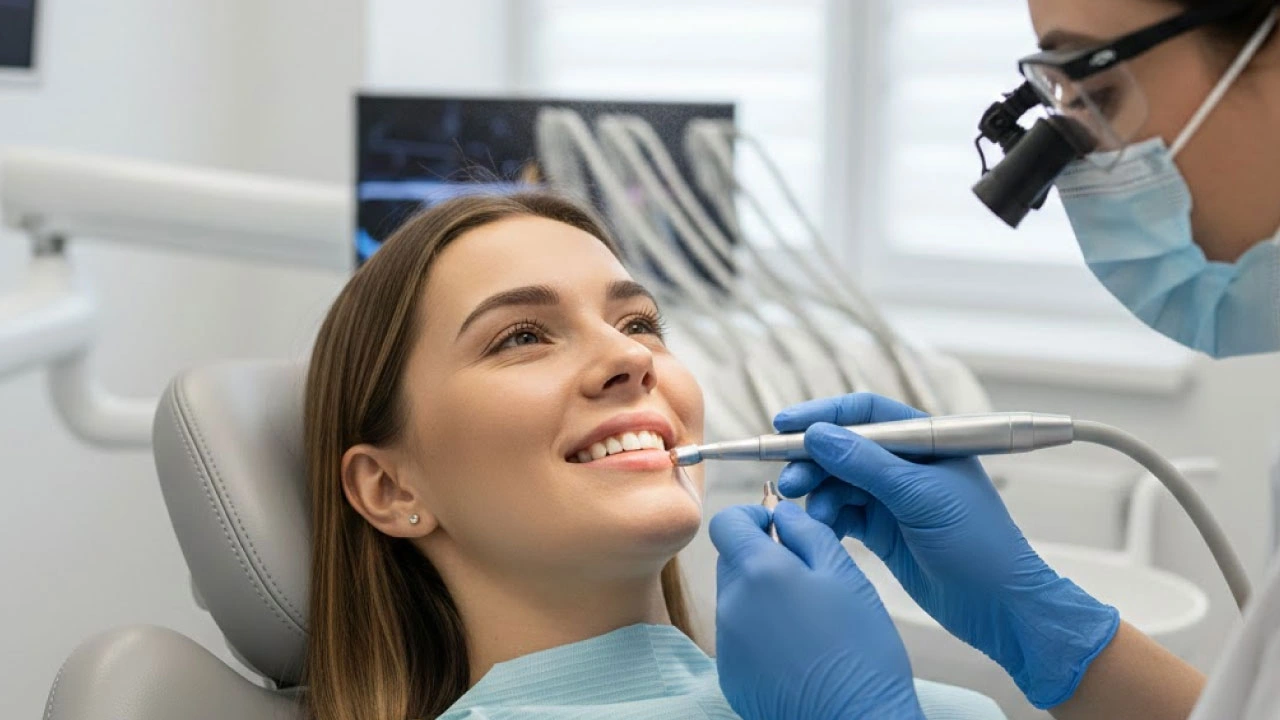
“How often should you do teeth cleaning” refers to the recommended teeth cleaning frequency for maintaining optimal oral health through regular dental cleaning and, when needed, deep teeth cleaning. The goal is simple: remove plaque and tartar, prevent gum disease and cavities, and detect dental issues early during a regular dental checkup. A proper dental cleaning schedule supports good oral hygiene, reduces tooth decay risk, and helps prevent gum disease before it progresses to periodontitis and bone loss. Professional teeth cleaning also includes a visual exam, scaling, polishing, and fluoride treatment. In some cases, deep teeth cleaning with scaling and root planing is required. This guide explains how often you should get teeth cleaning appointments, the difference between a regular dental cleaning and deep teeth cleaning, the risks of delaying care, and what happens during a teeth cleaning procedure. How often should you get your teeth cleaned? Most people should get a regular dental cleaning twice a year, or every six months. The American Dental Association (ADA) recommends regular dental checkups at intervals determined by risk level. For low-risk patients with healthy gums, cleaning every six months is standard. Some individuals need a different cleaning appointment frequency: Teeth cleaning frequency depends on plaque and tartar accumulation, oral hygiene habits, age, and systemic health conditions such as diabetes. Skipping regular visits can lead to complications explained in skipping dental cleaning. The difference between a regular dental checkup and a deep cleaning A regular dental checkup usually includes a visual exam of teeth and gums plus a professional teeth cleaning (scaling and polishing). Some visits also include X-rays and preventive steps like a fluoride treatment. A deep teeth cleaning is different. Deep cleaning is often called scaling and root planing (some offices write “scaling and root planning”). Deep cleaning targets plaque, tartar, and bacteria below the gum line and along the roots when gum disease has created deeper pockets. Who needs a deep cleaning? A dentist may recommend deep teeth cleaning when signs point to gum disease and bacteria under the gum line, such as: Risk factors that raise the chance of needing deeper periodontal care include diabetes and tobacco use, because both increase gum disease risk and slow healing. How often should I get one? Deep teeth cleaning (scaling and root planing) is often done once as an initial treatment, then followed by periodontal maintenance if needed. After treatment, many patients with periodontitis move to maintenance cleanings more often than six months, commonly every 3 to 4 months, based on pocket depth, bleeding, and tartar buildup. The best answer is personal: a dentist or dental hygienist sets frequency after checking gum health, bone loss, and oral hygiene habits. The risks of not getting one Skipping cleanings can allow plaque to harden into tartar, especially near the gum line, where brushing and flossing cannot remove it. Tartar buildup raises the risk of: Are there disadvantages to getting your teeth professionally cleaned more frequently? There is limited long-term research that clearly defines “too frequent” professional cleaning for everyone. One evidence review notes uncertainty about long-term side effects like sensitivity or surface damage.Some people do report temporary tooth sensitivity or mild gum irritation after cleanings, especially after deep cleaning, but this does not automatically mean enamel damage. The practical downside is cost: dental insurance often covers one or two preventive cleanings per year, and extra visits may be out-of-pocket. This is why preventive dental care and overall health should always be a priority. What happens during a teeth cleaning A professional teeth cleaning is usually done by a dental hygienist (or dentist) using special dental instruments to remove plaque and tartar, then polish the teeth. Many visits also include fluoride treatment. Cleaning The cleaning step is often called scaling. Plaque and tartar are removed from teeth, especially near the gum line and between teeth where bacteria hide. Polishing Polishing smooths and cleans the tooth surface after scaling. This helps remove surface stains and makes plaque less likely to stick as easily. Fluoride treatment A fluoride treatment may be applied as a gel, paste, or varnish to help prevent cavities and strengthen enamel. How often should you get your teeth whitened? There is no standard clinical guideline for how often to whiten teeth. Whitening is cosmetic, not necessary for oral health, and it is usually not covered by insurance. A dentist can suggest a schedule based on sensitivity, enamel condition, and stain patterns. How long can you go without a dental cleaning? You should get at least an annual dental exam, and cleanings are often done during that visit. Some people can keep gums stable with strong oral hygiene, but skipping for long periods increases the chance that plaque turns into tartar and gum disease progresses without obvious pain early on. Frequently asked questions How much does teeth cleaning cost? A standard professional teeth cleaning can cost about $75 to $200 without insurance, and prices vary by location and office. Dental insurance may include one or two preventive cleanings each year, sometimes with a copay. How should I take care of my teeth between teeth cleanings? Do these 5 things between teeth cleaning appointments: Takeaway Dentists typically recommend a six month dental check up to maintain optimal oral hygiene. For most people, professional teeth cleaning every six months is a solid baseline, and higher-risk patients often need cleanings every three to four months. Set the schedule with a dentist based on gum health, tartar buildup, diabetes, smoking, braces, and past dental problems.