
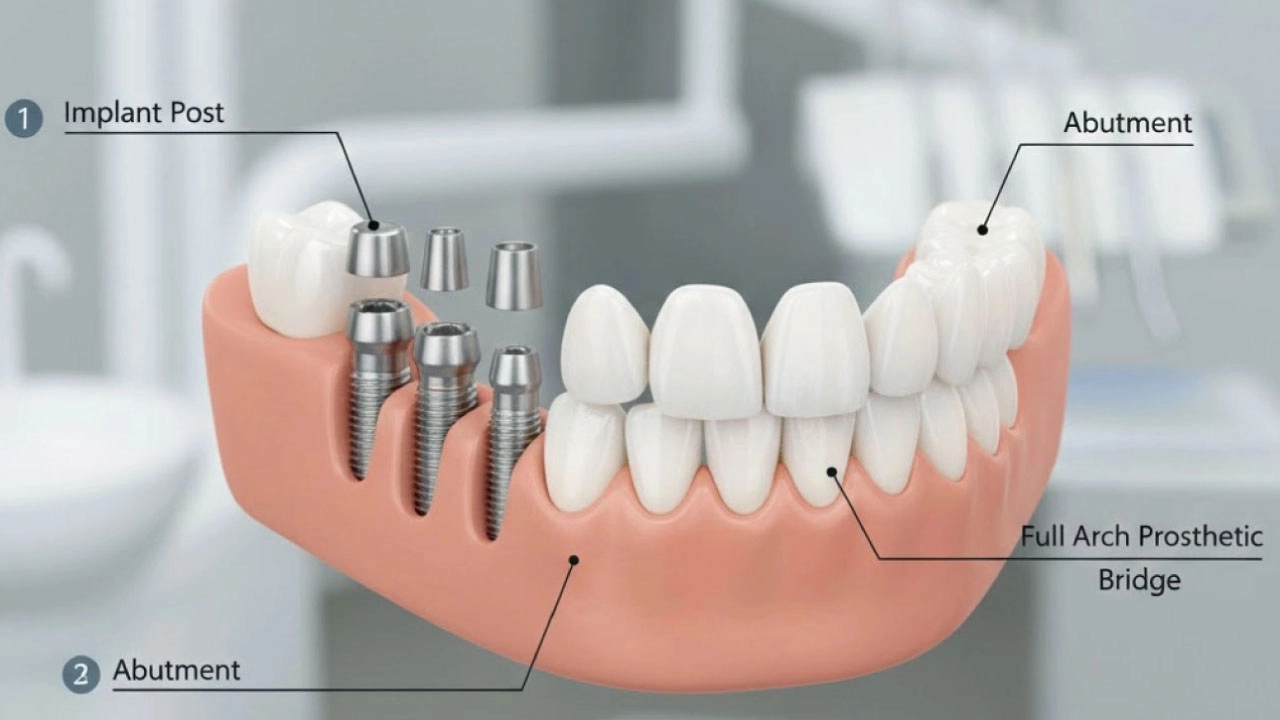
When considering full mouth dental implants, one of the first questions patients have is about the price. As we approach 2026, the cost of full mouth implants is expected to range from $20,000 to $50,000 per arch. This price can vary based on factors such as the type of implants, the materials used, and the complexity of the procedure. Understanding the components that contribute to the cost will help you make an informed decision about your dental restoration journey. What are Dental Implants? Dental implants are artificial tooth roots made from biocompatible materials like titanium. These implants are surgically placed into the jawbone to support replacement teeth or bridges. Unlike dentures, dental implants are designed to be permanent, offering a stable, natural-looking solution for missing teeth. Why Full Mouth Dental Implants Are Worth Considering? Full mouth dental implants are a great choice for individuals who have lost several or all of their teeth. These implants restore the strength and functionality of your teeth while also improving your smile’s appearance. Unlike dentures, implants are securely anchored into your jawbone, offering long-term stability and a natural feel. Benefits of Dental Implants Dental implants offer a variety of benefits: How Much Does a Complete Set of Dental Implants Cost? The cost of full mouth dental implants can vary depending on the type of restoration chosen and the materials used. Below are the three main options available: Fixed Implant Bridges (All-on-4 / All-on-6 Systems) This system involves placing four to six implants per arch to support a fixed bridge. It is one of the most popular and cost-effective solutions for full mouth restoration. Implant-Retained Dentures Implant-retained dentures are a more affordable option, combining the security of implants with the flexibility of removable dentures. They use fewer implants to hold a denture in place. Individual Tooth Implants for the Whole Mouth This method involves placing individual implants for each missing tooth, providing the most customization and a natural look. What Drives the Price of Full Mouth Dental Implants? Several factors affect the cost of full mouth dental implants: Implant and Crown Materials The materials used for both the implants and the crowns play a major role in determining the overall price. Titanium is the most commonly used implant material due to its durability and biocompatibility. Zirconia implants, while more expensive, offer a more natural appearance. Number and Placement of Implants The number of implants required and their placement in the jaw will directly influence the cost. More implants and complex placements typically lead to a higher price. Preparatory Procedures Some patients require preparatory procedures such as bone grafting or sinus lifts, which can add additional costs to the treatment. Procedure Complexity The complexity of the surgery and the need for advanced techniques can also drive up the price of full mouth dental implants. Dentist’s Expertise An experienced oral surgeon or periodontist may charge more for their services, but their expertise often results in a higher success rate and better long-term results. Additional Costs Patients Often Overlook In addition to the basic cost of implants, patients should consider additional expenses such as: Average Cost of Dental Implants in 2026 On average, the cost of full mouth dental implants in 2026 is expected to range from $20,000 to $50,000 per arch. The total price will depend on factors such as the number of implants needed, the material choices, and the complexity of your case. How Can You Make Dental Implants More Affordable? There are several ways to reduce the cost of full mouth dental implants: Partial Coverage Through Dental Insurance While most dental insurance plans do not fully cover dental implants, some may cover certain parts of the procedure, such as extractions or crowns. It’s worth checking your dental insurance to see if any portion of the cost can be covered. Monthly Financing Plans Many dental practices offer financing options that allow patients to pay for their implants in monthly installments. These plans often have low or zero interest and can make the procedure more affordable. Using HSA or FSA Accounts If you have a Health Savings Account (HSA) or Flexible Spending Account (FSA), you can use those funds to pay for dental implants, allowing you to save on taxes. Restore Your Smile with Dentist Tree of the Heights At Dentist Tree of the Heights in Houston, we offer expert care for full mouth dental implants. Our experienced team works with you to create a personalized treatment plan that fits your needs and budget. We provide high-quality, lasting solutions for a beautiful smile. Final Thoughts Full mouth dental implants are an investment in your oral health and confidence. While the cost can be significant, the long-term benefits far outweigh the initial expense. If you’re considering this treatment in 2026, be sure to consult with a qualified dentist to get an accurate quote based on your specific needs and treatment goals. Frequently Asked Questions Does dental insurance cover full mouth dental implants? Most dental insurance plans do not fully cover full mouth dental implants but may provide partial coverage for some procedures involved in the process. How much does a full set of teeth implants cost? The cost of full mouth dental implants typically ranges from $20,000 to $50,000 per arch, depending on the chosen restoration option and other factors. Are payment plans or financing available for full dental implants? Yes, many dental clinics offer financing options to help patients spread the cost of dental implants over time. How do existing dental conditions impact the cost? Conditions such as gum disease or bone loss may require additional procedures, such as bone grafting, which can increase the total cost of the implants. Are full mouth dental implants worth it? Yes, full mouth dental implants offer a long-term solution for missing teeth, providing a natural-looking, stable, and durable restoration. How do people afford full mouth dental implants? Many patients use a combination of insurance coverage, financing plans, and HSA/FSA accounts to make dental implants more affordable. How much should

Who is Not a Good Candidate for Dental Implants: Crucial Factors
A person who is not a good candidate for dental implants is someone whose health conditions, lifestyle habits, oral health issues, bone quality and healing capacity, medications, or age factors increase the risk of complications or implant failure. Dental implants require stable oral health, adequate bone, and proper healing for successful osseointegration, which is the biological bonding between the implant and the jawbone. When systemic diseases, compromised immune function, insufficient bone density, or specific medication contraindications interfere with this process, the individual may not be suitable for dental implant placement. Understanding who is not a candidate for dental implants helps dental patients avoid unnecessary implant surgery, reduce heightened infection risk, and select safer alternative tooth replacement options such as bridges or dentures. The main components that determine eligibility include systemic health conditions such as Uncontrolled Diabetes or Cancer, lifestyle factors that may impair immune function such as smoking or heavy alcohol consumption, oral health problems like active periodontal infection, insufficient bone density, medication-related risks, and age-related limitations. What Health Conditions Disqualify a Person from Receiving Dental Implants? Certain health conditions such as uncontrolled systemic disease or a weakened immune system increase the risk of complications and may lead to disqualification from dental implant surgery. Uncontrolled Diabetes Uncontrolled Diabetes directly affects wound healing and immune response. High blood glucose levels damage blood vessels, reduce oxygen supply to gum tissue, and delay wound healing after implant surgery. Unstable blood sugars increase infection risk around the dental implant area and reduce successful osseointegration. Patients with uncontrolled diabetes implants concerns face higher implant failure rates. Dental professionals evaluate blood sugar control before approving implant placement. Cancer Cancer affecting the head and neck region, especially during ongoing radiation therapy head and neck treatment, compromises bone quality and healing. Radiation therapy head and neck exposure reduces blood circulation in the jawbone and damages bone cells needed for bone formation. Ongoing radiation therapy increases the risk of implant failure. Dental implant placement in irradiated bone often requires careful assessment using Cone Beam Computed Tomography (CBCT). In many cases, patients undergoing active cancer treatment are not a candidate for dental implants until therapy is completed and bone health stabilizes. Autoimmune Diseases Autoimmune Diseases such as rheumatoid arthritis and lupus impair immune function and slow tissue repair. A compromised immune system increases heightened infection risk after implant surgery. Many patients with autoimmune diseases such as rheumatoid arthritis use medications that interfere with bone metabolism and healing. Immunocompromised Patients often experience delayed osseointegration. When immune suppression is severe, dental implant placement may not be advised. What Habits Can Disqualify a Person from Receiving Dental Implants? Certain lifestyle factors that may interfere with bone formation and healing can disqualify a person from becoming a candidate for dental implants. Smoking Smoking significantly increases the risk of implant failure. Nicotine constricts blood vessels and reduces oxygen delivery to gums and jawbone. Tar in cigarette smoke coats oral surfaces and weakens gum tissue attachment. Smoking impairs immune function, delays wound healing, and reduces blood circulation. Heavy smokers implants cases show higher rates of peri-implantitis and bone loss. A heavy smoker history can lead to disqualification if cessation does not occur before implant surgery. Heavy Alcohol Consumption Heavy alcohol consumption interferes with bone formation and bone metabolism. Alcohol weakens immune function, delays wound healing, and increases inflammation in gum tissue. Heavy drinkers face increased risk of complications after implant surgery. Alcohol also affects bone quality and healing, which directly impacts implant stability. Poor Oral Hygiene Habits Poor oral hygiene causes plaque buildup and bacterial infection around implants. Poor oral hygiene compliance leads to peri-implant disease and implant failure. Dental patients must demonstrate consistent brushing, flossing, and routine dental visits before being considered eligible for dental implants. What Oral Health Issues Can Disqualify a Person from Receiving Dental Implants? Active oral health issues can prevent successful osseointegration and lead to disqualification. Poor Oral Hygiene Poor oral hygiene dental implants cases often result in bacterial infection and inflammation. Chronic plaque accumulation damages gum tissue and bone around the implant site. Stable oral health is required before implant surgery. Gum / Periodontal Disease Active periodontal disease, also known as Periodontitis, destroys gum tissue and supporting jawbone. Active periodontal infection reduces implant stability and increases implant failure risk. Treatment of gum disease must occur before dental implant placement. Advanced Tooth Decay Advanced tooth decay increases bacterial load in the mouth. Adjacent teeth compromised by infection affect implant success and healing. All decay must be treated before implant surgery. Insufficient Bone Density Insufficient Bone Density prevents the implant from anchoring securely in the jawbone. Severe bone resorption and Jawbone Resorption occur after tooth loss or long-term gum disease. Why Bone Health Matters? Bone health matters because dental implants depend on direct integration with the jawbone. Adequate bone volume and density support implant stability and long-term function. When insufficient bone density exists, Oral Surgeons or Prosthodontists may recommend Bone Grafting or a Sinus Lift. These procedures increase bone volume before implant placement. If bone grafting is not possible, the person is not suitable for dental implants. What Medications Can Disqualify a Person from Receiving Dental Implants? Certain medications affect implants by interfering with bone quality and healing. Steroids Long-term corticosteroid use suppresses immune function and reduces bone formation. Steroids delay wound healing and increase infection risk. Bisphosphonates Bisphosphonates dental implants concerns relate to Osteoporosis treatment. Recent bisphosphonate therapy increases the risk of osteonecrosis of the jaw after implant surgery. Patients with recent bisphosphonate therapy may face specific medication contraindications. Antidepressants Some antidepressants affect bone metabolism and reduce bone density. These medications affect implants by lowering bone formation capacity and healing efficiency. Blood Thinners Blood thinners increase bleeding risk during implant surgery. Dentists adjust treatment planning to reduce complications. Severe bleeding disorders may disqualify a patient from immediate implant placement. Age Factors Age influences healing capacity and jaw development. Younger Patients Young patients implants concerns arise when jaw growth complete status has not occurred. A growing jawbone cannot support stable implant
Dental Implants: The Complete 2026 Guide
The Dental Implants Guide 2026 explains how dental implants replace a missing tooth, how the dental implant procedure works, how long healing time takes, what the cost of dental implants includes, and how to care for the final restoration. This Dental Implants 2026 guide follows the full journey: assessment and planning, implant placement, osseointegration, abutment fitting, and crown delivery. Dental implants act as an artificial tooth root placed in the jawbone to support a crown, bridge, or denture. The main benefits include stable chewing function, preserved bone levels, and a long term replacement that feels closer to natural teeth. The main uses include replacing a single tooth implant, supporting multiple implants, or restoring full arch implants such as All-on-4 and All-on-6. The main parts include the implant screw, abutment, and final restoration. This Implants Guide 2026 provides structure, timelines, risks, cost drivers, and alternatives so you can understand each stage before starting a treatment plan. What Are Dental Implants? Dental implants are titanium or zirconia posts placed into the jawbone to replace the tooth root of a missing tooth and support a crown, bridge, or denture. After healing, the implant becomes stable through osseointegration, which means the bone bonds directly to the implant surface. The U.S. Food and Drug Administration (FDA) regulates dental implant systems as medical devices. Common implant manufacturers include Nobel Biocare, Straumann, and Dentsply Sirona. There are two main material types: Dental implants vs bridges vs dentures (simple difference) Who are dental implants for? Dental implants are for adults who: A dentist confirms suitability after an exam, imaging, and a structured treatment plan. Assessment may include a panoramic X ray and 3D imaging such as Cone Beam CT for bone levels and nerve position review. Benefits of Dental Implants There are 6 main benefits dental implants provide: Osseointegration Success Factors include bone quality, implant positioning, and controlled healing. Types of dental implants There are 3 main restorative categories: 1) Single tooth implant One implant + one crown. Used when one missing tooth is present. 2) Multiple implants Several implants support individual crowns or an implant supported bridge. 3) Full arch implants Full arch implants restore all teeth in one jaw using fewer implants. Options include All-on-4, All-on-6, and Implant Supported Dentures. Immediate Load Implants may allow temporary teeth placement on the same day, if primary stability is strong. The Dental Implant Procedure The Dental Implant Procedure follows 5 defined stages. Initial Consultation and Evaluation Assessment and planning include: Digital Implant Workflow and 3D Printed Surgical Guides improve implant positioning accuracy. Bone Grafting (If Necessary) Bone grafting strengthens areas with limited bone support. Guided Bone Regeneration and Ridge Augmentation Procedures increase bone volume before implant placement. Healing after grafting may take 3–6 months (12–24 weeks). Implant Placement Surgery Implant placement involves inserting the dental implant into the jawbone under local anaesthesia. The implant inserted stage usually takes 30–90 minutes per implant. Minimally Invasive Implantology techniques reduce tissue trauma. Abutment Placement After healing, a connector called an Abutment is attached. Patient Specific Abutments improve crown alignment and bite control. Placement of the Artificial Tooth The final restoration includes a crown, bridge, or denture. Custom Implant Design ensures correct chewing function and appearance. How long do dental implants take? Dental implants take 3 to 9 months in most cases. Timeline depends on bone condition and treatment complexity. A simple breakdown of the timeline 3 common timeline scenarios What can make the timeline longer? Does getting a dental implant hurt? No, the procedure is not painful during surgery because local anaesthesia is used. During the procedure Local anaesthesia blocks pain. Patients report pressure but not sharp pain. After the procedure Mild swelling and tenderness for 3–5 days is common. Over the counter medication controls discomfort in most cases. When is pain not normal? Contact a dentist if: These may indicate Dental Implant Problems such as infection or early Peri-Implantitis. Caring for Dental Implants Caring for Dental Implants involves 5 main actions: Implant Maintenance Protocols reduce peri-implantitis risk and improve long-term success. Good implant outcomes do not depend on the implant alone. Long-term success also depends on keeping the surrounding gums healthy and reducing plaque buildup around the restoration. Along with brushing, interdental cleaning, and regular checkups, some patients look for added gum-care support at home. Nature’s Smile is sometimes used as a herbal gum-care product by people who want extra support for cleaner-feeling gums and fresher breath as part of their daily oral hygiene routine. It is not a substitute for implant maintenance visits or professional treatment, but it can fit into a broader routine focused on protecting gum health around natural teeth and implants. Cost of Dental Implants Cost Dental Implants depends on the full treatment plan, not only the implant screw. 5 main cost factors: In the United States, a single tooth implant including crown often ranges from $3,000–$5,000 per tooth. Full Mouth Implants can range from $20,000–$50,000 per arch depending on complexity. Affordable Dental Implants options may include staged treatment or financing plans. Alternatives to Dental Implants There are 2 main Dental Implant Alternatives: Implant Supported Dentures improve stability compared to conventional dentures. Frequently asked questions Can people with diabetes get dental implants? Yes, people with controlled diabetes can receive dental implants. Blood sugar stability improves healing and osseointegration outcomes. What is the right age for dental implants? Dental implants are suitable after jaw growth is complete, usually after age 18–21 years. What are signs an implant problem needs urgent review? Seek review if severe pain, persistent swelling, discharge, fever, or implant mobility develops. How long do implants last? Dental implants can last 15–25 years or longer with proper care. Implant survival at 10 years exceeds 95% in many studies. The crown may require replacement earlier due to wear. Conclusion This Dental Implants Guide 2026 shows that successful implant treatment depends on much more than the surgical procedure itself. From planning and placement to healing and long-term maintenance, every stage matters when replacing missing teeth with a