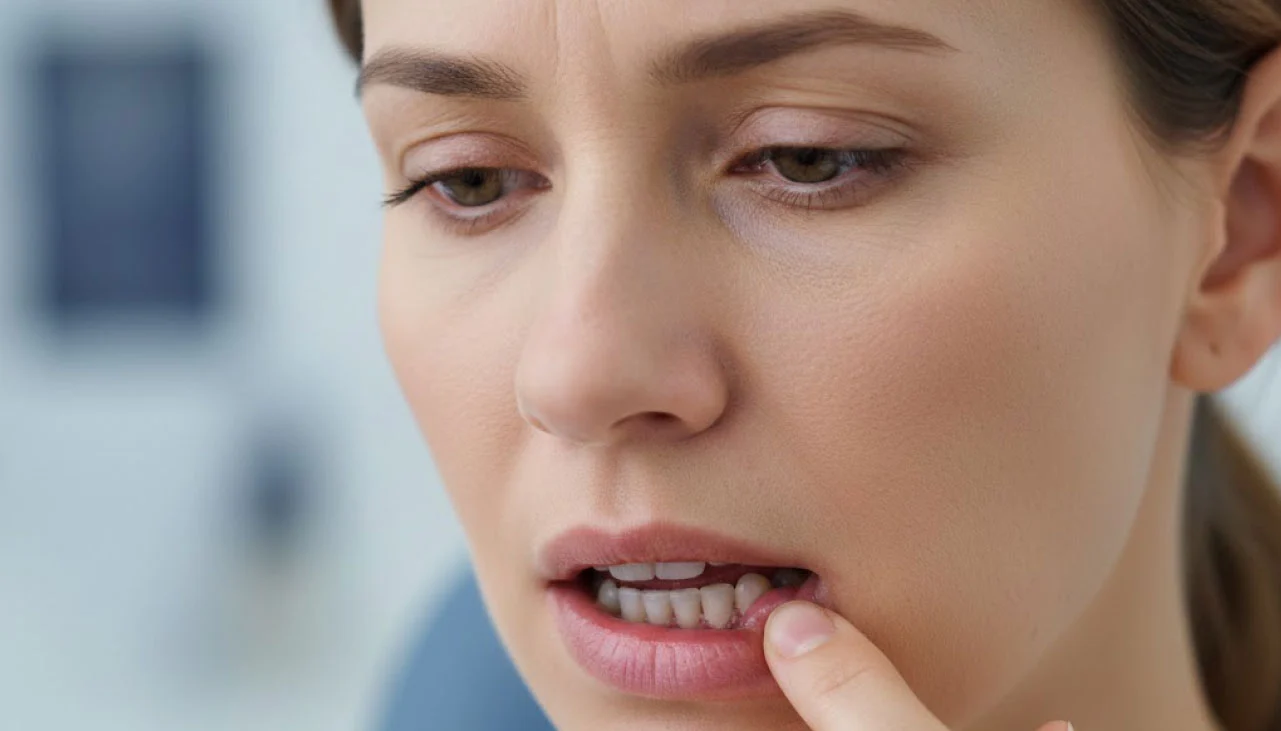
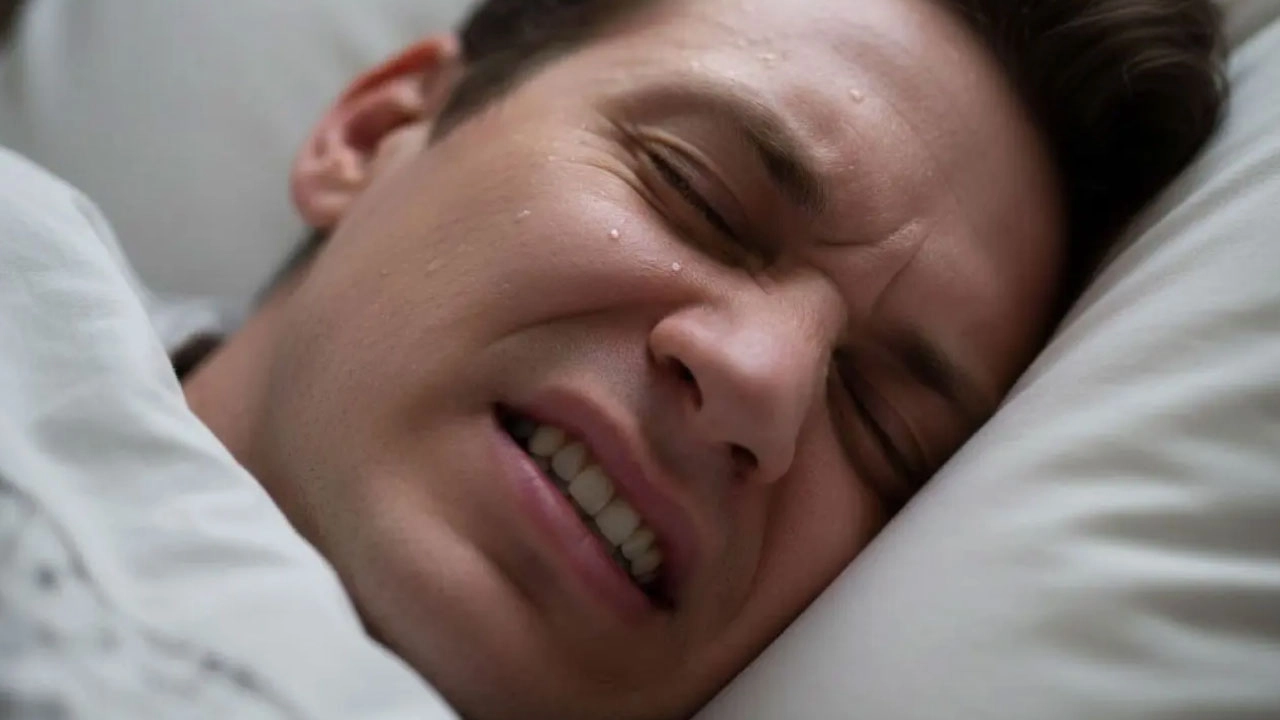
Biting teeth hard in sleep is most often caused by sleep bruxism. Sleep bruxism is a sleep-related movement disorder where a person clenches or grinds the teeth unconsciously during sleep. The condition places extreme pressure on teeth and jaw muscles and can damage oral health over time.
This guide explains what teeth grinding is, how to recognize it, why it happens, and what to do to protect your teeth and jaw.
Definition: What is teeth grinding?
Teeth grinding is the involuntary clenching, biting, or grinding of teeth. The medical term is bruxism (BRX). According to The Mayo Clinic, bruxism can occur during sleep or while awake and often happens without awareness.
When a person grinds teeth, the jaw muscles generate forces much stronger than normal chewing. Repeated pressure leads to tooth wear, jaw pain, headaches, and TMJ problems.

Teeth grinding during sleep and during the day
There are two main forms of bruxism:
- Sleep bruxism (SB): Grinding or biting teeth hard in sleep. This form is linked to sleep disorders such as sleep apnea.
- Awake bruxism: Clenching teeth during the day, often during stress or concentration.
Sleep bruxism causes more damage because the force lasts longer and remains unnoticed.
Centric and eccentric bruxism
Dentists also classify bruxism by movement:
- Centric bruxism: Teeth are clenched tightly without sliding. This causes muscle pain and jaw fatigue.
- Eccentric bruxism: Teeth grind and slide against each other, creating noise and enamel loss.
Both forms can occur together.
Teeth grinding in children and babies
Teeth grinding in babies and toddlers is common and usually harmless. It often starts when baby teeth erupt and helps shape the bite.
In older children, ongoing teeth grinding may signal stress, anxiety, or sleep problems. Persistent grinding after permanent teeth appear should be evaluated by a dentist.

Symptoms: How do I recognise teeth grinding?
Teeth grinding is usually recognized by symptoms rather than awareness. Many people learn about sleep bruxism from a partner or dentist.
Common signs include:
- Morning jaw pain
- Headaches after waking
- Tooth sensitivity
- Flattening of teeth
- Cracked teeth or chipped enamel
- Tight jaw muscles
- Chronic facial pain
Craniomandibular dysfunction (CMD)
Craniomandibular dysfunction (CMD) refers to pain and dysfunction of the jaw joint and muscles. Around 20–30% of people with sleep bruxism develop CMD.
CMD symptoms include:
- Jaw clicking or locking
- Pain in the face, neck, or shoulders
- Ear pain or pressure
- Tinnitus
- Limited mouth opening
CMD often overlaps with temporomandibular joint disorders (TMJ).
Excursus: Where can toothache radiate to?
Tooth and jaw pain can radiate to other areas due to shared nerves:
- Ears
- Temples
- Neck
- Shoulders
- Upper or lower jaw
This is why teeth grinding is sometimes mistaken for ear or sinus problems.

Consequences: What happens if I do not treat teeth grinding?
Untreated bruxism leads to progressive dental and jaw damage. Common consequences include:
- Wearing down and flattening of teeth
- Cracked or fractured teeth
- Breakage of fillings and crowns
- Loose teeth
- Inflamed gums
- Chronic headaches
- Jaw joint damage (TMJ disorder)
In severe cases of bruxism, dental procedures such as dental bonding, fillings, crowns, or bridges become necessary.
Causes: Why does teeth grinding occur?
Teeth grinding has multiple causes. Most people experience more than one trigger.
Stress and psyche
Stress and anxiety are the leading causes of sleep bruxism. Grinding acts as an unconscious outlet for tension. Many Americans experience increased teeth grinding during prolonged stress periods, as reported by The New York Times.

Clenched bite
An uneven bite, poorly fitted crowns, or misaligned teeth can trigger grinding as the jaw tries to self-correct.
Tension of the masticatory muscles
Jaw muscles shorten and tighten when they are underused or constantly tense. Soft diets and limited jaw movement increase muscle tension.
Unfavourable posture
Poor posture strains the neck and jaw muscles. Long hours at a desk with forward head posture increase jaw clenching at night.
Luxury food
Alcohol, caffeine, and tobacco increase nervous system activity and worsen nighttime teeth grinding.
Digression: Why do teeth grind after cola?
Cola contains phosphoric acid, which temporarily softens enamel. This rough surface can increase the sensation of grinding until saliva restores minerals.
Magnesium deficiency
Low magnesium levels increase muscle tension and cramping. Magnesium deficiency is linked to headaches, jaw tightness, and bruxism.
Medicines
Certain medications increase the risk of bruxism, including:
- Antidepressants
- ADHD medications
- Some neurological drugs

Diseases
Secondary bruxism occurs alongside medical conditions, including:
- Sleep apnea
- Dementia
- Parkinson’s disease
- Anxiety disorders
- Neurological conditions
Diagnosis: Which doctor helps with teeth grinding?
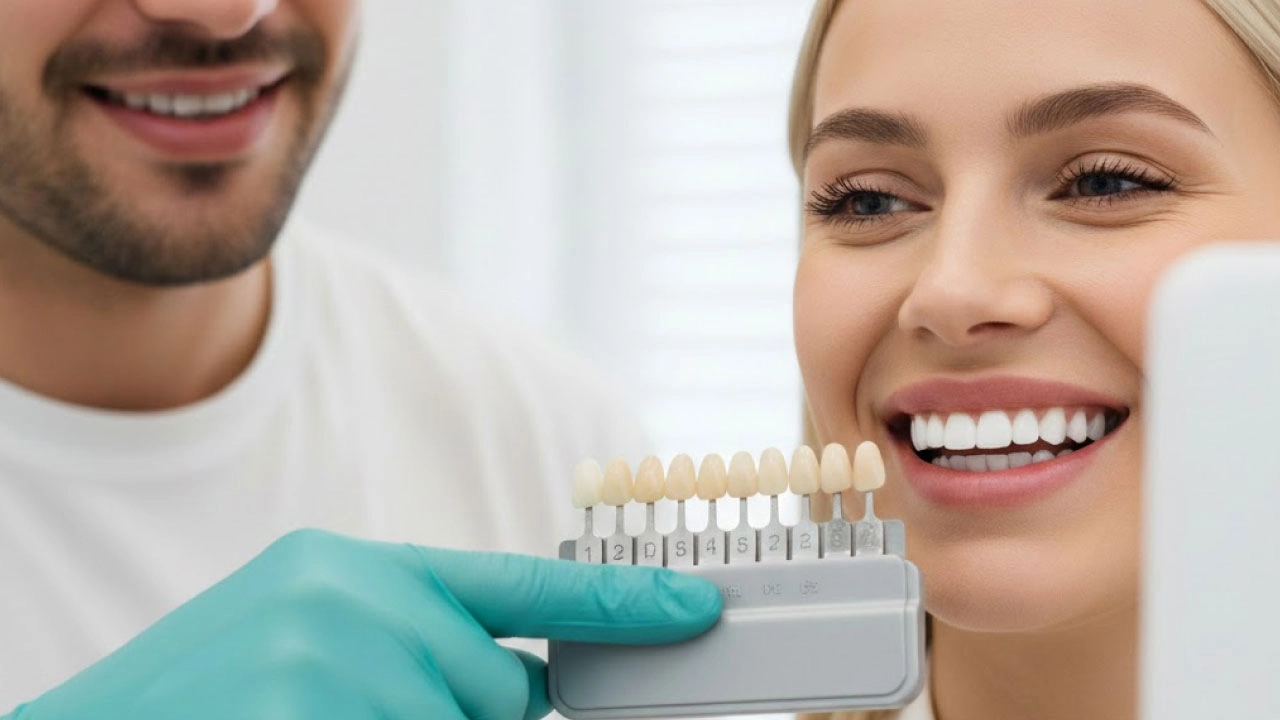
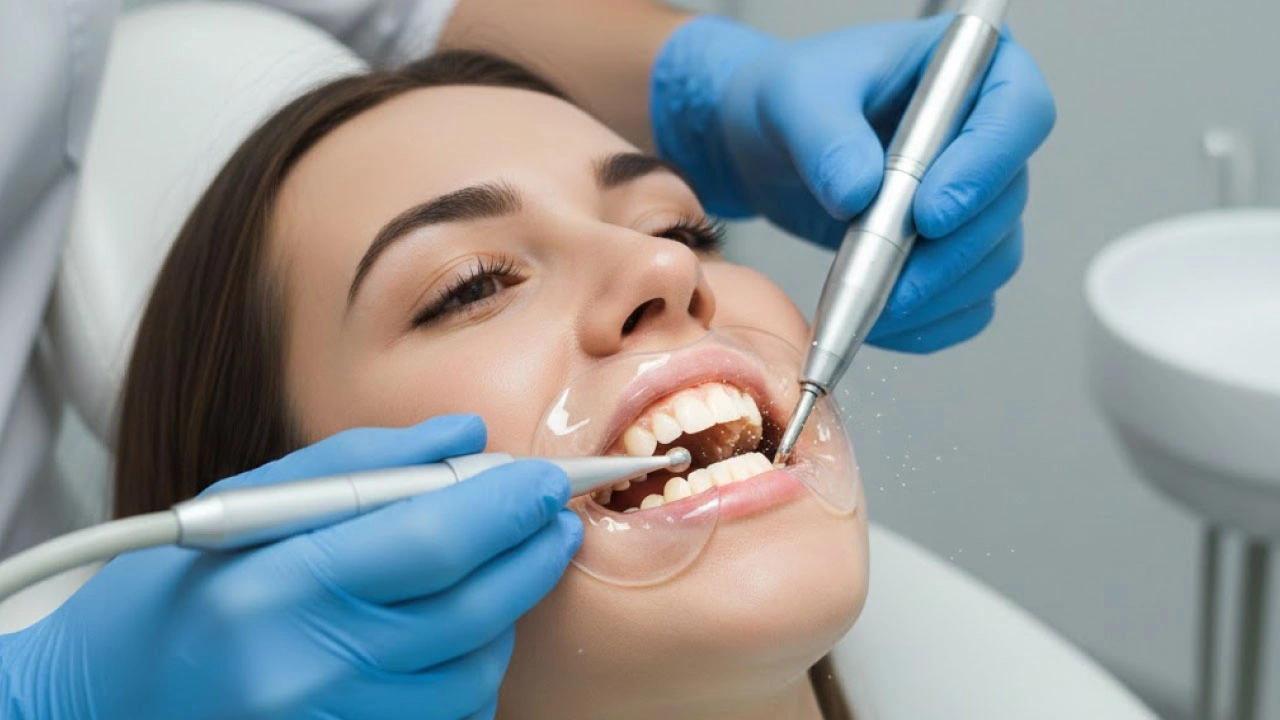
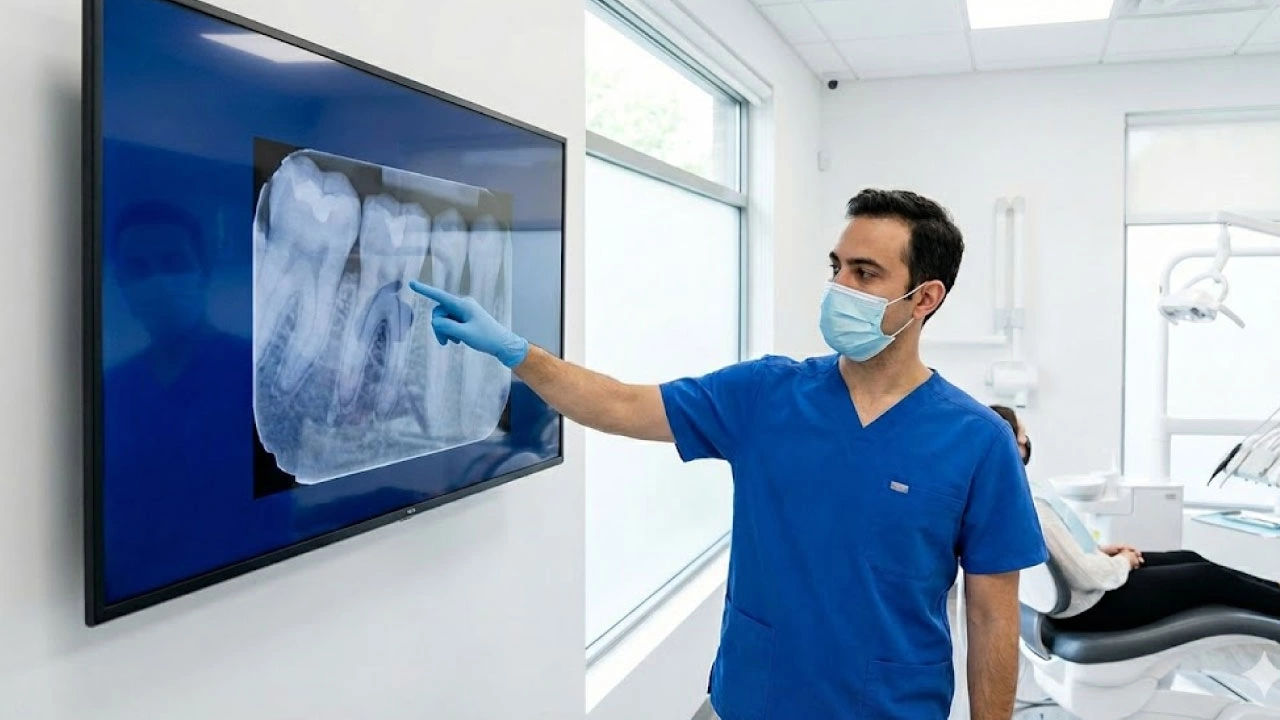
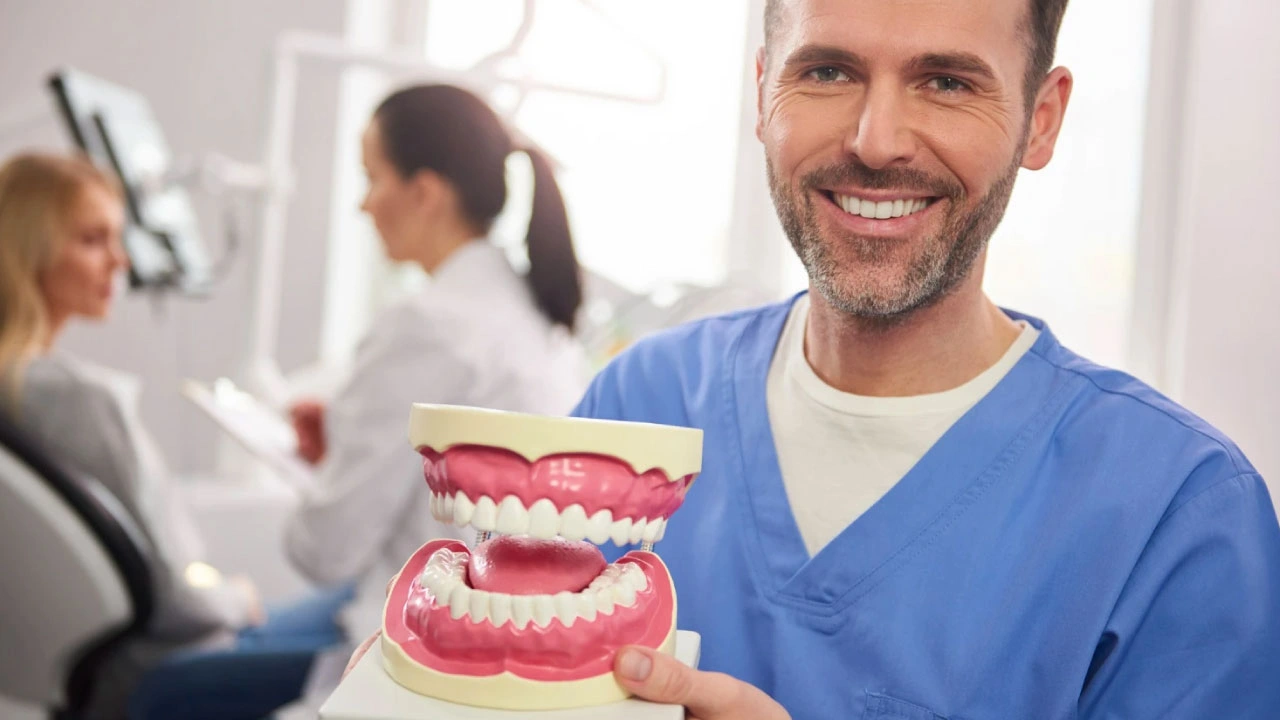
A dentist is the first doctor to diagnose teeth grinding. Dentists look for tooth wear, fractures, and jaw muscle tenderness.
In complex cases, referrals may include:
- Sleep specialists for sleep apnea
- Physiotherapists for muscle dysfunction
- Psychiatrists or counselors for stress-related bruxism
Treatment: What can I do about teeth grinding?
Teeth grinding treatment focuses on protection and cause control.
Splint against teeth grinding
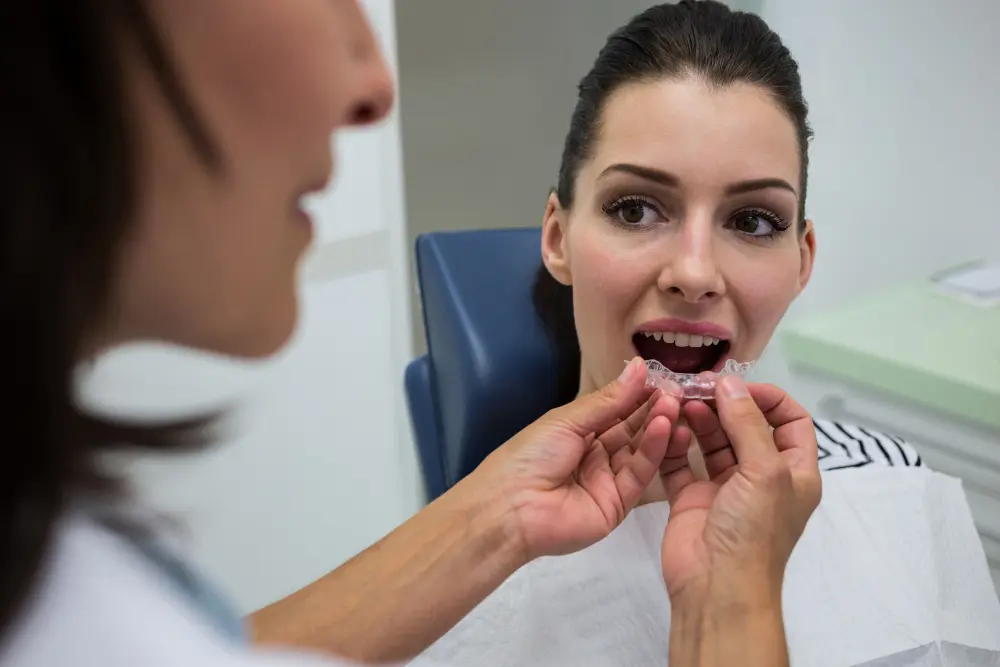
A custom night guard or mouthguard prevents direct tooth contact. Dentists often recommend a bite splint to protect enamel and fillings.
Exercises against teeth grinding
Jaw muscle exercises reduce tension and improve movement. Healthline.com recommends simple jaw-opening and tongue-position exercises.
Physiotherapy
Physiotherapy helps release muscle knots in the jaw, neck, and shoulders and improves posture.
Magnesium
Magnesium supplements relax muscles and may reduce nighttime jaw clenching when deficiency is present.
Medicines
Medication is reserved for severe cases of bruxism. Muscle relaxants or short-term medications may be prescribed under medical supervision.
Stress management
Stress-reduction techniques reduce grinding frequency. Proven methods include meditation, yoga, and breathing exercises.
Biofeedback therapy
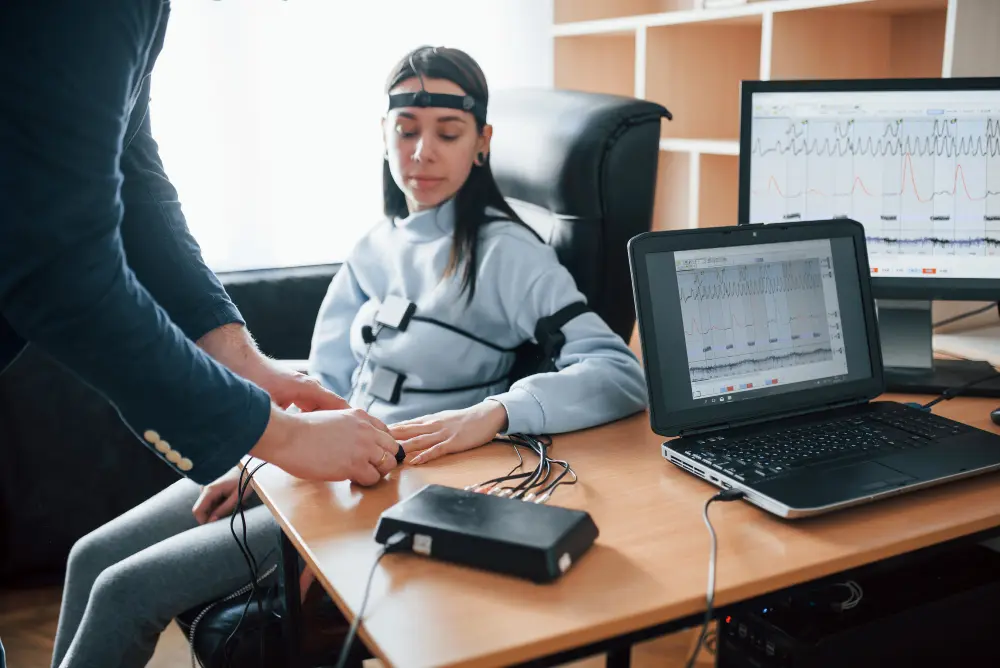
Biofeedback trains awareness of jaw tension and teaches relaxation responses before grinding starts.
Alternative methods
Some patients explore acupuncture or behavioral therapy. Results vary and should complement dental care.
Five tips to prevent teeth grinding
1. Integrate stress management into your everyday life
Daily stress control lowers nighttime jaw activity.
2. Give your chewing muscles variety
Eat firmer foods and stretch jaw muscles regularly.
3. Observe yourself
Notice daytime clenching and relax the jaw consciously.
4. Eat foods containing magnesium
Magnesium-rich foods include nuts, seeds, leafy greens, and whole grains.
5. Take good care of your teeth
Gentle brushing and regular dental visits protect weakened enamel. Brands like Curaprox focus on gum-friendly oral care.
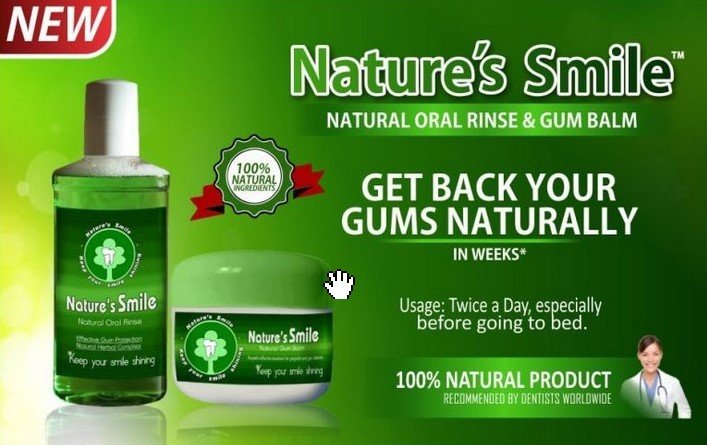
Because sleep bruxism can put extra pressure on the teeth and gumline, daily oral care becomes even more important for protecting the mouth from added irritation. Along with using a custom mouthguard and keeping up with dental visits, some people add a gum-support product to their routine for extra care at home. Nature’s Smile is sometimes used as a herbal gum-care option by people who want added support for fresher breath and healthier-looking gums, especially when clenching or grinding leaves the mouth feeling sore or stressed. It works best as part of a broader oral care routine, not as a replacement for professional evaluation or bruxism treatment.
Bruxism Causes – What We Know
Bruxism results from a combination of stress, muscle tension, bite problems, and sleep disorders. No single cause explains all cases.
Stress and Oral Health
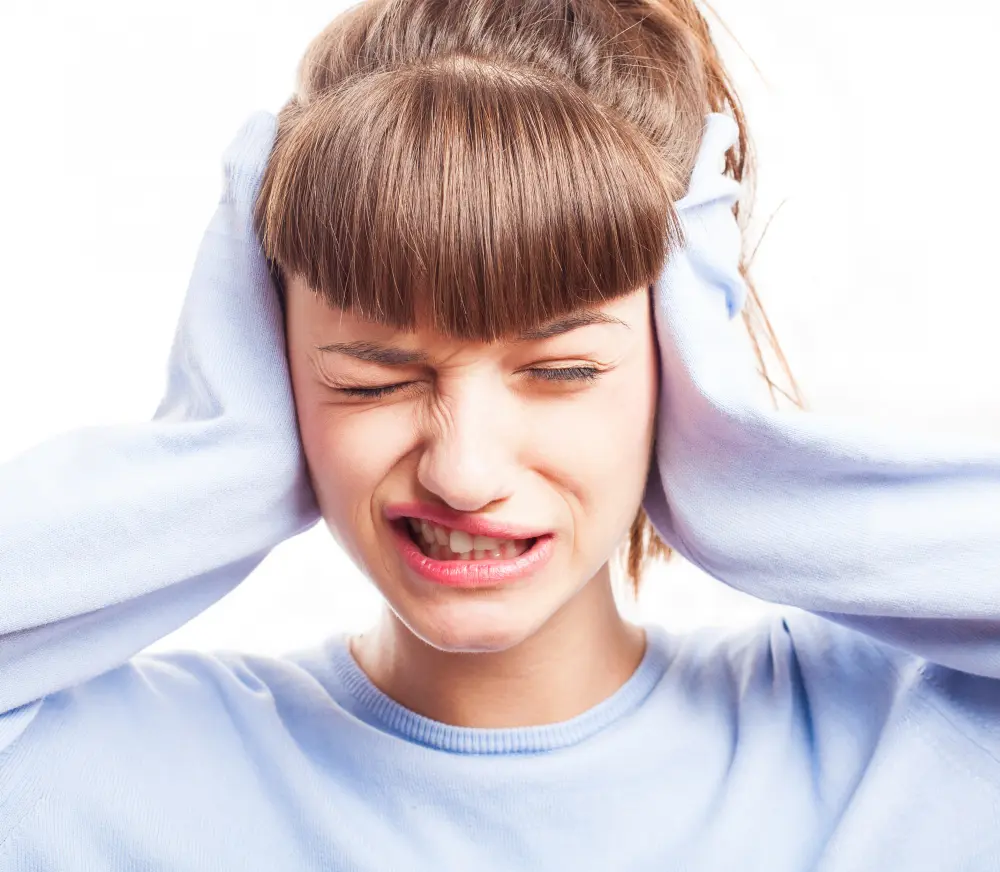
Stress directly affects oral health. Anxiety-driven clenching leads to cracked teeth, inflamed gums, and jaw pain. Dentists report increased fractured teeth linked to chronic stress.
What are the side effects and complications of teeth grinding?
There are 8 common complications of teeth grinding:
- Headaches
- Pain in the jaw, face, and ears
- Flattening of teeth
- Loose or painful teeth
- Cracked or fractured teeth
- Breakage of fillings and crowns
- Chronic ear pain
- TMJ disorders
Teeth Grinding Spike
Recent stress trends have caused a spike in teeth grinding. The New York Times highlights posture changes, insomnia, and delayed dental care as key contributors.
What to Do to Stop Bruxism?
Protect your teeth first, then reduce triggers. Use a mouthguard, address stress, correct posture, and manage sleep quality.
Talking to a therapist, counselor, or psychiatrist helps when anxiety or emotional stress drives bruxism.
When to seek help
Seek help if teeth grinding causes pain, cracked teeth, or jaw locking. Early treatment prevents permanent damage.
Solution for Grinding Your Teeth – Mouthguard
A custom mouthguard is the most effective solution for grinding your teeth. It protects enamel, fillings, crowns, and jaw joints while long-term causes are addressed.
If you bite teeth hard in sleep, a dentist-made mouthguard offers immediate protection and long-term oral health support.
Conclusion
If you are biting teeth hard in sleep, the problem should not be ignored because ongoing sleep bruxism can damage teeth, strain the jaw, and irritate the gums over time. The most effective approach is to protect the teeth with a custom mouthguard while also addressing common triggers such as stress, poor sleep, posture issues, and muscle tension. Strong daily oral hygiene also plays an important role in reducing the effects of grinding on the teeth and gumline. For people who want to support their at-home gum-care routine, adding Nature’s Smile alongside brushing, flossing, and regular dental care may help create a more complete oral health plan.