“How many veneers should I get?” means determining the correct number of veneers to create a natural balanced smile without treating teeth that do not need cosmetic improvement. The answer depends on your smile goals, visible teeth, face shape, tooth shape, oral health, and long-term treatment plan.
This guide explains:
- What porcelain veneers are and what they improve
- How many veneers people typically get
- Which teeth usually receive veneers
- What influences the ideal number of veneers
- Alternatives such as whitening, bonding, or orthodontics
- What happens during consultation, prep, and delivery
Getting dental veneers can improve discolored teeth, chipped teeth, gaps, minor misalignment, and symmetry. The main benefit of choosing the right number of veneers is achieving a natural-looking smile while preserving healthy enamel. The main use of veneers is targeted cosmetic dentistry that improves the entire smile without unnecessary treatment.
Veneers 101: What They Are and What They Can Improve
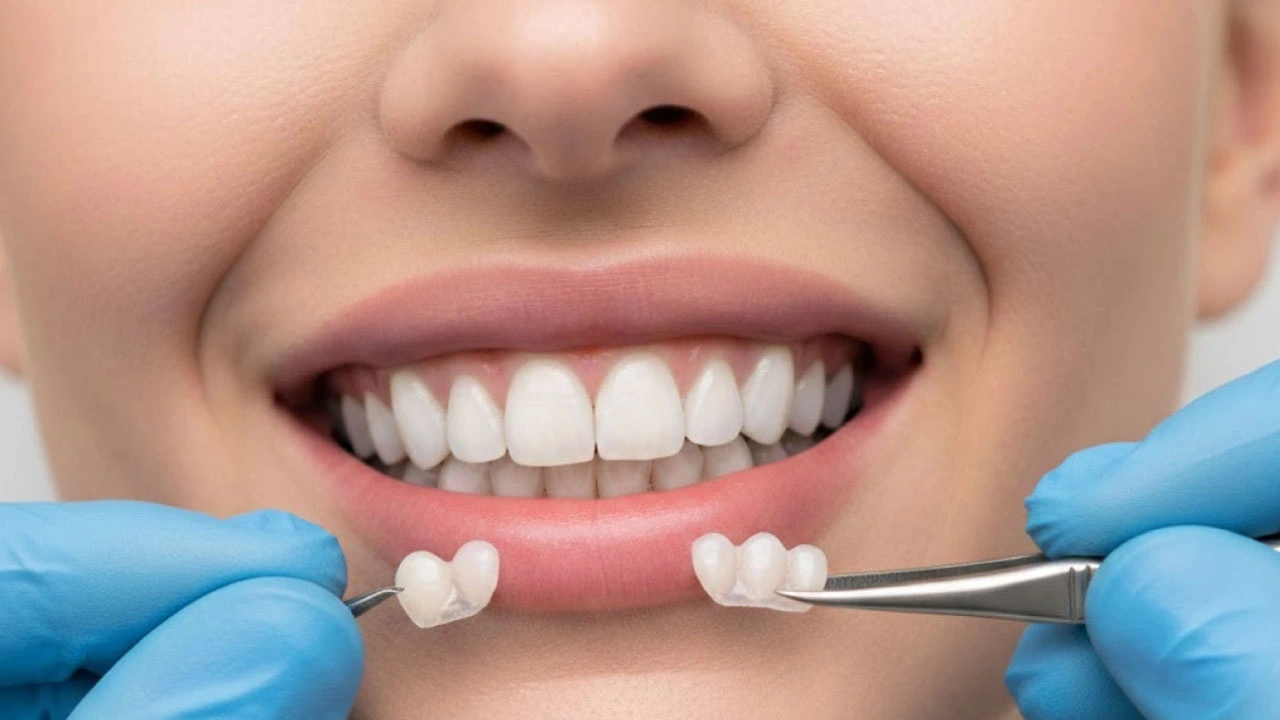
Porcelain veneers (PV) are thin ceramic shells bonded to the front surface of teeth. They are a cosmetic dentistry solution designed to improve shape, color, length, and alignment.
Porcelain veneers improve:
- Discolored teeth resistant to whitening
- Chipped teeth
- Minor imperfections
- Small gaps
- Uneven tooth shape
- Mild crowding
Porcelain veneers are fabricated in a dental laboratory using shade matching and translucency control to blend with adjacent teeth. Composite Veneers (CV) and Lumineers (LM) are alternative material options.
Veneers address discoloration and symmetry while preserving most natural tooth structure.
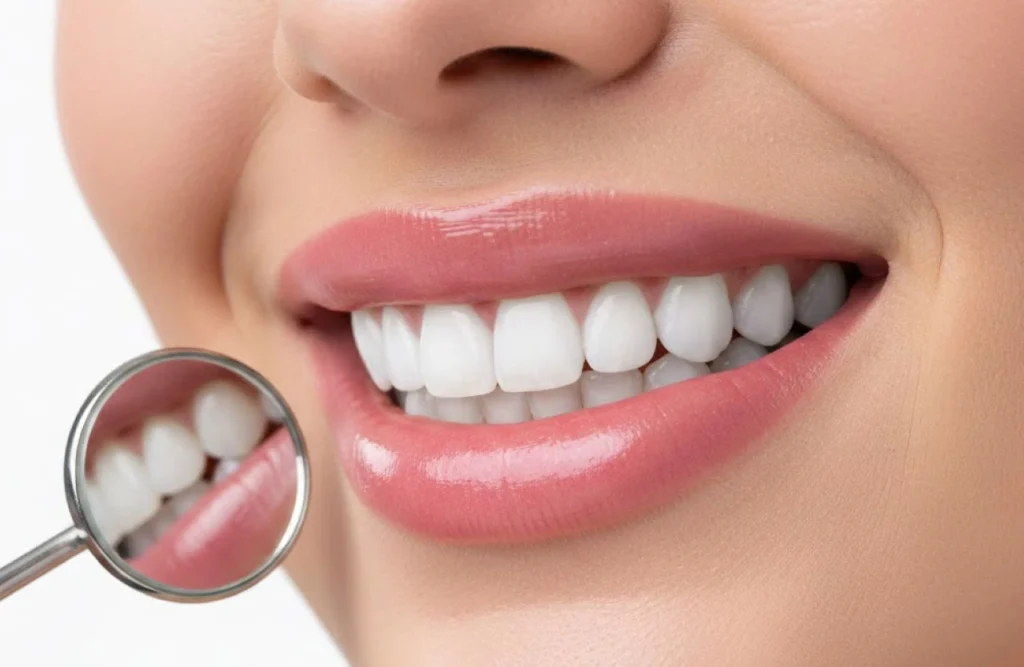
Less is More: Perfecting your smile, without overhauling it.
You do not need to veneer every tooth to improve your smile.
If you have one chipped tooth, one veneer may be enough. If you have two discolored front teeth, two veneers may correct the issue. A conservative approach can:
- Minimize tooth reduction
- Preserve enamel thickness
- Reduce cost
- Improve long-term maintenance
Cosmetic improvement should focus on visible teeth and targeted imperfections.
How Many Veneers Do You Typically Need?
Most people get between 4 and 10 veneers on the upper arch. Some need only 1 or 2. A full mouth aesthetic case may involve 16–20 veneers.

If You Have One or Two Problem Teeth
You need 1–2 veneers, if you have:
- One chipped tooth
- One dark tooth
- One misshapen tooth
A single porcelain veneer is possible. Matching adjacent teeth requires dental expertise, shade matching, and collaboration with a dental laboratory.
If You Want to Improve the Front Teeth
You need 4–6 veneers, if you want to improve the most visible front teeth.
These usually include:
- 2 central incisors
- 2 lateral incisors
- Sometimes 2 canines
This range improves symmetry without extending too far back.
If You Want a Full Smile Makeover
You need 8–10 veneers, if you show more teeth when smiling.
These typically include:
- Central incisors
- Lateral incisors
- Canines
- First premolars
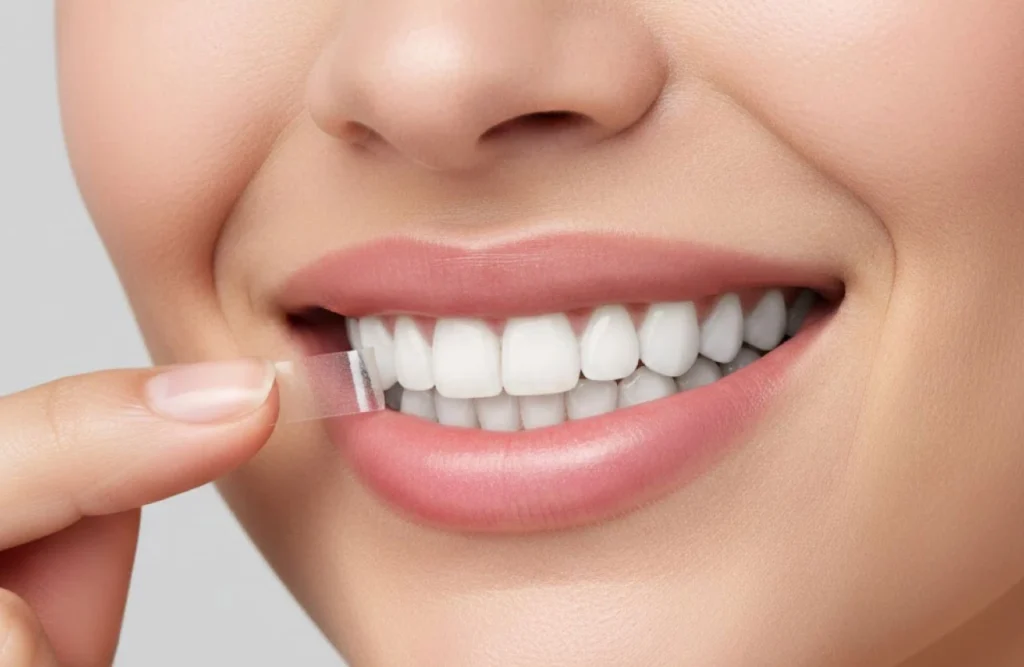
This range creates a full mouth aesthetic appearance for wide smiles.
Typical Veneer Ranges
There are 4 common veneer ranges:
- 1–2 veneers → Target specific imperfections
- 4 veneers → Improve front symmetry
- 6 veneers → Social six coverage
- 8–10 veneers → Broader visible teeth coverage
- 16–20 veneers → Full mouth veneers (upper and lower)
The ideal number veneers depends on visible teeth, face shape, tooth shape, and smile goals.
Why You Usually Don’t Veneer Every Tooth
Molars are not highly visible and are built for heavy chewing. Veneers are a cosmetic restoration, not a strength restoration.
Back teeth with damage are better treated with dental crowns. Veneers are primarily placed on visible teeth to improve aesthetic outcomes.
You usually do not veneer molars.
There are 3 main reasons:
- Molars handle heavy chewing forces.
- Molars are rarely visible in a natural smile.
- Crowns are better for heavily damaged back teeth.
Veneers focus on cosmetic zones. Veneering every tooth increases cost and maintenance without improving appearance.
Which Teeth Typically Receive Veneers—and Why
Dentists focus on teeth visible in the smile line.
The “Social Six”
The upper front six teeth are most visible when smiling or speaking. These teeth often receive veneers first because they define the smile line.
These teeth determine:
- Smile appearance
- Facial symmetry
- First impressions
Veneers on these teeth create immediate cosmetic improvement.
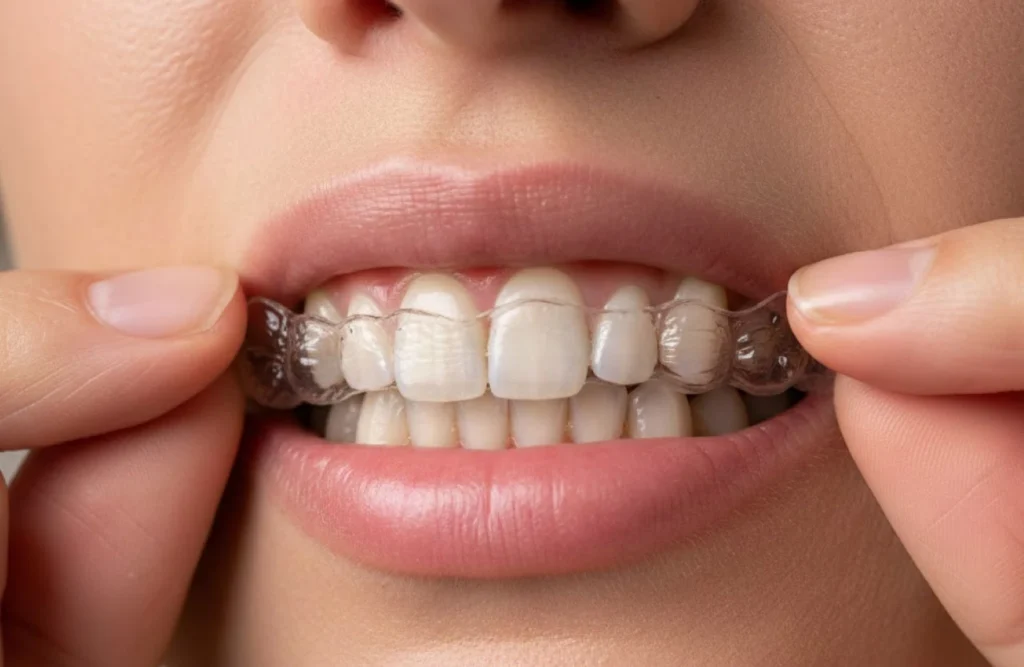
Extending Toward Canines and Premolars
If you have a wide smile, visible teeth extend toward premolars. Adding veneers here prevents contrast between veneered and natural teeth.
This extension supports a natural balanced smile.
What About Bottom Teeth?
Most patients do not need lower veneers.
Lower teeth receive veneers if:
- They show prominently
- There is discoloration
- Symmetry requires balance
Lower teeth also experience stronger bite contact. Consider bite alignment before adding lower veneers.
When Fewer Veneers Are Enough
Fewer veneers are enough when:
- Imperfections are isolated
- Whitening can match surrounding teeth
- Enamel thickness is limited
- Budgetary veneer limitations exist
Assess gum health and existing damage before deciding.
What Influences How Many Veneers You May Need
There are 10 main factors that determine the ideal number of veneers:
Your Smile Goals: Define whether you want subtle refinement or full mouth aesthetic change.
Your Timeline: Prioritize visible teeth first, if you have a limited schedule.
Tooth Color and Whitening Plans: Whiten natural teeth first to reduce number of veneers needed.
Tooth Alignment and Shape: Straighten teeth first with orthodontics, if alignment issues are significant.
Budget and Long-Term Planning: Veneers cost per tooth. Many patients phase treatment.
How Many Teeth Show When You Smile: Evaluate lip line and visible teeth during a digital scan.
What You Want to Change: Target specific imperfections such as chipped teeth or discolored teeth.
Symmetry and Balance: Place veneers in even numbers to achieve smile symmetry.
Your Personal Goals: Match treatment plan to desired outcome.
Cost: Porcelain veneers cost $1,500–$2,500 per tooth in the United States.
Your Oral Health: Treat decay or gum disease first. Assess gum health and enamel thickness before treatment.
Assessing Individual Needs and Tailoring Treatment
Assessing individual needs begins with high quality photos, retracted images, and digital scan records. A smile simulation helps preview the natural smile outcome.
What’s the Deal with the ‘4, 8, 10’ Rule?
The “4, 8, 10” rule refers to common veneer groupings. It is not mandatory. The correct amount depends on face shape, tooth shape, and visible teeth.
Dentists recommend 8 veneers often because 6 may stop too early, exposing untreated adjacent teeth. The rule is a guideline. The treatment plan should reflect your visible teeth and aesthetic goals.
Can I Have Just One or Two Veneers? Is a Single Tooth Veneer Possible?
Yes. A single veneer is possible. It requires advanced shade matching and dental expertise to match adjacent teeth.
Single-tooth veneers are effective for correcting chips, shape issues, or isolated stains.
Do You Need a Full Set of Veneers?
No. Full mouth veneers (FMV) are only necessary in cases of extensive wear, discoloration, or major aesthetic issues.
Full mouth veneers typically mean:
- 8–10 upper veneers
- 6–10 lower veneers
Full sets are appropriate when multiple teeth have wear, severe discoloration, or structural issues. Most patients do not need veneers on every tooth.
What to Expect When Choosing Fewer vs. More Veneers
Choosing fewer veneers:
- Preserves enamel
- Reduces cost
- Limits maintenance
Choosing more veneers:
- Improves uniformity
- Improves color consistency
- Creates broader smile enhancement
Both options can achieve a natural balanced smile.
Alternatives and Complementary Treatments to Veneers
- Teeth Whitening: Brightens untreated teeth and reduces veneer count.
- Dental Bonding: Corrects minor chips and gaps at lower cost.
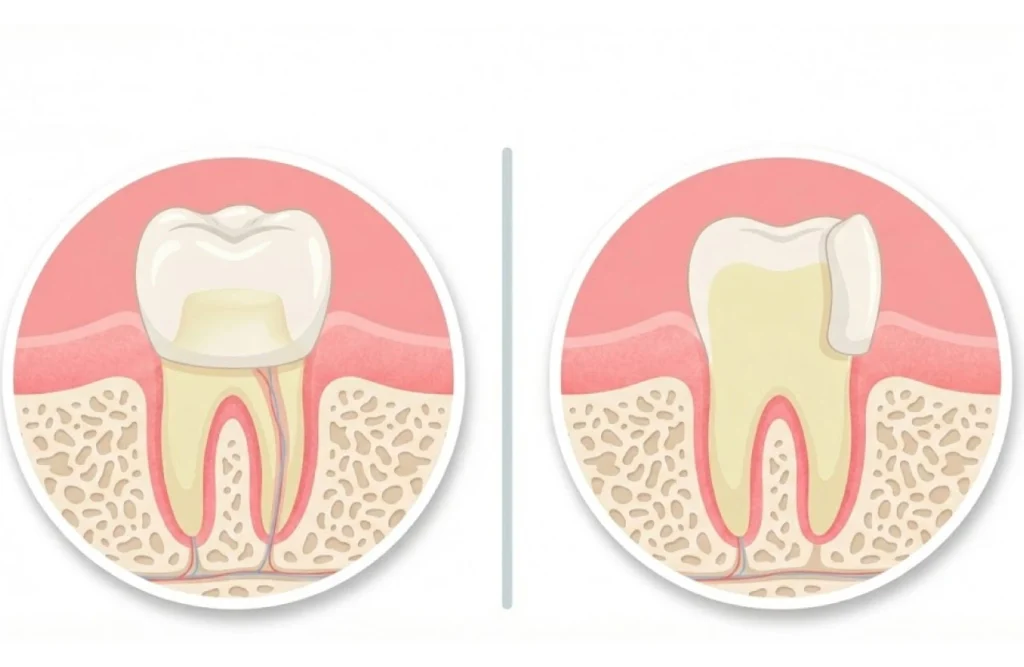
- Dental Crowns (For Back Teeth or Heavily Damaged Teeth): Crowns restore strength for molars and structurally compromised teeth
- Invisalign or Orthodontics Before Veneers: Straightens teeth and reduces need for excessive veneer placement. Orthodontics corrects alignment and reduces unnecessary tooth reduction.
Choosing The Right Dentist
Choose a dentist with:
- Proven veneer cases
- Digital assessment tools
- 3D digital scan technology
- Smile simulation software
- Strong partnership with a dental laboratory
Advanced cosmetic dentistry requires both technical skill and aesthetic judgment.

Opting For Minimal Intervention
Minimal intervention means:
- Evaluate enamel thickness
- Address existing damage
- Prioritize functional needs
- Plan long-term results
Preserve natural teeth whenever possible.
What Else Should I Know About Getting Veneers?
The Process of Getting Veneers
Most veneer procedures require 4 visits.
Step #1: Consultation & Assessment
Includes Consultation & Assessment, high quality photos, digital scan, and smile simulation.
Step #2: Prep Appointment
Teeth are prepared and temporaries placed.
Step #3: Re-Evaluation Appointment
Review temporaries, refine details, confirm final design with dental laboratory.
Step #4: Delivery of Final Veneers
Final Porcelain Veneers are bonded and bite adjusted.
How Long Veneers Last
Porcelain veneers last 10–20 years with proper care. Maintenance includes brushing twice daily and regular dental visits.
How Much Veneers Cost
Average cost per porcelain veneer: $1,500–$2,500. Full mouth aesthetic treatment can exceed $20,000 depending on number of veneers.
What to Expect During Your Veneer Consultation
Smile Evaluation: Assess face shape, tooth shape, lip line, gum health.
Discussion of Goals: Define cosmetic improvement expectations and desired outcome.
Treatment Options: Review porcelain veneers, composite veneers, orthodontics.
Customized Plan: Create a treatment plan based on desired outcome and visible teeth.

Frequently Asked Questions About Veneers
What is considered a full set of veneers?
A full set usually means 10 upper and 10 lower veneers, but it depends on smile width.
Can I get just one veneer?
Yes. One veneer can correct a single damaged tooth.
How many veneers do most people get?
Most people get 6–8 upper veneers.
Do I need veneers on my bottom teeth?
No, unless lower teeth are visible and affect symmetry.
Will my smile look natural if I don’t veneer every tooth?
Yes, if shade matching and smile design are done properly.
How many veneers do I need for a full mouth?
Full mouth cases usually require 16–20 veneers.
How many veneers should I get?
Get the number that matches your smile goals, visible teeth, and treatment plan.
How many teeth do you get veneers on?
Most patients treat upper front 6–8 teeth.
Can you get veneers on just the 2 front teeth?
Yes, 2 front veneers correct chips or discoloration effectively.
What about veneers on 4 front teeth only?
Four veneers improve central symmetry without extending to canines.
What does 4 veneers on front teeth before and after typically look like?
Four veneers typically improve color uniformity, edge alignment, and smile symmetry while maintaining a natural smile.
What does “veneer front teeth” mean?
It means placing veneers on visible front teeth.
How old do you have to be to get veneers?
Late teens or older, once adult teeth are fully developed.
What’s the difference between getting 6 veneers vs 8 veneers?
Six veneers cover central visible teeth. Eight extend coverage for wider smiles.
The Takeaway
The correct number of veneers depends on visible teeth, smile goals, oral health, and long-term planning. Most people need 4–8 veneers, not a full mouth.
Assessing individual needs and tailoring treatment creates a natural balanced smile while preserving healthy teeth. A personalized treatment plan ensures the veneers right amount for your face shape, tooth shape, and desired outcome.