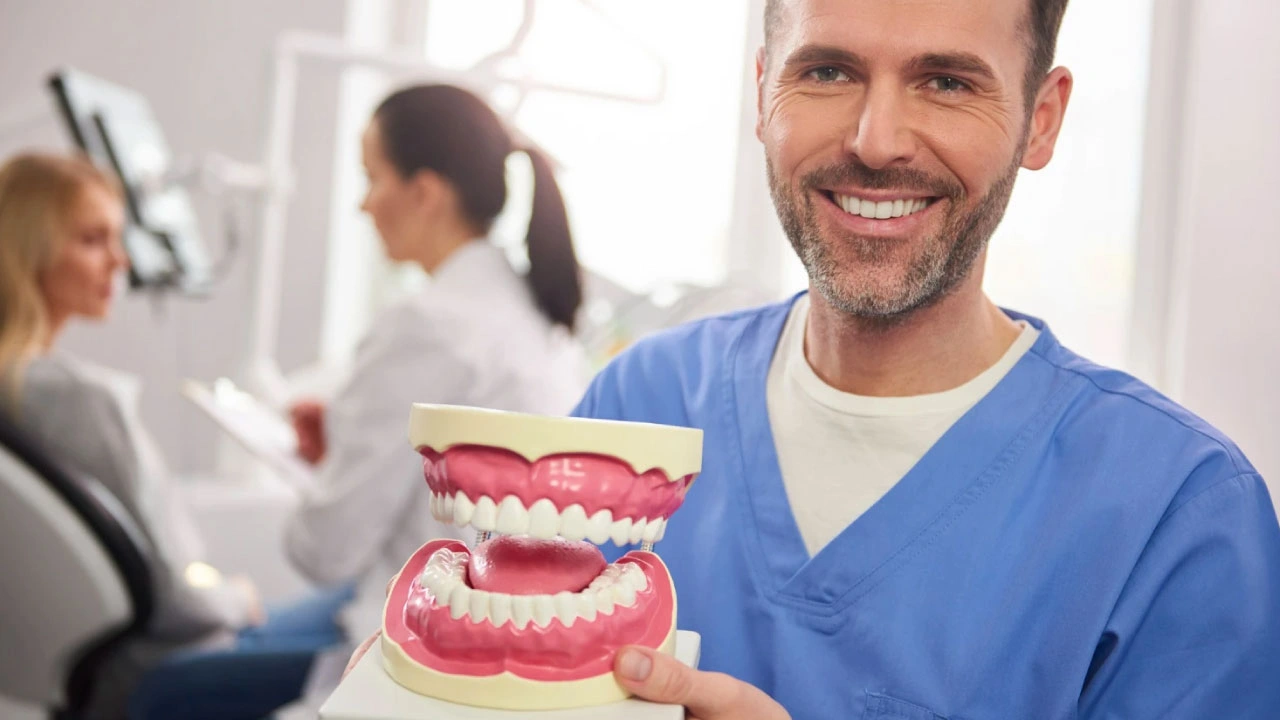
The Dental Implants Guide 2026 explains how dental implants replace a missing tooth, how the dental implant procedure works, how long healing time takes, what the cost of dental implants includes, and how to care for the final restoration. This Dental Implants 2026 guide follows the full journey: assessment and planning, implant placement, osseointegration, abutment fitting, and crown delivery.
Dental implants act as an artificial tooth root placed in the jawbone to support a crown, bridge, or denture. The main benefits include stable chewing function, preserved bone levels, and a long term replacement that feels closer to natural teeth. The main uses include replacing a single tooth implant, supporting multiple implants, or restoring full arch implants such as All-on-4 and All-on-6. The main parts include the implant screw, abutment, and final restoration.
This Implants Guide 2026 provides structure, timelines, risks, cost drivers, and alternatives so you can understand each stage before starting a treatment plan.
What Are Dental Implants?
Dental implants are titanium or zirconia posts placed into the jawbone to replace the tooth root of a missing tooth and support a crown, bridge, or denture. After healing, the implant becomes stable through osseointegration, which means the bone bonds directly to the implant surface.
The U.S. Food and Drug Administration (FDA) regulates dental implant systems as medical devices. Common implant manufacturers include Nobel Biocare, Straumann, and Dentsply Sirona.
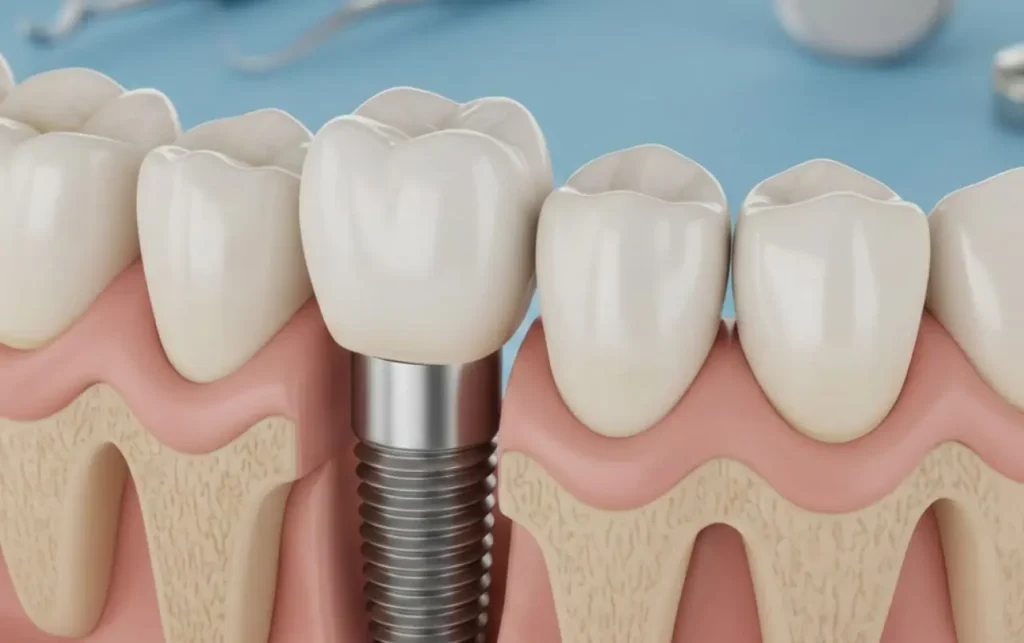
There are two main material types:
- Titanium Implants: Most widely used. Strong and well studied.
- Zirconia Implants: Metal free ceramic option. Known for Zirconia Implant Aesthetics in thin gum tissue.
Dental implants vs bridges vs dentures (simple difference)
- Implant: Replaces the tooth root in the jawbone and supports a crown. Does not rely on adjacent natural teeth.
- Bridge: Uses neighboring teeth as support to replace a missing tooth.
- Denture: Removable appliance that rests on gum tissue and replaces missing teeth.
Who are dental implants for?
Dental implants are for adults who:
- Have one or more missing teeth
- Want a stable long term replacement
- Have adequate bone support or are willing to undergo bone grafting
- Maintain good gum health and oral condition
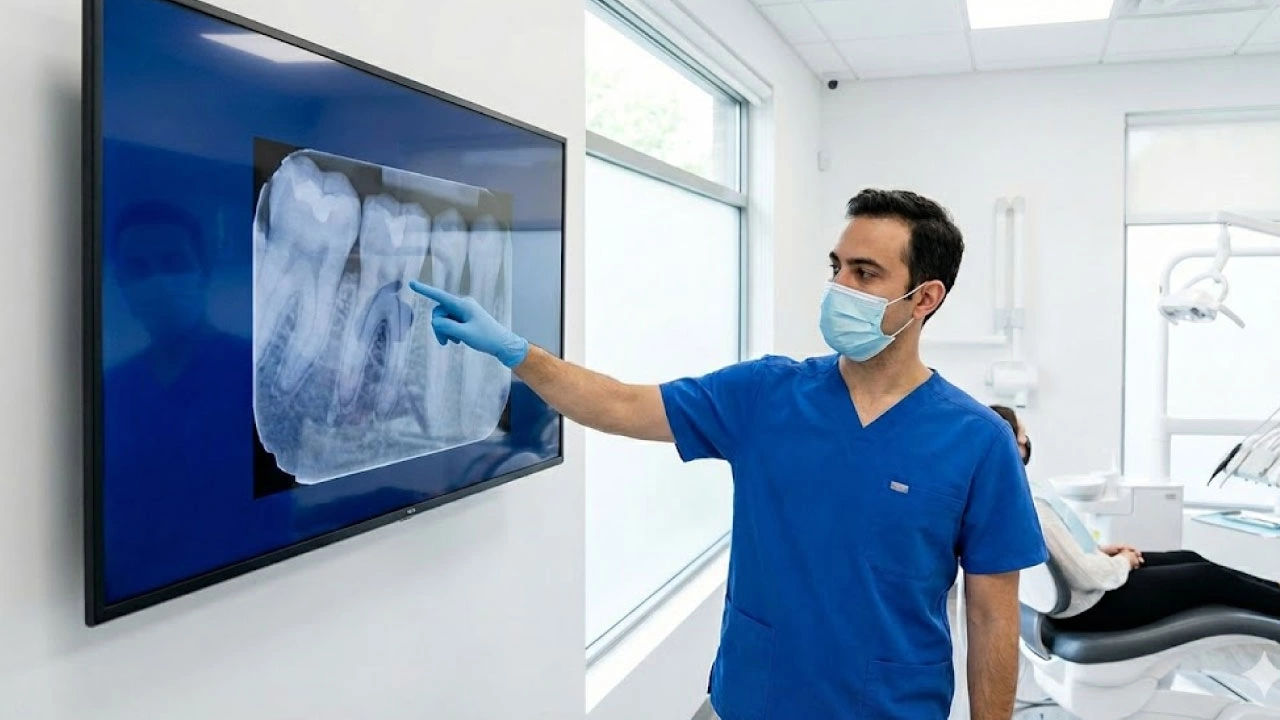
A dentist confirms suitability after an exam, imaging, and a structured treatment plan. Assessment may include a panoramic X ray and 3D imaging such as Cone Beam CT for bone levels and nerve position review.
Benefits of Dental Implants
There are 6 main benefits dental implants provide:
- Stable chewing function – Restores bite force close to natural teeth.
- Bone preservation – Stimulates the jawbone and reduces bone loss.
- Improved appearance – Supports facial structure and gum contour.
- Independent support – Does not rely on adjacent teeth like a dental bridge.
- Long term performance – 10 year survival rates are reported above 95% in large reviews.
- Full arch rehabilitation options – Supports solutions such as All-on-4 developed by Dr. Paulo Malo.
Osseointegration Success Factors include bone quality, implant positioning, and controlled healing.
Types of dental implants
There are 3 main restorative categories:
1) Single tooth implant
One implant + one crown. Used when one missing tooth is present.
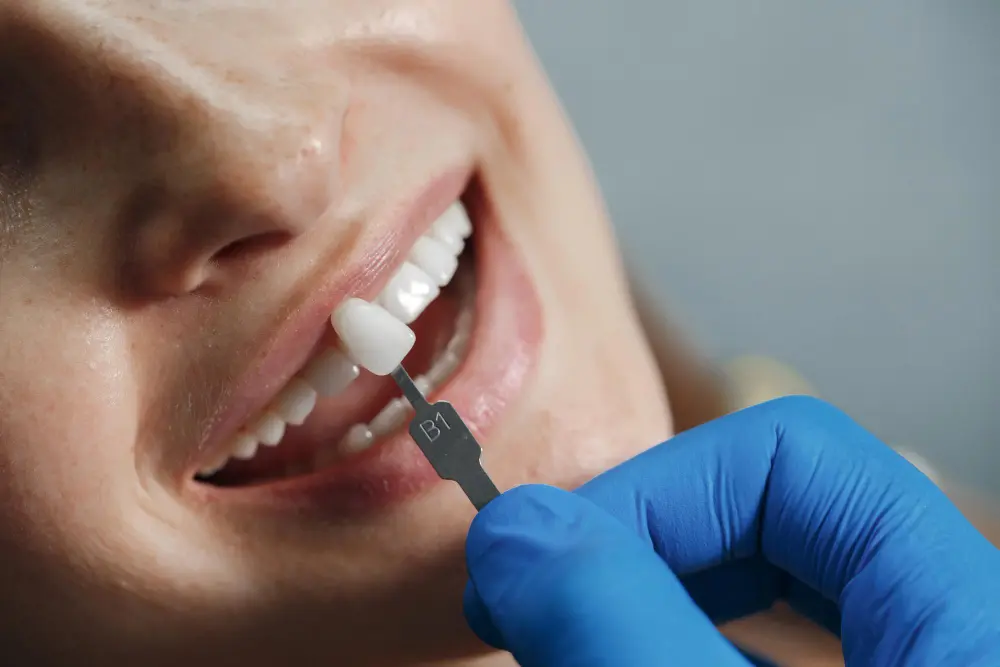
2) Multiple implants
Several implants support individual crowns or an implant supported bridge.
3) Full arch implants
Full arch implants restore all teeth in one jaw using fewer implants. Options include All-on-4, All-on-6, and Implant Supported Dentures.
Immediate Load Implants may allow temporary teeth placement on the same day, if primary stability is strong.
The Dental Implant Procedure
The Dental Implant Procedure follows 5 defined stages.
Initial Consultation and Evaluation
Assessment and planning include:
- Clinical exam
- Imaging (panoramic X ray, 3D imaging)
- Review of gum health, bite, bone levels
- Custom treatment plan
Digital Implant Workflow and 3D Printed Surgical Guides improve implant positioning accuracy.
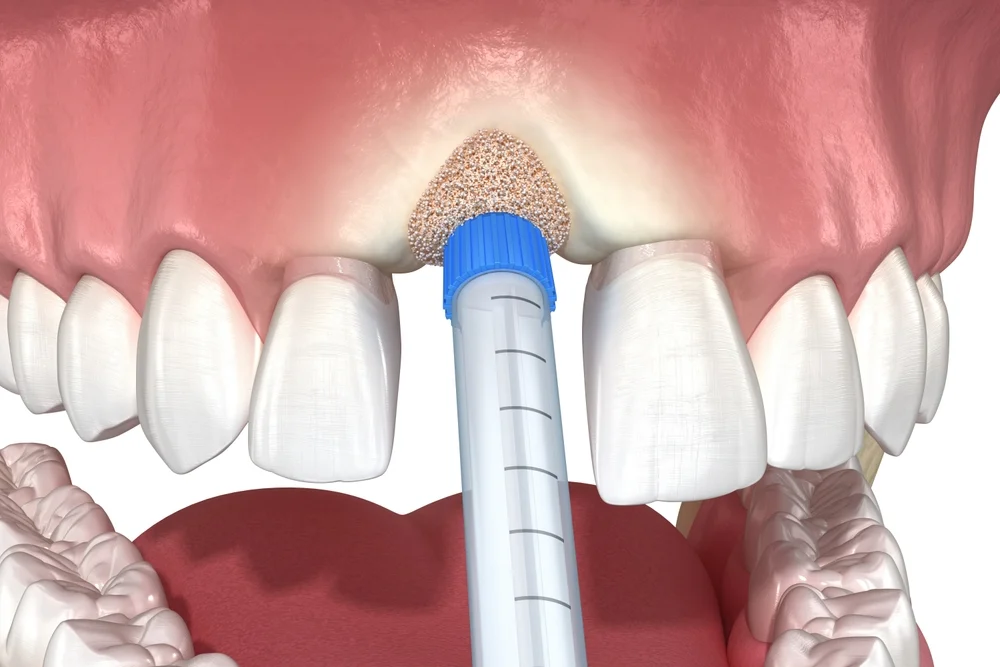
Bone Grafting (If Necessary)
Bone grafting strengthens areas with limited bone support. Guided Bone Regeneration and Ridge Augmentation Procedures increase bone volume before implant placement.
Healing after grafting may take 3–6 months (12–24 weeks).
Implant Placement Surgery
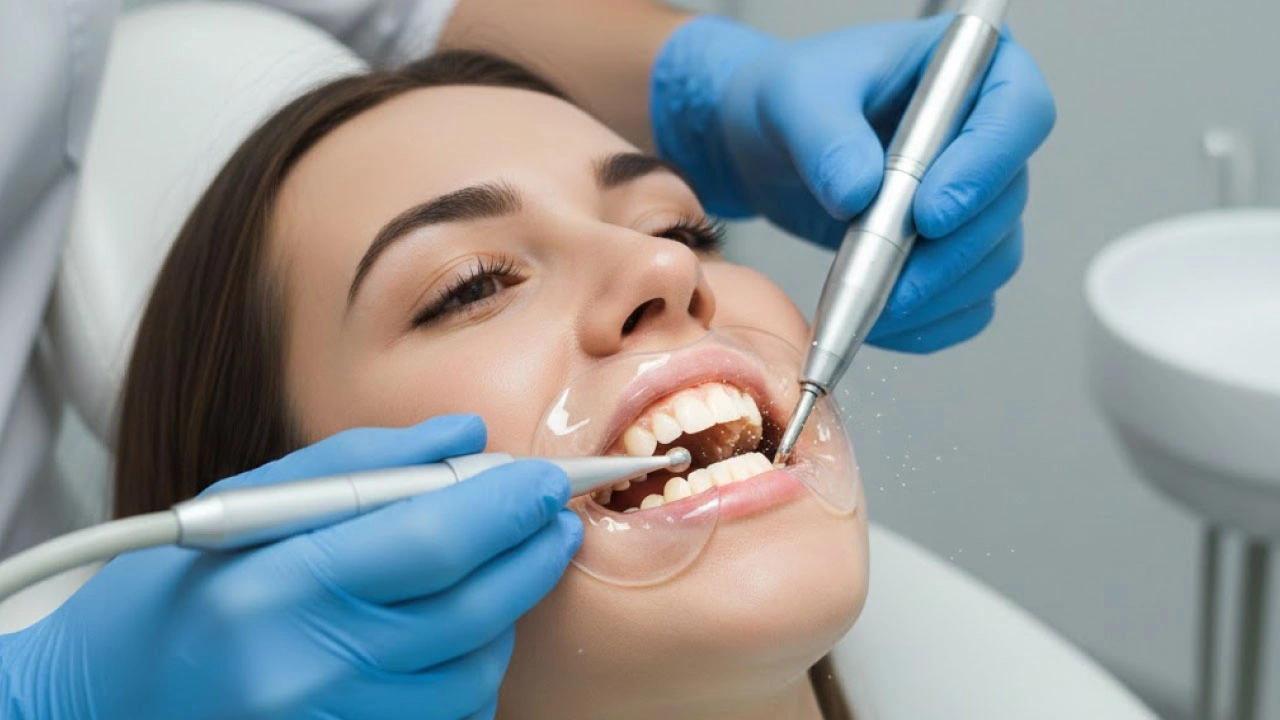
Implant placement involves inserting the dental implant into the jawbone under local anaesthesia. The implant inserted stage usually takes 30–90 minutes per implant.
Minimally Invasive Implantology techniques reduce tissue trauma.
Abutment Placement
After healing, a connector called an Abutment is attached. Patient Specific Abutments improve crown alignment and bite control.
Placement of the Artificial Tooth
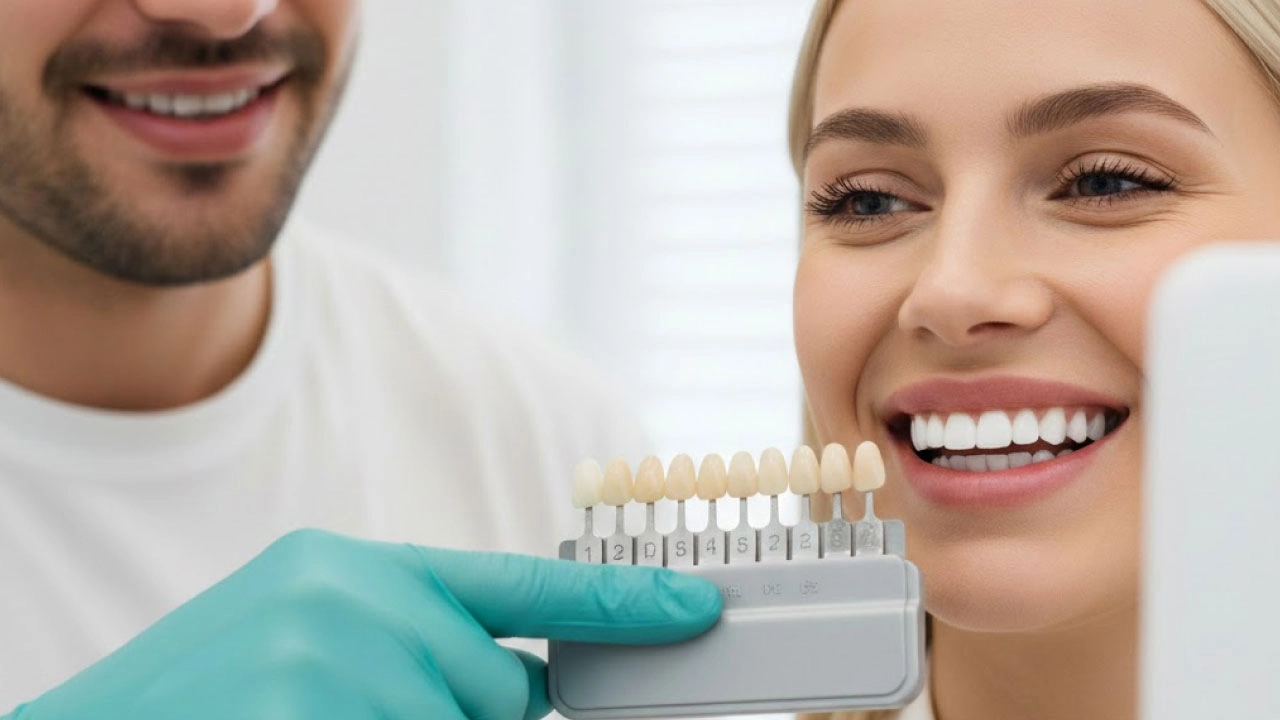
The final restoration includes a crown, bridge, or denture. Custom Implant Design ensures correct chewing function and appearance.
How long do dental implants take?
Dental implants take 3 to 9 months in most cases. Timeline depends on bone condition and treatment complexity.
A simple breakdown of the timeline
- Assessment and planning: 1–2 visits
- Implant placement: 1 visit
- Healing phase (osseointegration): 8–16 weeks
- Final restoration: 2–3 short visits
3 common timeline scenarios
- Straightforward implant case
Healthy bone and gums. Total time: about 3–4 months. - Implant with bone grafting
Bone graft healing required first. Total time: 6–9 months. - More complex restorative plans
Full arch implants or bite reconstruction. Timeline varies based on surgical staging.
What can make the timeline longer?
- Active gum disease
- Low bone density
- Smoking
- Sinus lift complications in upper jaw cases
- Healing response differences
Does getting a dental implant hurt?
No, the procedure is not painful during surgery because local anaesthesia is used.

During the procedure
Local anaesthesia blocks pain. Patients report pressure but not sharp pain.
After the procedure
Mild swelling and tenderness for 3–5 days is common. Over the counter medication controls discomfort in most cases.
When is pain not normal?
Contact a dentist if:
- Severe worsening pain occurs
- Fever above 38°C (100.4°F) develops
- Persistent swelling or discharge appears
- Sudden bite change or implant mobility occurs
These may indicate Dental Implant Problems such as infection or early Peri-Implantitis.
Caring for Dental Implants
Caring for Dental Implants involves 5 main actions:
- Brush twice daily
- Clean between implants using floss or interdental brushes
- Attend professional checkups every 6 months
- Avoid smoking
- Use night guard, if teeth grinding exists

Implant Maintenance Protocols reduce peri-implantitis risk and improve long-term success.
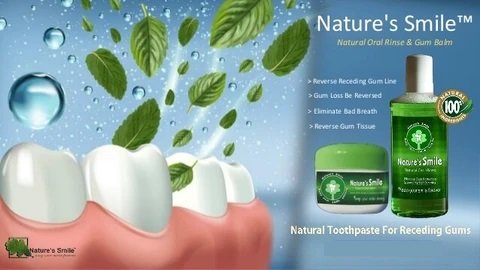
Good implant outcomes do not depend on the implant alone. Long-term success also depends on keeping the surrounding gums healthy and reducing plaque buildup around the restoration. Along with brushing, interdental cleaning, and regular checkups, some patients look for added gum-care support at home. Nature’s Smile is sometimes used as a herbal gum-care product by people who want extra support for cleaner-feeling gums and fresher breath as part of their daily oral hygiene routine. It is not a substitute for implant maintenance visits or professional treatment, but it can fit into a broader routine focused on protecting gum health around natural teeth and implants.
Cost of Dental Implants
Cost Dental Implants depends on the full treatment plan, not only the implant screw.
5 main cost factors:
- Number of implants
- Type of restoration (single crown vs full arch implants)
- Materials (zirconia implants vs titanium implants)
- Bone grafting or sinus lift need
- Digital planning and surgical guide use
In the United States, a single tooth implant including crown often ranges from $3,000–$5,000 per tooth. Full Mouth Implants can range from $20,000–$50,000 per arch depending on complexity.
Affordable Dental Implants options may include staged treatment or financing plans.
Alternatives to Dental Implants
There are 2 main Dental Implant Alternatives:
- Dental bridge: Fixed but relies on adjacent natural teeth.
- Removable denture: Lower upfront cost but reduced stability.
Implant Supported Dentures improve stability compared to conventional dentures.
Frequently asked questions
Can people with diabetes get dental implants?
Yes, people with controlled diabetes can receive dental implants. Blood sugar stability improves healing and osseointegration outcomes.
What is the right age for dental implants?
Dental implants are suitable after jaw growth is complete, usually after age 18–21 years.
What are signs an implant problem needs urgent review?
Seek review if severe pain, persistent swelling, discharge, fever, or implant mobility develops.
How long do implants last?
Dental implants can last 15–25 years or longer with proper care. Implant survival at 10 years exceeds 95% in many studies. The crown may require replacement earlier due to wear.
Conclusion
This Dental Implants Guide 2026 shows that successful implant treatment depends on much more than the surgical procedure itself. From planning and placement to healing and long-term maintenance, every stage matters when replacing missing teeth with a solution designed to look, feel, and function more like natural teeth. Just as important, healthy gums play a major role in protecting implants over time. A complete care routine that includes daily brushing, interdental cleaning, regular dental visits, and supportive gum-care habits such as using Nature’s Smile may help patients maintain a cleaner, healthier oral environment for long-term implant success.