Why do gum grafts fail? Gum grafts fail when grafted tissue does not establish stable blood flow, becomes infected, shifts during healing, or breaks down due to health issues or poor post-operative care. A failed gum graft often leads to continued gum recession, exposed tooth roots, pain, or infection instead of improved gum coverage.
A gum graft is a surgical procedure used to treat gum recession by placing new gum tissue over exposed areas. When healing goes well, the graft blends with the existing gum line and protects the tooth roots. When healing fails, the grafted tissue may detach, shrink, or die, leading to gum graft failure (GGF).
This article explains why gum grafts fail, how to recognize early warning signs, and what steps reduce long-term damage.
Table of Contents
Why Do Gum Grafts Fail?
There are 9 main reasons gum grafts fail. Each reason affects blood flow, tissue stability, or infection control during the healing process. According to the National Institute of Dental and Craniofacial Research, gum disease and tissue damage can significantly affect the success of gum treatments and healing outcomes.
1. Compromised Blood Supply
Grafted tissue survives only if it receives good blood flow. Reduced blood flow leads to graft necrosis and partial or complete failure. Smoking, nicotine exposure, diabetes, and surgical flap design errors reduce blood flow to the surgical site.
2. Infection at the Surgical Site
Bacteria entering the wound disrupt healing and destroy grafted tissue. Signs of infection include swelling, pus, foul taste, and persistent pain infection. Poor oral hygiene and missed antibiotics increase infection risk.
Related article: Gum Graft Failure: Signs, Causes & Prevention
3. Trauma or Disturbance During Healing
Physical movement prevents graft attachment. Trauma includes brushing too soon, pulling lips or cheeks, chewing hard foods, or the graft feeling loose. Even small disturbances can cause graft failure.
4. Surgical Technique Errors
Surgical complications such as improper graft placement, poor flap stabilization, graft thickness mismatch, or suture line disruption increase failure risk. Connective tissue grafts require precise technique to survive. The American Academy of Periodontology explains that surgical accuracy and stabilization are essential for successful gum graft integration.
5. Inadequate Post-Operative Care
Skipping medications, ignoring diet restrictions, or failing follow-up visits delays healing. Soft foods such as yogurt, mashed potatoes, and smoothies reduce trauma during early healing.
6. Smoking and Nicotine Use
Nicotine constricts blood vessels and reduces oxygen delivery. Smoking cessation failure remains one of the strongest predictors of failed gum graft outcomes.
Related post: Gum Graft One Week Later: Healing Tips & What to Expect
7. Underlying Medical Conditions
Health issues such as diabetes, vitamin D deficiency, autoimmune disorders, and delayed wound healing interfere with tissue regeneration and increase graft failure risk. Research from the American Diabetes Association shows that diabetes can negatively affect gum healing and increase infection risk.

8. Graft Material Selection
Donor grafts (allografts) from a tissue bank, free gingival grafts, pedicle grafts, and connective tissue grafts heal differently. Incorrect donor source placed for the recession type raises failure rates.
9. Pre-Existing Periodontal Disease
Active periodontal disease or inadequate keratinized tissue weakens graft integration and allows gum recession to continue after surgery. The World Health Organization oral health report states that untreated gum disease can compromise dental treatments and long-term oral health.
How to Tell If a Gum Graft is Failing?
There are 7 clear signs of a failed gum graft. Early detection allows intervention before complete graft loss.
1. Grafted Tissue Turns White or Gray
Temporary whitening can be normal, but persistent white, gray, or sloughing tissue signals poor blood supply or necrosis.
2. Persistent Pain or Swelling
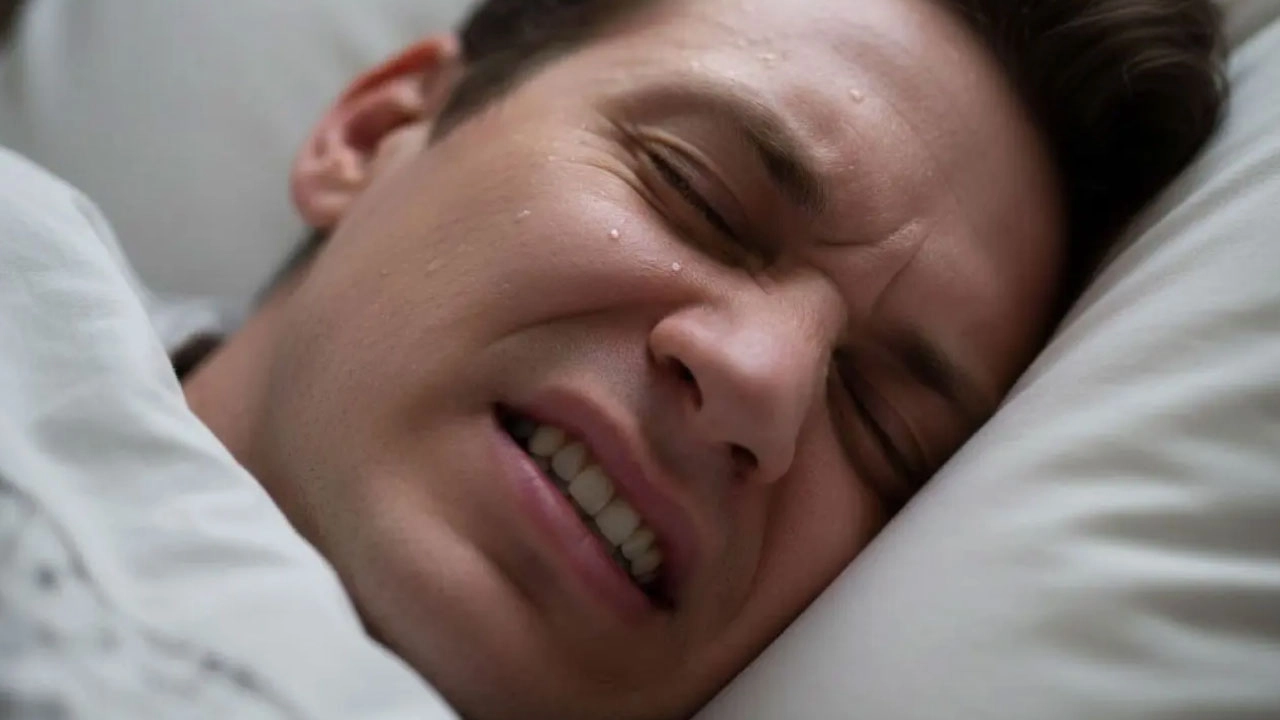
Pain should decrease daily. Worsening pain, gum graft swelling, or throbbing indicates infection or graft rejection.
3. Gum Recession Continues
If gum recession continues or worsens, the graft did not integrate. This is a common sign of graft needing revision.
Read this next: Gum Graft After 3 Weeks: What to Expect & Care Tipst
4. Uneven or Irregular Gum Line
A healed graft should blend smoothly. Uneven or irregular contours suggest partial graft failure.
5. Signs of Infection
Pus, bad taste, odor, redness, or fever indicate bacterial infection requiring immediate care.
6. Graft Feels Loose
A graft that shifts during speaking or eating has lost stabilization and blood contact.
7. Bleeding Beyond Early Healing
Uncontrolled post-op bleeding after the first few days signals wound disruption.
Gum Graft Failed: What Should Be Done?
A failed gum graft should be evaluated immediately by a periodontist. Delayed care increases tissue loss and future surgery complexity.
Step 1: Stop Mechanical Trauma
Avoid touching the surgical site with the tongue, fingers, lips, or cheeks. Eat only soft foods and avoid chewing near the graft.
Step 2: Control Infection
Take prescribed antibiotics and anti-inflammatories exactly as directed. Rinse gently with salt water unless told otherwise by the dentist.
Step 3: Schedule a Consultation
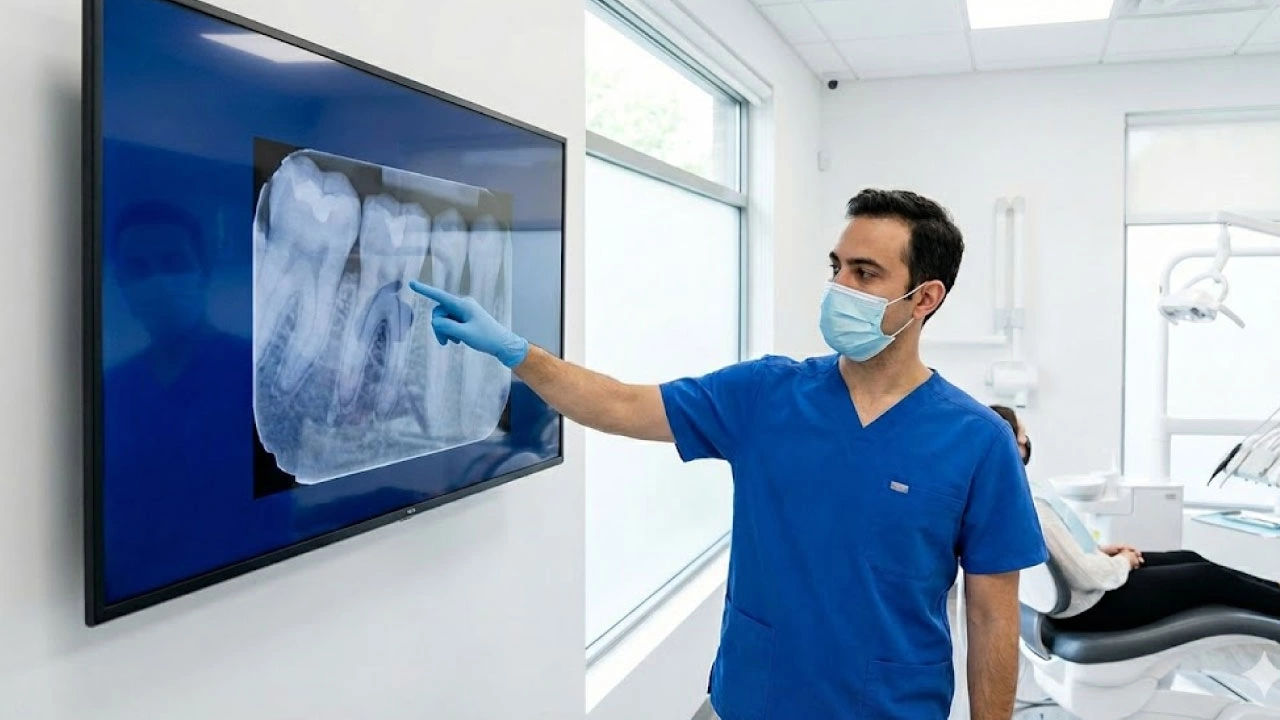
A periodontist will assess blood flow, graft stability, and infection. At Commonwealth Periodontics and Implant Center in London and Somerset, KY, the periodontal team evaluates whether the graft can be salvaged or needs revision surgery.
Step 4: Allow Healing or Plan Revision Surgery
Some failed gum grafts recover with conservative care. Others require revision surgery using a different graft type or donor source.
Step 5: Address Root Causes
Smoking cessation, improved oral hygiene, diabetes control, and periodontal maintenance reduce repeat failures.
Gum grafts fail when healing biology, surgical technique, and patient care fall out of alignment. Early signs such as persistent pain, infection, loose tissue, or ongoing gum recession should never be ignored. With timely evaluation, most gum graft complications can be corrected, protecting gum tissue, tooth roots, and long-term oral health.